Transform Your Bedroom: The Definitive Guide to Painting a Bedroom Suite Like a Pro
Is your bedroom suite looking a little… tired? That once-loved dresser, those nightstands, maybe even the headboard – they’ve seen better days, showing scratches, dings, or just a dated finish. Before you splurge on an entirely new set (and believe me, that can get pricey fast!), imagine giving your existing furniture a complete, custom makeover. Painting a bedroom suite isn’t just about saving money; it’s about infusing your personal style, creating a cohesive look, and experiencing the incredible satisfaction of a DIY transformation. And guess what? You absolutely can do it. I’m here to walk you through every single step, turning your dated pieces into a stunning, personalized sanctuary.
Is Painting Your Bedroom Suite Worth It? (Why DIY Wins)
Let’s be real, a full bedroom suite can be a significant investment. When your furniture starts to feel out of sync with your style, the first thought might be to replace it. But painting offers a powerful alternative that often makes more sense:
- Cost Savings: This is huge. A new quality bedroom suite can run into the thousands. With paint, primer, and a few tools, you’re looking at a fraction of that cost. You’re effectively getting a ‘new’ look for a budget price.
- Personalization: Ever tried to find furniture that perfectly matches your vision? It’s tough. Painting allows you to choose the exact color, finish, and even hardware to create a truly bespoke suite that reflects *your aesthetic, not just what’s available in stores.
- Sustainability & Upcycling: In an age where we’re all trying to be more conscious, giving new life to existing furniture is a win. You’re keeping quality pieces out of landfills and reducing the demand for new manufacturing. It feels good!
- The “Suite” Advantage: Painting multiple pieces (dresser, chest of drawers, nightstands, headboard) together ensures a perfectly cohesive look that ready-made sets often lack in terms of customization. You control the narrative of your bedroom’s style.
Planning Your Bedroom Suite Makeover: More Than Just Paint
Before you even think about opening a paint can, a little planning goes a long way. This isn’t just about slapping on a new color; it’s about crafting a vision for your entire bedroom aesthetic.
Defining Your Vision: Color Palette & Style
Start by dreaming! What look are you going for? A serene, minimalist haven with soft grays and whites? A bold, bohemian retreat with deep jewel tones? Maybe a classic farmhouse feel with distressed finishes? Consider:
- Your Room’s Existing Colors: Wall color, bedding, curtains, and flooring should all play nicely with your new furniture hue.
- Desired Mood: Cool colors (blues, greens) can create calm, while warm colors (reds, yellows) add energy. Neutrals offer versatility.
- Style Inspiration: Browse Pinterest or home decor magazines. Save images that speak to you. Notice the furniture finishes, the hardware, and the overall vibe.
Assessing Your Furniture: The Pre-Paint Check-up
Take a good look at your existing bedroom suite. The material and condition will dictate some of your choices:
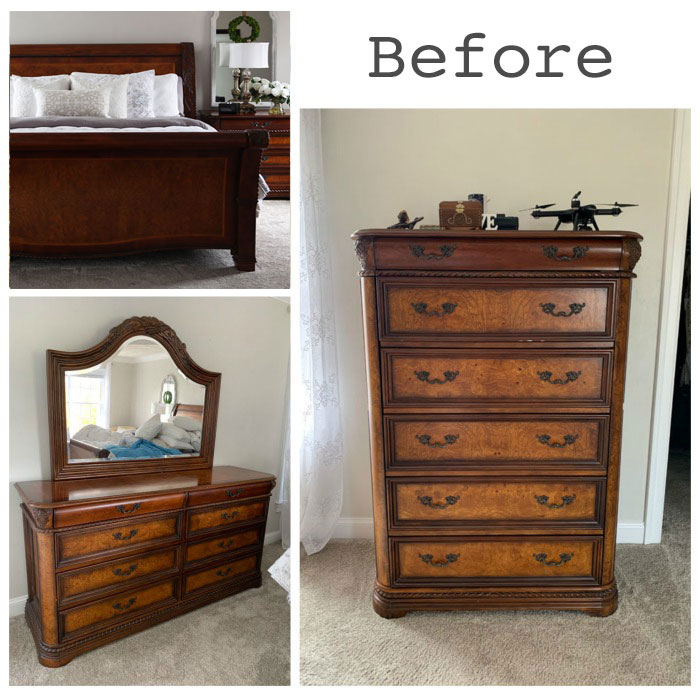
- Material: Is it solid wood, veneer, laminate, or particle board? Solid wood is generally the easiest to work with. Laminate or veneer may require specific primers for adhesion.
- Previous Finish: Is it stained, varnished, or already painted? This affects your prep work. A chipped, peeling painted surface needs more TLC than a smooth, varnished one.
- Condition: Any deep scratches, gouges, loose joints, or missing pieces? Address these before painting. Painting over flaws just highlights them.
Choosing the Right Paint Type for Your Suite
This is where many DIYers get overwhelmed. Don’t worry, I’ll break down the most common options.
Latex/Acrylic Paint
This is your everyday wall paint, but furniture-specific versions are often more durable. It’s water-based, easy to clean up, and comes in a huge range of colors. You’ll definitely need a good primer for proper adhesion and durability.
Chalk Paint
Popular for its matte, velvety finish and minimal prep requirements (often no sanding or priming needed on many surfaces). It’s great for a distressed, vintage, or shabby chic look. Requires a wax or clear coat for protection.
Mineral Paint
Similar to chalk paint in its low-prep nature, but often boasts a built-in topcoat for a more durable, low-sheen finish without extra sealing. It’s also water-based.
Oil-Based Paint
Known for its superior durability and smooth, hard finish. It’s excellent for high-traffic pieces but comes with downsides: strong fumes, longer drying times, and requires mineral spirits for cleanup. Less common for DIY furniture painting these days due to advances in water-based paints.

Here’s a quick comparison to help you choose:
| Paint Type | Pros | Cons | Best For |
|---|---|---|---|
| Latex/Acrylic | Wide color range, easy cleanup, good durability with primer. | Requires prep (sanding/priming) for best adhesion. | Most furniture, modern/clean finishes, custom color matching. |
| Chalk Paint | Minimal prep, matte finish, easy distressing. | Requires wax/topcoat for protection, limited color range. | Vintage, shabby chic, distressed looks, quick makeovers. |
| Mineral Paint | Low prep, built-in topcoat, good durability. | More expensive, smaller color selection than latex. | Durable, low-sheen finishes, modern farmhouse. |
| Oil-Based | Extremely durable, smooth finish. | Strong fumes, long drying times, harder cleanup (mineral spirits). | High-traffic pieces, specialized industrial applications. |
Selecting the Perfect Sheen for Your Suite
The sheen (or finish) dramatically impacts the final look and durability of your painted furniture:
- Flat/Matte: No shine, conceals imperfections well. Least durable, hard to clean. Best for decorative pieces, not high-use furniture.
- Eggshell: A very subtle, soft sheen. More durable than flat, easier to clean. Good for a muted, sophisticated look.
- Satin: My personal favorite for furniture! Offers a beautiful, soft luster that’s not too shiny and not too flat. It’s durable and easy to clean, making it ideal for bedroom furniture.
- Semi-Gloss: Higher shine, very durable, and easiest to clean. Great for children’s furniture or pieces that get a lot of wear and tear, but shows imperfections more.
- High-Gloss: A mirror-like, super shiny finish. Extremely durable and easy to clean, but unforgiving of surface imperfections. Best for a dramatic, modern statement piece.
Estimating Time and Cost for a Full Suite
Painting a bedroom suite is a commitment, but a rewarding one. Here’s a realistic breakdown:
Time Breakdown (for 3-4 pieces, e.g., dresser, 2 nightstands, headboard)
- Preparation (cleaning, sanding, repairs): 4-8 hours per piece. Don’t rush this!
- Priming (2 coats + drying): 2-4 hours active time, 12-24 hours total drying/recoat time.
- Painting (2-3 coats + drying): 4-8 hours active time, 24-48 hours total drying/recoat time.
- Topcoat (1-2 coats + drying): 1-3 hours active time, 12-24 hours total drying/recoat time.
- Curing Time: This is crucial! Paint needs 7-30 days to fully harden. You can use the furniture gently before this, but be careful.
Total Project Time: Realistically, plan for a dedicated weekend (or two) of active work, with light use after a few days, and full durability after a month.
Budgeting for Supplies
Costs can vary greatly depending on brands and quality. Here’s a general estimate:
| Item | Estimated Cost (USD) | Notes |
|---|---|---|
| Paint (Quart – Gallon) | $25 – $70 | High-quality furniture paint or durable latex. One gallon often covers a suite. |
| Primer (Quart – Gallon) | $20 – $50 | Crucial for adhesion and coverage. |
| Topcoat/Sealer | $15 – $40 | Polycrylic, wax, or clear coat for protection. |
| Sandpaper (various grits) | $5 – $15 | Assorted pack (120, 180, 220 grit). |
| Brushes & Rollers | $20 – $50 | Invest in good quality for a smooth finish. Foam rollers for smooth surfaces. |
| Cleaning Supplies | $10 – $20 | Degreaser, tack cloth, rags. |
| Miscellaneous (Tape, Drop Cloths, etc.) | $10 – $25 | Painter’s tape, plastic sheeting, gloves, mask. |
| Optional: New Hardware | $20 – $100+ | Can dramatically change the look. |
| TOTAL ESTIMATE (excluding hardware) | $105 – $270 | Still significantly less than new furniture! |
Gathering Your Arsenal: Essential Tools & Supplies
Having the right tools makes all the difference. Don’t skimp on quality here; it impacts your finish.
- Drop Cloths or Plastic Sheeting: Absolutely essential to protect your floors and surrounding area.
- Cleaner/Degreaser: TSP (Trisodium Phosphate) substitute, or a good quality degreasing cleaner.
- Sandpaper: Various grits – 120 (for heavier sanding/repairs), 180 (general scuffing), 220 (light sanding between coats), and maybe 320 for ultra-smooth finishes. A sanding block or orbital sander will save your hands.
- Tack Cloth: For picking up fine dust after sanding. You can’t skip this!
- Wood Filler/Bondo: For repairing gouges, deep scratches, or filling old hardware holes.
- Painter’s Tape: For masking off areas you don’t want painted (e.g., drawer interiors).
- High-Quality Paint Brushes: A good angled brush (1.5-2 inches) for details and a flat brush for larger areas. Natural bristles for oil-based, synthetic for water-based.
- Foam Rollers or Microfiber Rollers: For smooth, even coverage on flat surfaces. Foam rollers give the smoothest finish, but may leave tiny bubbles if not applied correctly.
- Paint Tray and Liners: Makes cleanup a breeze.
- Paint Stirrers: Crucial for proper paint consistency.
- Primer: The right type for your project (more on this below).
- Your Chosen Paint: Get enough for 2-3 coats.
- Topcoat/Sealer: Polycrylic (water-based) or a good furniture wax.
- Safety Gear: Nitrile gloves to protect your hands, and a respirator mask, especially if using oil-based paints or sprayers. Good ventilation is key!
- Screwdriver/Drill: For removing hardware.
Step-by-Step Painting Process: From Grungy to Gorgeous
Alright, let’s get down to business! This process might seem extensive, but each step builds on the last to ensure a durable, beautiful finish.
Step 1: Prep Like a Pro (The Foundation of Success)
I cannot stress this enough: preparation is 80% of a successful paint job. Don’t skimp here!
- Clear the Area & Protect Floors: Move your furniture to a well-ventilated area, ideally a garage or outdoors if weather permits. Lay down drop cloths or plastic sheeting generously.
- Remove Hardware & Drawers: Take off all knobs, pulls, and hinges. Remove drawers completely. Label everything if you’re worried about reassembly, especially hardware for specific drawers.
- Thorough Cleaning: Mix your cleaner/degreaser according to directions. Wipe down every surface of your furniture. You’d be amazed at the hidden grime, oils, and sticky residue that can prevent paint adhesion. Rinse thoroughly with clean water and let dry completely.
- Repair Imperfections: Now’s the time to fix any dings, scratches, or holes. Use wood filler, apply it with a putty knife, let it dry, and then sand it smooth. If you’re changing hardware, fill the old holes now.
- Sanding (The Great Debate):
- Light Scuff Sanding: Even if using “no-sand” paint, I always recommend at least a light scuff sand with 180 or 220 grit sandpaper. This creates a slightly rough surface (called a “tooth”) for the primer and paint to grab onto, drastically improving adhesion. You’re not removing the old finish, just dulling it.
- Heavier Sanding/Stripping: If your furniture has a very thick, glossy finish, or if the existing paint is chipping/peeling, you might need to sand more aggressively with 120-grit, or even strip it chemically. For a full suite, this is a lot of work, so if your furniture is in really bad shape, reassess if it’s the right project for you.
- Dust Removal: After sanding, wipe away all dust with a damp cloth, then follow up with a tack cloth to pick up any remaining fine particles. Your surface must be impeccably clean and smooth.
Step 2: Prime Time (Don’t Skip This!)
Primer is your secret weapon for durability and a flawless finish. It’s non-negotiable for most bedroom furniture projects.
- Why Priming is Crucial:
- Adhesion: It creates a bonding layer for your paint to stick to, preventing chipping and peeling.
- Color Blocking: Especially important if you’re going from dark to light, or if the original finish is very dark.
- Stain & Tannin Sealing: Prevents wood tannins (especially from oak, mahogany, or knotty pine) from bleeding through your paint, causing yellow or brown spots.
- Choosing the Right Primer:
- Water-based (Latex) Primer: Good all-purpose primer for most wood and previously painted surfaces. Easy cleanup.
- Oil-based Primer: Excellent for blocking stains, odors, and for providing a strong bond on tricky surfaces like laminate or heavily stained wood. Dries slower, requires mineral spirits for cleanup.
- Shellac-based Primer (e.g., Zinsser B-I-N): The ultimate stain blocker and adhesion promoter, even on super glossy or metal surfaces. Dries incredibly fast. Has strong alcohol fumes.
- Application Techniques: Apply primer in thin, even coats using a quality brush or roller. Avoid pooling or drips. For a full suite, I recommend at least two thin coats for optimal coverage and durability, especially if going for a light color.
- Drying Times: Always follow the manufacturer’s recommendations. Usually, primers dry to the touch in an hour or two but need more time (4-24 hours) before recoating or painting. Lightly sand with 220-grit sandpaper between primer coats for an even smoother finish, then wipe with a tack cloth.
Step 3: Paint Your Masterpiece (The Color Comes Alive)
The exciting part! With proper prep and priming, this step will be incredibly rewarding.

- Mixing Paint Properly: Stir your paint thoroughly before and periodically during application. Don’t shake, as this creates bubbles.
- First Coat Application: Apply your first coat thinly and evenly. Don’t try to achieve full coverage in one go. Thin coats are key to preventing drips, brush marks, and ensuring a smooth finish. Use your brush for detailed areas and a foam roller for flat surfaces.
- Dealing with Drips and Brush Strokes: If you see a drip, catch it immediately with your brush and smooth it out. For brush strokes, ensure you’re not overloading your brush and always paint in the direction of the wood grain.
- Subsequent Coats: Allow each coat to dry completely according to the manufacturer’s instructions (usually 2-4 hours). Lightly scuff sand with 220-grit sandpaper between coats, then wipe with a tack cloth. This step is a game-changer for a buttery-smooth finish. Most projects will need 2-3 thin coats of paint.
- How to Handle Intricate Details: For carved details or moldings, use a smaller artist’s brush or dab gently with a stippling motion. Don’t let paint build up in crevices.
Step 4: Seal the Deal (Protection for Longevity)
A topcoat protects your hard work, making your furniture durable and easy to clean. Don’t skip it, especially for high-use pieces like nightstands or dressers.
- Why a Topcoat is Vital: It provides a protective barrier against scratches, moisture, and daily wear and tear.
- Types of Topcoats:
- Polycrylic (Water-based): My top recommendation for most painted furniture. It’s durable, dries clear (won’t yellow white paint), and easy to clean up. Comes in various sheens.
- Polyurethane (Oil-based): More durable than polycrylic, but can yellow over light colors. Has strong fumes and requires mineral spirits for cleanup.
- Furniture Wax: Often used over chalk paint for a soft, natural finish. Provides some protection but is less durable than polycrylic and requires reapplication over time.
- Lacquer: A very durable, high-gloss finish, often applied with a sprayer. Can be tricky for beginners.
- Application Tips: Apply topcoat in thin, even coats. Avoid over-brushing, as this can create bubbles. For polycrylic, 2-3 coats are usually sufficient, with light sanding (320-grit) and tack cloth wipe-down between coats for the smoothest finish.
- Curing vs. Drying Time: Your topcoat will be dry to the touch in a few hours, but it needs time to cure* (fully harden). This can take 7 to 30 days. During this time, treat your furniture gently: avoid heavy objects, sliding items across surfaces, or exposing it to moisture.
Step 5: The Grand Reassembly (Bringing It All Together)
Once your final topcoat has dried (and ideally, cured for a few days to a week), it’s time for the finishing touches.
- Reinstalling Hardware: Put all your cleaned or new hardware back on. This step can completely transform the look of your suite, so consider upgrading if your budget allows.
- Putting Drawers Back: Carefully slide drawers back into their respective spots.
- Styling Your Newly Transformed Suite: Step back and admire your handiwork! Now you have a beautifully cohesive bedroom suite ready to be styled with lamps, books, plants, and other decor that matches its new personality.
Common Mistakes & How to Avoid Them (Expert Insights)
Even seasoned DIYers make mistakes. Here are some common pitfalls and how to steer clear of them:
- Skipping Prep Work: This is the mistake. Not cleaning or sanding properly leads to poor adhesion, chipping, and an uneven finish. Solution: Dedicate ample time to cleaning, repairing, and scuff-sanding. It’s tedious but non-negotiable.
- Applying Thick Coats: It’s tempting to try to get full coverage fast, but thick coats lead to drips, uneven drying, and a textured finish. Solution: Always apply multiple thin, even coats. Patience is your best friend here.
- Not Using Primer or the Wrong Type: Paint needs a proper foundation, especially on tricky surfaces or when changing colors drastically. Solution: Research and choose the correct primer for your furniture’s material and desired paint color.
- Ignoring Curing Times: Just because paint is dry to the touch doesn’t mean it’s ready for heavy use. Solution: Plan for at least a week of gentle use, and allow 30 days for full curing before placing heavy objects or scrubbing surfaces.
- Poor Ventilation: Fumes can be unpleasant and unhealthy. Solution: Work in a well-ventilated area, open windows, use fans, and wear a respirator mask, especially with oil-based or spray paints.
- Choosing the Wrong Tools: Cheap brushes shed bristles and leave streaks. Wrong rollers create texture. Solution: Invest in quality brushes (synthetic for water-based, natural for oil-based) and appropriate rollers (foam for smooth, microfiber for textured).
- Rushing the Process: Painting furniture is not a race. Each step needs its own time. Solution: Break the project into manageable phases, allow ample drying time between coats, and don’t feel pressured to finish in one day.
Maintaining Your Painted Bedroom Suite
Once your beautiful new suite is complete, a little ongoing care will keep it looking fresh for years:
- Gentle Cleaning: Wipe down with a soft, damp cloth. For tougher spots, a mild dish soap solution can work, but avoid harsh abrasives or chemical cleaners.
- Avoiding Harsh Chemicals: Many household cleaners can degrade your paint finish over time. Stick to gentle options.
- Protecting Surfaces: Use coasters under drinks on nightstands and dressers. Consider glass tops for extra protection on high-traffic surfaces.
- Touch-ups: Keep a small amount of your leftover paint for minor touch-ups. Small nicks are inevitable, and a quick dab can make them disappear.
There you have it! Transforming your bedroom suite through painting is an incredibly rewarding DIY project. It takes patience, the right tools, and a bit of elbow grease, but the result is a custom, cohesive, and beautiful bedroom that reflects your unique style – all without breaking the bank. So gather your supplies, put on some music, and get ready to create something truly special. Happy painting!

Frequently Asked Questions
Do I really need to sand my bedroom furniture before painting?
While some modern paints (like chalk or mineral paints) claim to be ‘no-sand,’ I highly recommend at least a light ‘scuff sand’ with 180-220 grit sandpaper. This creates a rough texture for the primer and paint to adhere to, significantly improving the durability and longevity of your finish. Think of it as creating a strong foundation for your paint job.
How long does paint need to cure before I can use my bedroom suite normally?
Paint is typically dry to the touch within a few hours, but it needs significantly longer to fully ‘cure’ or harden. This process can take anywhere from 7 to 30 days, depending on the paint type, humidity, and number of coats. During the curing period, treat your furniture gently: avoid placing heavy items, sliding objects, or excessive cleaning to prevent damage to the still-soft finish.
What’s the best type of paint for bedroom furniture?
There’s no single ‘best’ paint, as it depends on your desired look and durability needs. Latex/acrylic paints with a good primer offer a vast color range and excellent durability. Chalk or mineral paints are great for a low-prep, matte, or distressed finish (often requiring a topcoat). For a balance of durability and ease of use, I often recommend a good quality water-based furniture paint or a durable acrylic latex with a satin sheen and a polycrylic topcoat.
Should I use a brush or roller for painting furniture?
For the smoothest finish, I recommend a combination of both. Use a high-quality angled brush (1.5-2 inches) for detailed areas, edges, and carved sections. For flat, larger surfaces like dresser tops and sides, a dense foam roller or a fine-nap microfiber roller will provide a more even, streak-free finish. Remember to apply thin coats, regardless of the tool.
How do I prevent brush strokes and drips?
The key is applying thin, even coats and not overloading your brush or roller. Work in manageable sections and smooth out any drips immediately. For brush strokes, ensure you’re using a quality brush and painting in the direction of the wood grain. Lightly sanding with 220-grit sandpaper between coats (and wiping with a tack cloth) also helps achieve a smoother final finish.
Is a topcoat necessary for painted bedroom furniture?
Yes, absolutely! A topcoat (like polycrylic, polyurethane, or furniture wax) is crucial for protecting your painted furniture from scratches, moisture, and daily wear. Bedroom furniture, especially nightstands and dressers, sees a lot of use, so a protective layer ensures your hard work lasts and the finish remains beautiful for years to come.
Can I paint laminate or veneer bedroom furniture?
Yes, you can! The key is using the right primer. A high-adhesion, shellac-based or oil-based primer is essential for these slick surfaces to ensure the paint has something to bond to. Without proper priming, paint will likely chip or peel off laminate and veneer.