How Much Does It Cost To Paint A Room In London? Your Definitive Guide to London Painting Prices
Dreaming of a fresh coat of paint for your London flat or house? You’re not alone. A new color scheme can breathe new life into any space, but the burning question always is: how much will it actually cost? When you’re dealing with London, the answer often comes with a bit of a premium compared to other parts of the UK – and certainly compared to many places in the US.
Let’s cut straight to it: for a standard-sized room (around 12-15 square meters or 130-160 square feet) in London, you can expect to pay a professional painter anywhere from £350 to £700. This range accounts for various factors we’ll dive into, from the complexity of the job to the type of paint you choose. All costs mentioned in this guide are in Great British Pounds (£). For our US readers, a quick mental conversion currently places £1 around $1.27 USD, though currency exchange rates fluctuate daily, so always check the latest figures.
London’s vibrant economy and higher cost of living directly translate into elevated service prices. Painters and decorators face higher operational costs, from rent and transport to general business expenses, which are naturally passed on to the customer. This guide will break down exactly what influences these prices, what you should expect from a quote, and how to navigate the painting process in one of the world’s most exciting cities.
The Quick Look: London Room Painting Costs at a Glance
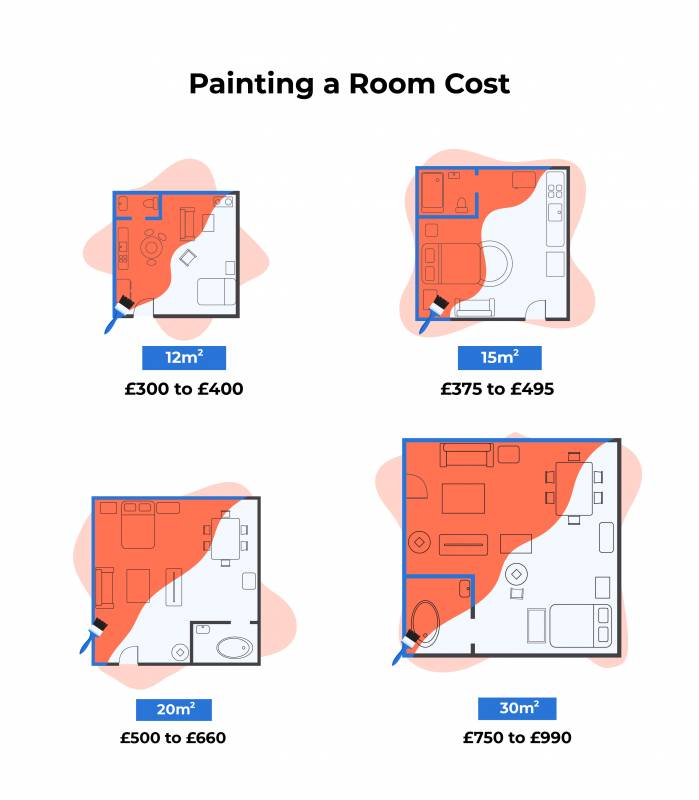
To give you an immediate idea, here’s a snapshot of average costs for painting different room sizes in London. Remember, these are estimates, and your specific project might fall outside these ranges depending on the details.
Understanding Room Sizes and Typical London Cost Ranges
Room size is, unsurprisingly, one of the biggest determinants of cost. A small box room will naturally be quicker and require less material than a sprawling living room with intricate cornices.
Table 1: Average London Painting Costs by Room Size (Estimates)
| Room Size Category | Approx. Dimensions (Sq Meter/Sq Feet) | Typical Project Time (Professional) | Average London Cost Range (£) |
|---|---|---|---|
| Small Room (e.g., Box Room, Small Study) | Up to 10m² (107 sq ft) | 1 day | £250 – £450 |
| Medium Room (e.g., Standard Bedroom, Large Study) | 10m² – 20m² (107-215 sq ft) | 1-2 days | £350 – £700 |
| Large Room (e.g., Living Room, Open-Plan Kitchen/Diner) | 20m² – 30m² (215-323 sq ft) | 2-3 days | £600 – £1,200+ |
| Very Large/Multiple Rooms | 30m² + (323 sq ft +) | 3+ days | £900+ (quoted per project) |
London Painter Day Rates vs. Project Costs
Many London painters quote by the day, especially for smaller jobs or where the scope is less defined. A professional painter’s day rate in London typically ranges from £180 to £300+ per person, excluding materials. More experienced or specialist decorators will command higher rates.
Table 2: London Painter Day Rates & Estimated Project Component Costs
| Cost Component | Average London Cost (£) | Notes |
|---|---|---|
| Painter’s Day Rate (per person) | £180 – £300+ | Excludes materials. Varies by experience & reputation. |
| Basic Emulsion Paint (per room) | £40 – £80 | For average sized room (2-3 coats) |
| Premium/Specialty Paint (per room) | £80 – £150+ | Washable, designer brands, eco-friendly. |
| Basic Materials & Sundries | £20 – £50 | Tape, dust sheets, sandpaper, filler. |
| Extensive Prep Work (per day) | Added to day rate | Plastering, stripping wallpaper, significant repairs. |
When a Day Rate Makes Sense
A day rate can be a good option if you have a very clear, smaller job, or if you’re comfortable managing the project and materials yourself. However, for larger or more complex rooms, a fixed project quote typically provides more peace of mind, as it covers the entire scope of work, minimizing surprises.
Material Costs: What to Expect
Materials usually represent a smaller portion of the overall cost (around 10-20%) compared to labor. However, choosing premium paints or specialty finishes can significantly bump up this segment. A good painter will often have trade discounts on materials, which they may pass on to you.
Deep Dive: Factors That Significantly Impact Your London Painting Quote
Understanding these variables will empower you to get more accurate quotes and potentially save money. It’s not just about the square footage; there’s a lot more beneath the surface.
Room Size and Layout Complexity
- Floor Area vs. Wall Area: Painters quote based on the surface area to be painted, not just the floor plan. High ceilings, alcoves, and numerous windows or doors mean more intricate work and more paint.
- Awkward Spaces: Bay windows, intricate cornices, picture rails, or ornate ceiling roses demand extra time, skill, and specialized tools, driving up labor costs.
Level of Preparation Required
This is arguably the most critical factor for both cost and finish quality. Good prep work can take as long, if not longer, than the actual painting.
- Surface Condition: Are the walls smooth, or do they have cracks, holes, or flaky old paint? Extensive filling, sanding, or plastering adds significant time and material.
- Wallpaper Removal: Stripping old wallpaper is a messy, time-consuming job that will add substantially to your quote.
- Cleaning: Walls might need washing to remove grease or grime, especially in kitchens or bathrooms.
Type and Quality of Paint & Materials
Not all paints are created equal, and your choice impacts both durability and price.
- Standard Emulsion: Your everyday wall paint, generally the most affordable.
- Premium Brands: Farrow & Ball, Little Greene, Dulux Heritage – these often cost significantly more but offer richer pigments, better coverage, and a more luxurious finish.
- Specialty Finishes: Washable/scrubbable paints (great for families), anti-mould paints (bathrooms), eco-friendly/low-VOC paints, or specific primers for difficult surfaces all come at a higher price point.
- Number of Coats: If you’re going from a dark color to a light one, or if the chosen paint has poor opacity, more coats (and thus more paint and labor) will be required.
Number of Colors and Finishes
- Accent Walls: Using multiple colors for different walls or painting the ceiling a different shade increases the complexity and ‘cutting in‘ time.
- Trim vs. Walls: Painting skirting boards, architraves, and door frames in a different color or finish (e.g., gloss or satin) requires careful taping and precision, adding time.
London’s Location Premium: Why Prices are Higher
It’s no secret that London is an expensive city. This affects painters too:
- Higher Operating Costs: Rent for workshops, insurance, tools, and vehicles are all more expensive in London.
- Transport & Congestion: Driving and parking in London can be costly and time-consuming. Congestion charges, ULEZ fees, and parking permits add to a painter’s overhead, which is reflected in the quote.
- Cost of Living: Labor rates must be competitive enough for painters to afford to live and work in the capital.
Painter’s Experience and Reputation
A highly experienced, in-demand painter with a stellar reputation will naturally charge more than a newly qualified or less experienced one. You often pay for their skill, efficiency, and the assurance of a flawless finish. Specialist decorators, perhaps those skilled in heritage properties or specific decorative techniques, will also command premium rates.
Time of Year & Urgency
Painters are often busiest during spring and summer months. If you need a job done urgently or during peak season, you might find prices are higher or availability is limited. Planning ahead can sometimes lead to better rates.

Typical London Room Painting Project Breakdown: What You’re Paying For
When you receive a quote, it’s not just for ‘paint on walls’. It covers a multi-step process that ensures a professional, durable finish.
The Consultation & Quoting Process
A reputable London painter will typically visit your property to assess the room, discuss your vision, inspect the surfaces, and provide a detailed, written quote. This initial assessment helps them understand the scope and ensures you get an accurate price.
Surface Preparation (the most critical step!)
This is where the magic (or lack thereof) happens. Proper prep is the foundation of a good paint job and often takes the longest.
- Moving & Covering Furniture: Protecting your belongings and floors from paint splashes.
- Cleaning Surfaces: Removing dust, dirt, and grease.
- Filling & Repairing: Patching holes, cracks, and imperfections in walls and ceilings.
- Sanding: Smoothing out filled areas and ensuring good adhesion for new paint.
- Taping & Masking: Protecting skirting boards, door frames, windows, and electrical outlets with painter’s tape.
Priming (if needed)
A primer coat is crucial when:
- You’re painting over a very dark color with a light one.
- Dealing with new plaster or previously unpainted surfaces.
- Covering stains or odours.
Painting Application (coats, cutting in)
This is the actual painting, typically involving two coats of your chosen color, sometimes more. ‘Cutting in’ – painting precise lines where walls meet ceilings, trim, or other surfaces – requires a steady hand and takes time.
Clean-up & Final Inspection
A professional service includes tidying up, removing all tape and dust sheets, and a final inspection with you to ensure you’re satisfied with the work.
What’s NOT Usually Included (and can add costs)
- Heavy Furniture Moving: While painters will cover furniture, extensive moving of heavy items might be an additional charge or your responsibility.
- Extensive Plastering: If walls are in very poor condition and require significant replastering, this is usually a separate specialist job.
- Scaffolding: For extremely high ceilings or external work, scaffolding hire will be an extra cost.
How to Get an Accurate Quote and Save Money on Painting in London
Even in London, there are ways to manage your budget without compromising on quality.
Get Multiple Detailed Quotes
Always get at least three quotes from different London-based painters. Ensure each quote is detailed, breaking down labor, materials, and prep work. This allows for fair comparison and helps you understand what you’re paying for.
Prepare the Room Yourself (DIY Prep)
This is one of the biggest ways to save on labor costs. If you’re capable, consider:
- Moving all furniture out of the room or to the center and covering it.
- Removing all wall hangings, curtains, and light fixtures.
- Cleaning walls thoroughly.
- Doing basic filling of small holes and sanding.
Be honest with yourself about your DIY skills, though. Poor prep can lead to a substandard finish, even with a great painter.
Buy Your Own Paint? (Pros and Cons)
Sometimes buying your own paint can save you money, especially if you find a good deal or have specific preferences. However, professionals often get trade discounts and know exactly how much paint is needed, avoiding over-purchasing or running out. Discuss this with your painter beforehand.
Consider Off-Peak Times
If your schedule allows, consider having work done during the quieter seasons (e.g., late autumn or winter, excluding holidays). Painters might be more flexible with pricing or scheduling.
Be Clear About Expectations
Communicate clearly what you want. Show them the exact colors, finishes, and specific areas to be painted. Ambiguity can lead to misunderstandings and extra costs later.
Look for Local London-Based Professionals
Painters who operate closer to your property might have lower travel costs, potentially reflected in their quote.
Negotiate (Respectfully!)
While London painters have high overheads, there might be a little wiggle room, especially if you have multiple quotes. Be polite and reasonable in your negotiation.
Is It Cheaper To Paint a Room Yourself in London?
Yes, doing it yourself will almost always be cheaper in terms of direct cash outlay, primarily because you eliminate the labor cost. However, it comes with its own set of trade-offs.
DIY Costs: Materials, Tools, and Time
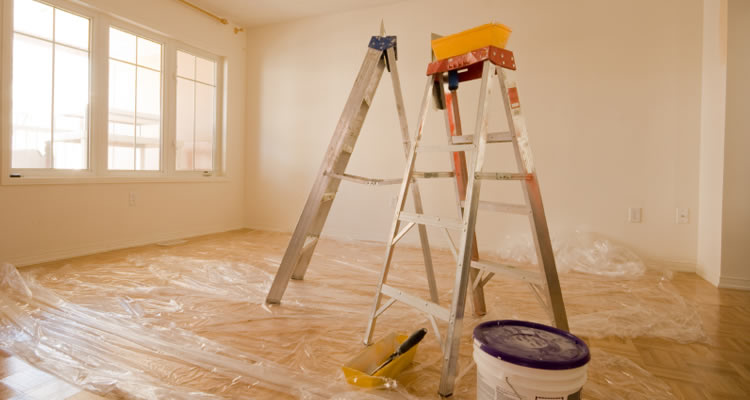
For a DIY project, you’ll need to buy paint, brushes, rollers, trays, painter’s tape, dust sheets, filler, sandpaper, and potentially a stepladder. These materials for a single room could cost anywhere from £80 to £200+ depending on paint quality and tools you already own.
The biggest ‘cost’ for DIY is your time and effort. Painting a room properly can take a full weekend or even longer for a beginner, and it’s physically demanding.
Pros and Cons of DIY vs. Professional
- DIY Pros: Significant cost savings, satisfaction of doing it yourself, complete control over the process.
- DIY Cons: Time-consuming, physically demanding, potential for imperfect finish (drips, uneven coats, messy lines), need to purchase tools, lack of professional expertise.
When to Hire a Pro in London
Consider a professional in London if:
- Time is tight: You don’t have the hours or days to dedicate to painting.
- Quality is paramount: You want a flawless, high-end finish for a premium property.
- The job is complex: High ceilings, intricate architectural details, or significant surface prep (e.g., plastering, wallpaper stripping) are involved.
- You value your peace of mind: A professional comes with insurance and guarantees their work.
- You’re not physically able: Painting requires climbing, stretching, and repetitive motion.
What To Look For When Hiring a London Painter & Decorator
Making the right choice of professional can make all the difference to your project’s outcome and your peace of mind.
Experience and Portfolio
Look for painters with a solid track record. Ask to see examples of their previous work, especially similar projects to yours. A good portfolio demonstrates their skill and attention to detail.
Insurance and Guarantees
Ensure your painter has Public Liability Insurance. This protects you in case of any damage to your property during the work. Ask if they offer any guarantee on their workmanship.
Clear Communication
A good professional will be responsive, clear in their explanations, and transparent about their pricing and process. Avoid painters who are vague or hard to reach.
References and Reviews (especially London-based ones)
Check online reviews on platforms like Checkatrade, MyBuilder, or Google. Look for consistent positive feedback. Don’t hesitate to ask for references from previous London clients if you’re considering a larger project.

Final Thoughts on Painting Your London Property
Painting a room in London is an investment, but a worthwhile one. A fresh, professional paint job can significantly enhance your living space, boost your mood, and even add value to your property. By understanding the factors that influence costs, knowing what to look for in a painter, and preparing diligently, you can ensure your project runs smoothly and delivers stunning results.
Whether you’re sprucing up a rental, renovating a family home, or preparing a property for sale, don’t let the ‘London premium’ deter you. With careful planning and the right professional, your London room can look its absolute best.
Frequently Asked Questions
What is the average cost to paint a medium-sized room in London?
For a standard medium-sized room (around 10-20 square meters or 107-215 square feet) in London, you can expect to pay a professional painter between £350 and £700. This estimate typically includes labor, basic preparation, and standard emulsion paint, but can vary based on complexity and paint quality.
Why are painting costs higher in London compared to other parts of the UK?
London’s higher painting costs are primarily due to the city’s elevated cost of living and operating expenses. Painters face higher costs for rent, transport (including congestion and ULEZ charges), parking, and general business overheads. These increased costs are reflected in the rates they charge for their services.
What factors most significantly influence the price of painting a room in London?
The most significant factors are room size and complexity (e.g., high ceilings, intricate features), the amount of surface preparation required (patching, sanding, wallpaper removal), the quality and type of paint chosen, and the number of colors or finishes used. The painter’s experience and reputation also play a role.
Can I save money by doing the preparation work myself?
Absolutely. Undertaking tasks like moving furniture, cleaning walls, filling small holes, and light sanding yourself can significantly reduce the labor hours a professional painter needs to dedicate, thereby lowering your overall cost. Just ensure you do a thorough job, as poor prep can compromise the final finish.
How long does it typically take a professional to paint a room in London?
A small room (up to 10m²) can often be completed in one day. A medium-sized room (10-20m²) typically takes 1 to 2 days, while a large room (20-30m²) or a room requiring extensive preparation might take 2 to 3 days or more. These timelines assume one professional painter.
Should I pay a painter by day rate or a fixed project quote in London?
For smaller, straightforward jobs with a clear scope, a day rate can be cost-effective. However, for larger or more complex rooms, a fixed project quote is often recommended. A fixed quote provides more certainty about the total cost, covering all labor and materials (if included), and reduces the risk of unexpected charges.
What should I look for when hiring a painter and decorator in London?
Look for a professional with a solid portfolio of work, positive client references or online reviews (especially London-based ones), and clear communication. Crucially, ensure they have Public Liability Insurance to protect you in case of any accidental damage during the project.