The Ultimate Guide to Choosing the Best Paint Color for Your Bedroom Walls
Feeling overwhelmed by swatches? Staring at a blank wall, knowing it needs a change but paralyzed by the sheer number of paint chips? You’re not alone. Choosing the ‘best’ paint color for your bedroom walls can feel like a monumental decision. After all, this isn’t just any room; it’s your sanctuary, your retreat, the place where you unwind and recharge. The color you choose can dramatically impact your mood, your sleep quality, and the overall feel of your personal space.
But here’s the secret: there isn’t one universal ‘best’ color. The true ‘best’ color is the one that perfectly suits your personal style, your unique bedroom’s characteristics, and the mood you want to evoke. This guide will cut through the noise, offering you expert insights, psychological breakdowns, and a clear, actionable framework to confidently select a hue you’ll love waking up to.
Why Your Bedroom Wall Color Matters More Than You Think
Think about it: you spend roughly a third of your life in your bedroom. The visual environment plays a crucial role in how you feel, especially when transitioning to sleep or waking up. It’s more than just aesthetics; it’s about creating an atmosphere that nurtures your well-being.
The Psychology of Sleep and Color
Colors have a profound psychological impact. Certain shades can calm the nervous system, lower heart rate, and promote feelings of peace, making them ideal for a sleep environment. Others can stimulate, energize, or even induce anxiety – not exactly what you want when trying to drift off.
Blues and greens, for instance, are often associated with nature (the sky, the ocean, forests) and are widely recognized for their tranquil properties. Warm neutrals can create a sense of security and coziness, while bolder, deeper tones can foster intimacy and sophistication.
Creating Your Personal Sanctuary
Your bedroom should be your ultimate escape. It’s the one room where you have complete control over the ambiance. The right paint color sets the foundation for this sanctuary, influencing everything from how well you sleep to how rejuvenated you feel each morning. It’s an investment in your mental and emotional health.
:strip_icc()/JetStream814-e85aa25624124da2a51aa16be0d25c8d.jpg "25 Calming Bedroom Paint Colors for a Restful Retreat")
Beyond Aesthetics: Impact on Mood and Well-being
A poorly chosen color can leave you feeling restless, gloomy, or even agitated. Conversely, a thoughtfully selected palette can enhance feelings of comfort, safety, happiness, and relaxation. It contributes to a sense of order and serenity, making your bedroom a true haven from the outside world.
Before You Dip the Brush: Key Factors Influencing Your Choice
Before you even look at a single paint chip, pause. Your bedroom isn’t a blank canvas in a vacuum. Several crucial elements already exist that will dictate which colors will truly shine and which will fall flat.
Natural Light: North, South, East, West Exposures
This is arguably the most critical factor. Natural light utterly transforms how a color appears throughout the day. It’s why a color you love in one room might look completely different in another.
- North-Facing Rooms: Receive cooler, softer light that can make colors appear duller or muted. To counteract this, opt for warm whites, creams, or colors with warm undertones (like a greige with more beige than gray) to prevent the room from feeling chilly.
- South-Facing Rooms: Bathed in abundant, bright, warm light all day. This makes almost any color look good! Cooler tones like blues and greens can feel crisp and refreshing, while warm tones will glow beautifully. Be careful not to choose anything too saturated, as it can become overwhelming.
- East-Facing Rooms: Get beautiful, bright, warm light in the morning, which fades to cooler tones by the afternoon. Consider colors that look good in both warm and cool light, such as soft grays, muted blues, or gentle greens.
- West-Facing Rooms: Receive cooler light in the morning and intense, warm, golden light in the afternoon and evening. Warm colors will intensify significantly. If you want warmth, choose a slightly lighter shade than you think. Cool colors can provide a lovely contrast to the evening sun.
Room Size and Ceiling Height: Expanding or Cozying Up
Color has an optical trick. Lighter, cooler colors tend to recede, making a room feel more spacious and open. Darker, warmer, and more saturated colors tend to advance, making a room feel cozier, more intimate, and often more dramatic.
- Small Rooms: Usually benefit from lighter, airy colors (whites, pale grays, light blues, soft greens) to create an illusion of space. Painting the ceiling a lighter shade than the walls (or the same color) can also help.
- Large Rooms: Can handle deeper, richer tones without feeling claustrophobic. You might even consider a dark accent wall to add depth and intimacy.
- Low Ceilings: Paint the ceiling a lighter color than the walls, or even white, to make it feel higher.
Existing Decor and Furniture: The Harmony Principle
Unless you’re planning a complete overhaul, your existing furniture, bedding, and artwork are non-negotiable elements. The wall color needs to harmonize with them, not clash. Snap photos of your furniture, fabrics, and any artwork you love. Bring these into consideration when looking at paint samples. Identify the dominant colors and undertones in your existing pieces (e.g., is your wood furniture warm oak or cool grayed-out?).
Your Personal Style and Desired Mood: What’s Your Vibe?
This is where the ‘personal’ aspect of ‘best color’ truly shines. What feeling do you want to experience every time you step into your bedroom?

- Relaxing and Serene: Think soft blues, muted greens, gentle grays, warm whites.
- Cozy and Inviting: Consider warm neutrals like creamy whites, greiges, taupes, or even a soft blush.
- Romantic and Luxurious: Deep jewel tones like navy, emerald, or plum, or rich grays can create this effect.
- Fresh and Modern: Crisp whites, cool grays, or minimalist muted tones.
Paint Finishes (Sheen): Matte, Eggshell, Satin, Semi-Gloss – What’s Best for a Bedroom?
The finish, or sheen, of your paint significantly impacts its appearance, durability, and how it reflects light. For bedrooms, you’re generally looking for something that creates a soft, inviting ambiance.
| Sheen Type | Finish | Durability | Best For Bedrooms | Downsides |
|---|---|---|---|---|
| Matte/Flat | No shine, velvety appearance. | Least durable, shows marks easily. | Ideal for creating a soft, sophisticated, and enveloping feel. Hides imperfections. | Hard to clean, not recommended for high-traffic areas or kids’ rooms. |
| Eggshell | Subtle, soft sheen reminiscent of an eggshell. | More durable than flat, somewhat washable. | A popular choice for bedrooms, offering a lovely soft glow without being too reflective. Great balance. | Can still show minor imperfections if walls aren’t perfectly smooth. |
| Satin | Noticeable sheen, often described as ‘pearl-like.’ | Good durability, very washable. | A good option for kids’ bedrooms or if you prefer a slightly more vibrant look. Reflects more light. | Can look too glossy for a traditional tranquil bedroom. Shows more wall imperfections. |
| Semi-Gloss | High sheen, very reflective. | Highly durable and washable. | Typically reserved for trim, doors, and high-moisture areas like bathrooms. | Too shiny and stimulating for bedroom walls, can highlight every imperfection. |
For most bedrooms, Matte or Eggshell are the go-to choices for their ability to absorb light and create a soft, soothing backdrop. If you have kids or anticipate more wear and tear, Eggshell is a good compromise between aesthetics and practicality.
The Most Recommended Bedroom Paint Color Families & Why They Work
Now that you understand the factors at play, let’s explore the color families most beloved for bedrooms. Remember, within each family, there’s a vast spectrum of shades, each with its own nuances.
Serene Neutrals: The Calming Foundation
Neutrals are the ultimate chameleons, providing a versatile backdrop that allows your furniture, textiles, and artwork to truly shine. They create a sense of calm and sophistication, making them a perennial favorite for bedrooms.
- Warm Whites & Creams: Far from stark, warm whites (with subtle yellow or beige undertones) offer a soft, inviting feel. They bounce light beautifully and create an airy, clean, yet cozy atmosphere. Creams lean a bit more into the yellow/beige, offering even more warmth.
- Soft Grays & Greiges: Grays range from cool (blue/green undertones) to warm (brown/purple undertones). A true soft gray is a sophisticated neutral that promotes calm. Greige (a blend of gray and beige) is incredibly versatile, adapting to both warm and cool palettes, making it a fantastic choice for many bedrooms.
- Beiges & Taupes: These earthy neutrals are inherently warm and grounding. Beige (more yellow/brown) creates a cozy, classic feel, while taupe (more gray/brown) offers a slightly more modern, sophisticated warmth. They’re excellent for creating a timeless, comforting retreat.
| Color Family | Mood Evoked | Best For | Complementary Colors | Expert Tip |
|---|---|---|---|---|
| Warm Whites & Creams | Airy, clean, cozy, inviting. | Small rooms, rooms with less natural light, minimalist aesthetics. | Wood tones, soft blues, blush, muted greens. | Test several warm whites; subtle undertones can make a big difference. |
| Soft Grays & Greiges | Calm, sophisticated, modern, versatile. | Contemporary homes, rooms with good natural light, creating a serene backdrop. | Crisp whites, deep blues, soft pinks, metallics. | Ensure the undertone (blue, green, purple, brown) complements your existing decor. |
| Beiges & Taupes | Grounding, comforting, classic, timeless. | Traditional or transitional styles, creating a warm, earthy feel. | Cream, off-white, forest green, deep brown, black. | Layer textures within the same color family to add depth and interest. |
Peaceful Blues: The Classic Sleep Inducer
It’s no coincidence that blue often tops the list for bedroom colors. Its association with the sky and sea makes it inherently calming, promoting feelings of peace and serenity, which are crucial for a good night’s sleep. Studies even suggest that blue light can help regulate our circadian rhythm, though too much blue light from screens can be disruptive.
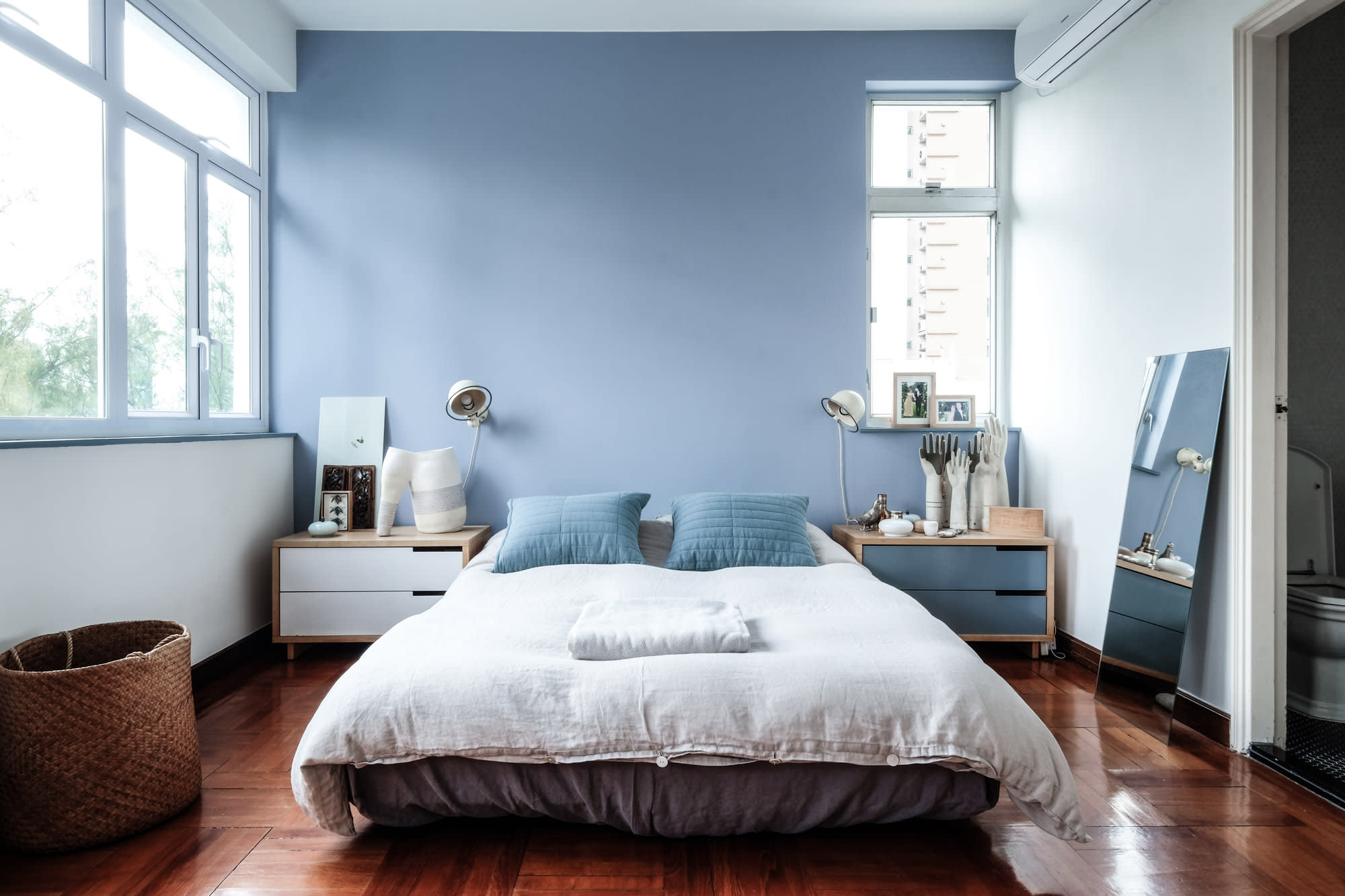
- Light Sky Blues: Light, airy, and refreshing. They can make a room feel expansive and evoke a sense of calm lightness, perfect for a tranquil haven.
- Muted Navy & Denim Blues: Deeper and more sophisticated than lighter blues. Muted navies create a cozy, enveloping feel, while denim blues offer a relaxed, lived-in comfort. They add drama without being overtly stimulating.
- Teals & Aqua: These blue-green blends bring a touch of tropical vibrancy while still maintaining a serene quality. Aqua is lighter and brighter, while teal is richer and often deeper. They can add a refreshing pop of color.
Calming Greens: Nature’s Tranquil Embrace
Like blue, green connects us to the natural world, fostering feelings of balance, harmony, and renewal. It’s a fantastic choice for those seeking a tranquil, earthy vibe in their bedroom.
- Sage & Dusty Greens: These soft, muted greens are incredibly soothing. They have a gray undertone that keeps them from feeling too bright or overwhelming, making them ideal for a restful retreat.
- Eucalyptus & Mint: Lighter and fresher than sage, eucalyptus and mint green offer a crisp, clean, and slightly invigorating feel. They’re excellent for a rejuvenating and airy bedroom.
- Deep Forest Greens: For a bolder, more luxurious feel, deep forest greens create an enveloping, sophisticated space. Best suited for larger rooms or as an accent wall to avoid feeling too dark in a small space.
Soft Warms: Gentle Energy and Cozy Comfort
While often advised against for bedrooms if too vibrant, certain soft warm tones can create an incredibly cozy and inviting atmosphere, fostering a sense of comfort and subtle energy without being overstimulating.
- Blush Pinks & Millennial Pinks: These delicate, muted pinks have a warm, sophisticated, and surprisingly neutral feel. They are comforting, gentle, and can add a touch of romance or softness to a room.
- Muted Terracottas & Warm Clay: Earthy and grounding, these softened reddish-brown tones can create a wonderfully cozy, global-inspired, and warm bedroom. They feel lived-in and natural, perfect for a comforting embrace.
Deep & Dramatic Tones: For a Bold, Intimate Retreat
Don’t shy away from darker colors! When used thoughtfully, deep hues can create an incredibly intimate, sophisticated, and cocoon-like bedroom, promoting deep rest and a luxurious feel.
- Charcoal Grays: A dark, rich gray can be incredibly elegant and grounding. It provides a striking backdrop for lighter furniture and art, creating a sophisticated and cozy cave-like feel.
- Deep Blues & Greens: Think rich navy, stormy blues, or deep emerald/forest green. These colors envelop the room, creating a powerful sense of calm and luxury. They can make a bedroom feel like a boutique hotel.
- Plum & Berry (as accent or statement wall): While perhaps too intense for all four walls, a deep, muted plum or berry tone on an accent wall can add a touch of rich color, romance, and drama without being overwhelming.
Your Step-by-Step Guide to Nailing Your Bedroom Color Choice
Ready to move from inspiration to action? Follow these steps to confidently choose your perfect bedroom paint color.
Step 1: Inspiration Gathering – Pinterest, Magazines, Real Life
Start broad. Scroll through Pinterest, flip through design magazines, or even take note of colors you love in hotels or friends’ homes. Don’t limit yourself to just walls; notice color palettes in fabrics, art, or even nature. Save everything that speaks to you. Look for patterns in the types of colors and moods you’re drawn to.
Step 2: Narrowing Down Your Top 3-5 Shades
Based on your inspiration and the factors we discussed (light, room size, existing decor), select 3-5 potential paint colors. Try to pick colors that are similar but have slightly different undertones or depths. This will help you see the nuances.
Step 3: The Crucial Step – Sampling, Sampling, Sampling!
This is where most people go wrong and why you MUST do it. Paint chips are tiny and misleading. What looks perfect on a small card in a brightly lit store will look entirely different on a large wall in your bedroom.
How to Sample Correctly:
:max_bytes(150000):strip_icc()/Haywoodmade-7_11_23-9-9862376265fd401f87ace8fc1c5f45b0.jpg "18 Bedroom Paint Colors That Will Turn Your Space Into a Haven")
- Buy Sample Pots: Invest in sample pots (usually small, inexpensive cans) of your top 3-5 choices.
- Paint Large Swatches: On each of your chosen walls (especially the ones with different light exposure), paint a large swatch (at least 2×2 feet). Paint two coats to get the true color. If you don’t want to paint directly on the wall, buy large white poster boards, paint them, and then tape them to your walls.
- Observe in Different Lights: Live with the samples for at least 24-48 hours. Observe how the colors change throughout the day: morning light, midday sun, cloudy day, evening light, and with your artificial lighting on. This is where you’ll see the undertones truly reveal themselves.
- Consider Adjacent Rooms: How does the color flow from your bedroom to a hallway or an adjoining bathroom? You don’t need perfect matching, but aim for a harmonious transition.
Step 4: Don’t Forget the Trim and Ceiling
While often an afterthought, trim and ceiling colors are critical. Crisp white trim provides a classic, clean frame for your wall color. However, you can also consider painting trim the same color as the walls (for a seamless, modern look) or a slightly lighter/darker shade of your wall color for subtle contrast. For ceilings, bright white is standard, but painting it a very pale version of your wall color or a soft, subtle neutral can create a cozy, enveloping feel, especially in larger rooms.
Step 5: Final Decision and Prep
Once you’ve sampled and observed, trust your gut. Which color makes you feel most at ease, most joyful, or most ready to relax? Make your final decision, then get ready to prep your walls! This involves cleaning, patching, sanding, and taping, which are crucial for a professional-looking finish.
Common Bedroom Paint Color Mistakes to Avoid
Learning from others’ mistakes can save you time, money, and frustration.
Ignoring Natural Light
We’ve said it before, but it bears repeating: this is the biggest culprit behind color disappointment. Never choose a color based solely on a small chip under artificial store lighting. Always test in your own space.
Forgetting About Furniture & Textiles
Your walls aren’t the only elements in the room. A beautiful paint color can be ruined if it clashes with your existing rug, curtains, or bed frame. Consider the room as a whole.
Not Sampling (The Mistake!)
Seriously, just do it. It’s a small investment that prevents a huge headache (and repainting costs).

Overlooking Sheen
A glossy finish in a bedroom can be harsh and uninviting. Stick to matte or eggshell for that soft, desirable look.
Chasing Trends Over Personal Preference
While it’s fun to look at trends, your bedroom is intensely personal. Choose a color that genuinely makes *you* feel happy and relaxed, not just one that’s currently popular. A timeless choice will serve you better in the long run.
Beyond the Walls: Harmonizing Your Bedroom Palette
Once your walls are painted, consider how other elements can enhance your chosen hue.
Accent Colors: Pillows, Throws, Art
Accent colors can add personality and depth. If your walls are a neutral gray, introduce soft blues, greens, or even a pop of blush in your throw pillows, a cozy blanket, or a piece of art. These smaller elements allow you to experiment with bolder colors without committing to a full wall.
Lighting Choices: Enhancing or Altering Color
The type of light bulbs you use (warm white vs. cool white) will further influence how your paint color appears. Incandescent or warm LED bulbs (around 2700K-3000K) enhance warm tones and create a cozy glow. Cooler LEDs (4000K+) can make colors appear crisper but might feel less inviting in a bedroom. Experiment to find what works best with your chosen paint.
Bringing in Texture: Wood, Linens, Metals
Texture is just as important as color in creating a rich, inviting space. Pair smooth painted walls with plush rugs, cozy linen bedding, warm wooden furniture, or metallic accents (brass, matte black, brushed nickel) to add depth and visual interest.
Final Thoughts: Sleep Soundly in Your Perfect Hue
Choosing the best paint color for your bedroom walls is an art and a science, but it doesn’t have to be intimidating. By understanding the psychology of color, evaluating your room’s unique characteristics, and diligently sampling your top choices, you’ll arrive at a decision you’ll love for years to come.
Your bedroom should be a place of comfort, peace, and rejuvenation. The right paint color is the powerful foundation for this personal oasis. Take your time, trust your instincts, and prepare to drift off into dreamland in a space that truly feels like you.