Good Paint Colors for Small Bedrooms: Your Ultimate Guide to Maximizing Style & Space
Feeling like your small bedroom is more of a shoebox than a sanctuary? You’re not alone. Many of us grapple with the challenge of creating a stylish, functional, and aesthetically pleasing haven in a compact footprint. But here’s the secret: paint is your most powerful, cost-effective tool to transform that cramped feeling into pure magic.
Forget the old “only white paint for small rooms” rule. While light colors certainly have their place, the truth is far more nuanced — and exciting! Whether you dream of an airy, expansive retreat or a cozy, “cocooning” hideaway, the right paint color can radically alter your small bedroom’s perception and mood. I’m here to show you how.
Let’s dive into the strategies, the specific colors, and the expert techniques that will help you unlock your small bedroom’s full potential, proving that even the snuggest spaces can be incredibly stylish.
The Psychology of Color in Small Spaces: More Than Just Aesthetics
Before we even pick up a brush, let’s understand why certain colors work their magic in small rooms. It’s not just about what looks pretty; it’s about how our brains perceive space, light, and emotion.
How Light Reflection Works in Small Rooms
This is foundational. In a small bedroom, especially one with limited natural light, lighter colors — think whites, off-whites, pale greys, and soft pastels — literally bounce light around the room. This reflection creates an optical illusion: the walls appear to recede, making the space feel more open and expansive. They act like a “visual extender,” pushing the boundaries outward.
Conversely, darker colors absorb light. While this might sound counterproductive for “making a room feel bigger,” it’s precisely why they’re brilliant for creating a sense of intimacy and blurring the true dimensions of the room, making it feel less like a box and more like a snug embrace.
The Illusion of Depth: Warm vs. Cool Colors
Color temperature plays a critical role. Cool colors — blues, greens, purples — tend to recede, making walls appear further away than they actually are. This is why a pale blue can feel so calming and expansive in a small space. Warm colors — reds, yellows, oranges — tend to advance, bringing walls visually closer. However, judicious use of warm tones can make a room feel incredibly cozy and inviting, rather than merely “smaller.” It’s all about saturation and tone.

Evoking Mood: Serenity vs. Energy
Beyond spatial perception, colors have a profound psychological impact. In a bedroom, where rest and rejuvenation are paramount, mood is everything. Do you want your small bedroom to feel:
- Serene and calming? Opt for cool, muted tones or soft, warm neutrals.
- Cozy and intimate? Embrace deeper, richer hues or earthy tones.
- Fresh and invigorating? Consider crisp whites with subtle colorful accents.
Your desired mood is a key driver in selecting the perfect palette.
Strategy 1: Making Your Small Bedroom Feel Larger & Brighter
If your primary goal is to visually expand your small bedroom and infuse it with light, this strategy is for you. We’re talking about colors that reflect, recede, and create a seamless, airy feel.
The Power of Light Neutrals & Whites
These are the classics for a reason. They excel at reflecting light and creating a sense of openness. But “white” isn’t just one color — it’s a spectrum!
- Off-Whites: These are white paints with a whisper of another color (grey, beige, yellow, pink). They offer the brightness of white without feeling stark. “White Dove” by Benjamin Moore, “Pure White” by Sherwin-Williams, or “Simply White” by Benjamin Moore are incredibly popular for their soft, inviting glow. They create a clean canvas that makes the room feel expansive and fresh.
- Pale Greys: Cooler and often more sophisticated than beige, pale greys are phenomenal for small rooms. “Classic Gray” by Benjamin Moore or “Agreeable Gray” by Sherwin-Williams offer just enough pigment to provide definition without absorbing light. They provide a modern, crisp backdrop that makes your space feel bigger and brighter.
- Soft Beiges & Greiges: For a warmer, cozier neutral that still opens up a space, look to soft beiges like “Swiss Coffee” by Benjamin Moore or “Neutral Ground” by Sherwin-Williams. Greiges (a blend of grey and beige) like “Revere Pewter” by Benjamin Moore offer the best of both worlds, providing warmth while maintaining a sense of spaciousness.
Why they work: They recede, reflect light, and create a seamless transition between walls, making it harder for the eye to pinpoint where the room ends.
Whispers of Color: Pastels & Muted Tones
You don’t have to stick to pure neutrals to make a room feel larger. Pastels and muted versions of colors can introduce personality while still maintaining an airy feel.
- Sky Blue: A classic choice for bedrooms. Light, airy blues like “Palladian Blue” by Benjamin Moore or “Sea Salt” by Sherwin-Williams evoke the sky and sea, creating a tranquil, expansive feel. They have a natural receding quality.
- Mint Green: A soft, muted green adds a touch of nature and freshness without overpowering. Think “Healing Aloe” by Benjamin Moore. It’s calming and can make a room feel like a breath of fresh air.
- Blush Pink: A very pale, dusty pink can add a soft, warm glow that’s incredibly inviting and surprisingly sophisticated. It reflects light beautifully and avoids feeling saccharine if chosen with a grey undertone.
- Pale Lavender: Light purple tones can be very soothing and elegant. They offer a touch of color that feels ethereal and can help create a serene, dreamlike atmosphere without shrinking the space.
Why they work: They add subtle character and warmth while retaining the light-reflecting qualities of lighter hues, preventing the room from feeling sterile.
:max_bytes(150000):strip_icc()/morgan-farrow-interiors-meander-blue-3f2c2bdd650f4b48845bc1f27c8d80ce.jpg "12 Paint Colors That Will Make Small Rooms Feel Bigger")
The Magic of Monochromatic Schemes
This technique is brilliant for small spaces. Instead of contrasting colors, you use various shades, tints, and tones of a single color. For example, painting the walls a light grey, using a slightly darker grey for textiles, and incorporating even deeper grey accents. This creates a cohesive, sophisticated look that makes the room feel unified and expansive, as there are no jarring breaks for the eye.
Strategy 2: Embracing Coziness & Creating a “Cocoon” Effect
Who says small has to mean open? Sometimes, a small bedroom’s greatest asset is its intimacy. By using deeper, more saturated colors, you can create a luxurious, enveloping “cocoon” that feels like a warm hug. This strategy is about embracing the smallness and making it a feature, not a flaw.
Dive into Darker Hues: Rich & Saturated Colors
This is where things get bold and incredibly stylish. Dark colors, when used thoughtfully, can make a small room feel grander, blurring the corners and creating an illusion of boundless space.
- Deep Blues: “Hale Navy” by Benjamin Moore or “Naval” by Sherwin-Williams are fantastic choices. Deep blues are inherently calming and sophisticated. In a small bedroom, they create an incredible depth and a sense of peaceful retreat. They make white trim pop beautifully.
- Forest Greens: Rich, earthy greens like “Card Room Green” by Farrow & Ball or a deep olive can be incredibly grounding. They bring the tranquility of nature indoors and create a serene, cocooning effect that feels both luxurious and organic.
- Charcoal Greys: A deep, smoky grey like “Gravel Gray” by Benjamin Moore or “Iron Ore” by Sherwin-Williams provides a dramatic backdrop. It’s modern, chic, and can feel incredibly sophisticated, especially when paired with warm woods and soft lighting.
- Plums & Burgundies: For a truly opulent and romantic feel, consider a deep plum or a rich burgundy. These colors are warm, inviting, and inherently luxurious, perfect for creating a dramatic and intimate bedroom.
Why they work: Dark colors absorb light and obscure the corners of the room, making the boundaries less defined. This creates an optical illusion of depth rather than expanse, transforming a small box into a sophisticated, intimate haven.
Warm & Earthy Tones for an Inviting Embrace
Beyond the dramatic darks, warm, earthy tones offer a softer version of the cocooning effect. They’re comforting, grounding, and inherently inviting.
- Terracotta & Rust: These rich, natural hues evoke warmth, sun, and an organic, artisanal feel. They can make a small bedroom feel incredibly cozy, lived-in, and full of character.
- Deep Taupes & Warm Greys: These are more saturated versions of greige, leaning into brown or bronze undertones. They offer sophisticated warmth and depth without being as stark as pure grey or as intense as a bold color.
- Olive Green: A muted, earthy olive green is incredibly versatile. It’s soothing, natural, and creates a subtle depth that feels comforting and grounded, pairing beautifully with natural wood tones.
Why they work: These colors add warmth and richness, wrapping the room in a comforting embrace. They feel natural and unpretentious, perfect for a cozy retreat.
Beyond Color: Essential Paint & Design Techniques for Small Bedrooms
Choosing the right color is half the battle. How you apply it, and what you pair it with, can amplify its effect exponentially.
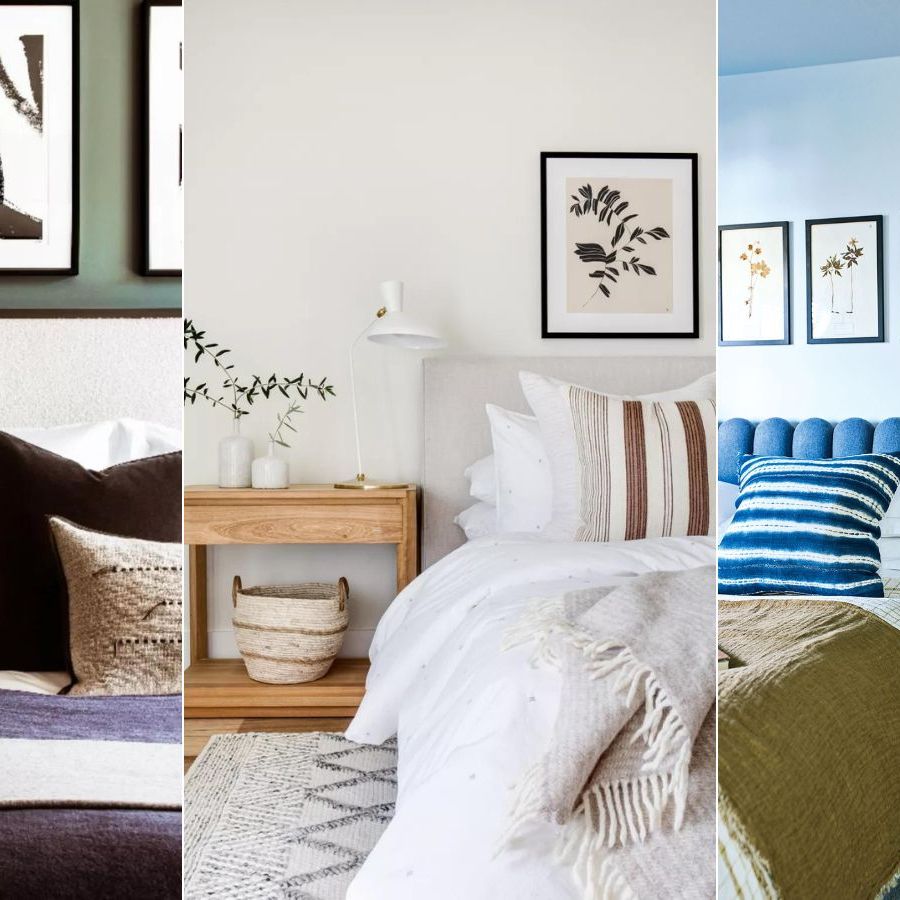
The Role of Paint Sheen: Matte, Eggshell, Satin
Don’t overlook sheen! It plays a crucial role in how light interacts with your walls and how your chosen color appears.
| Sheen Type | Appearance | Benefits for Small Rooms | Best Use in Small Bedrooms |
|---|---|---|---|
| Matte/Flat | No shine, velvety finish | Absorbs light, hides imperfections, creates a sophisticated, deep color appearance for dark hues; soft, subtle feel for light hues. | Walls, especially for dark “cocooning” colors or very soft, light neutrals. Ideal for hiding wall flaws. |
| Eggshell | Subtle, low sheen, like an eggshell | Slightly more reflective than matte, easy to clean, durable. Offers a soft glow without being too shiny. | Most versatile for walls. Good balance of durability, aesthetics, and light reflection for both light and dark colors. |
| Satin | Smooth, pearl-like luster | More reflective, very durable, easy to clean. Can enhance light reflection. | Trim, doors, and possibly ceilings (if you want more light bounce). Can be too shiny for all walls in a small space, emphasizing imperfections. |
For most small bedrooms, eggshell is a fantastic choice for walls as it balances a subtle sheen with durability. Matte can be beautiful for deeper colors, providing a sophisticated, light-absorbing finish that enhances the cocoon effect. Avoid high-gloss on all walls in small rooms, as it can be too reflective and highlight every imperfection.
Accent Walls: Strategic Impact in a Small Space
An accent wall in a small bedroom can be incredibly effective when used strategically. It allows you to introduce a bolder color or pattern without overwhelming the space. Choose the wall you want to draw attention to — usually the headboard wall. If you paint this wall a darker, more saturated color, it can create a focal point and add depth, making the room feel longer rather than wider. Keep the other walls lighter to maintain balance.
Ceiling Tricks: Painting the “Fifth Wall”
The ceiling is often overlooked, but it’s crucial in a small room.
- White Ceiling: The classic choice. A crisp white ceiling visually lifts the height of the room, making it feel taller and brighter.
- Same Color as Walls: Painting the ceiling the exact same color as the walls, especially with darker hues, can be transformative. It blurs the line where the walls end and the ceiling begins, creating an uninterrupted “envelope” that enhances the cocooning effect or a seamless, expansive feel. This is particularly effective for dark, intimate spaces.
- Slightly Lighter Tint: For a subtle effect, paint the ceiling a tint of your wall color — the wall color mixed with 25-50% white. This provides cohesion while still offering a gentle lift.
Trim & Door Colors: Creating Contrast or Seamlessness
- White Trim: Against darker walls, white trim creates a crisp, classic contrast that defines the architectural elements. Against light walls, it maintains a fresh, clean look.
- Matching Trim: Painting the trim the same color as the walls (even in a slightly different sheen for subtle definition) creates a seamless look. This is excellent for making a small room feel larger or for emphasizing the “cocoon” effect by removing visual breaks.
- Bold Door: Consider painting the interior side of your bedroom door a bold, contrasting color. It’s a small dose of drama that can add personality without overwhelming the room.
Lighting is Key: How to Maximize Natural & Artificial Light
Paint and light are inseparable. Even the “best” paint color will fall flat without adequate lighting.
- Maximize Natural Light: Keep windows unobstructed. Use sheer curtains or blinds that can be fully opened.
- Strategic Artificial Lighting: Incorporate multiple light sources — overhead, task (reading lights), and ambient (lamps). Dimmers are your best friend, allowing you to control the mood. Warmer light temperatures (around 2700K) are generally preferred for bedrooms as they promote relaxation.
Complementary Decor: Mirrors, Furniture, Textiles
Your paint color is the foundation, but decor builds the complete picture:
- Mirrors: Strategically placed mirrors are magic in small rooms. They reflect light and create the illusion of greater depth and space. A large mirror leaning against a wall can double the perceived size of the room.
- Furniture: Opt for multi-functional, scaled-down furniture. Pieces with legs (rather than solid bases) allow light and air to flow underneath, making the room feel less heavy and more open. Light-colored or transparent furniture (acrylic) can also help.
- Textiles: Use textiles (bedding, rugs, curtains) to introduce texture and complementary colors. Lighter, solid-colored bedding can maintain an airy feel, while rich, textured fabrics in darker rooms enhance the cozy, luxurious vibe.
Choosing YOUR Perfect Small Bedroom Paint Color: A Step-by-Step Guide
With so many options, how do you pick THE ONE for your space? It comes down to a few key considerations.
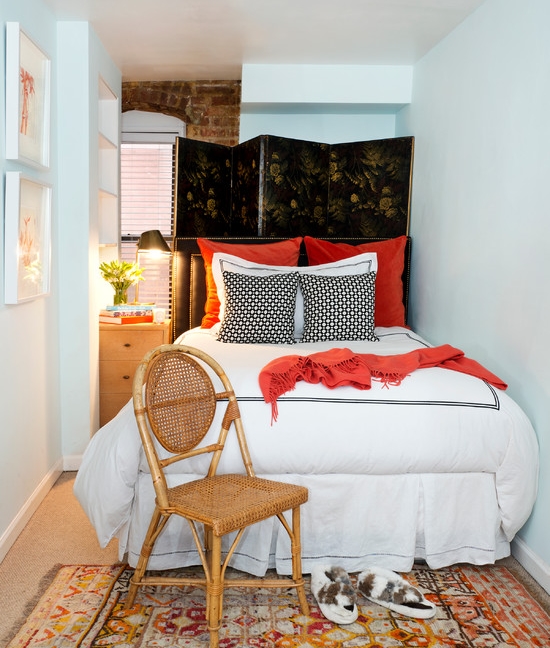
Assess Your Natural Light (North, South, East, West Facing)
This is arguably the most critical factor. The quality of natural light dramatically changes how a paint color appears throughout the day.
- North-Facing Rooms: Receive cooler, indirect light. Colors here can appear muted or shadowy. Combat this with warmer tones (creamy whites, soft yellows, warm greys) to add warmth, or embrace the coolness with crisp blues or greens.
- South-Facing Rooms: Bathed in warm, bright light all day. Almost any color works here! Cooler colors (blues, greens, cool greys) can temper the intensity, while warm colors will glow.
- East-Facing Rooms: Get bright, warm morning light, which turns cooler in the afternoon. Consider colors that look good in both — perhaps soft neutrals or gentle blues/greens that can handle both warm and cool light.
- West-Facing Rooms: Receive intense, warm afternoon light and can be quite dark in the morning. Choose colors that will shine in the evening, like rich, darker hues that come alive in the warm sunset glow, or bright whites that can handle the intensity.
Consider Your Existing Furniture & Decor
Unless you’re planning a complete overhaul, your paint color needs to harmonize with what’s already in the room. Take cues from:
- Bedding: Is it vibrant, neutral, patterned?
- Headboard/Bed Frame: Wood tone, upholstered fabric, metal?
- Other Furniture: Dressers, nightstands — what are their colors and finishes?
- Flooring: Carpet, wood, tile — this large surface impacts the room’s overall feel.
You want the paint to complement, not clash with, these existing elements.
Define Your Desired Mood & Style
Go back to the “Psychology of Color” section. What feeling do you want to evoke when you step into your bedroom? A serene sanctuary? A cozy haven? A chic and modern retreat? Let your desired mood guide your color choices.
| Strategy Goal | Typical Color Family | Psychological Effect | Best for |
|---|---|---|---|
| Increase Perceived Size & Brightness | Light Neutrals (whites, greys, beiges), Pastels, Muted Cool Tones | Open, airy, tranquil, clean, expansive, refreshing | Rooms with limited natural light, minimalist styles, those seeking a fresh & calm feel |
| Embrace Coziness & Intimacy | Deep Saturated Hues (navy, forest green, charcoal), Warm Earthy Tones (terracotta, deep taupe) | Enveloping, secure, sophisticated, dramatic, luxurious, inviting | Rooms you want to feel like a “cocoon,” bold design statements, maximizing warmth & comfort |
Sample, Sample, Sample! (Don’t skip this step)
This is non-negotiable! Paint swatches from the store are helpful, but they don’t show the true color in your space. Buy paint samples of your top 2-3 choices. Paint large (at least 2’x2’) squares on different walls in your bedroom, as the light will hit them differently. Observe them throughout the day — morning, afternoon, and evening, both with natural light and your artificial lights on. This will give you the most accurate representation of how the color will truly look in your unique small bedroom.
Don’t be afraid to try something different, and remember that even in a small bedroom, paint is an incredibly powerful tool for self-expression and creating the retreat you truly deserve. Happy painting!
Frequently Asked Questions
What is the absolute best paint color for a small bedroom?
There’s no single ‘best’ color, as it depends on your desired mood and light. For an expansive feel, light neutrals like off-whites (e.g., Benjamin Moore White Dove) or pale greys (e.g., Sherwin-Williams Agreeable Gray) are excellent. For a cozy, intimate ‘cocoon’ effect, deep blues (e.g., Benjamin Moore Hale Navy) or forest greens can be transformative.

Can I use dark colors in a small bedroom without making it feel smaller?
Absolutely! Dark colors can create a sophisticated, intimate, and dramatic ‘cocooning’ effect. By blurring the room’s boundaries, they can make a small space feel boundless and luxurious rather than cramped. Pair them with thoughtful lighting and decor for the best results.
Should I paint the ceiling the same color as the walls in a small bedroom?
It depends on the effect you want. Painting the ceiling a crisp white can make the room feel taller and brighter. However, painting the ceiling the same color as the walls (especially with darker hues) creates a seamless, enveloping effect that can make the room feel larger or more like a cozy cocoon by removing visual breaks.
What paint sheen is best for small bedrooms?
Eggshell is a highly versatile and popular choice for small bedroom walls, offering a subtle sheen that’s easy to clean and reflects light gently. Matte/flat finishes are excellent for deep, saturated colors to enhance their richness, or for a soft, velvety look with light colors. Avoid high-gloss on all walls, as it can be too reflective and highlight imperfections.
How do I test paint colors in a small space?
Always buy paint samples of your top choices. Paint large squares (at least 2’x2′) on different walls in your bedroom. Observe these samples throughout the day — morning, afternoon, and evening — under both natural and artificial light. This provides the most accurate view of how the color will truly appear in your unique space.
Are accent walls a good idea for small bedrooms?
Yes, when used strategically. An accent wall (often the headboard wall) can add depth and a focal point without overwhelming the room. Choosing a darker or bolder color for this wall while keeping others lighter can make the room feel longer and more dynamic.
What colors should I avoid in a small bedroom?
Avoid overly bright, highly saturated colors like neon or very intense primary reds/yellows, as they can feel overwhelming and visually shrink the space. Also, be cautious with heavily textured or patterned wallpapers on all walls, as they can make a small room feel busy and claustrophobic. Opt for muted, softer, or deeper tones instead.