The Ultimate Guide to Calming Blue Paint Colors for Your Bedroom: Design Your Sanctuary
Ever walked into a room and instantly felt a shift in your mood? The right paint color has that power, especially in your bedroom. If you’ve been dreaming of a sanctuary – a place where the day’s stress melts away and restful sleep comes easily – then you’re likely thinking about blue. And for good reason.
Blue is consistently rated as the most calming color, evoking feelings of peace, stability, and tranquility. But not all blues are created equal, especially when you’re aiming for that perfect serene vibe in your personal haven. Forget those sterile, cold blues or overly vibrant shades. We’re talking about the specific, nuanced blues that truly soothe your soul and prepare you for a night of deep, restorative sleep.
I’m here to guide you through the maze of calming blue paint colors, dissecting their undertones, ideal applications, and how to choose the one that transforms your bedroom into the ultimate retreat. Let’s dive in.
The Science of Serenity: Why Blue is Your Bedroom’s Best Friend
It’s not just a hunch; there’s real science behind why blue works wonders for our well-being, especially in a bedroom setting. Studies have shown that exposure to blue light, particularly in natural forms like the sky or ocean, can lower heart rate, reduce blood pressure, and even decrease feelings of anxiety. When translated to your walls, these calming effects are profound.
Think about it: the vastness of a clear sky, the steady rhythm of ocean waves. These are images universally associated with peace. Blue paint in your bedroom taps into these primal connections. It creates an environment that signals to your brain that it’s time to relax, unwind, and transition into sleep.
But the impact isn’t uniform. A light, airy blue can make a room feel expansive and uplifting, like a breath of fresh air. A deep, muted blue can wrap you in a cozy, protective embrace, perfect for creating an intimate, cave-like sleep space. Understanding these subtle differences is key to choosing your ultimate calming shade.
Choosing Your Perfect Calm: Factors to Consider Before You Paint
Before you fall in love with a swatch, let’s talk practicalities. The perfect blue isn’t just about the color itself; it’s about how it interacts with your specific space. Ignoring these factors is the quickest way to end up with a blue you regret.
Natural Light: How Light Changes Blue Throughout the Day
This is arguably the most crucial factor. Paint colors are chameleons, shifting dramatically based on the light they receive. A blue that looks gorgeous in a brightly lit showroom might appear completely different in your north-facing bedroom.
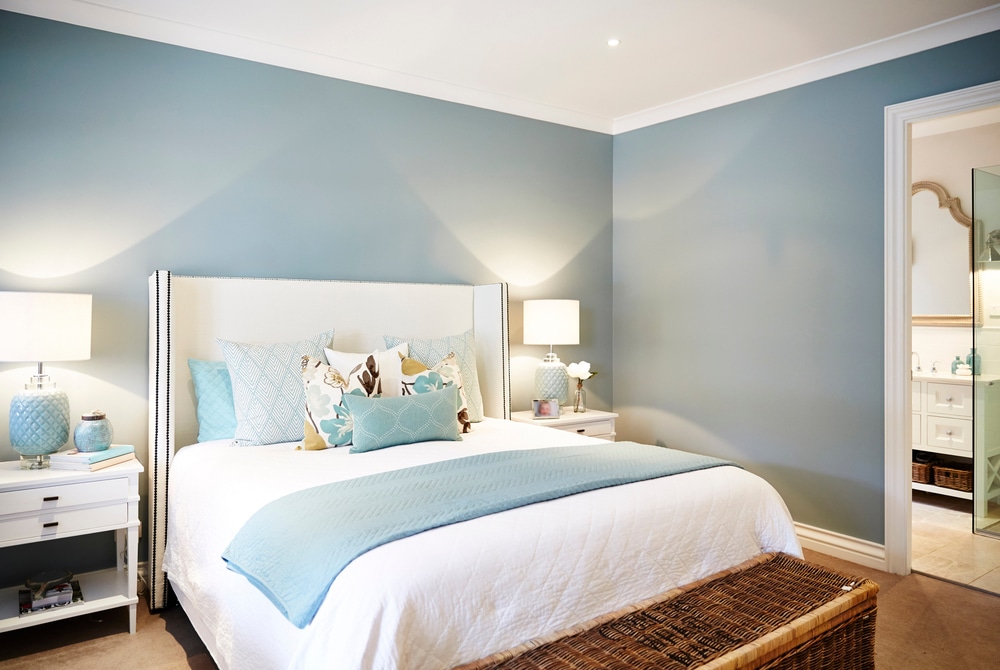
- North-facing rooms tend to have cooler, duller light. Warm blues (those with green or yellow undertones) can help counteract this coolness.
- South-facing rooms receive abundant, warm light. Most blues will look good here, but be mindful of anything too bright, which could become overwhelming.
- East-facing rooms get bright, warm morning light, which turns cooler and dimmer in the afternoon. A balanced blue will work well, appearing vibrant in the morning and calm later.
- West-facing rooms have cooler morning light and intense, warm afternoon/evening light. Blues with a touch of gray can handle this shift gracefully.
Always observe paint samples on different walls and at various times of day!
Room Size: Light Blues for Small Rooms, Deeper Blues for Larger Ones
The general rule is: lighter colors expand, darker colors contract. If you have a smaller bedroom, a soft, pale blue can make it feel more open and airy. It pushes the walls back visually, creating a sense of spaciousness. In a larger bedroom, you have more freedom. A deep, enveloping blue can make a big room feel more intimate and cozy, rather than cavernous.
Existing Decor & Furniture: Harmonizing with What You Already Have
Unless you’re planning a complete overhaul, your paint color needs to play nice with your existing furniture, bedding, and artwork. Consider the undertones in your wood furniture (warm oak vs. cool gray wash), the predominant colors in your textiles, and any accent pieces. A blue with gray undertones might harmonize beautifully with cool grays, while a bluer-green might pop against natural wood tones.
Desired Mood: Airy, Cozy, Sophisticated, Minimalist
What feeling do you want to evoke when you step into your bedroom? This is your most personal decision. Do you want:
- An airy, spa-like retreat? Lean towards pale, clear blues.
- A cozy, den-like sanctuary? Deep, muted blues are your friend.
- A sophisticated, elegant haven? Look for gray-blues or rich, classic navies.
- A minimalist, serene space? Soft, almost-white blues or barely-there grays with blue hints are perfect.
Paint Finish: Matte, Eggshell, Satin – Their Impact on Perception and Durability
The finish of your paint drastically affects how the color appears and how it holds up to daily life. For bedrooms, where durability is less of a concern than in high-traffic areas, you have more flexibility:
- Matte (Flat): Offers the least sheen, absorbs light, and hides imperfections well. It gives a sophisticated, velvety look that enhances the softness of calming blues. It’s not very washable, so best for adult bedrooms.
- Eggshell: A subtle, low sheen finish that’s more durable and washable than matte. A popular choice for bedrooms, offering a good balance of aesthetics and practicality.
- Satin: Has a slightly higher sheen than eggshell, making it more durable and easier to clean. While still appropriate for bedrooms, some might find its slight reflectivity less ‘calming’ than a matte or eggshell finish.
For a truly calming, soft aesthetic, I often recommend matte or eggshell finishes for bedroom walls.
Top Calming Blue Paint Colors for Bedrooms (With Expert Insights & Undertones)
Now for the fun part! While there are countless blue paints out there, I’ve curated a selection of tried-and-true calming blues from leading brands that consistently deliver that serene bedroom vibe. I’ll break them down by category to help you pinpoint your perfect match.
Light & Airy Blues: For an Open, Tranquil Feel
These blues are like a clear sky or a gentle ocean breeze – uplifting, expansive, and effortlessly peaceful. They work beautifully in smaller rooms or spaces that need a visual lift.
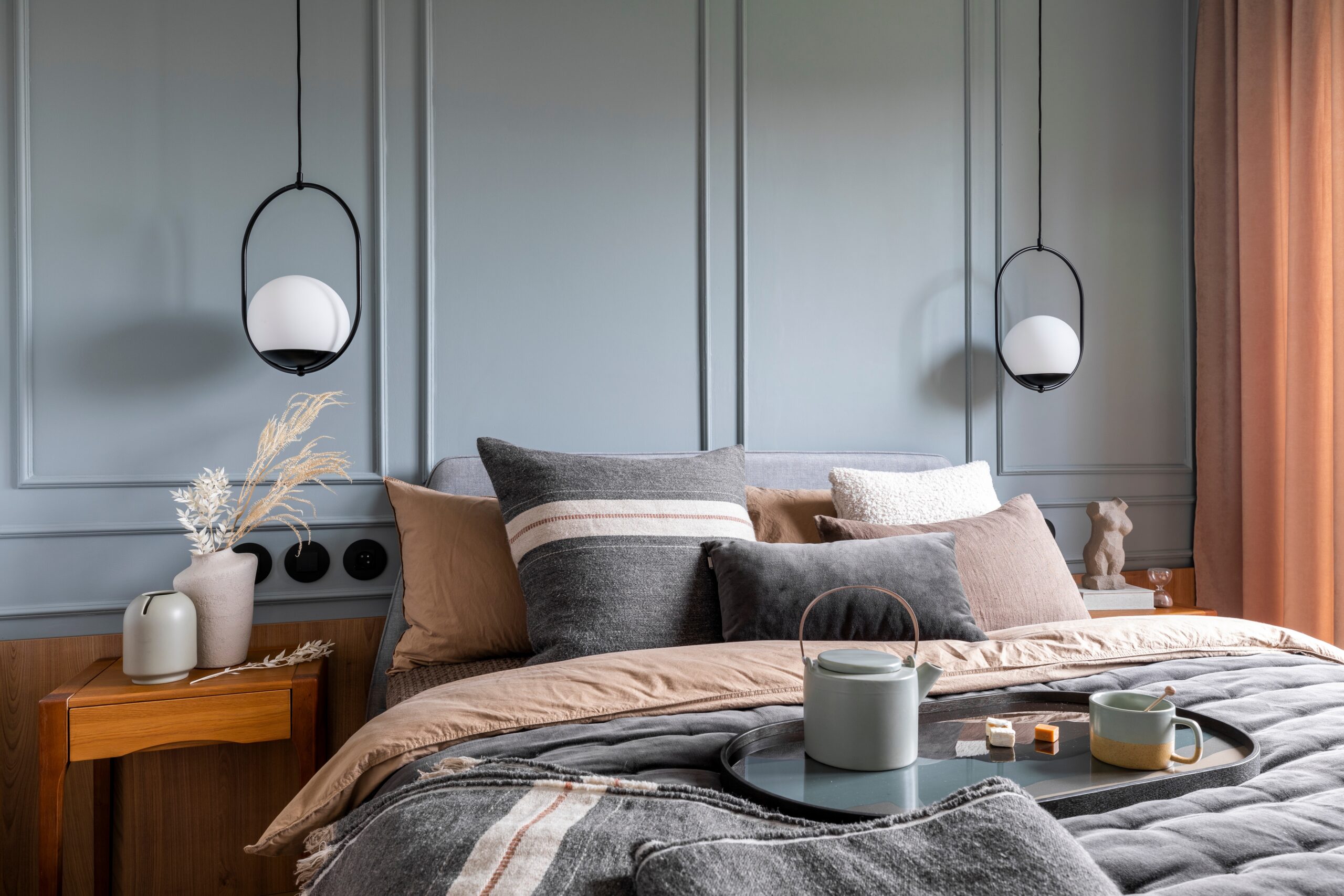
Benjamin Moore: Woodlawn Blue (HC-147)
- Characteristics: A beautifully balanced blue-green-gray. It’s not too childish, not too cold. It has enough green to feel organic and enough gray to feel sophisticated.
- Undertones: Noticeable green and gray undertones keep it from being too overtly blue.
- Mood Evoked: Serene, fresh, spa-like, tranquil.
- Best Use: Excellent for creating a coastal or nature-inspired retreat. Works well in rooms with medium to abundant natural light. Pairs beautifully with natural wood tones and crisp whites.
Sherwin-Williams: Dew Drop (SW 6766)
- Characteristics: A very soft, pale blue that leans towards a slight green, giving it a watercolor-like quality. It’s barely there, whisper-soft, and incredibly soothing.
- Undertones: Subtle green and gray.
- Mood Evoked: Dreamy, airy, delicate, peaceful.
- Best Use: Ideal for small bedrooms where you want to maximize the feeling of space and light. Great for creating a cloud-like atmosphere. Pairs well with light woods, whites, and creamy neutrals.
Farrow & Ball: Borrowed Light (No.235)
- Characteristics: A fresh, pale blue with a subtle hint of gray. It truly lives up to its name, reflecting natural light beautifully. It’s sophisticated and understated.
- Undertones: Soft gray and a touch of purple in certain lights, adding to its complexity.
- Mood Evoked: Ethereal, gentle, elegant, brightening.
- Best Use: Perfect for creating a sophisticated, light-filled bedroom. It works well in both traditional and contemporary settings. Enhances natural light and feels incredibly fresh.
Soft Gray-Blues: The Ultimate in Subtle Sophistication
When blue meets gray, magic happens. These shades offer the calming benefits of blue with the grounding sophistication of gray. They are incredibly versatile and rarely feel overwhelming.
Benjamin Moore: Gray Owl (OC-52)
- Characteristics: While technically a gray, Gray Owl has a prominent soft blue-green undertone that reveals itself beautifully on walls. It’s a wonderfully balanced, muted shade.
- Undertones: Blue and green (cooler) undertones are distinct, preventing it from ever looking flat.
- Mood Evoked: Calm, refined, understated, modern.
- Best Use: Excellent for those who want a hint of color without it being overtly ‘blue’. Works in almost any light condition and pairs well with both warm and cool decor palettes. A true chameleon.
Sherwin-Williams: Debonair (SW 9139)
- Characteristics: A medium blue that is perfectly balanced with gray undertones, making it feel rich but not overwhelming. It’s a classic choice that feels fresh and inviting.
- Undertones: Predominant gray undertones soften the blue beautifully.
- Mood Evoked: Serene, dignified, comforting, restful.
- Best Use: Fantastic for creating a serene, sophisticated bedroom. It has enough depth to make a statement but enough gray to keep it universally appealing. Great with white trim and dark wood furniture.
Clare Paint: Good Jeans
- Characteristics: A mid-tone blue that feels comfortable and familiar, like your favorite pair of jeans. It’s a muted, relaxed blue that has just enough depth to feel substantial.
- Undertones: Subtle gray undertones, making it feel soft and lived-in.
- Mood Evoked: Relaxed, casual, cozy, approachable.
- Best Use: Ideal for a bedroom that embraces a laid-back, modern aesthetic. It’s versatile enough for various decor styles, from Scandinavian to contemporary farmhouse.
Deep & Rich Blues: Creating a Cozy, Luxurious Retreat
Don’t shy away from darker blues! When used correctly, they can create the most incredibly cozy, intimate, and luxurious bedrooms. They wrap you in comfort, perfect for ultimate relaxation.
:strip_icc()/JetStream814-e85aa25624124da2a51aa16be0d25c8d.jpg "25 Calming Bedroom Paint Colors for a Restful Retreat")
Benjamin Moore: Hale Navy (HC-154)
- Characteristics: The iconic navy. It’s a deep, rich blue that exudes sophistication without feeling overwhelming. It’s incredibly popular for a reason – it works.
- Undertones: A touch of gray keeps it from being too primary, while subtle green undertones can emerge in certain lights, adding complexity.
- Mood Evoked: Sophisticated, cozy, dramatic, grounded, luxurious.
- Best Use: Excellent for larger bedrooms or as an accent wall in smaller spaces. Pairs beautifully with brass accents, crisp whites, and warm woods. Creates a high-end hotel feel.
Sherwin-Williams: Waterloo (SW 9141)
- Characteristics: A captivating deep blue with noticeable gray-green undertones. It’s less stark than some navies, offering a more muted, earthy depth.
- Undertones: Strong gray and green undertones.
- Mood Evoked: Moody, sophisticated, natural, enveloping.
- Best Use: Ideal for creating a calm, atmospheric bedroom that feels connected to nature. It looks stunning with warm wood tones, leather, and natural fibers. Perfect for a restful, deep sleep environment.
Farrow & Ball: Hague Blue (No.30)
- Characteristics: A strong, dark blue that is deeply pigmented and almost black in low light. It has a beautiful, timeless quality and an incredible depth.
- Undertones: Strong green undertones, giving it a somewhat teal or blackened green-blue appearance in some lights.
- Mood Evoked: Dramatic, elegant, intimate, historic, cozy.
- Best Use: Best in rooms that receive good natural light to truly appreciate its depth. Creates an incredibly intimate and sophisticated space. Pairs well with rich textures, brass, and traditional decor.
Teal & Aqua Blends: A Touch of Coastal Calm
These blues lean into the green spectrum, bringing to mind tropical waters and serene coastlines. They offer a refreshing take on calming blue.
Benjamin Moore: Aegean Teal (2136-40)
- Characteristics: Benjamin Moore’s Color of the Year 2021, and for good reason. It’s a gorgeous, deep blue-green with a comforting, warm undertone. It’s sophisticated yet inviting.
- Undertones: Significant green and a subtle gray, giving it a earthy, organic feel.
- Mood Evoked: Inviting, sophisticated, grounding, creative, tranquil.
- Best Use: Fantastic for creating a serene yet lively bedroom. Works well with natural materials, light wood, and creamy whites. Adds a touch of warmth while remaining decidedly calm.
Sherwin-Williams: Rainwashed (SW 6211)
- Characteristics: A light, fresh blue-green-gray that feels airy and clean. It’s often described as a soft aqua or seafoam, perfect for evoking a gentle coastal vibe.
- Undertones: Prominent green and gray undertones.
- Mood Evoked: Fresh, clean, coastal, soothing, uplifting.
- Best Use: Excellent for creating a light and airy bedroom, especially in spaces with good natural light. Pairs beautifully with whites, natural textures, and light wood furniture.
Comparison Table: Your Calming Blue Paint Cheat Sheet
To help you quickly compare some of my top recommendations, here’s a handy cheat sheet. Remember, colors can vary significantly on screens and in different lighting conditions, so always sample!
| Paint Color | Brand | Key Undertones | Mood Evoked | Ideal Room Type/Light |
|---|---|---|---|---|
| Woodlawn Blue (HC-147) | Benjamin Moore | Green, Gray | Serene, Spa-like | Medium to Abundant Light, Coastal/Nature themes |
| Dew Drop (SW 6766) | Sherwin-Williams | Green, Gray (very subtle) | Dreamy, Airy, Delicate | Smaller Rooms, Low Light, Cloud-like feel |
| Borrowed Light (No.235) | Farrow & Ball | Gray, hint of Purple | Ethereal, Elegant, Brightening | Light-filled rooms, Sophisticated aesthetics |
| Gray Owl (OC-52) | Benjamin Moore | Blue, Green (cool) | Refined, Modern, Understated | Versatile, any light, Modern/Transitional styles |
| Debonair (SW 9139) | Sherwin-Williams | Gray | Serene, Dignified, Comforting | Medium to Large Rooms, Sophisticated settings |
| Good Jeans | Clare Paint | Gray | Relaxed, Casual, Approachable | Modern, Laid-back styles, Versatile lighting |
| Hale Navy (HC-154) | Benjamin Moore | Gray, subtle Green | Sophisticated, Cozy, Luxurious | Larger Rooms, Accent Walls, High-end feel |
| Waterloo (SW 9141) | Sherwin-Williams | Gray, Green | Moody, Natural, Enveloping | Good natural light, Earthy/Organic themes |
| Hague Blue (No.30) | Farrow & Ball | Green (strong) | Dramatic, Elegant, Intimate | Good natural light, Traditional/Luxurious settings |
| Aegean Teal (2136-40) | Benjamin Moore | Green, Gray | Inviting, Sophisticated, Grounding | Versatile, natural materials, warm undertones |
| Rainwashed (SW 6211) | Sherwin-Williams | Green, Gray | Fresh, Clean, Coastal, Uplifting | Good natural light, Coastal/Spa themes |
Beyond the Walls: Complementary Colors & Decor to Enhance Serenity
Painting your walls is a big step, but it’s just one piece of the puzzle. To truly maximize the calming effect of your blue bedroom, you need to think about the other elements in the room. What you pair with blue can either amplify its serenity or detract from it.
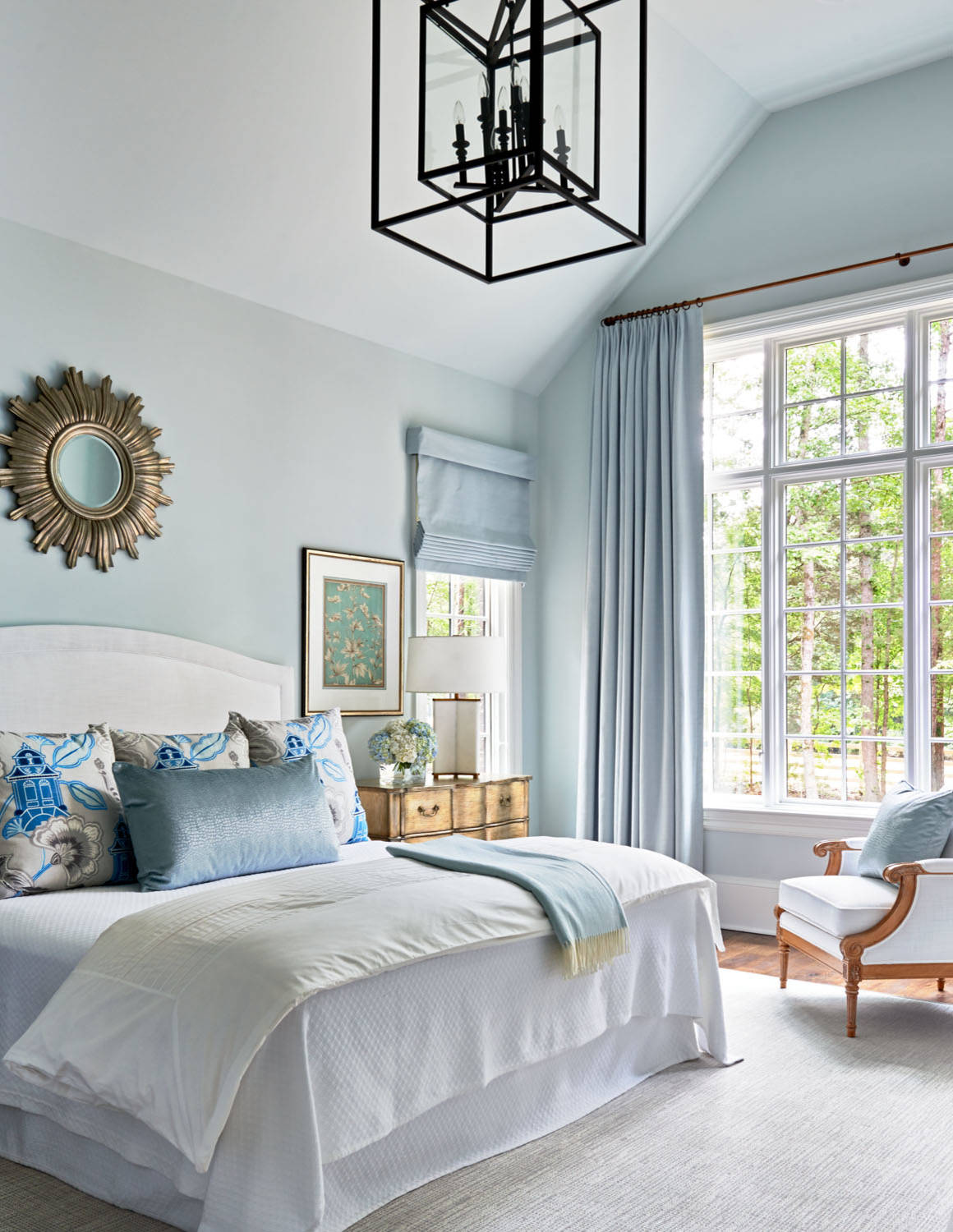
Neutrals: Whites, Creams, Grays
These are your safe bets and often the best companions for blue. They provide a crisp contrast or a soft blend, letting the blue shine without competition.
- Crisp Whites: Think bright white trim, bedding, or simple art frames. They provide a clean, fresh contrast that makes any blue pop and feel cleaner.
- Soft Creams & Off-Whites: These add warmth and softness, preventing the room from feeling too stark. Perfect with blues that have warmer undertones (like teal or green-blue) or to soften a deep navy.
- Gentle Grays: Especially light or medium grays, they can create a sophisticated, monochromatic look with gray-blues, or a cool, refined backdrop for brighter blues.
Earthy Tones: Tans, Light Browns, Subtle Greens
To ground your blue bedroom and connect it to nature, bring in elements from the earth.
- Warm Tans & Beiges: Natural wood tones, linen bedding, jute rugs – these organic elements provide warmth and texture, making the blue feel more inviting and less cold.
- Subtle Greens: Houseplants are a must! They add life and natural color. Beyond that, consider a muted sage or olive green accent in pillows or throws for a truly harmonious, nature-inspired palette.
Metallic Accents: Silver, Brass for Understated Elegance
A little sparkle goes a long way. Metallics can add a touch of luxury and sophistication without disrupting the calm.
- Brushed Silvers & Chromes: Great for cool blues, offering a sleek, modern touch in lamp bases or curtain rods.
- Warm Brasses & Coppers: Ideal with deeper blues or those with green undertones, adding a cozy, rich glow that feels incredibly inviting.
Textures: Soft Fabrics, Natural Wood, Calming Patterns
Texture adds depth and comfort. Think about how materials feel to the touch.
- Soft Fabrics: Linen, cotton, cashmere, velvet – layer your bedding, throw blankets, and curtains with tactile fabrics for ultimate coziness.
- Natural Wood: A beautiful headboard, nightstands, or even a decorative wooden bowl can ground the room and add organic warmth.
- Calming Patterns: Keep patterns subtle and organic. Think gentle stripes, abstract watercolor designs, or simple botanical prints. Avoid anything too busy or high-contrast.
Lighting: Warm, Dimmable Lights for Evening
The right lighting is paramount for creating a calming bedroom. No matter how perfect your blue walls are, harsh overhead lights will ruin the mood.
- Warm White Bulbs: Opt for light bulbs with a color temperature around 2700K-3000K (warm white) for a cozy, inviting glow.
- Dimmers: Install dimmers on all overhead and lamp lighting. The ability to adjust brightness is crucial for winding down.
- Layered Lighting: Combine ambient overhead lighting with task lighting (bedside lamps for reading) and accent lighting (a small lamp on a dresser) to create soft pools of light.
Pro Tips for Painting Your Peaceful Bedroom
Ready to roll up your sleeves? Here are a few insider tips to ensure your painting project goes smoothly and yields the calm, beautiful bedroom you’re dreaming of.
Sampling is Non-Negotiable: How to Test Colors Effectively
I cannot stress this enough: DO NOT buy gallons of paint based on a small chip or what you see online. Get sample pots! Paint large swatches (at least 2’x2′) directly on your walls, or on large white poster boards you can move around the room. Observe them:
- In natural daylight and at night under artificial light.
- On different walls (especially those receiving different light exposures).
- Next to your existing furniture, flooring, and window treatments.
Live with the samples for a few days. See how they make you feel. This step will save you from costly mistakes and ensure you pick the absolute best blue for your sanctuary.
:strip_icc()/MappedBlue-477efc10ca4b458ea24a8aeeeb144e17.jpg "25 Calming Bedroom Paint Colors for a Restful Retreat")
Primer Matters: Ensuring True Color and Durability
A good primer isn’t just for covering dark walls; it’s essential for achieving the true, intended color of your new blue paint. Primer provides a consistent, neutral base that allows the topcoat to adhere properly and appear as it should. It also helps with durability and a smoother finish. If you’re painting over a dark color or uneven walls, don’t skip this step!
Quality Paint: Investment in Finish and VOCs
Your bedroom is where you spend a significant portion of your life. Investing in high-quality paint pays off. Premium paints offer better coverage (meaning fewer coats), richer color depth, and a more durable, even finish. Beyond aesthetics, look for low or zero-VOC (Volatile Organic Compound) paints. These options significantly reduce the release of harmful chemicals into your home’s air, contributing to a healthier sleep environment. Brands like Benjamin Moore, Sherwin-Williams, and Farrow & Ball offer excellent low-VOC options.
DIY vs. Pro: When to Call in the Experts
Painting a bedroom can be a rewarding DIY project, especially if you have good prep skills and patience. However, if your room has high ceilings, intricate trim work, or if you simply lack the time or confidence, hiring a professional painter is a wise investment. They’ll ensure a flawless finish, save you time, and you can focus on the exciting part: decorating your newly painted, calming blue bedroom.
Conclusion: Your Blue Bedroom Awaits
Transforming your bedroom into a sanctuary of calm and comfort is one of the best investments you can make in your well-being. And as we’ve explored, the right shade of blue holds the key to unlocking that profound sense of peace. From the light, ethereal whispers of Borrowed Light to the deep, embracing hug of Hale Navy, there’s a calming blue out there perfectly suited to your personal style and the unique character of your home.
Take your time, trust your instincts, and most importantly, enjoy the process of creating a space that nurtures you. Your journey to a more restful night’s sleep and a more serene awakening begins with a single brushstroke. Happy painting!
Frequently Asked Questions
What shade of blue is best for a relaxing bedroom?
The most relaxing shades of blue for a bedroom often have subtle gray or green undertones. Think soft sky blues, muted dusty blues, or deep, rich navy blues. Colors like Benjamin Moore’s Woodlawn Blue, Sherwin-Williams’ Debonair, or Farrow & Ball’s Hague Blue are excellent choices known for their calming effects. Avoid overly bright or primary blues, which can be too stimulating.
Should I use light or dark blue in a small bedroom?
For a small bedroom, light blue shades are generally recommended as they make the room feel more expansive and airy. Pale blues like Sherwin-Williams’ Dew Drop or Farrow & Ball’s Borrowed Light can visually push back the walls. However, if you desire a truly cozy and intimate ‘cocoon-like’ feel, a deep, muted navy can also work, but be mindful of balancing it with plenty of light-colored textiles and decor to prevent it from feeling too heavy.
What colors go well with blue bedroom walls?
Blue bedroom walls pair beautifully with a range of complementary colors. Neutrals like crisp whites, soft creams, and gentle grays always work well, providing balance and sophistication. For warmth and an organic feel, consider natural wood tones, tan, beige, or subtle green accents (like houseplants or muted sage). Metallic accents in silver or brass can add a touch of elegance.
How does lighting affect blue paint colors in a bedroom?
Lighting significantly impacts how blue paint appears. Natural light from different directions (north, south, east, west) can bring out different undertones, making a blue appear cooler, warmer, or more muted throughout the day. Artificial lighting, especially warm white bulbs (2700K-3000K), can soften blues and enhance their cozy appeal. Always test paint samples on your walls and observe them in various lighting conditions before making a final decision.
Is blue paint good for sleep?
Yes, blue paint is widely considered excellent for sleep. The color blue is scientifically linked to feelings of calm, peace, and stability. It has been shown to lower heart rate and blood pressure, promoting a relaxed state conducive to falling asleep and experiencing restful sleep. Soft, muted, or deep blue tones are particularly effective in creating a serene environment that signals to your brain that it’s time to unwind.
What paint finish is best for a bedroom?
For bedrooms, I typically recommend a matte (flat) or eggshell finish. Matte finishes absorb light, hide imperfections well, and give a sophisticated, velvety look that enhances the softness of calming blues. Eggshell offers a slightly subtle sheen, is more durable and washable than matte, and is a popular choice for its balance of aesthetics and practicality. Avoid high-gloss finishes, which can be too reflective and less calming for a bedroom.
How can I test blue paint colors before committing?
To effectively test blue paint colors, purchase sample pots of your top choices. Paint large swatches (at least 2’x2′) directly onto different walls in your bedroom, or on large white poster boards that you can move around. Observe these samples over several days, noting how they look in natural light (morning, noon, evening) and under your bedroom’s artificial lighting. See how they interact with your furniture and flooring, and choose the one that truly evokes a sense of calm for you.