The Definitive Guide to Choosing the Perfect Gray Paint Color for Your Bedroom
Staring at a sea of gray paint swatches, feeling overwhelmed? You’re not alone. Choosing the ‘right’ gray for your bedroom can feel like finding a needle in a haystack. Is it too cold? Too warm? Will it look blue at night or green in the morning? Your bedroom is your sanctuary, and the paint color sets the entire mood. Getting it wrong means a restless night or a constant urge to repaint.
Forget the generic lists of ‘popular grays.’ This isn’t about what’s trending; it’s about what works for *your* unique bedroom. I’m going to cut through the noise and show you exactly how to select a gray that transforms your space into the tranquil, stylish haven you deserve, no second-guessing required.
Why Gray is the Ultimate Bedroom Hue (When Chosen Right)
Gray has a bad rap sometimes, unfairly accused of being boring or cold. But when it’s the right gray, it’s anything but. Gray offers an unparalleled blend of sophistication, versatility, and serenity that few other colors can match, especially for a bedroom. It acts as a grounding neutral, allowing other elements in your room – your bedding, art, and furniture – to truly shine. It can evoke feelings of calm, elegance, and modern tranquility, creating an ideal backdrop for rest and rejuvenation. The key, however, lies in understanding its nuanced world.
Decoding Gray: Understanding Undertones is Your Secret Weapon
Here’s the truth: no gray is ever ‘just gray.’ Every single gray paint color has an underlying tint, an ‘undertone,’ that dramatically influences how it appears in your room. Ignoring these undertones is the mistake people make when choosing gray. For a bedroom, where mood is paramount, understanding these subtle shifts is your secret weapon to avoiding a ‘muddy’ or ‘too cold’ surprise.
Cool Grays: The Serene and Modern Vibe
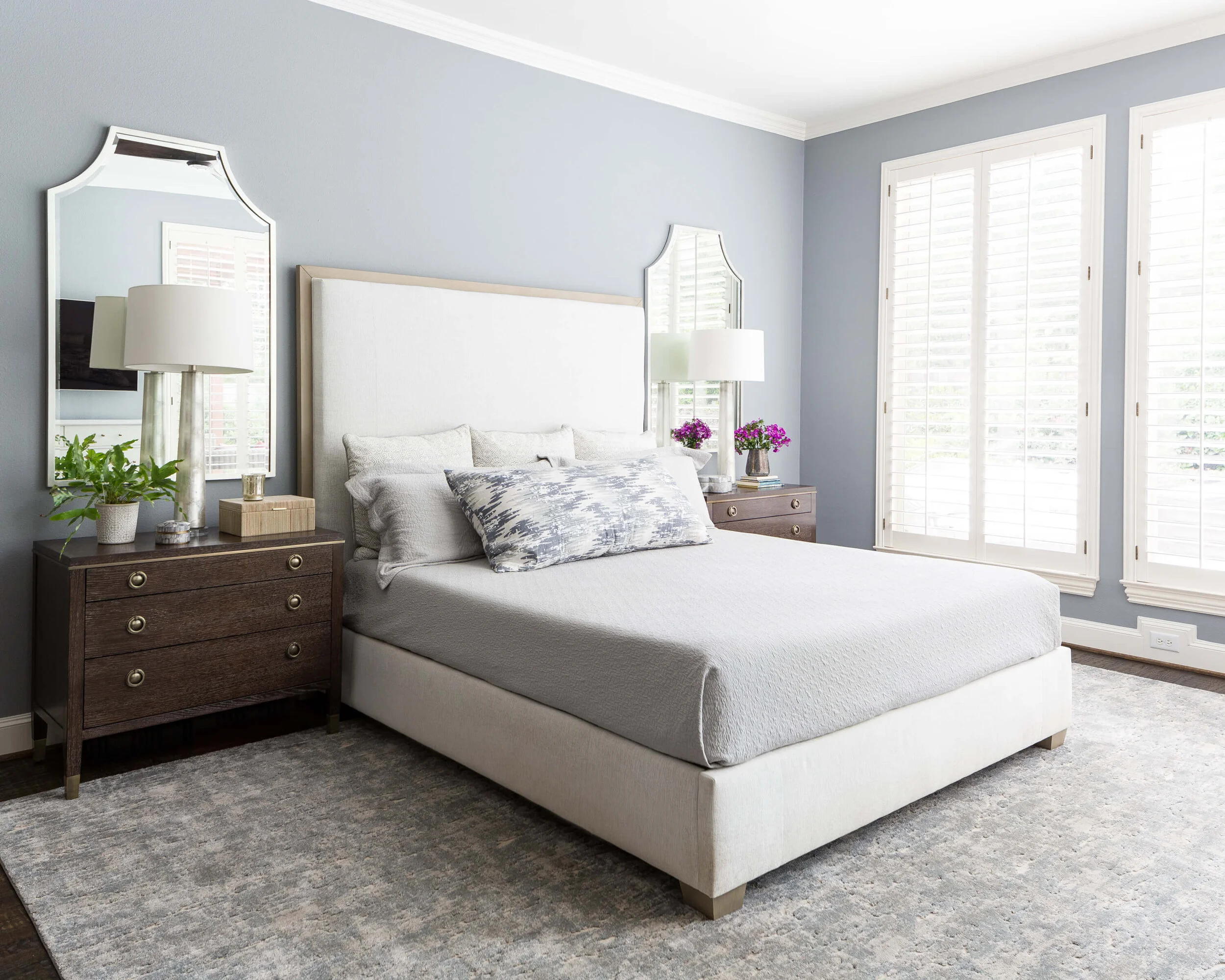
Cool grays lean towards blue, purple, or green. They can make a room feel expansive, crisp, and incredibly serene. Perfect for a modern aesthetic or if you crave a truly calming, almost spa-like atmosphere.
- Blue Undertones: Think of a misty morning sky. These grays are often perceived as sophisticated and genuinely calming. They pair beautifully with crisp whites, deep blues, and even warm wood tones to prevent the space from feeling sterile. They create a very peaceful, airy feel.
- Purple Undertones: These are the chameleon grays. They often appear as a ‘true’ gray until the light shifts, revealing a subtle hint of lavender or violet. They add a layer of understated elegance and complexity, feeling less stark than blue-grays but still distinctly cool. They can be incredibly romantic and unique.
- Green Undertones: Earthy and muted, green-grays can bring a quiet tranquility reminiscent of natural stone or moss. They’re excellent for creating a grounded, organic feel. Be cautious, though; some green-grays can lean a bit ‘khaki’ or ‘muddy’ in certain lights, so always swatch extensively.
Warm Grays (Greiges): The Cozy Embrace
If ‘cozy’ and ‘inviting’ are higher on your bedroom priority list, warm grays are your answer. Often called ‘greiges’ (gray + beige), these colors have definite brown or beige undertones that infuse them with comforting warmth.
- Beige/Brown Undertones: These grays are the ultimate neutral for creating a cozy, welcoming bedroom. They bridge the gap between cool grays and traditional beige, offering the sophistication of gray without any hint of coldness. Greiges are incredibly versatile, working well with almost any decor style, from farmhouse to contemporary. They’re grounding, inviting, and make a room feel instantly more lived-in and comfortable.
True Grays: The Neutral Canvas
These are the closest you’ll get to a pure gray, with minimal discernible undertones. While truly neutral, they can sometimes be perceived as ‘stark’ or ‘flat’ without careful pairing. They are a clean slate but often require more deliberate choices in furniture, textiles, and lighting to add warmth and personality, especially in a bedroom.
Lighting is Everything: How Natural Light Transforms Gray in Your Bedroom
The direction of natural light entering your bedroom is arguably the single most important factor in how your chosen gray paint will appear. Light dictates whether a gray feels inviting or icy, vibrant or dull. What looks perfect in a showroom might be a disaster in your own room. Understanding how light interacts with gray’s undertones is non-negotiable for a successful bedroom scheme.
North-Facing Bedrooms: Embrace the Cool, Add Warmth
North-facing rooms receive cool, indirect light throughout the day. This light tends to bring out blue or purple undertones in grays, making them appear even cooler, sometimes stark or shadowy.
- Strategy: To counteract the inherent coolness, opt for grays with strong warm (beige/brown) undertones, i.e., greiges. These will absorb some of the cool light, creating a balanced, cozy feel. If you prefer a cool gray, choose one with a slight green undertone, or plan to introduce plenty of warm textures (wood, linen, rich fabrics) and warm lighting to prevent the room from feeling chilly.
South-Facing Bedrooms: Enjoy the Brightness, Control the Warmth
Lucky you! South-facing rooms are bathed in abundant, warm, golden light throughout the day. This bright light can make even cool grays appear warmer, and warm grays can feel incredibly inviting, sometimes even a bit yellow or beige.
- Strategy: You have more flexibility here. If you want a truly cool gray, a gray with blue or subtle green undertones will look stunning and fresh. If you prefer a warm gray, choose one that isn’t too saturated with beige, or it might lose its ‘gray’ identity entirely. Balanced grays (with very subtle undertones) also perform beautifully, allowing their true character to emerge.
East-Facing Bedrooms: Morning Serenity, Evening Depth
East-facing rooms get bright, warm, yellow-toned light in the morning, which quickly shifts to cooler, shadier light by afternoon. This means your gray paint will look different depending on when you’re in the room.
- Strategy: Consider grays that can handle both warm and cool light shifts. Grays with subtle green or blue undertones can feel invigorating in the morning light and comfortably muted in the afternoon. Greiges also perform well, offering warmth in the cooler afternoon light without being overpowering in the morning sun. Avoid anything too cold, as it might feel stark by evening.
West-Facing Bedrooms: Sunset Drama, Morning Subtlety
West-facing rooms receive cooler, dimmer light in the mornings, then transform with intense, warm, often orange-toned light in the late afternoon and evening. This is another chameleon room where your gray choice needs to be adaptable.
:max_bytes(150000):strip_icc()/Gibbs-Ave-134-9b2a24f2bc9448d7800258c65c193aa2.jpeg "40 Blue-Gray Paint Colors to Inspire Your Next Reno")
- Strategy: Grays with balanced undertones, or those with a hint of green or blue, can be beautiful here. They’ll appear crisp in the morning and take on a soft warmth from the afternoon sun. Warm grays (greiges) can feel incredibly cozy in the morning and then glow beautifully with the sunset light. Be cautious with overly warm grays, as the intense afternoon sun can make them appear too yellow or orange.
Our Top Picks: Tried-and-True Gray Paint Colors for Bedrooms
Now that you’re armed with the knowledge of undertones and lighting, let’s talk specifics. These grays are consistently praised by designers and homeowners alike for their versatility and beauty in bedroom settings. Remember to swatch them in your own home!
Benjamin Moore’s Best Grays for Bedrooms
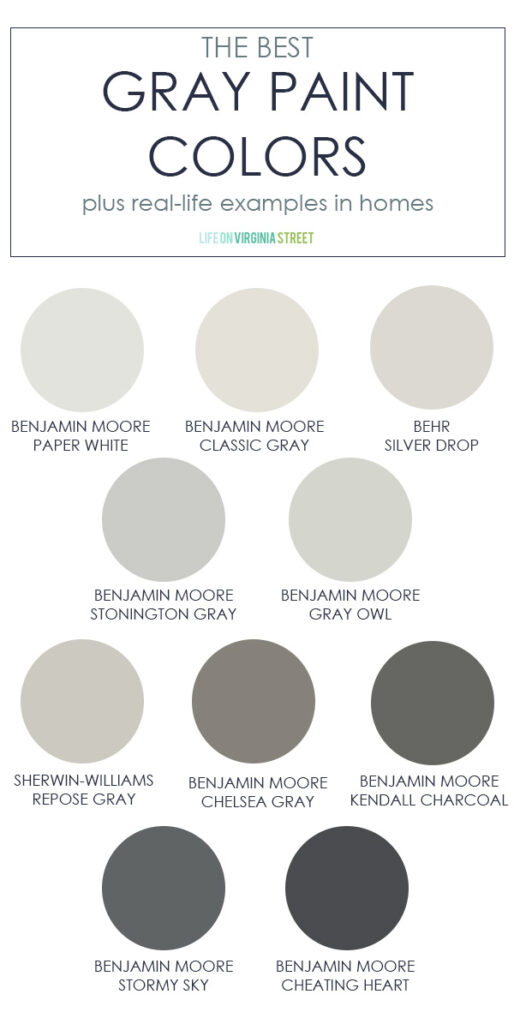
- Classic Gray OC-23: Don’t let the name fool you; this is a very light, delicate greige. It’s almost white in some lights, with just enough warmth to keep it from feeling cold. Perfect for a bright, airy bedroom that still needs a touch of grounding. It’s incredibly versatile and adapts beautifully to different lighting conditions.
- Stonington Gray HC-170: A beautiful, mid-tone gray with a very subtle blue undertone. It’s crisp, clean, and classic without being overly cool. Stonington Gray offers sophistication and serenity, making it ideal for a contemporary or traditional bedroom seeking a calming, refined atmosphere. It performs well in south-facing rooms.
- Edgecomb Gray HC-173: A superstar greige. This is a warm, inviting gray with pronounced beige undertones, making it exceptionally cozy and welcoming. It’s a fantastic choice for north-facing bedrooms or any space where you want to ensure warmth and comfort. It pairs wonderfully with natural wood tones and creamy whites.
- Silver Satin OC-26: A whisper of a gray, this is a very light, almost off-white with cool, subtle undertones. It’s airy and fresh, perfect for smaller bedrooms or those seeking a minimalist, modern aesthetic that still has more depth than pure white. It’s luminous and delicate.
- Revere Pewter HC-172: An iconic medium-depth greige. Revere Pewter is incredibly popular for a reason – it strikes a near-perfect balance between gray and beige, offering substantial warmth and sophisticated neutrality. It’s a chameleon, often appearing more gray in cooler light and more beige in warmer light, always maintaining a cozy, elegant feel.
Sherwin-Williams’ Favorite Grays for Bedrooms
- Agreeable Gray SW 7029: Living up to its name, Agreeable Gray is one of Sherwin-Williams’ best-selling colors. It’s a soft, warm greige that’s incredibly versatile and plays well with almost any decor style. It has just enough beige to feel warm and inviting, making it a safe and beautiful choice for any bedroom, especially those needing a bit of cozy warmth.
- Repose Gray SW 7015: A slightly cooler greige than Agreeable Gray, Repose Gray still offers plenty of warmth but with a more noticeable gray presence and subtle violet/green undertones. It’s a sophisticated mid-tone that avoids feeling cold, making it fantastic for bedrooms that want a touch more traditional ‘gray’ without sacrificing comfort.
- Light French Gray SW 0055: This is a fantastic true, balanced gray. It’s a mid-tone with minimal discernable undertones, making it a very clean, crisp option. It’s classic and elegant, offering a solid neutral backdrop without leaning too warm or too cool. Great for a bedroom wanting a timeless, sophisticated look.
- Dorian Gray SW 7017: A richer, medium-dark warm gray. Dorian Gray has definite brown undertones that give it depth and coziness, making it feel luxurious and grounding without being overwhelmingly dark. It’s a wonderful choice for creating a moody, sophisticated bedroom retreat, especially when paired with light trim and layered textures.
- Mindful Gray SW 7016: Sitting between Repose Gray and Dorian Gray in terms of depth and warmth, Mindful Gray is a beautiful mid-tone greige. It’s a very livable gray, offering a perfect balance of warmth and coolness, adapting well to various lighting conditions and decor styles. It’s inviting and serene.
Beyond the Walls: Decorating Your Gray Bedroom Sanctuary
Once your gray walls are perfected, the magic really happens in how you furnish and accessorize your bedroom. Gray is a phenomenal base, allowing you to infuse personality and warmth through other elements. Think of your walls as the serene canvas.
Pairing Colors: Creating Harmony or Contrast
- Crisp Whites & Creams: The classic pairing. White trim and bedding will make any gray pop and feel fresh. Creams add a softer, more traditional warmth.
- Blues & Greens: For a truly calming space, pair cool grays with dusty blues or sage greens. These analogous colors create a harmonious, nature-inspired palette.
- Blush Pinks & Lavenders: Introduce a touch of romance and softness. These delicate hues beautifully complement both warm and cool grays, adding a gentle contrast.
- Mustard & Ochre: For a bolder, more contemporary statement, unexpected pops of mustard yellow or deep ochre can bring warmth and energy to a gray room without overwhelming it.
- Metallics (Gold, Silver, Copper): Gold adds warmth and luxury, silver enhances cool sophistication, and copper brings an earthy, modern gleam. Use them in lighting, frames, or decorative objects.
Textures and Materials: Adding Depth and Warmth
Gray can sometimes feel flat if not balanced with rich textures. This is where your bedroom truly comes alive.
- Natural Wood: Whether it’s a rustic headboard, a mid-century modern dresser, or simply wood flooring, wood tones instantly inject warmth and organic beauty.
- Linen & Cotton: Soft, breathable fabrics for bedding and curtains create an inviting, relaxed feel.
- Wool & Faux Fur: Throws and rugs in these materials are perfect for adding luxurious comfort, especially with cooler grays.
- Velvet: A velvet accent pillow or upholstered bench can add a touch of sophisticated drama and tactile richness.
- Knits & Wovens: Chunky knit blankets or textured baskets provide visual interest and coziness.
Furniture & Accents: Making Your Gray Pop
Your furniture and smaller decor items are opportunities to underscore your chosen gray’s mood.
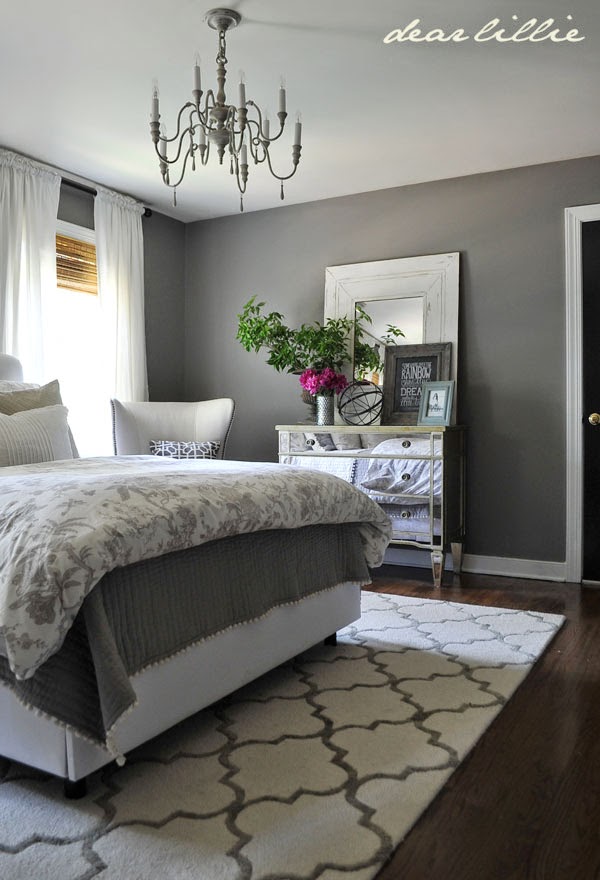
- Dark Wood Furniture: Creates a grounded, classic, and sophisticated look against lighter grays.
- Light Wood or White Furniture: Enhances an airy, modern, or Scandinavian aesthetic.
- Painted Furniture: Consider a bold color for a nightstand or dresser to create a focal point.
- Artwork: Choose pieces with colors that either complement (blues, greens) or contrast (pinks, yellows) your gray walls to add visual interest.
- Plants: Greenery adds life, freshness, and a natural element that softens any gray palette.
The “Gray Paint Personality” Table: Quick Reference for Your Bedroom
To help you visualize and compare some of our top picks, here’s a handy reference table. The Light Reflectance Value (LRV) indicates how much light a color reflects; higher numbers mean lighter colors. Think of the “Best For Bedroom Type” as the overall mood it helps create.
| Paint Name | Brand | Undertone | LRV | Best For Bedroom Type | Ideal Pairing Suggestions |
|---|---|---|---|---|---|
| Classic Gray OC-23 | Benjamin Moore | Subtle Greige/Warm | 75.02 | Light, Airy, Soft Modern | White trim, light wood, soft blues |
| Stonington Gray HC-170 | Benjamin Moore | Cool (Blue/Green) | 59.79 | Crisp, Sophisticated, Serene | White, deep blue, natural textures |
| Edgecomb Gray HC-173 | Benjamin Moore | Warm Greige (Beige) | 63.88 | Cozy, Inviting, Versatile | Cream, dark wood, blush pinks |
| Revere Pewter HC-172 | Benjamin Moore | Medium Greige | 55.51 | Classic, Elegant, Grounding | Warm whites, rich fabrics, metallics |
| Agreeable Gray SW 7029 | Sherwin-Williams | Warm Greige | 60 | Universally Appealing, Cozy | Any color, especially blues & greens |
| Repose Gray SW 7015 | Sherwin-Williams | Greige (Subtle Violet/Green) | 58 | Sophisticated, Balanced, Calm | Crisp whites, charcoal, deep woods |
| Light French Gray SW 0055 | Sherwin-Williams | True Gray (Very Subtle Cool) | 53 | Clean, Classic, Timeless | Black, white, primary color accents |
| Dorian Gray SW 7017 | Sherwin-Williams | Warm Gray (Brown) | 39 | Moody, Luxurious, Grounding | Light neutrals, rich textures, gold |
Testing is Key: Don’t Skip the Swatches!
I cannot stress this enough: always, always, always test your paint colors. Buy sample pots of your top 2-3 choices. Paint large swatches (at least 2×2 feet) on several walls in your bedroom, not just one. Observe them at different times of day – morning, afternoon, and evening – and under both natural and artificial light. See how the undertones reveal themselves. Pay attention to how they interact with your existing furniture, flooring, and bedding.
This crucial step will save you from costly repainting and ensure you wake up in a bedroom you truly love. Remember, a paint chip is just a tiny hint; the true color reveals itself on a large surface in your specific environment.
Your Perfect Gray Bedroom Awaits
Choosing a gray for your bedroom isn’t about following trends; it’s about understanding light, appreciating undertones, and envisioning the mood you want to create. With this guide, you now have the tools to navigate the world of grays with confidence. Go forth, swatch, and transform your bedroom into the ultimate personal sanctuary. Sweet dreams start with the perfect shade of gray.
Frequently Asked Questions
What kind of gray paint is best for a bedroom?
The ‘best’ gray depends on the mood you want to create and your bedroom’s lighting. For a cozy feel, choose warm grays (greiges) with beige or brown undertones. For a serene, modern vibe, cool grays with blue or subtle green undertones work well. Always consider how natural light (north, south, east, west) will affect the color throughout the day.
How do undertones affect gray paint in a bedroom?
Undertones are crucial! A gray with blue undertones can feel crisp and cool, while one with green undertones might feel more earthy and tranquil. Purple undertones add subtle elegance. Grays with beige/brown undertones (greiges) provide warmth and coziness, preventing the room from feeling sterile. Ignoring them can lead to a gray that looks ‘muddy’ or too cold.
Should I choose a warm gray or a cool gray for my bedroom?
For north-facing bedrooms with cool light, a warm gray (greige) can add much-needed coziness. In south-facing rooms with warm, bright light, both warm and cool grays can work, with cool grays appearing fresh and warm grays feeling exceptionally inviting. East-facing rooms benefit from grays that transition well, while west-facing rooms can handle balanced grays or greiges to manage intense afternoon sun.
What colors pair well with gray bedroom walls?
Gray is a versatile neutral! It pairs beautifully with crisp whites and creams for a fresh look. For harmony, consider soft blues, greens, or blush pinks. For contrast, bold accents like mustard yellow or deep ochre can add vibrancy. Natural wood tones, metallics (gold, silver), and rich textures like linen, wool, or velvet also complement gray wonderfully.
How important is testing paint swatches in my bedroom?
Extremely important! Paint chips are misleading. Purchase sample pots and paint large swatches (at least 2×2 feet) on multiple walls in your bedroom. Observe them at different times of day and under both natural and artificial light. This process is essential to see how the color truly behaves in your unique space, preventing costly mistakes and ensuring you love the final result.
Can dark gray paint work in a small bedroom?
Yes, dark gray can work beautifully in a small bedroom, creating a cozy, sophisticated, and even dramatic sanctuary. The key is to balance it with plenty of lighter elements like white trim, light-colored bedding, metallic accents, and ample lighting to prevent it from feeling too cave-like. It can actually blur the lines of the room, making it feel more expansive and intimate rather than cramped.