Blue Paint for a Bedroom: Your Ultimate Guide to Serene Shades & Stylish Spaces
Picture this: You step into your bedroom after a long day, and a wave of calm washes over you. The walls, painted in a beautiful shade of blue, envelop you in a sense of peace and tranquility. That’s the magic of blue paint in a bedroom, and frankly, it’s why so many of us are drawn to it.
But let’s be real: choosing the right blue can feel like navigating a sea of endless options. From the lightest sky blue to the deepest, most dramatic navy, each shade carries its own personality and can completely transform your personal sanctuary. You’re not just picking a color; you’re crafting an experience. And that’s exactly what this guide is for. We’re going to dive deep, explore the best shades, unravel the secrets of undertones, and give you the confidence to pick the perfect blue that speaks to your soul (and helps you sleep better!).
Why Blue Reigns Supreme in the Bedroom (Beyond Just Pretty)
It’s no accident that blue is consistently a top pick for bedrooms. There’s a science and a feeling behind it that goes far beyond aesthetics. When you choose blue, you’re tapping into something primal.
The Psychology of Blue: Calm, Serenity, and Sleep
Blue is universally associated with peace, tranquility, and stability. Think about it: the vastness of the sky, the endless depth of the ocean – these are inherently calming images. Research backs this up, suggesting that blue can actually lower heart rate and blood pressure, creating an ideal environment for relaxation and, crucially, sleep. For a space dedicated to rest and rejuvenation, blue isn’t just a choice; it’s a strategic investment in your well-being. It helps quiet the mind, making it easier to drift off and wake up feeling refreshed.
Versatility: From Coastal Breezes to Sophisticated Sanctuaries
One of blue’s greatest strengths is its incredible versatility. Unlike some colors that pigeonhole a room into a specific style, blue can adapt. A light, airy blue can evoke a breezy coastal cottage, while a deep, moody navy can create a luxurious, sophisticated haven. It pairs beautifully with almost any other color, from crisp whites and warm neutrals to vibrant yellows and rich greens. This adaptability means your blue bedroom can evolve with your style, easily updated with new textiles, furniture, or art without needing a complete repaint.
Decoding Blue: Understanding Undertones, Lightness, and Warmth
Before you fall in love with a swatch, let’s talk about the nuances that make each blue unique. This is where many people get tripped up, but understanding these elements is your secret weapon to choosing the perfect shade.
Cool Blues vs. Warm Blues: What’s the Difference?
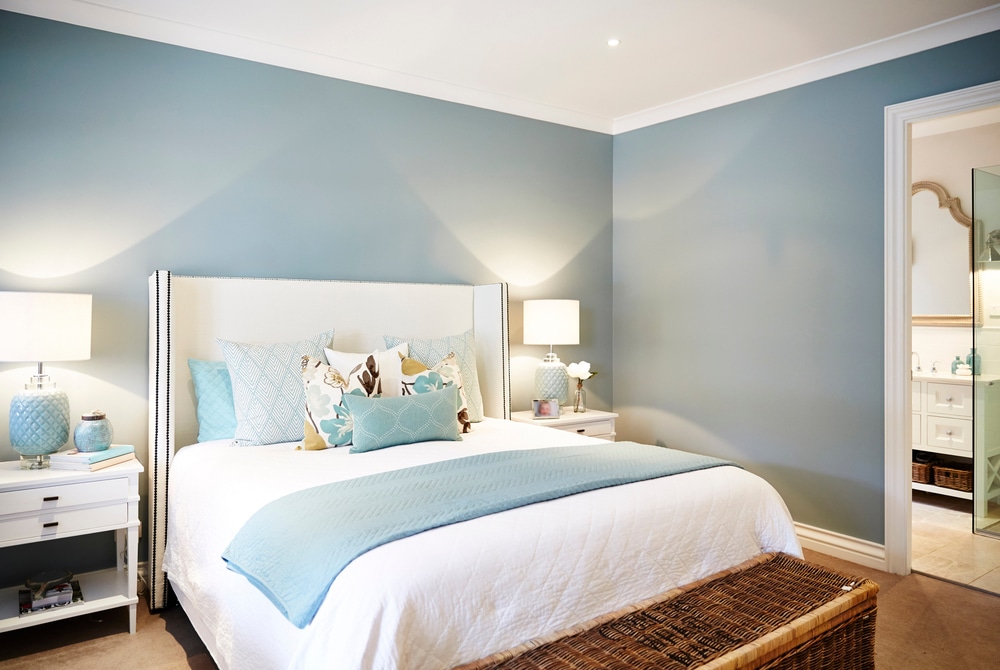
Yes, blue is generally considered a “cool” color, but even within blue, there’s a spectrum of warmth. Cool blues often have green or gray undertones, making them feel crisp, refreshing, and sometimes a bit more formal. Think of an icy sky or deep ocean waters. Warm blues, on the other hand, lean slightly towards purple or red undertones, giving them a softer, cozier, and sometimes even more inviting feel. Imagine a twilight sky or a soft denim. The light in your room will interact with these undertones, so it’s crucial to know what you’re looking for.
Light Reflectance Value (LRV) and Your Bedroom’s Mood
LRV is a number, typically from 0 (absolute black) to 100 (pure white), that indicates how much light a paint color reflects. A higher LRV means the color reflects more light, making a room feel brighter and more spacious. A lower LRV means the color absorbs more light, creating a cozier, more intimate, or dramatic feel. For a bedroom, especially one with limited natural light, understanding LRV can help you choose a blue that either brightens or creates the desired snug retreat. Don’t worry, you don’t need to be a mathematician; just know that lighter blues generally have higher LRVs, and darker blues have lower ones.
The Sneaky Undertones: Gray, Green, Purple
This is where things get interesting! Every blue has an undertone, and these subtle hints of other colors can completely change how a blue reads in your room.
- Gray undertones: Create a sophisticated, muted blue that feels calming and timeless, avoiding anything too bright or childish. Think “dusty” or “stormy” blues.
- Green undertones: Produce a fresh, serene blue-green, often evoking a spa-like or coastal feel. These can be incredibly soothing and bring a touch of nature indoors.
- Purple undertones: Add depth and richness, making a blue feel more luxurious, warm, and sometimes a bit more traditional. Think of an indigo or periwinkle blue.
Understanding these undertones is key to avoiding a blue that clashes with your existing decor or simply doesn’t feel right. Always look for them in different lighting!
Curated Collection: The Best Blue Paint Colors for Your Bedroom
Ready for some specific recommendations? I’ve hand-picked some of the most beloved and versatile blue shades that consistently create stunning bedroom spaces. Remember, these are jumping-off points – always sample!
Light & Airy Blues: For Brightness and Openness
These blues are your go-to if you want to expand a small room, enhance natural light, or create an atmosphere that feels incredibly fresh and uplifting.
- Benjamin Moore Palladian Blue (HC-144): A perennial favorite, Palladian Blue is a soft, spa-like blue-green with significant gray undertones. It’s incredibly soothing and versatile, adapting well to various lighting conditions without feeling cold. Perfect for a restful, airy space.
- Sherwin-Williams Niebla Azul (SW 9137): This “serene dusty blue” is subtle and sophisticated, with noticeable gray undertones that keep it from being too sweet. It feels incredibly calming and almost ethereal, ideal for a bedroom where you crave a gentle hug.
- Farrow & Ball Borrowed Light (No. 235): True to its name, this delicate, periwinkle blue feels light and atmospheric. It has a slight hint of purple, giving it a gentle warmth that keeps it from being too stark. It’s wonderful for creating a dreamy, cloud-like sanctuary.
Muted & Dusty Blues: For Softness and Sophistication
If you prefer a blue that feels grounded, refined, and effortlessly chic, these muted options will resonate. They offer color without being overpowering.
- Farrow & Ball Blue Gray (No. 91): Don’t let the name fool you – this blue-gray-green shifts beautifully throughout the day. It’s incredibly sophisticated and organic, perfect for a bedroom that aims for understated elegance and a connection to nature.
- Clare Paint Good Jeans: This is your perfect worn-in denim blue. It’s comforting, familiar, and strikes a lovely balance between casual and chic. With just the right amount of gray, it feels lived-in and inviting, like your favorite pair of jeans.
- Sherwin-Williams Sleepy Blue (SW 6227): A wonderfully soft and muted blue with noticeable gray undertones. It truly lives up to its name, creating an incredibly tranquil and serene atmosphere, perfect for fostering deep rest.
Deep & Dramatic Blues: For Cozy Retreats and Bold Statements
For those who aren’t afraid to go bold and want to create a cocoon-like, luxurious space, these deep blues deliver. They make a statement while still promoting calm.
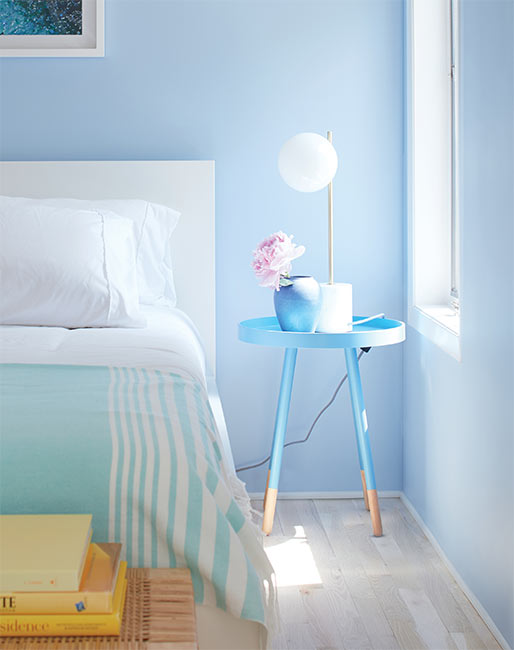
- Farrow & Ball Hague Blue (No. 30): A richly saturated, deep navy with strong green undertones. It’s incredibly dramatic and sophisticated, perfect for creating a cozy, enveloping feel. It looks stunning when paired with warm woods and crisp whites.
- Benjamin Moore Hale Navy (HC-154): A classic, sophisticated, and incredibly popular navy blue. It’s deep and rich without feeling black, offering a timeless elegance that works beautifully in traditional or contemporary settings. It pairs well with almost anything.
- Sherwin-Williams Waterloo (SW 9141): A deep, moody blue with subtle green undertones, offering a slightly softer, more complex feel than a pure navy. It’s wonderfully grounding and can create a very intimate, cozy bedroom atmosphere.
Blue-Greens & Teal Tones: For a Spa-Like Sanctuary
These colors bridge the gap between blue and green, offering the best of both worlds – the calm of blue with the refreshing vibrancy of green. They excel at creating a tranquil, resort-like feel.
- Benjamin Moore Woodlawn Blue (HC-147): A gorgeous, muted blue-green that truly shines. It has just enough gray to keep it soft and sophisticated, making it incredibly airy and relaxing. It’s like bringing the calming presence of a clear ocean into your room.
- Sherwin-Williams Slate Tile (SW 7624): A deep, smoky blue-green that feels earthy and sophisticated. It’s less vibrant than a true teal, making it a perfect choice for a serene, spa-inspired bedroom that feels elegant and grounded.
Here’s a quick glance at some of these fantastic blues:
| Color Name | Brand | Type of Blue | Key Undertones | Ideal Mood/Style | Typical LRV Range |
|---|---|---|---|---|---|
| Palladian Blue (HC-144) | Benjamin Moore | Light Blue-Green | Green, Gray | Airy, Spa-like, Tranquil | 60-65 |
| Niebla Azul (SW 9137) | Sherwin-Williams | Muted Dusty Blue | Gray | Serene, Sophisticated, Gentle | 55-60 |
| Borrowed Light (No. 235) | Farrow & Ball | Light Periwinkle | Purple | Dreamy, Atmospheric, Soft | 70-75 |
| Blue Gray (No. 91) | Farrow & Ball | Muted Blue-Gray-Green | Gray, Green | Elegant, Organic, Understated | 45-50 |
| Good Jeans | Clare Paint | Mid-tone Denim Blue | Gray | Comforting, Casual, Chic | 35-40 |
| Sleepy Blue (SW 6227) | Sherwin-Williams | Muted Gray-Blue | Gray | Tranquil, Serene, Restful | 55-60 |
| Hague Blue (No. 30) | Farrow & Ball | Deep Navy | Green, Black | Dramatic, Cozy, Luxurious | 7-12 |
| Hale Navy (HC-154) | Benjamin Moore | Classic Navy | Gray, Black | Timeless, Sophisticated, Anchoring | 8-13 |
| Waterloo (SW 9141) | Sherwin-Williams | Deep Blue-Green | Green, Gray | Moody, Grounding, Intimate | 10-15 |
| Woodlawn Blue (HC-147) | Benjamin Moore | Muted Blue-Green | Green, Gray | Airy, Relaxing, Coastal | 55-60 |
| Slate Tile (SW 7624) | Sherwin-Williams | Deep Smoky Blue-Green | Gray, Green | Earthy, Sophisticated, Spa-like | 20-25 |
How to Pick Your Perfect Blue: A Step-by-Step Decision Guide
Feeling inspired but still a little overwhelmed? No problem. Follow this step-by-step process, and you’ll narrow down your choices with confidence.
Step 1: Assess Your Room’s Natural Light (Direction, Intensity)
This is probably the single most important factor. Paint colors look vastly different depending on the light they receive.
- North-facing rooms: Tend to have cooler, duller light. Warm blues (with purple or red undertones) can help counteract this and prevent the room from feeling too cold.
- South-facing rooms: Bathed in bright, warm light all day. Almost any blue works here, but cooler blues can feel crisp and refreshing, while warm blues might feel extra cozy.
- East-facing rooms: Get warm, bright light in the morning, then cooler light in the afternoon. Consider how you use the room most. A gentle blue-green might be lovely for mornings.
- West-facing rooms: Receive warm, intense light in the afternoon and evening. This can make cool blues pop or make warm blues feel incredibly inviting.
Pay attention to the intensity too. A large window brings in more light, which might make a darker blue feel less overwhelming. A small window in a darker room might need a lighter blue to open it up.
Step 2: Consider Your Existing Decor & Furniture (Warm vs. Cool Tones)
Are your floors light wood or dark? Do you have a lot of warm-toned furniture (cherry, oak) or cooler tones (ash, painted white)? What about your bedding, curtains, and artwork? The blue you choose should harmonize with these elements, not fight against them.
- If you have a lot of warm wood tones or creamy whites, a slightly warmer blue or a blue with green/gray undertones can create a beautiful, balanced contrast.
- If your decor leans towards cooler grays, crisp whites, or metals, a pure cool blue or a deep navy can enhance that contemporary feel.
Step 3: Define Your Desired Mood & Style (Tranquil, Elegant, Bold, Modern, Coastal)
What feeling do you want to evoke when you walk into your bedroom? This is where your personal preference comes in:
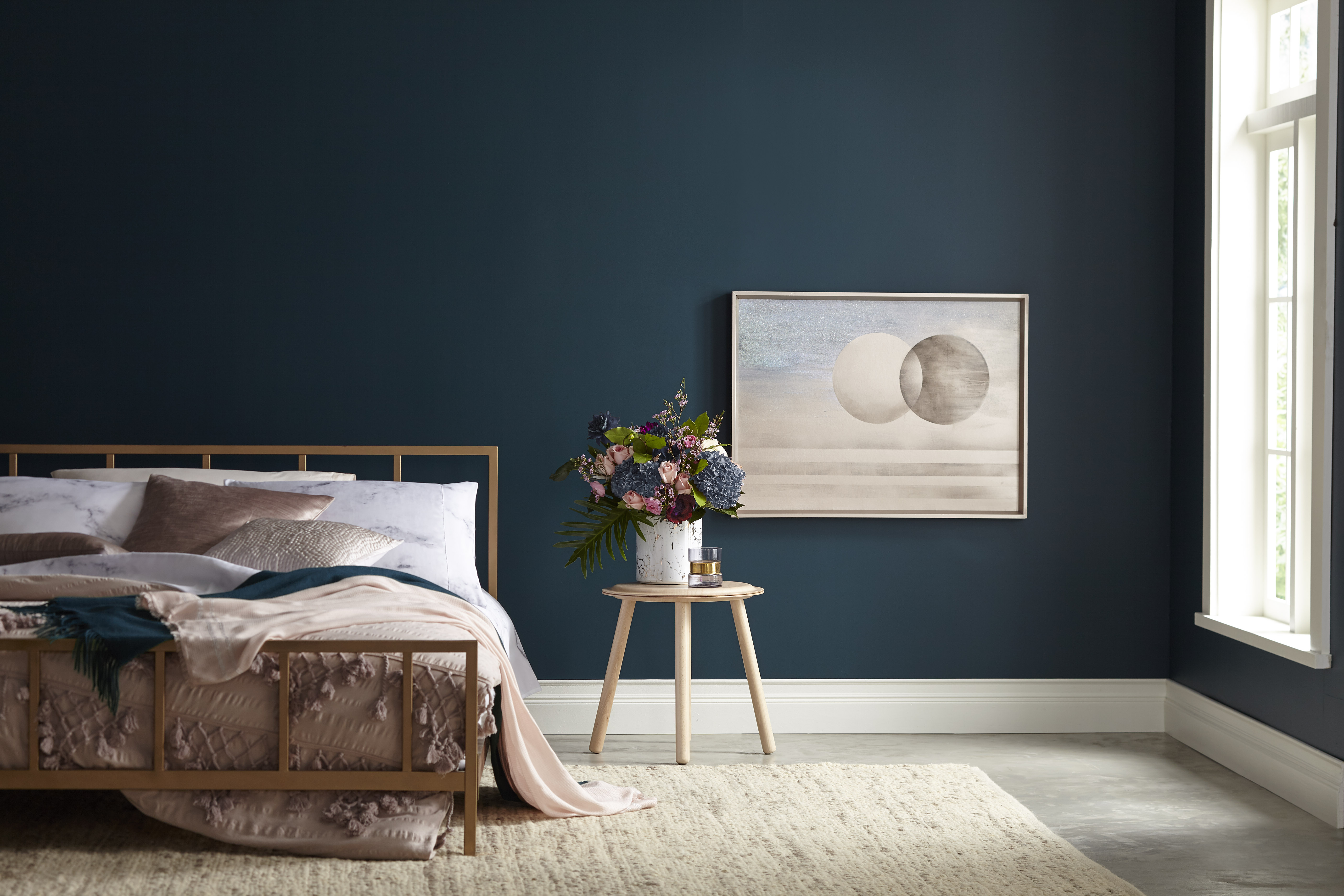
- Tranquil & Serene: Think light, muted, or dusty blues with gray or green undertones.
- Elegant & Sophisticated: Deep navies, rich sapphire, or muted blue-grays.
- Bold & Dramatic: Very dark blues like Hague Blue or Hale Navy, or a vibrant cobalt if your style is playful.
- Modern & Minimalist: Crisp, clean blues, often with cool undertones, paired with white or light gray.
- Coastal & Breezy: Sky blues, aqua, or blue-greens with a touch of white.
Once you nail down the mood, it significantly narrows down the vast blue spectrum.
Step 4: Don’t Skip the Samples! (Importance of Large Swatches)
This is non-negotiable. Small paint chips are great for initial browsing, but they will never give you an accurate representation of how the color will look on your walls.
- Buy several sample pots of your top 2-4 blues.
- Paint large swatches (at least 2×2 feet) directly onto your walls, or onto large foam boards that you can move around the room.
- Observe the colors at different times of day – morning, noon, evening – and under both natural and artificial light.
- See how they interact with your existing furniture, floors, and textiles. This step will save you from costly repainting regrets. Trust me on this one.
Beyond the Color: Choosing the Right Paint Finish for Bedrooms
The color gets all the glory, but the paint finish (or sheen) is just as critical, especially in a bedroom. The finish affects how light reflects, the durability, and how easily you can clean your walls.
Matte/Flat: Soft, Velvety, Hides Imperfections
Matte (or flat) finishes have the least sheen. They absorb light, creating a soft, velvety look that can feel incredibly luxurious and intimate in a bedroom. They’re excellent for hiding minor wall imperfections, which is a huge bonus in older homes. The downside? They’re generally the least durable and hardest to clean, making them less ideal for high-traffic areas. However, for a bedroom where walls aren’t often touched, it’s a popular and beautiful choice for that cocooning effect.
Eggshell/Satin: Durable, Washable, Gentle Sheen
Eggshell has a very subtle, low sheen reminiscent of an eggshell, while satin has a slightly more noticeable luster, often described as a “pearl-like” finish. Both are fantastic choices for bedrooms. They offer significantly more durability and washability than flat paint, making them practical for areas that might occasionally need cleaning (like behind a nightstand). They reflect a bit more light, which can brighten a room without creating glare. Eggshell is often seen as the perfect balance between aesthetics and functionality for bedrooms.
Semi-Gloss/Gloss: Best for Trim, Doors (and why not walls)
Semi-gloss and gloss finishes are highly reflective and very durable, making them ideal for trim, doors, and cabinets – areas that get a lot of wear and tear and need frequent cleaning. However, for bedroom walls, they are generally avoided. Their high sheen can be too distracting, reflect too much light, and highlight every single imperfection on the wall, creating a less serene environment. Stick to flatter sheens for your main bedroom walls.
Completing the Blue Bedroom Look: Decor & Styling Tips
Once your beautiful blue is on the walls, it’s time to bring the whole room together. The paint is the foundation; the decor tells the story.
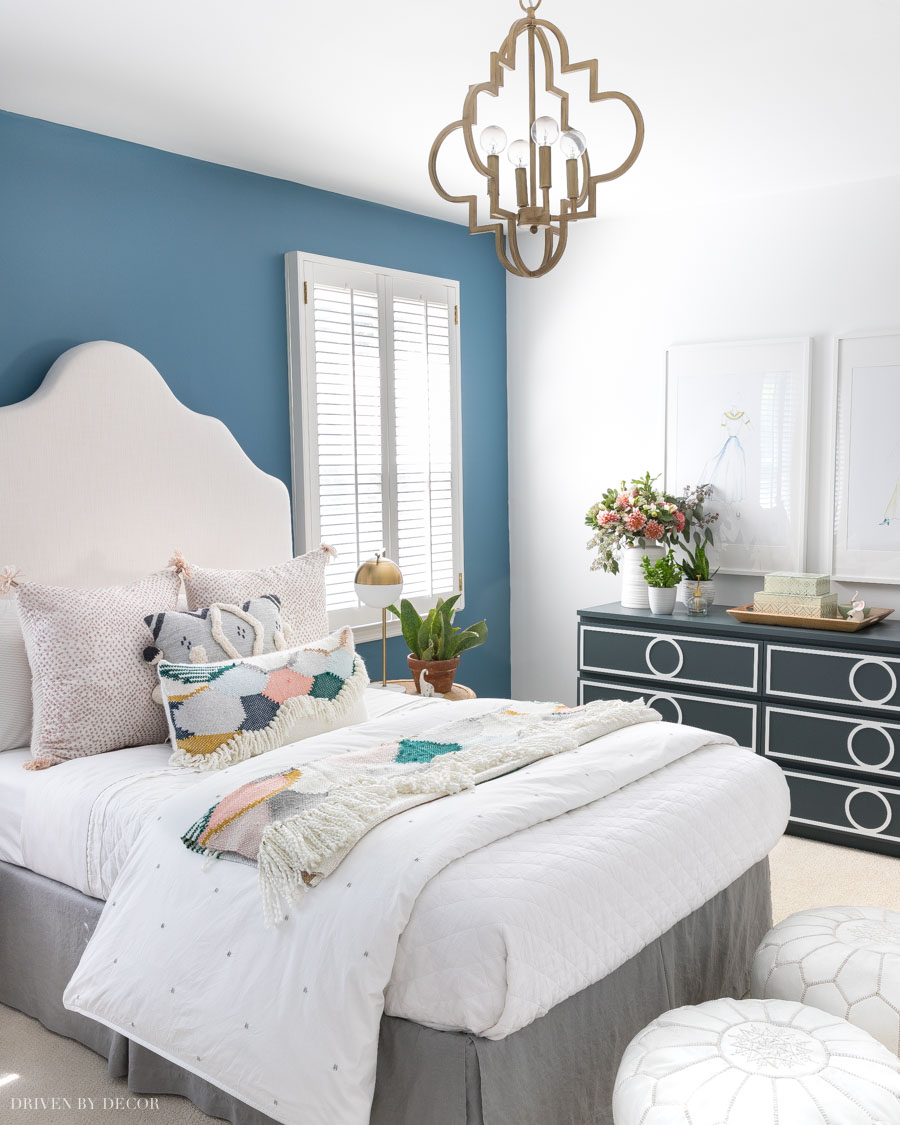
Complementary Color Palettes (Neutrals, Warm Accents, Metallics)
Blue is incredibly versatile. Here are some winning combinations:
- Crisp & Classic: Pair blue with white or creamy off-whites for a clean, refreshing, timeless look.
- Earthy & Organic: Combine blue with natural wood tones, linen, and soft greens or muted yellows for a grounded, serene vibe.
- Warm & Inviting: Introduce warm accents like coral, terracotta, or burnt orange through pillows, throws, or artwork to add a pop of energy and balance.
- Luxurious & Glamorous: Mix deep blues with gold, brass, or silver metallics for light fixtures, hardware, or decorative objects.
- Monochromatic Magic: Layer different shades of blue, from light to dark, in your textiles and decor for a sophisticated, cohesive feel.
Textiles & Textures (Layering bedding, curtains, rugs)
Texture is everything in a bedroom. It adds warmth, depth, and comfort.
- Bedding: Layer luxurious sheets, a soft duvet, throw blankets in varying knits (chunky wool, cashmere, cotton), and an assortment of pillows with different textures and patterns.
- Curtains: Choose curtains that complement your blue, opting for linen, velvet, or heavier drapes for light blocking and insulation.
- Rugs: An area rug can anchor the space, add warmth underfoot, and introduce another layer of color and texture. Think natural fibers like jute or sisal for an earthy feel, or a plush wool rug for ultimate comfort.
Lighting the Blue Space (Ambient, Task, Accent)
Lighting can make or break a blue room.
- Ambient lighting: A central ceiling fixture (dimmable!) provides overall illumination.
- Task lighting: Bedside lamps are essential for reading. Consider warm-toned bulbs to enhance the cozy feel of blue.
- Accent lighting: Picture lights over art or subtle up-lights can highlight features and add mood. Avoid harsh, cool-toned lighting, which can make blue feel sterile.
Furniture & Art Selection
Your furniture and art will dictate the overall style.
- Furniture: Natural wood tones (light oak, warm walnut) beautifully complement blue. White or off-white painted furniture can create a fresh, cottage feel. Darker woods can add sophistication.
- Art: Choose pieces that either continue your blue theme (landscapes, seascapes) or introduce complementary colors for contrast and visual interest. Large-scale art can be a focal point against a calming blue wall.
Common Pitfalls to Avoid When Painting a Blue Bedroom
Even with the best intentions, it’s easy to make mistakes. Here are some common traps to steer clear of:
Not Sampling Enough
I can’t stress this enough. Looking at a tiny paint chip and expecting it to translate perfectly to your entire wall is a recipe for disappointment. Always, always, always get samples and paint large swatches on your walls. Live with them for a few days, observe them in different lighting, and then make your decision.
Ignoring Lighting (Natural & Artificial)
The light in your room is dynamic. A blue that looks stunning in a brightly lit showroom might look drab or too intense in your own bedroom with its specific light conditions. Consider not just the natural light (direction, time of day) but also your artificial light sources (warm vs. cool bulbs). Test your samples under both.
:strip_icc()/blue-bedroom-bright-moroccan-decor-93d3976d-205fa31a3b424715a849d68b6eda45cb.jpg "Blue Bedroom Ideas from Light Blue to Deep Navy and In Between")
Overlooking Undertones
That beautiful blue you saw online? It might have a hidden green undertone that clashes with your red oak floors, or a purple undertone that makes it feel too childish next to your sophisticated furniture. Pay close attention to the subtle hints of other colors within your chosen blue. If you’re unsure, ask for help at the paint store, or compare it to a pure version of blue, green, and red to help identify its leanings.
Forgetting the Ceiling
Often called the “fifth wall,” the ceiling shouldn’t be an afterthought. While a standard white ceiling is always safe, consider painting it a lighter shade of your wall blue, or a very pale blue (often called “haint blue” in some regions for its folklore of warding off spirits, but also for its sky-like feel). This can create an incredibly enveloping and peaceful effect, making the room feel like a continuous, serene cloud.
Ready to Transform Your Sanctuary?
Choosing blue paint for your bedroom is more than just a decor decision; it’s an invitation to create a space that nurtures your soul, promotes rest, and brings a sense of calm to your daily life. With the right shade, finish, and thoughtful styling, your blue bedroom won’t just be beautiful – it will be your ultimate sanctuary. So go ahead, trust your instincts (and these tips!), grab those samples, and embark on your journey to a beautifully blue bedroom.
Frequently Asked Questions
What is the most calming shade of blue for a bedroom?
The most calming shades of blue for a bedroom tend to be lighter, muted blues with subtle gray or green undertones. Think of colors like Benjamin Moore’s Palladian Blue, Sherwin-Williams’ Niebla Azul, or Farrow & Ball’s Blue Gray. These shades evoke a spa-like or sky-like serenity without feeling too cold or overpowering, making them ideal for promoting relaxation and sleep.
Should all bedroom walls be blue?
Not necessarily. While painting all walls blue can create a deeply immersive and cozy ‘cocoon’ effect, you can also use blue as an accent. Consider a single blue accent wall behind the bed, or use blue on the lower half of walls with a lighter color above for a classic wainscoting look. Pairing blue with crisp white trim or other complementary neutrals can also prevent the room from feeling too enclosed, especially with darker blues.
What colors go well with blue bedroom walls?
Blue is incredibly versatile. For a classic look, pair blue with crisp whites, creams, or light grays. To add warmth, introduce natural wood tones (oak, walnut), warm metals (brass, gold), or earthy accents like terracotta, coral, or soft yellows. For a more sophisticated palette, consider layering different shades of blue, or combining it with muted greens, deep charcoals, or even a touch of dusty rose.
Does blue paint make a room look smaller or bigger?
Generally, lighter shades of blue with higher Light Reflectance Values (LRV) can make a room feel more open, airy, and larger by reflecting more light. Conversely, very dark, saturated blues with low LRV values tend to absorb light, creating a cozier, more intimate, and sometimes seemingly smaller space. However, this ‘smaller’ effect can be desirable for a dramatic, cocoon-like bedroom, rather than a negative.
What’s the best paint finish for a bedroom?
For bedroom walls, an eggshell or satin finish is usually recommended. They offer a perfect balance of aesthetics and practicality: a subtle, gentle sheen that’s easy to clean and durable, without being too reflective. A matte (or flat) finish can also create a luxurious, velvety, and soft look, ideal for hiding wall imperfections, but it’s less durable and harder to clean. Avoid semi-gloss or gloss on walls as they can be too shiny and highlight flaws.
How important are undertones when choosing blue paint?
Undertones are critically important! They are the subtle hints of other colors (like gray, green, or purple) within a blue shade that determine how it truly appears in your space. A blue with green undertones might look refreshing, while one with purple undertones could feel warmer or more regal. Ignoring undertones can lead to a blue that clashes with your existing decor or doesn’t achieve the desired mood, making samples in your actual room essential.
How many samples should I try before committing to a blue paint color?
It’s highly recommended to try at least 2-4 different blue paint samples on your walls. Paint large swatches (at least 2×2 feet) in various areas of the room to observe how each color reacts to different natural light conditions (morning, noon, evening) and artificial lighting. This thorough sampling process allows you to confidently choose the blue that best suits your bedroom’s unique environment and your personal preferences.