How to Paint Your Bedroom Walls Quickly (Without Cutting Corners You’ll Regret)
Let’s be real: you want a fresh bedroom vibe, and you want it *now. The thought of endless prep, sticky messes, and days of drying can make you put off that paint job forever. But what if I told you that painting your bedroom walls quickly, efficiently, and with a professional-looking finish isn’t just a pipe dream? It’s absolutely achievable.
You don’t need to be a professional painter to transform your space in record time. What you do need are the right strategies, the proper tools, and a few insider tips that shave hours off the process. Forget those weekend-long sagas. With this guide, you’ll learn how to tackle your bedroom walls with speed and confidence, leaving you with more time to actually enjoy your newly refreshed sanctuary.
The “Speed-First” Mindset: Planning for a Faster Finish
Before you even think about opening a paint can, strategic planning is your secret weapon for speed. Skipping this step is the number one reason DIY paint jobs drag on and look less-than-stellar.
Choose the Right Paint (and Primer) for Speed
This isn’t just about color; it’s about chemistry. Your paint choice can dramatically impact your timeline.
- Quick-Dry Formulas: Many brands offer paints specifically designed for faster drying and recoat times. Look for labels that mention “fast-drying” or “same-day recoat.” These paints often allow you to apply a second coat in as little as 1-2 hours, cutting your total painting time significantly.
- Paint-and-Primer-in-One: For walls in good condition or when simply refreshing a similar color, these products can eliminate an entire step. While not always a true replacement for a dedicated primer on challenging surfaces (like glossy finishes or drastically different colors), for most bedroom wall refreshes, they’re a huge time-saver.
- Sheen Considerations: Lower sheens like flat or matte dry faster to the touch and hide imperfections better, meaning less meticulous prep might be needed. Higher sheens (satin, semi-gloss) are more durable and washable but highlight every flaw and take longer to fully cure. For bedroom walls, a matte or eggshell finish is usually ideal for both aesthetics and speed.
Essential Tools for Efficiency (Don’t Skimp Here)
Think of your tools as your pit crew. High-quality tools don’t just produce better results; they help you work faster and with less frustration. Skimping on tools is a false economy when you’re aiming for speed.
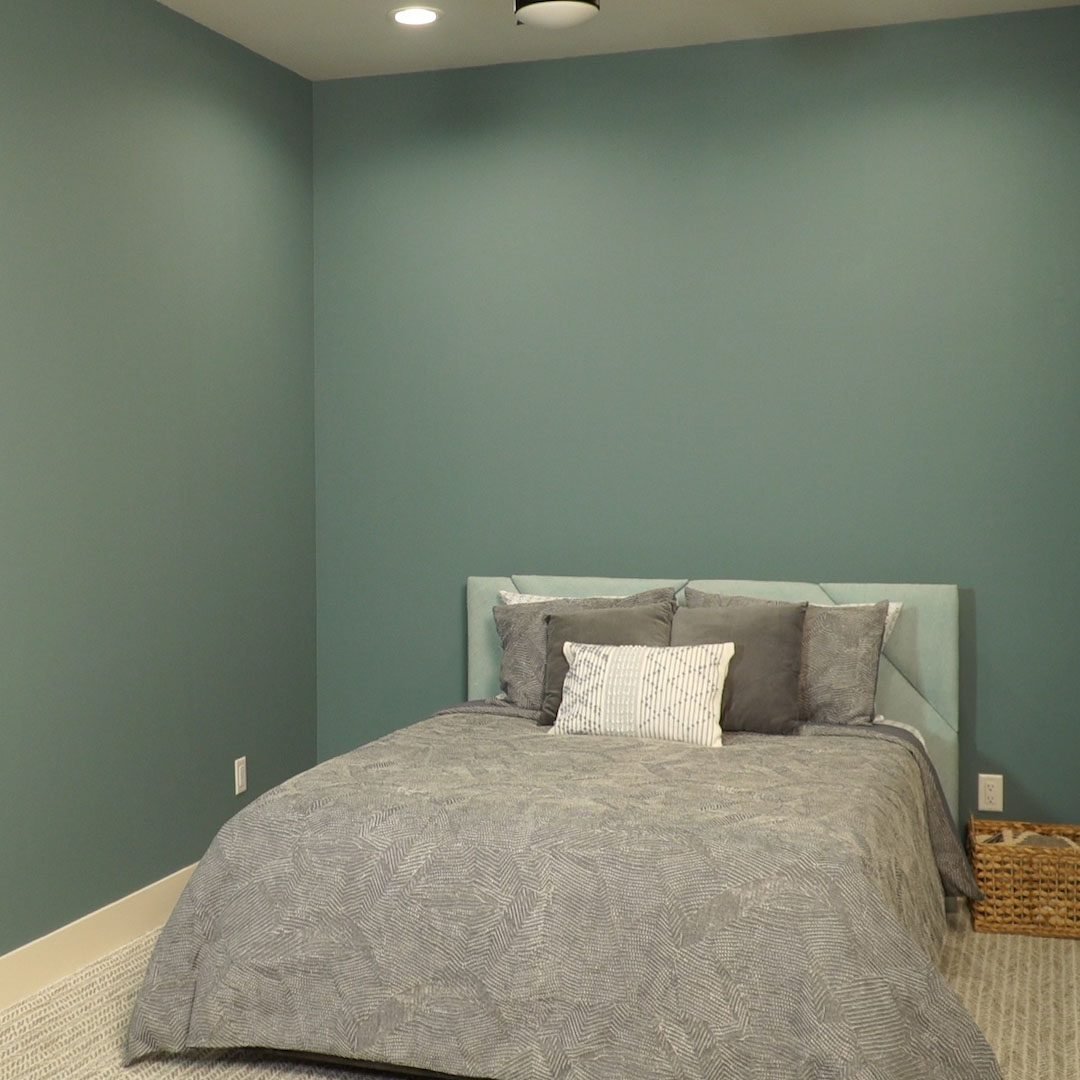
| Tool | Why It Speeds Things Up | Pro Tip for Maximum Speed |
|---|---|---|
| High-Quality Roller Covers | Hold more paint, apply it smoothly and evenly, reducing roller marks and the need for extra passes. | Use a 3/8-inch nap for smooth walls. Pre-dampen new rollers with water and spin out excess before painting with latex to remove loose fibers. |
| Extension Pole | Eliminates ladder repositioning for walls and ceilings, reducing physical strain and vastly increasing coverage speed. | Choose a lightweight, adjustable pole. Practice your roll without paint to get a feel for the reach. |
| Angled Sash Brush (2-2.5 inch) | Provides precision for cutting in edges without excessive taping, holds a good amount of paint. | Invest in a high-quality synthetic brush for latex paints. Clean it thoroughly between uses to maintain its sharp edge. |
| Painter’s Tape (FrogTape or similar) | Creates crisp lines quickly, reduces touch-up time and the need for meticulous freehand cutting. | Apply firmly, pressing down with a putty knife. Remove while paint is still slightly wet for the cleanest lines. |
| 5-Gallon Bucket with Grid/Liner | Allows for faster roller loading than traditional trays, holds more paint, fewer refills. | Use a disposable liner for quick cleanup. Load roller by spinning it against the grid, not just dipping. |
| Plastic Sheeting/Drop Cloths | Protects floors and furniture, minimizes cleanup time from drips and splatters. | Use lightweight plastic sheeting (0.7-1 mil) that unfolds quickly. Secure with painter’s tape to baseboards. |
Strategize Your Day: The Fastest Sequence
A well-thought-out sequence prevents backtracking and wasted motion.
- Top-Down Approach: Always start with the ceiling (if painting), then walls, then trim. This way, any drips fall onto areas yet to be painted, saving you cleanup.
- Efficient Cornering: Instead of cutting in an entire room and then rolling, consider painting one full wall (cut in and roll) before moving to the next. This helps maintain a “wet edge” and prevents lap marks.
- Minimize Re-taping: If you’re confident in your cutting-in skills, try to tape only where absolutely necessary (e.g., specific trim details). Otherwise, tape once and tape well.
Prep Like a Pro (Because Prep Time Saves Paint Time)
This is where most DIYers cut corners, thinking they’re saving time. They’re not. Poor prep guarantees a longer, more frustrating, and often inferior finish. Think of it as a down payment on speed and quality.
Clear the Room & Protect Surfaces (Quickly)
A clear space means you can move freely and paint without obstacles. For a bedroom, this is usually manageable.
- Move Furniture: Push everything to the center of the room and cover it with plastic sheeting. Don’t remove it unless absolutely necessary. This saves time and effort compared to emptying the room.
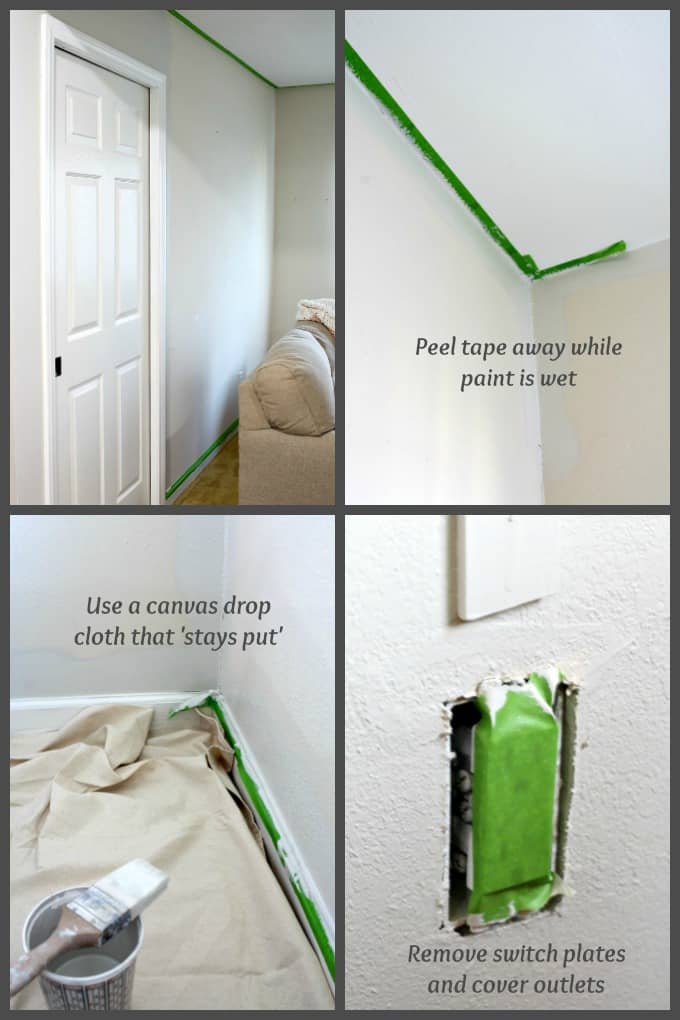
- Remove Wall Decor & Fixtures: Take down pictures, mirrors, curtains. Remove light switch plates and outlet covers. Don’t bother taping them; it’s faster to remove and replace.
- Protect Floors: Lay down drop cloths or plastic sheeting. Secure them along the baseboards with painter’s tape to prevent slipping and ensure full coverage.
Clean Walls, Fast Repairs
Paint won’t stick properly to dirty, dusty, or damaged surfaces, leading to peeling and a patchy finish that you’ll have to redo. This is a quick step that pays dividends.
- Dust & Wipe: Use a duster with an extension pole or a damp cloth to quickly wipe down walls. Pay attention to corners and around windows where dust collects. For greasy spots, a mild detergent solution (like a few drops of dish soap in water) works wonders. Rinse with clean water.
- Quick Spackle & Sand: Fill any small nail holes or minor dings with quick-drying spackle. For bedrooms, extensive repairs are often unnecessary. Once dry (check product instructions, usually 15-30 minutes for quick-dry formulas), lightly sand smooth with fine-grit sandpaper (180-220 grit). A sanding sponge works quickly here. Wipe away dust.
Taping Smart, Not Forever
Taping is tedious, but it saves immense time on cleanup and touch-ups if done correctly. For speed, consider if you truly need to tape everything.
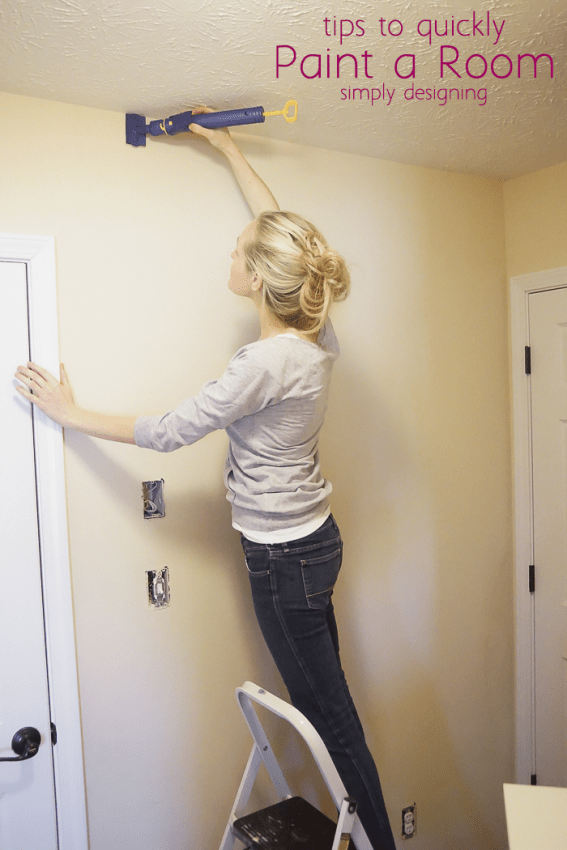
- When to Tape: Always tape around windows, doors, and any trim you don’t intend to paint or that’s a contrasting color.
- Efficient Application: Apply tape in manageable strips, pressing it down firmly with a putty knife or credit card to create a tight seal. This prevents paint bleed-through, which is a massive time-waster to fix.
- Consider Freehand: If you have a steady hand and a good angled brush, you can often freehand cut along baseboards and ceiling lines, saving tape time entirely. This takes practice, so if you’re unsure, tape!
Mastering the Roll: Painting Techniques for Speed
Now for the fun part! These techniques will help you apply paint quickly and evenly, covering large areas with minimal fuss.
Cutting In: The Art of Precision Speed
Cutting in is painting the edges where your roller can’t reach. Done right, it looks crisp and prevents future touch-ups.
- Load the Brush Correctly: Dip your angled sash brush about 1/3 of the way into the paint. Tap off excess on the side of the can, don’t wipe it clean. You want a good amount of paint, but not dripping.
- The “Feathering” Technique: Start about an inch away from the edge you’re cutting in. Paint a small strip, then drag your brush slowly and steadily towards the edge. As you get closer, lighten your pressure and let the brush bristles “feather” the paint to the very edge. This creates a clean line.
- Work in Sections: Cut in one wall’s edges (ceiling, corners, trim) then immediately follow with the roller. Don’t cut in the entire room first, or the cut-in paint might dry before you roll, leading to noticeable lap marks.
Rolling Walls: The W-Pattern and Beyond
The roller is your workhorse. Maximize its efficiency to cover large areas fast.
- Load the Roller Efficiently: Don’t just dip the roller. If using a tray, roll it back and forth several times in the paint reservoir and then on the ribbed section to evenly distribute paint and remove excess. If using a 5-gallon bucket with a grid, roll against the grid until the roller is saturated but not dripping.
- The “W” or “M” Pattern: Start rolling a few inches from the ceiling or a corner. Paint a 3×3 foot “W” or “M” shape on the wall without lifting the roller. Then, without reloading, fill in the shape with vertical strokes. This ensures even coverage and blends the paint seamlessly.
- Maintain a Wet Edge: This is crucial for avoiding lap marks. Always work from a previously painted (still wet) section into a new section. Overlap each roller stroke by about half the width of the roller.
- Use an Extension Pole: As mentioned, this is a game-changer. It allows you to reach the top and bottom of walls without constantly climbing and descending a ladder, saving huge amounts of time and energy.
- Two Coats are Key: For most color changes and durability, two coats are necessary. Don’t try to get full coverage with one thick coat; it will look uneven, drip, and take longer to dry. Thin, even coats are faster and yield better results.
The Second Coat: Timing is Everything
Knowing when to apply the second coat can shave hours off your total project time.
- Understand Recoat Time: Check your paint can’s label. This specifies the minimum time required before applying another coat. For fast-drying paints, this can be as little as 1-2 hours.
- Test for Dryness: Don’t just rely on the clock. Gently touch an inconspicuous area of the wall. If it feels dry to the touch and no paint comes off, you’re good to go. If it’s still tacky, wait a bit longer.
- Prepare for the Second Coat While the First Dries: Use this time to clean brushes, re-tape if necessary (though usually not for a second coat if done correctly), or simply take a break. Don’t just sit there!
Pro Hacks to Shave Hours Off Your Bedroom Paint Job
These are the little tricks that experienced painters use to accelerate the process without sacrificing quality.
Use Paint Pails with Grids (Seriously)
Forget the flat paint tray for your roller if you’re painting walls. A 5-gallon bucket with a liner and a metal grid insert is a speed demon. It holds more paint, so you refill less often, and the grid allows for super-efficient, even loading of your roller, preventing drips and ensuring consistent coverage.
Keep a Wet Edge – Always
This cannot be stressed enough. Always work into a wet edge. This means painting a section, then immediately starting the next section overlapping the wet paint. If the paint dries before you overlap, you’ll get visible lines (lap marks) that are almost impossible to fix without repainting the entire wall. This means working quickly and systematically.
Don’t Overload, Don’t Underload
The Goldilocks zone is key. Too much paint on your brush or roller leads to drips, splatters, and uneven application, requiring more cleanup and touch-ups. Too little paint means more strokes to cover the same area and a patchy finish. Find that sweet spot where your tools are saturated but not dripping.
Paint During Optimal Conditions
Temperature and humidity significantly affect drying times. Aim for a temperature between 65-75°F (18-24°C) and moderate humidity (around 50%). Good ventilation helps paint dry faster, so open windows (if conditions are right) or use fans directed away from the walls to circulate air without directly blowing on the wet paint.
Minimize Breaks (or Strategize Them)
Once you start rolling a wall, try to finish that wall or a large section before taking a break. Frequent, long breaks disrupt the wet edge. If you need a break, wrap your roller and brush tightly in plastic wrap or a plastic bag to keep them from drying out, or submerge brushes in water (for latex paints).
The “Paint One Wall, Then Cut In The Next” Method
This is a great technique for solo painters. Instead of cutting in the entire room and then rolling, try this: cut in one wall, immediately roll that wall, then move to cut in the next wall while the first one starts to dry. This keeps you constantly moving and takes advantage of paint drying times.
Post-Painting: Quick Cleanup and Curing
You’re almost done! Don’t let cleanup undo your hard work or leave you with ruined tools.
Peeling Tape Like a Pro (Before It Dries)
For the cleanest lines, peel your painter’s tape while the paint is still slightly wet. If you wait until the paint is fully dry, it can bond to the tape and peel away with it, leaving jagged edges or requiring touch-ups. Pull the tape at a 45-degree angle slowly and consistently.
Cleaning Tools for Future Speed
Clean your brushes and rollers immediately. For latex paints, warm water and soap are usually sufficient. Use a wire brush for brushes and a roller cleaner tool for rollers. Thoroughly clean tools mean they’ll be ready for your next project, saving you money and a trip to the store for replacements.
Ventilate for Faster Curing
Even after the paint is dry to the touch, it needs time to fully cure and harden. Good ventilation for 24-48 hours (or longer, depending on the paint) helps dissipate fumes and allows the paint to cure faster. This means you can get your furniture back in place and enjoy your room sooner.

Common Pitfalls When Rushing (And How to Avoid Them)
While speed is the goal, blind rushing can lead to mistakes that cost more* time and effort to fix. Be smart about where you accelerate.
- Skipping Prep: This is the biggest offender. Not cleaning walls, not filling holes, or not taping properly will lead to paint peeling, uneven finishes, and crooked lines. You’ll spend more time fixing these issues than you would have on proper prep.
- Using Cheap Tools: Flimsy rollers shed fibers, cheap brushes leave streaks, and poor tape lets paint bleed. These flaws require extensive touch-ups or even re-painting, completely negating any perceived time savings.
- Over-Rolling: Rolling the same spot too many times pushes paint around instead of applying it, leading to thin, patchy coverage and inconsistent texture. Load your roller properly and use efficient strokes.
- Painting Over Wet Paint: Applying a second coat before the first is dry to recoat will lift the underlying paint, create a muddy, uneven finish, and lead to adhesion problems. Always check the recoat time and test for dryness.
- Not Enough Paint: Estimating your paint needs incorrectly means mid-project trips to the store, interrupting your flow and drying out your tools. Use an online paint calculator or consult with a paint store specialist to get the right amount.
Painting your bedroom walls doesn’t have to be an arduous, multi-day affair. By adopting a “speed-first” mindset, investing in quality tools, and implementing these pro-level techniques, you can dramatically cut down your painting time. Focus on smart prep, efficient application, and understanding your materials, and you’ll be enjoying your beautifully transformed bedroom in no time. Go get that fresh look!
Frequently Asked Questions
What’s the absolute fastest way to paint a bedroom?
The fastest way involves meticulous planning: choosing quick-dry paint-and-primer-in-one, investing in high-quality tools (especially an extension pole and a 5-gallon bucket with a grid for rollers), and following a systematic ‘cut-in then roll’ approach for each wall. Minimizing breaks and ensuring good ventilation also shave off significant time.
Can I really paint a bedroom in one day?
Yes, absolutely! For a standard-sized bedroom, with good planning, quick-dry paint, and efficient techniques, you can complete two coats of paint (including prep and cleanup) within a single day. The key is to start early and maintain momentum.
What tools are essential for fast bedroom wall painting?
High-quality roller covers (3/8-inch nap), a sturdy extension pole, a 2-2.5 inch angled sash brush, FrogTape or similar painter’s tape, and a 5-gallon bucket with a paint grid (instead of a traditional roller tray) are crucial for speed and efficiency.
Is it okay to skip primer to save time?
It depends. If you’re painting over a similar, light color on walls in good condition, a high-quality paint-and-primer-in-one product can often suffice. However, if you’re going from dark to light, painting over stains, or dealing with glossy surfaces, skipping a dedicated primer can lead to poor coverage and requiring more coats, ultimately taking more time and paint.
How do I avoid streaks and roller marks when trying to paint quickly?
To avoid streaks, always maintain a ‘wet edge’ by overlapping your roller strokes by about half the roller’s width into the previously painted, still-wet section. Use the ‘W’ or ‘M’ rolling pattern to ensure even distribution, and don’t press too hard on the roller. Ensure your roller cover is high-quality and free of loose fibers.
Should I cut in all edges first or paint wall by wall?
For maximum speed and to avoid lap marks, it’s generally best to cut in the edges (ceiling line, corners, trim) of one wall, then immediately roll that wall, before moving on to cut in the next wall. This keeps the cut-in paint wet enough to blend seamlessly with the rolled paint.
When is the best time to remove painter’s tape for the cleanest lines?
For the cleanest, sharpest lines without paint peeling, remove painter’s tape while the paint is still slightly wet to the touch. Pull the tape slowly at a 45-degree angle. If you wait until the paint is fully dry, it can bond to the tape and tear away from the wall.