How to Paint a Bedroom Floor: Your Ultimate DIY Guide to a Stunning Transformation
Tired of that dingy, scratched-up bedroom floor but not ready for a full replacement? I get it. The idea of ripping out old flooring is a headache, and new installs can drain your wallet faster than you can say “design upgrade.” But what if I told you there’s a refresh button for your bedroom floor that’s both budget-friendly and incredibly stylish? Painting your bedroom floor isn’t just a hack; it’s a legitimate, durable, and highly customizable solution that can completely revolutionize your space.
As someone who’s tackled countless home projects, I can tell you that a painted floor offers a unique charm – whether you’re going for a modern minimalist look, a rustic farmhouse feel, or a vibrant, playful atmosphere. This isn’t just about covering up flaws; it’s about creating a custom aesthetic that speaks to your personal style. Ready to roll up your sleeves and give your bedroom the floor it deserves? Let’s dive in.
Why Paint Your Bedroom Floor? The Benefits Beyond Aesthetics
Beyond the obvious visual appeal, painting your bedroom floor comes with a surprising array of advantages:
- Cost-Effectiveness: This is probably the biggest win. Painting is significantly cheaper than installing new hardwood, carpet, or even laminate. You’re using what you already have, just giving it a serious glow-up.
- Unmatched Customization: Unlike pre-finished flooring, a painted floor is your canvas. You can choose any color imaginable, add stencils, stripes, or even create a faux rug effect. Your bedroom floor can truly be one-of-a-kind.
- Enhanced Durability & Protection: When done correctly with the right products, painted floors can be surprisingly resilient. The paint and topcoat create a protective barrier against spills, scratches, and everyday wear, extending the life of your underlying floor.
- Hiding Imperfections: Old, worn, or mismatched floorboards? Minor scuffs or stains? Paint is a magician, unifying disparate elements and making flaws virtually disappear.
- Quick Room Transformation: A fresh coat of paint on the floor can alter the entire mood and perceived size of your bedroom, often quicker than other major renovations.
Is Your Bedroom Floor a Candidate for Paint? Understanding Floor Types
While painting is versatile, not all floors are created equal when it comes to holding paint. Let’s look at common bedroom floor types and their suitability.
Hardwood Floors: Old Boards, New Life
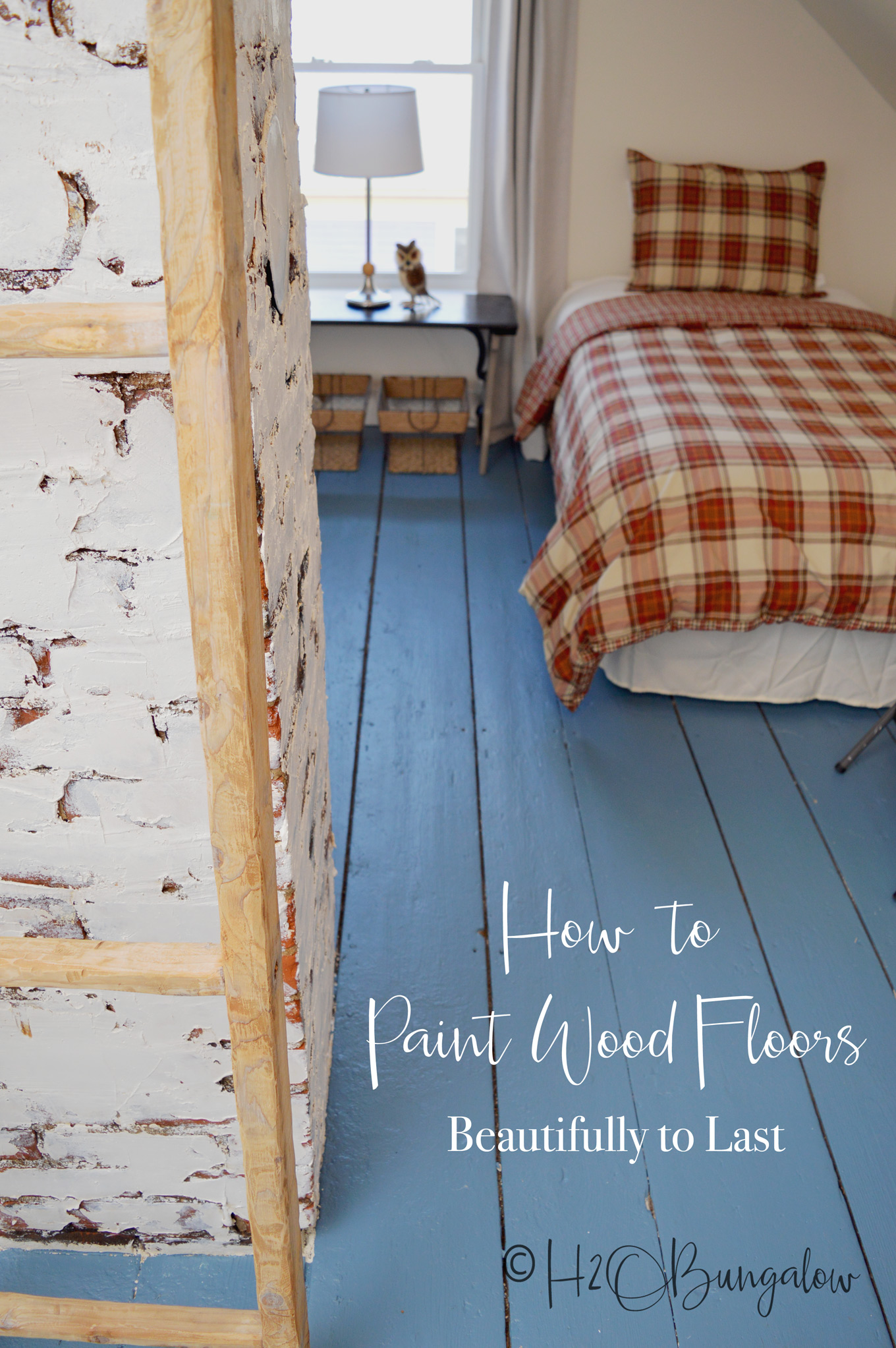
Yes, absolutely! Hardwood is an excellent canvas for paint, especially if it’s too damaged for refinishing or you simply want a solid, consistent color. Scratches, uneven tones, and minor gouges can all be beautifully concealed. Just ensure the wood is structurally sound.
Plywood Subfloors: The Budget-Friendly Canvas
Often overlooked, a well-prepped plywood subfloor can be a fantastic, economical option for a painted finish. It’s a great choice for bedrooms where you want a rustic or industrial look. The key here is proper priming and seam filling to prevent unevenness or paint absorption issues.
Concrete Floors: Industrial Chic Made Easy
Concrete floors in a bedroom can be incredibly stylish, offering a modern, minimalist, or industrial vibe. They are extremely durable once painted. Prep is crucial here, involving thorough cleaning, degreasing, and potentially etching if the concrete is very smooth or sealed.
Laminate/Tile: The Trickier Contenders (and When to Avoid)
Painting laminate or ceramic tile floors is possible, but it’s often more challenging and generally less recommended for long-term durability, especially in high-traffic areas. However, for a bedroom, with its lower foot traffic, it can be a viable option for a temporary or aesthetic facelift. You’ll need specialized primers (like bonding primers) and robust floor paints designed for slick, non-porous surfaces. Expect more intensive prep work and potentially less longevity compared to wood or concrete.
Choosing the Right Arsenal: Materials & Tools You’ll Need
Before you dip that first brush, gather everything you need. A well-stocked toolkit makes the process smoother and the results better.
Essential Tools Checklist
- Safety Gear: Respirator mask (especially for oil-based paints), gloves, eye protection.
- Cleaning Supplies: Heavy-duty cleaner/degreaser, bucket, scrub brush, mop, vacuum, tack cloth.
- Repair Tools: Wood filler or spackle, putty knife, sander (orbital or pole sander), various grits of sandpaper (80, 120, 220), sanding block for corners.
- Application Tools: Paint rollers (with appropriate nap for your paint type and floor texture), roller frames, paint trays, angled paintbrushes for edges/corners, extension pole for rollers.
- Protection: Painter’s tape (high-quality, low-tack for delicate walls), plastic sheeting or drop cloths for walls and furniture.
- Miscellaneous: Stir sticks, paint can opener, rags.
The Heart of the Project: Selecting the Right Paint
This is where many DIYers get tripped up. Not all paints are created equal, especially when it comes to floors. You need something that can withstand foot traffic, furniture movement, and cleaning. Here’s a breakdown of common types:
| Paint Type | Pros for Bedroom Floor | Cons for Bedroom Floor | Ideal Use |
|---|---|---|---|
| Acrylic Latex (Porch & Floor Enamel) | Water-based, low VOC, fast drying, easy clean-up. Good durability for light to moderate traffic. Many color options. | Not as hard-wearing as epoxy/oil-based. May require more topcoats for ultimate durability. | Most common choice for bedrooms. Wood, plywood, concrete (with proper primer). Great for DIYers. |
| Oil-Based Porch & Floor Enamel | Extremely durable, hard finish, excellent scratch and scuff resistance. Provides a rich, deep color. | High VOCs (strong odor), longer drying and curing times, harder clean-up (mineral spirits). Can yellow over time. | High-traffic bedrooms, heavy furniture. Best for very durable finishes, but be mindful of ventilation. |
| Epoxy Coatings (1-Part or 2-Part) | Industrial-grade strength, extreme durability, chemical and moisture resistant. Creates a seamless, high-gloss (or satin) finish. | More expensive, harder to apply (especially 2-part), limited color selection in some brands. Requires specific prep. | Concrete floors, utility areas, very modern/minimalist aesthetic. Overkill for most bedrooms unless industrial look is desired. |
| Chalk Paint + Durable Sealer | No-prep needed on many surfaces, matte finish, easy to distress for a vintage look. Excellent adhesion. | Must be sealed with a heavy-duty floor-grade topcoat. Without a proper sealer, it’s not durable enough for floors. | Achieving a distressed, shabby chic, or matte aesthetic on wood or plywood floors in a low-traffic bedroom. |
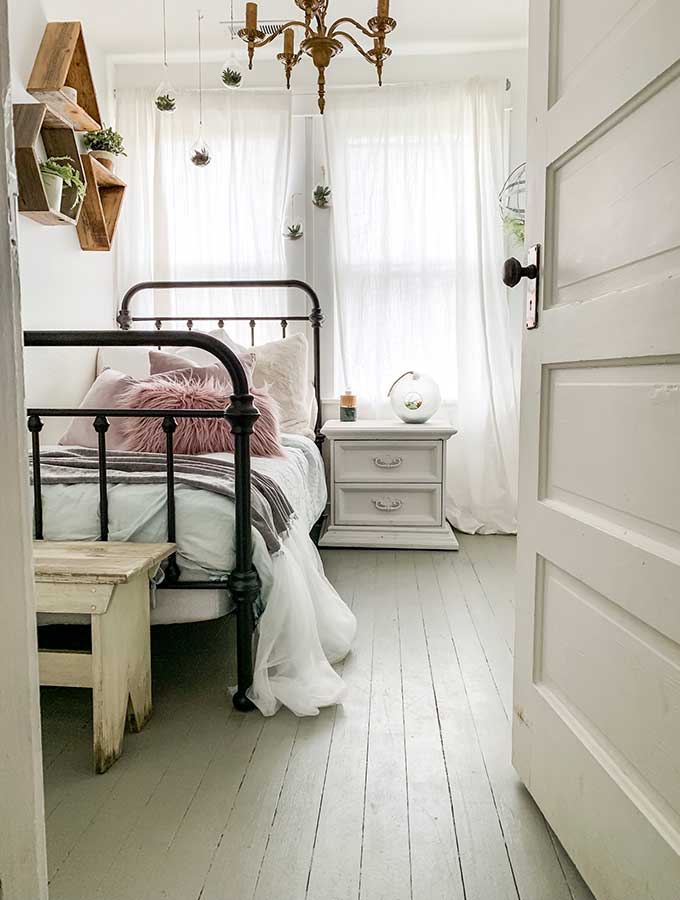
For most bedroom applications, a high-quality acrylic latex porch and floor enamel will be your best bet, balancing durability with ease of use and low odor.
Primer & Sealer: Don’t Skip These Steps
- Primer: Absolutely crucial for adhesion, color uniformity, and preventing bleed-through. Choose a primer specifically formulated for your floor type (e.g., wood primer, concrete primer, bonding primer for slick surfaces). Tinting your primer to a similar color as your topcoat can help with coverage.
- Sealer/Topcoat: This is your floor’s armor. A clear, durable polyurethane (water- or oil-based, matching your paint type) or a dedicated floor sealer protects your paint job from wear, scratches, and spills. Don’t skip this, even if your paint claims to be a “one-step” product.
The Step-by-Step Process: How to Paint Your Bedroom Floor Like a Pro
Alright, tools are gathered, paint is chosen. Now for the real work. Patience and thoroughness are your secret weapons here.
Step 1: Empty and Deep Clean Your Bedroom
This isn’t just a quick tidy. You need to clear the room completely. Move all furniture, rugs, and decor out of the way. Then, a deep clean:
- Vacuum: Get every speck of dust, pet hair, and debris.
- Scrub: Use a heavy-duty cleaner or degreaser (TSP substitute is excellent) to remove all dirt, grease, and residue. Pay extra attention to corners and edges. Rinse thoroughly.
- Dry Completely: This is non-negotiable. Any moisture left behind can cause paint adhesion issues. Allow ample time for the floor to dry, possibly using fans.
Step 2: Prep Work is Key (The Unsung Hero)
I cannot stress this enough: 90% of your success is in the prep.
- Repair Imperfections: Fill any nail holes, cracks, or deep gouges with wood filler or concrete patch. Allow it to dry completely, then sand smooth.
- Sand the Entire Floor:
- For Wood/Plywood: Lightly sand the entire floor with 80-120 grit sandpaper. This isn’t about removing the old finish entirely (unless necessary for severe damage), but creating a “tooth” for the primer to grip onto. For previously painted or very smooth floors, 120-150 grit might be better.
- For Concrete: If it’s sealed or very smooth, consider an acid etch product (follow manufacturer instructions carefully, ensuring proper ventilation and safety gear). Otherwise, a thorough sanding can help create adhesion.
- For Laminate/Tile: A light scuff sand with 180-220 grit might be needed to rough up the surface, but be careful not to damage the substrate.
- Thorough Cleaning After Sanding: This is critical. Vacuum every inch of the floor again, then wipe it down with a damp tack cloth or microfiber mop to remove all sanding dust. Leave no dust bunny behind!
- Tape and Protect: Apply high-quality painter’s tape along the baseboards and any other areas you don’t want painted. Cover walls and furniture (if still in the room) with plastic sheeting.
Step 3: Priming for Perfection
Primer acts as the bridge between your floor and the paint, ensuring maximum adhesion and a uniform finish. It also helps block stains and prevent bleed-through, especially on wood.

- Choose the Right Primer: As discussed, match the primer to your floor type and topcoat. A good bonding primer is essential for tricky surfaces like laminate or tile.
- Application: Use a roller with a suitable nap (typically 3/8″ for smooth surfaces) to apply a thin, even coat of primer. Use a brush for edges and corners.
- Drying Times: Adhere strictly to the manufacturer’s recommended drying times between coats and before applying paint. Don’t rush this! Two thin coats of primer are often better than one thick one.
Step 4: Time to Paint! (The Color Comes Alive)
The exciting part! Make sure your primer is fully dry before starting.
- Plan Your Exit: Start painting from the furthest corner of the room, working your way towards the exit door. You don’t want to paint yourself into a corner!
- Cut In Edges First: Use your angled brush to carefully paint along the baseboards and any other taped-off areas.
- Roll with Thin, Even Coats: Load your roller with paint and apply thin, even coats. Avoid applying too much paint, which can lead to drips, bubbles, and slow drying. Overlap your strokes slightly to ensure full coverage.
- Number of Coats: Most floor paints require at least two coats, sometimes three, for optimal coverage and durability. Allow each coat to dry completely according to the manufacturer’s instructions before applying the next. This is crucial for paint adhesion and preventing peeling.
- Light Sanding (Optional, but Recommended): After the first coat of paint is dry, a very light sanding with 220-grit sandpaper can smooth out any imperfections or raised grain, resulting in a glass-smooth finish for subsequent coats. Always clean thoroughly after sanding.
Step 5: Sealing for Longevity and Durability
This final step is your floor’s protective shield against the world. Do not skip it, even if your paint promises durability.
- Choose Your Sealer: A clear, non-yellowing polyurethane (water-based for latex paints, oil-based for oil paints, or a compatible floor-specific sealer) is typically used. Make sure it’s rated for floors.
- Application: Apply 2-3 thin, even coats of sealer using a clean roller and brush, following the same technique as with the paint. Allow each coat to dry fully between applications.
- Full Cure Time: This is different from dry-to-touch time. Your floor might be dry enough to walk on in socks after 24-48 hours, but it often takes 7-14 days (sometimes even longer for oil-based products) for the paint and sealer to fully cure and achieve maximum hardness. Avoid placing heavy furniture or rugs on the floor during this curing period.
Drying Times & Curing: Patience is Your Best Friend
Rushing the drying and curing process is a leading cause of paint failure. Always refer to your specific product labels, but here’s a general guide:
| Stage | Acrylic Latex Paint/Sealer | Oil-Based Paint/Sealer | Epoxy Coatings |
|---|---|---|---|
| Dry to Touch | 1-4 hours | 6-8 hours | 4-6 hours |
| Recoat Time | 4-6 hours | 24 hours | 12-24 hours |
| Light Foot Traffic (Socks) | 24-48 hours | 48-72 hours | 24-48 hours |
| Full Cure (Heavy Furniture, Rugs) | 7-14 days | 14-30 days | 7-14 days |
Temperature and humidity greatly affect drying times. Cooler temperatures and higher humidity will extend these periods.
Troubleshooting Common Issues & Avoiding Mistakes
Even pros run into hiccups. Here’s how to avoid (or fix) the most common painting problems:
- Peeling Paint: Almost always a prep issue. Insufficient cleaning, sanding, or priming. Ensure the surface is impeccably clean, dry, and properly scuffed/primed.
- Uneven Finish/Roller Marks: Caused by applying paint too thickly, not overlapping strokes evenly, or not stirring the paint properly. Use thin coats, maintain a wet edge, and stir paint frequently.
- Bubbles: Can occur if you apply paint too quickly, trapping air, or if the room is too hot/humid. Roll at a moderate pace, avoid overworking the paint, and ensure good ventilation.
- Bleed-Through/Discoloration: Often happens with old wood floors (knots, tannins) or if a previous stain isn’t fully sealed. A high-quality stain-blocking primer is essential here. Sometimes, two coats of primer are needed.
- Tracking/Footprints: The ultimate sign of impatience! Always respect drying and curing times. If you have to walk on it, do so only after the recommended light traffic time, and wear clean socks.
Maintaining Your Beautifully Painted Bedroom Floor
Your hard work deserves to last! Proper maintenance will keep your painted floor looking fresh for years.
- Regular Cleaning: Sweep or vacuum frequently to remove grit that can scratch the finish. Damp mop with a mild, pH-neutral floor cleaner. Avoid harsh chemicals, abrasive cleaners, or steam mops, which can damage the paint and sealer.
- Protect from Scratches: Place felt pads on the bottom of all furniture legs. Use area rugs in high-traffic zones or under heavy furniture to prevent scuffs and dents.
- Address Spills Immediately: While sealed, spills left to sit can still stain or soften the finish over time.
- When to Re-coat: Depending on traffic and wear, you might need to apply a fresh coat of sealer every 3-5 years, or a new coat of paint every 5-10 years. Lightly sand, clean, and reapply.
Cost & Time Investment: What to Expect
Painting a bedroom floor is definitely more budget-friendly than replacement, but it does require an investment of time and money. Here’s a general breakdown:
| Item | Estimated Cost Range (USA) | Estimated Time Investment |
|---|---|---|
| Paint (Per Gallon) | $30 – $70 (Acrylic Latex Floor Enamel) | N/A |
| Primer (Per Gallon) | $25 – $50 | N/A |
| Sealer/Topcoat (Per Gallon) | $40 – $80 | N/A |
| Tools & Supplies (Rollers, Brushes, Tape, etc.) | $50 – $150 (initial setup, many reusable) | N/A |
| Total Material Cost (Average Bedroom) | $150 – $400+ (depending on size, paint quality) | N/A |
| Total Project Time (Active Work) | 8 – 16 hours | 1-2 full days of dedicated work |
| Total Project Time (Including Drying/Curing) | Minimum 3-5 days, up to 2-4 weeks for full cure | Important to plan for room inaccessibility |
*Costs are estimates for an average-sized bedroom (e.g., 10x12ft to 12x15ft) and can vary based on brand, region, and floor condition.
Creative Ideas for Your Painted Bedroom Floor
Here’s where you can really let your personality shine. A painted floor isn’t just about a single color:
- Solid Color Simplicity: A crisp white, a calming gray, or a deep navy can instantly elevate a bedroom, making it feel larger or more intimate.
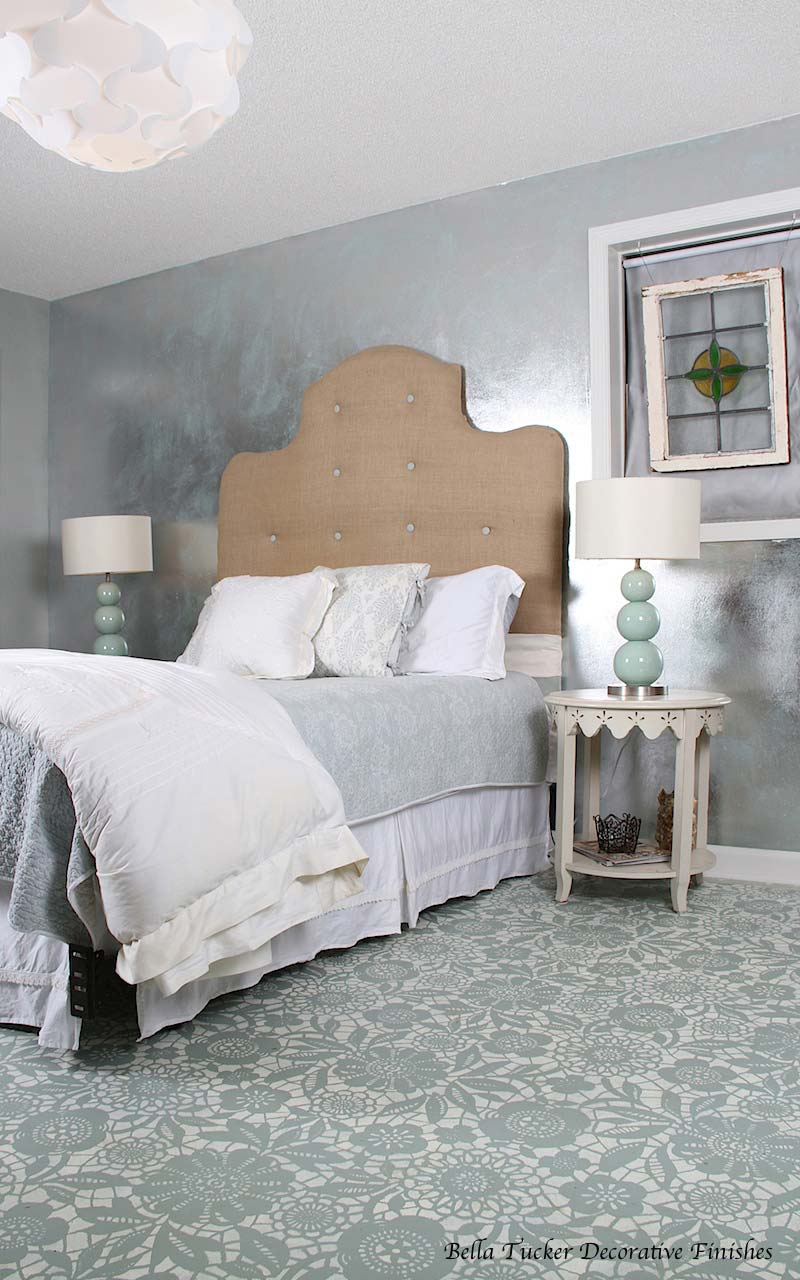
- Stenciled Patterns: From intricate Moroccan tiles to simple geometric designs, stencils can add incredible visual interest and depth.
- Faux Rugs: Paint a “rug” in the center of the room or under the bed for a decorative touch that’s easy to clean.
- Stripes or Geometric Designs: Use painter’s tape to create bold stripes (horizontal to widen, vertical to lengthen), chevron, or checkerboard patterns.
- Distressed/Aged Look: Achieve a rustic or vintage aesthetic by sanding through some layers after painting or applying a thin wash of contrasting color.
Step onto Your Dream Bedroom Floor
Painting your bedroom floor is a project that delivers immense satisfaction and a truly custom result. It requires diligence, especially in the prep work, but the reward is a beautiful, durable, and unique floor that transforms your personal sanctuary. You’ll not only save money but also gain a deep sense of accomplishment every time you step into your refreshed space. So go ahead, pick your perfect color, gather your supplies, and create the bedroom floor of your dreams!

Frequently Asked Questions
What kind of paint is best for a bedroom floor?
For most bedroom floors, a high-quality acrylic latex porch and floor enamel is your best bet. It offers a good balance of durability, ease of application, low odor, and quick drying times. For extremely high durability or specific surfaces like concrete, epoxy coatings or oil-based enamels can be considered, but they require more intensive prep and ventilation.
Do I need to sand the floor before painting?
Yes, sanding is a crucial step! For wood or plywood, a light scuff sand with 80-120 grit sandpaper creates a ‘tooth’ for the primer and paint to adhere to, preventing peeling. For previously sealed or very smooth surfaces like concrete or even laminate, sanding or an etching product is necessary to ensure proper adhesion. Always clean thoroughly after sanding.
How many coats of paint and sealer do I need?
Typically, you’ll need at least two coats of primer (sometimes more for problematic surfaces like raw wood or previously stained floors), two to three coats of floor paint for good coverage and color depth, and then two to three coats of a clear topcoat/sealer for maximum durability and protection. Always follow the manufacturer’s recommendations for specific products.
How long does a painted bedroom floor last?
With proper preparation, quality materials, and regular maintenance, a painted bedroom floor can last anywhere from 5 to 10 years or even longer. The lifespan depends heavily on the type of paint and sealer used, the amount of foot traffic, and how well it’s maintained. Reapplying a topcoat every few years can significantly extend its life.
Can I paint over a stained or varnished wood floor?
Yes, you can! The key is proper preparation. You’ll need to clean the floor thoroughly, sand it lightly to create a rough surface for adhesion, and then apply a high-quality stain-blocking primer. This primer will prevent any old stain or varnish from bleeding through your new paint color and ensure your paint adheres firmly to the existing finish.
What’s the difference between dry-to-touch and full cure time?
Dry-to-touch means the surface isn’t tacky and you can potentially apply another coat, but the paint is still soft and vulnerable. Full cure means the paint and sealer have completely hardened and reached their maximum durability. This process can take days or even weeks. It’s crucial to avoid placing heavy furniture or rugs on the floor during the full cure period to prevent indentations or sticking.