How to Decorate a Bedroom with Slanted Ceilings: The Definitive Guide to Maximizing Style and Space
Let’s be real: A bedroom with a slanted ceiling can feel like both a blessing and a curse. On one hand, it offers unique architectural character, a cozy nook that hints at storybook charm or modern minimalism. On the other, it can be a head-scratching challenge. Where do you put the bed? How do you make it feel spacious, not cramped? How do you even hang art on a diagonal wall?
If you’ve found yourself staring at those angles, feeling a mix of frustration and inspiration, you’re in the right place. I’ve tackled countless slanted ceiling bedrooms, and I know the secret isn’t just finding ideas; it’s understanding the strategy. This isn’t just a list of pretty pictures; this is your practical, human-first guide to transforming that ‘problem’ room into your favorite sanctuary. We’re going to break down the architectural puzzle pieces and give you the confidence to design a space that feels both expansive and exquisitely personal.
Understanding Your Slanted Canvas: Embrace or Camouflage?
Before you move a single piece of furniture or pick up a paint brush, you need to make a fundamental decision: Do you want to embrace the unique angles of your slanted ceiling, turning them into a design feature, or do you want to camouflage them, creating an illusion of uniformity and greater space? There’s no right or wrong answer, but your choice will dictate every design decision that follows.
Embracing the Angles: Making a Feature Out of Slants
Choosing to embrace your slanted ceilings means seeing them as an asset, not an obstacle. It’s about highlighting their unique form and letting them contribute to the room’s character. Think of it like a beautiful architectural quirk that deserves attention.
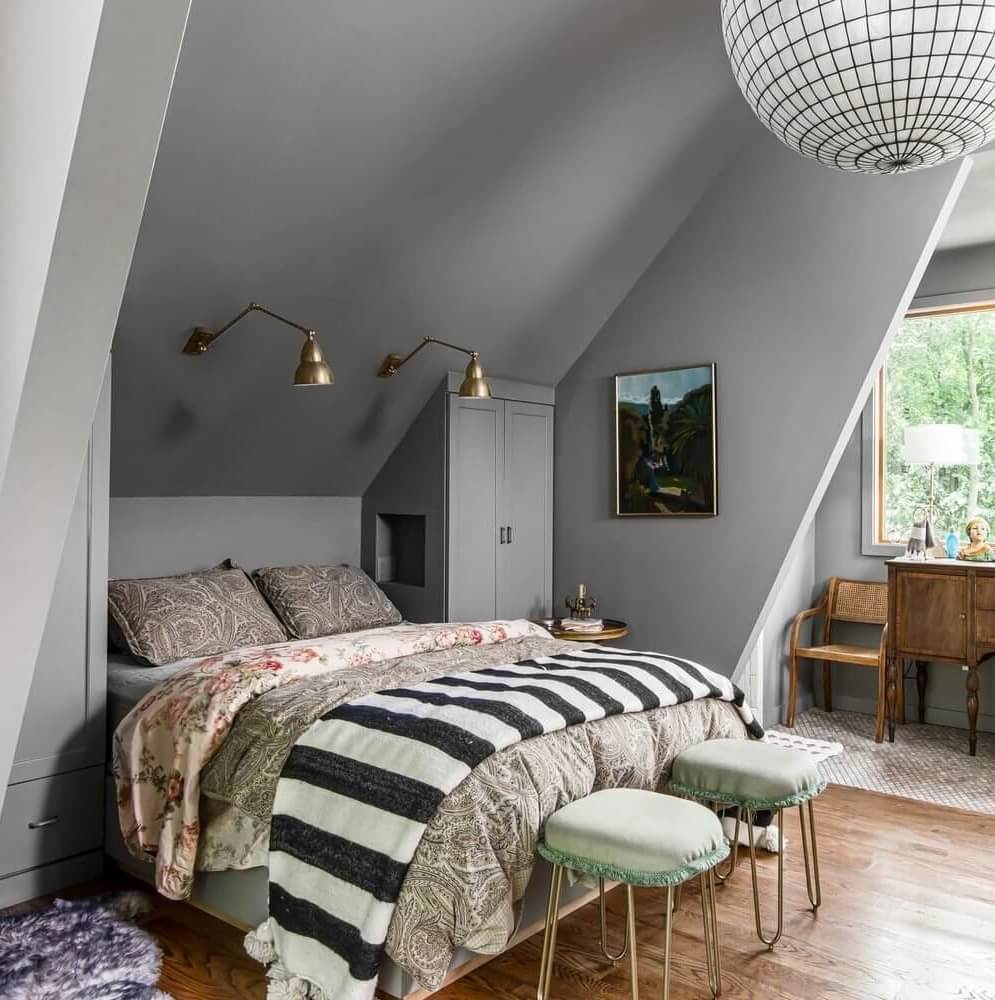
- Highlighting Unique Architecture: Use lighting to draw attention to the lines. A well-placed track light or sconce can cast interesting shadows that emphasize the ceiling’s geometry.
- Using Paint to Draw Attention: Consider painting the slanted portion a different, complementary color to the vertical walls, or even a bold wallpaper. This creates a focal point and clearly defines the architectural elements. A rich, deep hue can make the slant feel incredibly cozy and inviting.
- Creative Lighting to Emphasize Lines: Think about linear LED strips along the eaves or uplights that wash the slanted surface in a soft glow, making it a prominent feature.
Camouflaging the Slopes: Creating a Sense of Space and Uniformity
If your goal is to make the room feel larger, taller, or simply less angular, camouflaging the slopes is your path. This approach focuses on softening the angles and making the ceiling recede visually, creating a more traditional, open feel.
- Using Neutral Colors: Paint the entire room – all walls and the slanted ceiling – the same light, neutral color. This blurs the distinction between wall and ceiling, making the boundaries less obvious and the room feel more expansive. Whites, off-whites, and very pale grays or blues work wonders here.
- Strategic Lighting to Soften Angles: Avoid lighting that harshly highlights the angles. Instead, opt for ambient lighting that evenly illuminates the space. Recessed lighting, flush-mount fixtures (where ceiling height allows), and well-placed lamps can create a uniform glow that makes angles less prominent.
- Visual Tricks to Make the Ceiling Recede: Consider painting the ceiling a color that is a shade lighter than the walls, or even a true white if the walls are light. This classic trick helps lift the ceiling visually.
| Approach | Goal | Key Techniques | Best For |
|---|---|---|---|
| Embracing Angles | Highlighting unique architecture, creating character. | Accent paint/wallpaper on slopes, emphasizing lines with lighting, bold decor. | Rooms with interesting angles, a desire for cozy charm or dramatic flair. |
| Camouflaging Slopes | Creating an illusion of uniformity, making the room feel larger/taller. | Monochromatic light paint scheme, soft ambient lighting, minimizing visual breaks. | Smaller rooms, desire for spaciousness, modern minimalist aesthetics. |
Strategic Furniture Placement: Unlocking Your Bedroom’s Potential
This is where many people get stuck. Slanted ceilings often mean limited full-height wall space, which impacts everything from your bed placement to your storage. The key is to think creatively and embrace multi-functional pieces.
The Bed: Your Anchor in an Angled Room
The bed is the largest piece of furniture, so its placement is paramount. It sets the tone for the entire room.
- Under the Lowest Point/Eave: If the lowest point of your slanted ceiling allows for comfortable head height when sitting up, placing your bed here can be incredibly effective. It utilizes an otherwise tricky space, often creating a cozy, nestled feel. Just ensure there’s enough clearance so you’re not bumping your head. Consider a bed without a headboard or a very low-profile one to avoid clashing with the slope.
- Against the Highest Wall: If you have a decent-sized vertical wall, this is often the most straightforward option. It allows for a traditional headboard and bedside tables.
- Platform Beds for Lower Ceilings: In rooms with very low ceilings or steeply pitched slants, a platform bed can be a savior. Its lower profile instantly gives more visual clearance above, making the room feel less top-heavy.
- No Headboard/Low Headboard: In most slanted ceiling scenarios, a bulky headboard can visually block the space and emphasize the angle in a negative way. Opt for a sleek, low headboard, an upholstered wall panel, or no headboard at all, letting your pillows and bedding define the sleep zone.
Smart Storage Solutions for Awkward Spaces
Slanted ceilings often create ‘dead zones’ – areas under the slope that are too low for standing but perfect for clever storage. This is where customization truly shines.
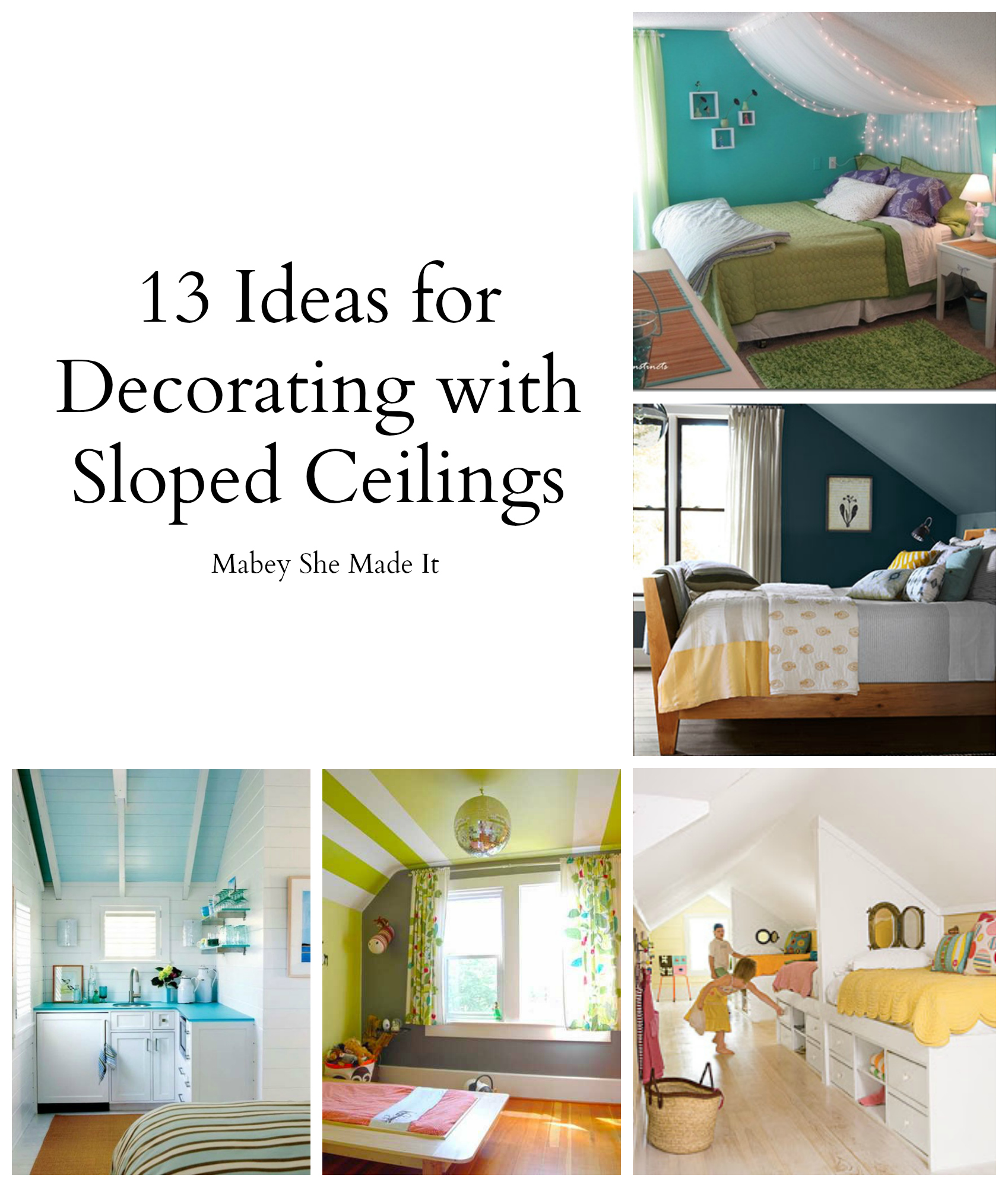
- Built-in Shelves and Drawers Under Eaves: This is perhaps the most effective way to utilize the lowest parts of your room. Custom built-in units, whether open shelving or drawers, can fit perfectly into these angled spaces, providing invaluable storage for books, clothes, or decorative items.
- Low Profile Dressers: Instead of tall wardrobes, opt for wide, low dressers that can sit comfortably under the slope. You can often find modular units that fit together to create a continuous run of storage.
- Wall-Mounted Units Where Ceiling Allows: On any full-height walls you have, utilize vertical space with floating shelves or wall-mounted cabinets. These keep the floor clear and add valuable storage without encroaching on floor space.
- Custom Cabinetry as a Game-Changer: While an investment, custom cabinetry designed specifically for your room’s angles can transform an awkward space into a highly functional and beautiful feature. Think integrated wardrobes that follow the slant, or a combination of drawers and cubbies.
Desks and Seating: Utilizing Nooks and Crannies
Even small, seemingly unusable corners can become functional zones with the right approach.
- Built-in Desks: A custom desk can be built right into a low-slanted wall, creating a perfect study or work nook that maximizes the space without feeling bulky.
- Window Seats in Dormers: If your bedroom has dormer windows, these are prime locations for a cozy window seat. Add cushions and pillows, and you’ve got a reading spot with integrated storage underneath.
- Small Armchairs or Poufs: Tucked into a corner where the ceiling allows for comfortable sitting height, a small armchair or a stylish pouf can create a lovely reading nook without taking up too much precious floor space.
Mastering Color and Light: Illusion and Ambiance
Color and light are your secret weapons in a slanted ceiling bedroom. They can dramatically alter perception, making a small room feel grand or an awkward space feel intentionally cozy.
The Magic of Color: Making Your Room Feel Bigger, Brighter, or Cozier
Color isn’t just aesthetic; it’s psychological and spatial.
- Light Colors for Expansiveness: As mentioned, light, cool colors (whites, pale blues, soft grays) reflect more light, making a room feel larger and airier. Use them on all walls and the ceiling to create a seamless, expansive envelope.
- Monochromatic Schemes: Sticking to one color family across walls, ceiling, and even some furniture can create a harmonious, unified look that minimizes the visual breaks caused by angles. This promotes a feeling of spaciousness.
- Accent Walls (Carefully Chosen): If you want an accent wall, choose the vertical wall with the highest ceiling. A bold color or wallpaper here can draw the eye upwards and away from the lowest slant. Avoid accenting a slanted wall if your goal is to make the room feel bigger, as it will highlight the angle.
- Painting Ceiling and Walls the Same Color: This is a powerful trick for camouflaging angles. By blurring the line where the wall ends and the ceiling begins, you create a soft, continuous flow that makes the room feel less boxy and often larger.
Illuminating the Angles: Strategic Lighting Design
Lighting is crucial in any room, but especially in one with tricky angles. It can create ambiance, highlight features, or make angles recede.
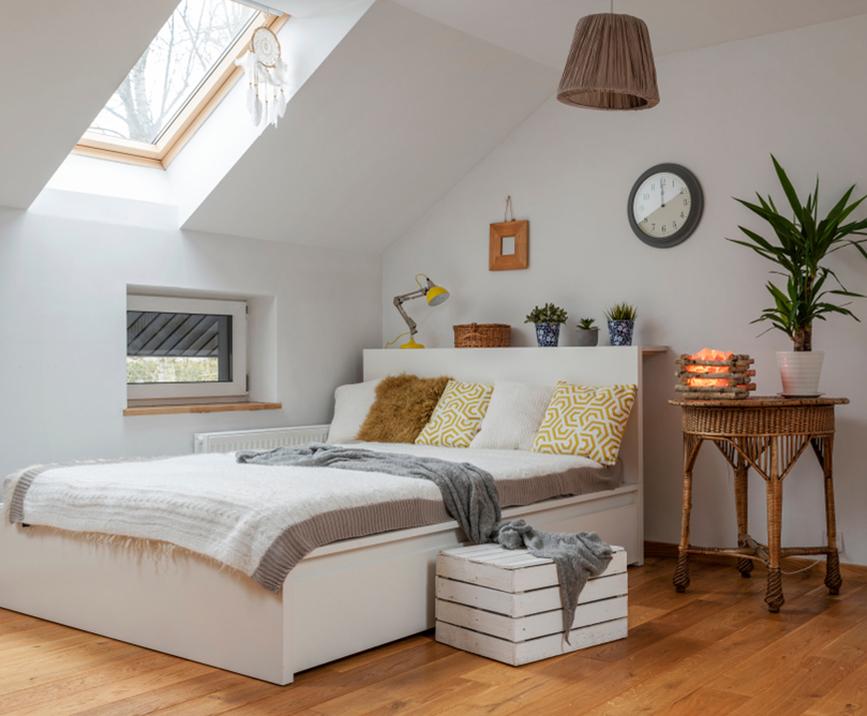
- Avoiding Harsh Overheads: Large, central overhead lights can emphasize shadows and the awkwardness of a slanted ceiling. Instead, layer your lighting.
- Recessed Lighting (Where Possible): If your ceiling structure allows, recessed lights can provide excellent ambient illumination without cluttering the visual space. They offer a clean, unobtrusive look.
- Wall-Mounted Sconces: Sconces are perfect for slanted walls. They provide ambient or task lighting without needing floor or table space, and their upward or downward glow can softly illuminate the slope without harsh shadows.
- Task Lighting (Lamps): Bedside lamps, floor lamps, and desk lamps are essential. They provide focused light for reading or working and add a cozy glow, grounding the space.
- Up-lighting to Lift the Ceiling: Place floor lamps or small uplights in corners or along walls, directing light upwards towards the slanted ceiling. This washes the ceiling in light, visually lifting it and making the room feel taller.
- String Lights for Ambiance: For a whimsical, cozy touch, string lights can be draped along the edges of the slanted ceiling or across beams, adding a soft, diffused glow that enhances the room’s character.
Decor and Details: Personalizing Your Angled Haven
Once the big pieces are in place, it’s time to infuse your personality. Decorating slanted walls requires a bit of finesse, but the results can be stunning.
Wall Decor on Slanted Surfaces
Don’t let the angles deter you from displaying art!
- Gallery Walls (Smaller Pieces): A carefully curated gallery wall featuring smaller, lightweight frames can work wonders on a slanted wall. Arrange them to follow the slope’s line or create a dense cluster that feels intentional. Use temporary adhesive strips for easy adjustments.
- Mirrors for Light and Depth: Strategically placed mirrors can bounce light around the room, making it feel larger and brighter. A mirror on a vertical wall can create the illusion of added space, while smaller mirrors on slanted walls can add a decorative touch.
- Textured Wallpaper or Murals (Specific Applications): If you’ve chosen to embrace the angles, a beautiful textured wallpaper or a subtle mural on a slanted wall can be a dramatic focal point. For camouflaging, stick to vertical walls for bolder statements or a very subtle texture on all surfaces.
Textiles and Soft Furnishings
These elements bring warmth, color, and comfort, crucial for a bedroom.
- Rugs to Define Zones: A large area rug can anchor the bed, define the sleep zone, and add warmth, especially if the floor space feels disjointed due to angles.
- Curtains/Blinds for Dormer Windows: For dormer windows, consider inside-mount blinds or shades to maintain a clean line. If you prefer curtains, hang them just inside the dormer frame to avoid obscuring the architectural detail or conflicting with the slant. Floor-length curtains on vertical windows can help draw the eye down, creating a sense of height.
- Pillows, Throws to Add Coziness: Layering textiles on your bed and any seating areas instantly adds comfort and visual interest, making the room feel inviting and lived-in.
Creative Accents and Greenery
- Plants in Corners: Plants add life and softness. Place taller, upright plants in corners where the ceiling height allows, or low-growing plants on dressers and shelves to bring natural elements into the room.
- Low-Profile Decor Items: On shelves or surfaces under a slant, choose decor that is horizontally oriented or low to the ground. This keeps the visual line clear and prevents the space from feeling cluttered.
Advanced Tips for Maximizing Slanted Ceiling Bedrooms
Ready to take your slanted ceiling bedroom to the next level? These advanced tips focus on optimization and long-term enjoyment.
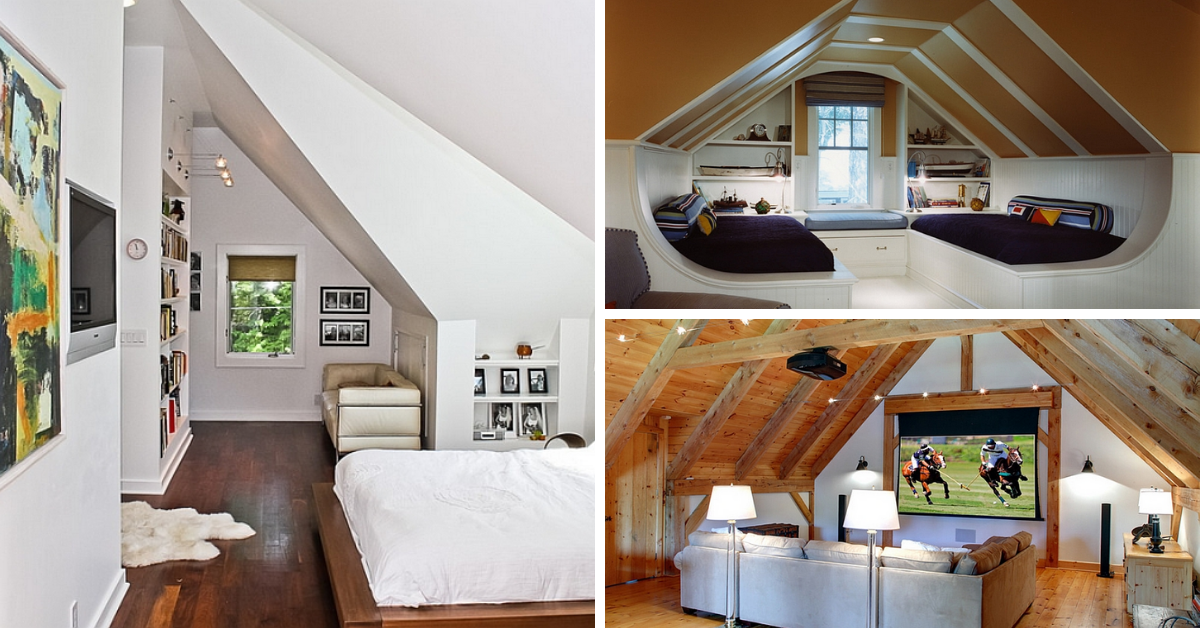
The Power of Customization
While DIY solutions are great, sometimes an investment in custom pieces pays dividends.
- Why Custom Built-ins Are Worth It: If budget allows, custom built-in storage or a desk designed to precisely fit your angles will be the single most transformative element in your room. It maximizes every inch of space, looks seamless, and adds significant value.
- DIY Hacks for Built-in Looks: You can achieve a built-in look on a budget by using IKEA hacks or pre-made cabinetry that you modify. Paint them the same color as your walls for a cohesive, integrated appearance.
Creating Zones within Your Space
Even in a smaller, angled room, you can define distinct areas for different activities.
- Defining Sleep, Work, and Relaxation Areas: Use rugs, furniture placement, and even different lighting types to create visual ‘zones.’ A rug under the bed defines the sleep area, a desk tucked into a dormer becomes a work zone, and a cozy armchair with a floor lamp creates a reading nook.
Don’t Forget the Floor!
The floor is often overlooked, but it’s crucial for flow and perceived space.
- Maximizing Floor Space: Keep pathways clear. Opt for furniture with legs rather than solid bases to allow light to pass underneath, making the room feel lighter and more open.
- Low-Profile Furniture: Beyond the bed, consider low-profile benches or storage ottomans that can tuck neatly under lower slants without blocking sightlines.
| Common Problem | Design Solution | Key Benefit |
|---|---|---|
| Room feels cramped/small. | Monochromatic light color scheme, strategic uplighting, low-profile furniture. | Creates illusion of larger, more open space and higher ceilings. |
| Awkward ‘dead zones’ under slants. | Custom built-in storage (shelves, drawers), low dressers, window seats. | Maximizes storage and functionality, turning wasted space into an asset. |
| Difficulty with bed placement. | Place bed under low eave with no/low headboard, use platform beds, anchor to highest wall. | Optimizes primary furniture placement for comfort and flow. |
| Lack of sufficient light/dark corners. | Layered lighting (sconces, task lamps, uplights), mirrors to reflect light. | Ensures adequate illumination and creates inviting ambiance, minimizes shadows. |
| Unsure how to decorate slanted walls. | Gallery walls with small frames, mirrors, carefully chosen accent wallpaper/murals. | Adds personality and visual interest without overwhelming the unique architecture. |
Conclusion: Embrace Your Unique Angles
Decorating a bedroom with slanted ceilings doesn’t have to be a battle. In fact, it’s an opportunity to create a truly unique and incredibly personal space that reflects your style. By understanding the core principles of design – deciding whether to embrace or camouflage, thinking strategically about furniture, harnessing the power of color and light, and adding thoughtful details – you can transform any tricky angle into a celebrated feature.

Remember, your bedroom is your sanctuary. Don’t be afraid to experiment, play with ideas, and most importantly, trust your instincts. With these strategies, you’re not just decorating a room; you’re crafting a haven that feels both beautiful and perfectly tailored to you. Now go forth and conquer those angles!
Frequently Asked Questions
Where should I place the bed in a bedroom with a slanted ceiling?
The most common and effective placements are either directly under the lowest point of the slant (ensuring enough headroom for sitting up comfortably) or against the highest vertical wall. For low slants, consider a platform bed or one without a headboard to maximize visual space.
How can I make a slanted ceiling bedroom feel larger?
To make the room feel larger, use a light, monochromatic color scheme on all walls and the slanted ceiling. Employ strategic lighting, such as uplights and recessed fixtures, to distribute light evenly and visually lift the ceiling. Use low-profile furniture and mirrors to reflect light and create an illusion of depth.
What kind of storage works best with slanted ceilings?
Custom built-in shelves, drawers, or cabinetry designed to fit precisely under the eaves are ideal for utilizing awkward ‘dead zones.’ Low-profile dressers, benches with storage, and wall-mounted shelves on vertical walls also work well to maximize storage without encroaching on the room’s limited full-height space.
Can I hang art or wallpaper on a slanted wall?
Absolutely! For art, consider a gallery wall with smaller, lighter frames arranged to either follow the slope or create an intentional cluster. For wallpaper, if you want to embrace the angle, a textured or subtly patterned design can be striking. If camouflaging the slant, stick to vertical walls for bold patterns or use a very light, uniform texture on all surfaces.
What are the best lighting options for a slanted ceiling bedroom?
Layered lighting is key. Avoid harsh central overhead lights. Instead, opt for recessed lighting (if feasible), wall-mounted sconces that illuminate the slope, task lighting from floor or bedside lamps, and uplights that wash the ceiling in light to create a sense of height and softness. String lights can also add a cozy ambiance.
Should I paint the slanted ceiling the same color as the walls?
It depends on your goal. If you want to make the room feel larger and less angular (camouflage), painting all walls and the slanted ceiling the same light, neutral color is highly effective as it blurs the visual boundaries. If you want to highlight the unique architecture (embrace), you could paint the slanted portion a contrasting or accent color.
How can I make the room feel cozy without feeling cramped?
Achieve coziness by layering textiles (rugs, throws, pillows), incorporating warm, indirect lighting (lamps, string lights, sconces), and selecting comfortable, appropriately scaled furniture. Even with light colors for expansiveness, you can introduce warmth through wood tones, textures, and personal decor items, creating an inviting atmosphere without sacrificing perceived space.