Does Blue And Grey Go Together In A Bedroom? Absolutely, Here’s How To Master It.
Staring at those paint swatches, wondering if blue and grey will play nice in your bedroom? Or maybe you’ve seen a few inspirational photos and felt a flicker of hope, but still aren’t quite convinced it’s the right choice for your personal sanctuary. Well, let me settle this for you right now: yes, blue and grey are a match made in design heaven, especially for a bedroom. They’re not just compatible; they’re complementary, versatile, and capable of creating an atmosphere that feels both sophisticated and deeply calming.
Think about it: blue evokes the vastness of the sky and the tranquility of the ocean, while grey provides a stable, elegant foundation, like a serene landscape. Together, they create a harmonious balance that’s hard to beat. But making this dynamic duo work isn’t just about throwing any blue and any grey together. It’s about understanding the nuances, playing with shades, and strategically introducing other elements to elevate the space from simply ‘nice’ to ‘wow’.
I’m here to guide you through mastering this timeless color combination, turning your bedroom into the peaceful, stylish retreat you deserve. We’ll dive into the psychology, explore the best pairings, and discover how to layer textures and accents to create a truly bespoke look. Let’s get started.
Why Blue & Grey Are Your Bedroom’s Dream Team
Before we get into the practicalities, let’s understand why these two colors inherently work so well together, particularly in a bedroom setting. It’s more than just aesthetics; it’s rooted in color psychology and design principles.
The Psychology of Serenity: Blue’s Calming Embrace
Blue is consistently ranked as one of the most popular colors globally, and for good reason. It’s often associated with peace, tranquility, stability, and reliability. In a bedroom, these attributes are gold. Lighter blues can feel airy and expansive, mimicking a clear sky, while deeper blues like navy or indigo bring a sense of depth, security, and quiet sophistication, like a twilight horizon. It’s a color that naturally lowers heart rates and promotes relaxation, making it ideal for a space dedicated to rest and rejuvenation.
Grey’s Grounding Grace: The Ultimate Neutral
Grey, on the other hand, is the ultimate neutral. Far from being boring, it’s incredibly versatile and sophisticated. Grey provides a stable, grounding backdrop that allows other colors to shine. It can be cool and modern, warm and inviting (think ‘greige’ or warmer undertones), or deep and dramatic like charcoal. In a blue and grey bedroom, grey acts as the anchor, preventing the blues from becoming overwhelming or too saccharine. It brings a sense of balance, maturity, and understated elegance, allowing your eyes to rest.
A Perfect Balance: Cool & Collected Harmony
When combined, blue and grey strike a beautiful balance. Blue typically carries cool undertones (though some can lean warmer, like teal), and grey can be either cool or warm. Pairing them creates a naturally cohesive palette that feels collected and intentional. The grey grounds the blue, giving it a stage, while the blue often adds a touch of personality and softness to the grey. The result is a palette that feels calm, clean, and endlessly adaptable – perfect for fostering a serene sleep environment and a stylish personal space.
Decoding The Duo: Best Blue & Grey Pairings for Your Sanctuary
The magic of blue and grey truly comes alive when you consider the vast spectrum of shades within each color. This isn’t a one-size-fits-all situation; different pairings evoke distinct moods and styles. Let’s break down some of my favorite combinations.
Light Blue & Soft Grey: Airy & Ethereal
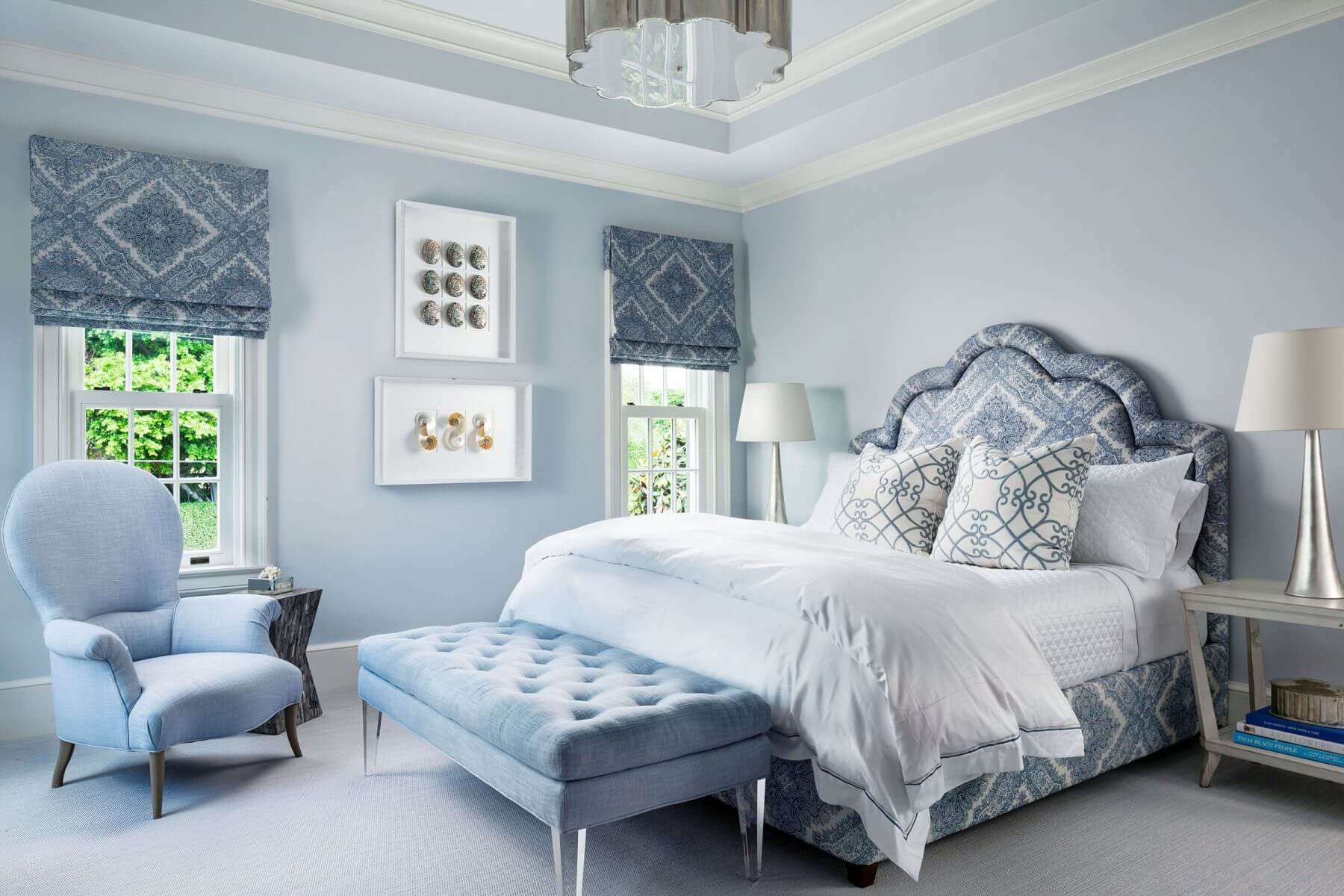
Imagine a clear spring sky against gentle clouds. This pairing is all about creating a sense of openness, freshness, and understated elegance. Think pale sky blue, dusty blue, or an almost-white blue mixed with a light, silvery grey or a very pale, almost off-white grey. It’s fantastic for smaller bedrooms, as these lighter tones make the space feel larger and brighter.
- Mood: Calm, airy, tranquil, minimalist, refreshing.
- Best Use: Walls, large furniture pieces, bedding for a light, ethereal feel.
Navy Blue & Charcoal Grey: Deep & Dramatic
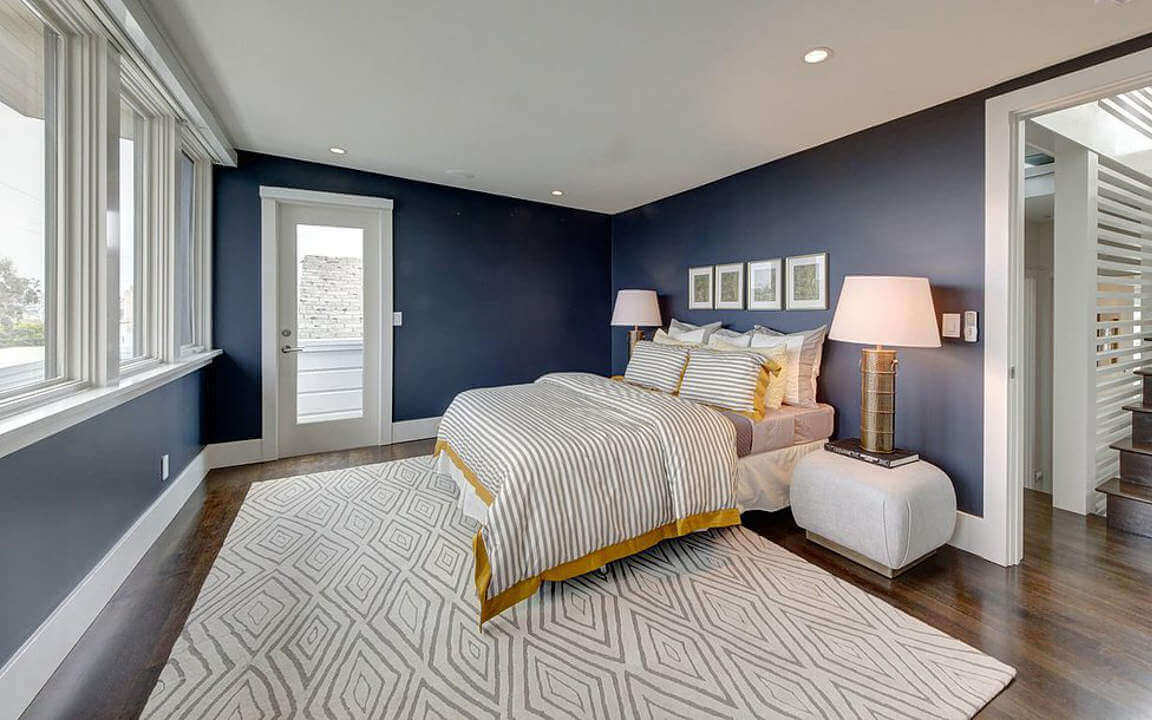
This is where sophistication meets cozy. A rich, deep navy blue paired with a dark charcoal or even a deep slate grey creates a dramatic, luxurious, and incredibly grounding atmosphere. It’s perfect for a master bedroom where you want to evoke a sense of intimacy and depth. To prevent it from feeling too heavy, ensure you have good lighting and introduce lighter accents.
- Mood: Luxurious, cozy, sophisticated, dramatic, intimate.
- Best Use: Feature walls, plush textiles, significant furniture elements.
Dusty Blue & Warm Grey (Greige): Sophisticated & Inviting
If you’re worried about a blue and grey scheme feeling too cold, this is your answer. Dusty blue (a muted, desaturated blue with grey undertones) naturally harmonizes with a warm grey or ‘greige’ (a blend of grey and beige). This combination is incredibly sophisticated, timeless, and surprisingly warm, creating an inviting and comfortable atmosphere without sacrificing elegance.
- Mood: Inviting, sophisticated, cozy, timeless, serene.
- Best Use: Full room palette, blending seamlessly across walls, furniture, and textiles.
Teal/Turquoise & Silver Grey: Vibrant & Modern
Want a touch more personality and vibrancy? Introduce teal or turquoise! These blues have a green undertone, making them feel richer and more energetic. Pair them with a crisp silver grey or a medium cool grey for a modern, chic look. This combination can be incredibly uplifting and playful, while still maintaining a sense of calm thanks to the grey.
- Mood: Modern, vibrant, chic, refreshing, energetic.
- Best Use: Accent walls, statement furniture pieces, decorative accessories.
| Blue Shade | Recommended Grey Pairing | Achieved Mood | Best Application |
|---|---|---|---|
| Light/Sky Blue | Soft Silver Grey, Off-White Grey | Airy, Expansive, Tranquil, Minimalist | Walls, bedding, large area rugs |
| Navy Blue | Charcoal Grey, Deep Slate Grey | Luxurious, Dramatic, Intimate, Grounding | Accent wall, velvet upholstery, substantial drapes |
| Dusty Blue | Warm Grey (Greige), Stone Grey | Sophisticated, Inviting, Timeless, Cozy | Whole room palette, upholstered headboard, throws |
| Teal/Turquoise | Silver Grey, Medium Cool Grey | Modern, Vibrant, Refreshing, Chic | Decorative accents, art, one statement piece of furniture |
| Medium Blue | Mid-Tone Grey, Concrete Grey | Balanced, Contemporary, Versatile | Walls, patterned rugs, curtains |
Beyond Paint: Bringing Blue & Grey To Life Through Elements
A bedroom isn’t just walls and furniture; it’s a tapestry of textures, light, and personal touches. Here’s how to weave blue and grey throughout your space using various elements.
Walls That Whisper: Paint & Wallpaper Choices
- All-Over Paint: A soft, light blue on all walls with grey bedding and furniture creates an expansive, airy feel. Conversely, deep navy walls with charcoal accents can be incredibly dramatic and cocooning.
- Accent Wall: If you’re hesitant to commit, paint one wall in a bolder blue (like navy or teal) and keep the other three walls in a complementary soft or mid-tone grey.
- Two-Tone Walls: Consider painting the lower half of your walls in a darker blue and the upper half in a lighter grey (or vice versa) for a sophisticated architectural detail.
- Wallpaper: A subtle blue and grey patterned wallpaper can add incredible depth and interest without overwhelming the room. Think geometric patterns, damask, or even a soft botanical print.
Furniture Foundations: Beds, Dressers, & Nightstands
- Upholstered Pieces: An upholstered headboard in a luxurious grey velvet or a clean blue linen can be a stunning focal point.
- Wood Tones: Wood furniture (light oak, rich walnut, or even painted white wood) provides a natural warmth and grounding element against blue and grey. It’s an essential contrast to prevent the room from feeling too sterile.
- Painted Furniture: Consider painting an old dresser or nightstand in a soft blue or grey to tie the color scheme together.
Textile Textures: Bedding, Rugs, Curtains
This is where you can truly layer and build comfort. Texture is paramount in a blue and grey scheme to add warmth and interest.
- Bedding: Start with crisp white sheets, then layer with a grey duvet or quilt, and finish with throw pillows and blankets in various shades of blue (navy, dusty blue, sky blue) and different textures (knit, faux fur, velvet, linen).
- Rugs: An area rug can anchor the entire room. A large grey rug provides a neutral base, while a blue and grey patterned rug can introduce visual interest. Consider soft wool, jute, or a high-pile shag for ultimate comfort.
- Curtains: Drapery in a rich blue or a soft grey fabric (think linen or velvet) can frame your windows beautifully, adding height and softness.
Accents That Pop: Artwork, Lighting, Decor
- Artwork: Choose pieces that incorporate blue and grey, or introduce a complementary color. Abstract art, landscapes, or even simple photography can enhance the theme.
- Lighting: Lamps with metallic bases (silver, gold, bronze) and fabric shades can add a touch of glamour. Consider wall sconces for ambient light or a statement chandelier.
- Decorative Objects: Vases, candles, books, and small sculptural pieces in varying shades of blue, grey, and your chosen accent colors (we’ll get to those next!) will complete the look.
- Greenery: Plants add life, color, and a natural element that beautifully complements blue and grey. Think snake plants, ZZ plants, or even a simple eucalyptus branch in a vase.
The Secret Sauce: Adding Complementary Colors To Your Blue & Grey Palette
While blue and grey are powerful on their own, introducing a third (or even fourth) accent color can elevate your bedroom from beautiful to absolutely stunning. These additional hues add personality, warmth, and visual intrigue. Here are some top picks:
White: Crispness & Contrast
This is the simplest and often most effective addition. Crisp white trim, bedding, or accessories provide a clean break and a fresh contrast, preventing the blues and greys from feeling too heavy or monotonous. It adds an immediate sense of brightness and cleanliness.
Wood Tones: Natural Warmth
As mentioned before, natural wood (from light birch to dark walnut) introduces an organic warmth that is crucial for balancing the coolness of blue and grey. Consider a wooden headboard, nightstands, flooring, or decorative objects like carved bowls or picture frames.
Metallics (Gold, Silver, Bronze): Glamour & Shine
Metallics add a touch of luxury and sophistication. Silver or chrome enhance the cool tones and a modern aesthetic. Gold or brass introduce a warm, glamorous touch, perfect for balancing cooler blues and greys. Bronze or copper can offer a more earthy, rustic-chic vibe. Use them in lamp bases, mirror frames, drawer pulls, or decorative trays.

Soft Pinks/Corals: Gentle Femininity
For a softer, more romantic touch, consider blush pink, dusty rose, or muted coral. These colors add a gentle warmth and a touch of unexpected charm, creating a welcoming and sophisticated space. Think throw pillows, a delicate vase, or a piece of abstract art.
Sage Green: Earthy Serenity
Green is a natural partner for blue, and a muted sage green blends seamlessly with grey. This combination evokes a sense of nature, bringing the tranquility of the outdoors in. It’s a subtle way to add color without overwhelming the serene palette. Ideal for plants, small accents, or even a subtle patterned textile.
Mustard Yellow/Ochre: Unexpected Pop
If you’re feeling bold, a touch of mustard yellow or rich ochre can add a vibrant, energetic pop to a blue and grey room. This unexpected contrast is invigorating and stylish, especially when used sparingly in cushions, a throw, or a piece of art. It brings a modern, artistic flair.
| Complementary Color | Effect on Blue & Grey Palette | Example Usage |
|---|---|---|
| White | Adds crispness, brightness, freshness; prevents heaviness. | Trim, bedding, sheer curtains, ceiling. |
| Natural Wood Tones | Introduces organic warmth, grounding, natural element. | Furniture, flooring, decorative bowls, picture frames. |
| Gold/Brass | Adds warmth, luxury, glamour; balances cool tones. | Light fixtures, mirror frames, decorative objects. |
| Silver/Chrome | Enhances modern feel, adds sleekness and cool sparkle. | Lamp bases, furniture hardware, decorative trays. |
| Soft Pink/Coral | Introduces gentle warmth, femininity, romantic touch. | Throw pillows, small floral arrangements, accent ceramics. |
| Sage Green | Adds earthy serenity, natural harmony, tranquil accent. | Indoor plants, subtle patterned textiles, ceramic vases. |
| Mustard Yellow/Ochre | Creates a vibrant, energetic, modern, and unexpected pop. | Accent cushions, a single piece of art, a small decorative bowl. |
Mastering The Mix: Practical Design Tips & Tricks
Now that you have your colors and elements, let’s talk about some overarching design principles to ensure your blue and grey bedroom looks professionally styled.
Don’t Fear the Contrast: Balancing Light & Dark
Contrast is essential for creating visual interest. If you go with light blue walls, consider a darker grey rug or vice versa. Avoid having everything be the exact same value (lightness/darkness) as this can make the room feel flat. A balance of light and dark elements will add depth and dynamism to your space.
Layering is Key: Texture, Texture, Texture!
I cannot emphasize this enough. Since blue and grey can sometimes be perceived as cool colors, texture is your secret weapon for warmth and coziness. Combine smooth finishes (like painted walls) with rougher textures (a chunky knit throw), soft fabrics (velvet cushions) with crisp ones (linen sheets), and natural elements (wood, jute, plants) with sleek ones (metallics, glass). These layers invite touch and create a richer, more inviting environment.

The 60-30-10 Rule: A Designer’s Best Friend
This is a classic interior design guideline that works wonders for color schemes:
- 60% Dominant Color: This is your main color, typically on the walls and larger furniture. For us, this will likely be your primary grey or blue.
- 30% Secondary Color: This color supports the dominant one and is used for things like curtains, area rugs, or an accent wall. This would be your secondary blue or grey.
- 10% Accent Color: This is your ‘pop’ of color, used for smaller items like throw pillows, artwork, decorative objects, or a single statement piece. This is where your white, wood, metallic, pink, green, or yellow comes in.
Following this rule helps create a balanced and aesthetically pleasing look, ensuring no single color overwhelms the space.
Consider Your Lighting: Natural & Artificial
Lighting profoundly impacts how colors appear. A blue that looks stunning in natural daylight might appear different under warm artificial light. Pay attention to how the blues and greys change throughout the day and evening. Incorporate different types of lighting – ambient (overhead), task (reading lamps), and accent (spotlights on art) – to create mood and flexibility. Warmer light temperatures (around 2700K-3000K) can also help inject coziness into a cool-toned room.
Personalize Your Space: Add Your Touch
Finally, your bedroom should reflect you. Don’t be afraid to incorporate personal items that might not perfectly match but hold sentimental value. Family photos, travel souvenirs, or unique finds can add character and make the room feel lived-in and loved. The blue and grey palette is a beautiful canvas, but your personality is the art.
Common Pitfalls & How To Avoid Them
Even with the perfect pairing, there are a few traps designers sometimes fall into. Here’s how to steer clear.
The “Too Cold” Trap: Injecting Warmth
Since blue and grey are generally cool colors, there’s a risk your bedroom could feel sterile or uninviting. The solution? Layers of texture, natural wood, and warm accent colors (like gold, soft pink, or ochre) are essential. Ensure you have plush rugs, soft bedding, and tactile elements. Don’t forget the power of warm lighting!
Overwhelm Warning: Less Can Be More
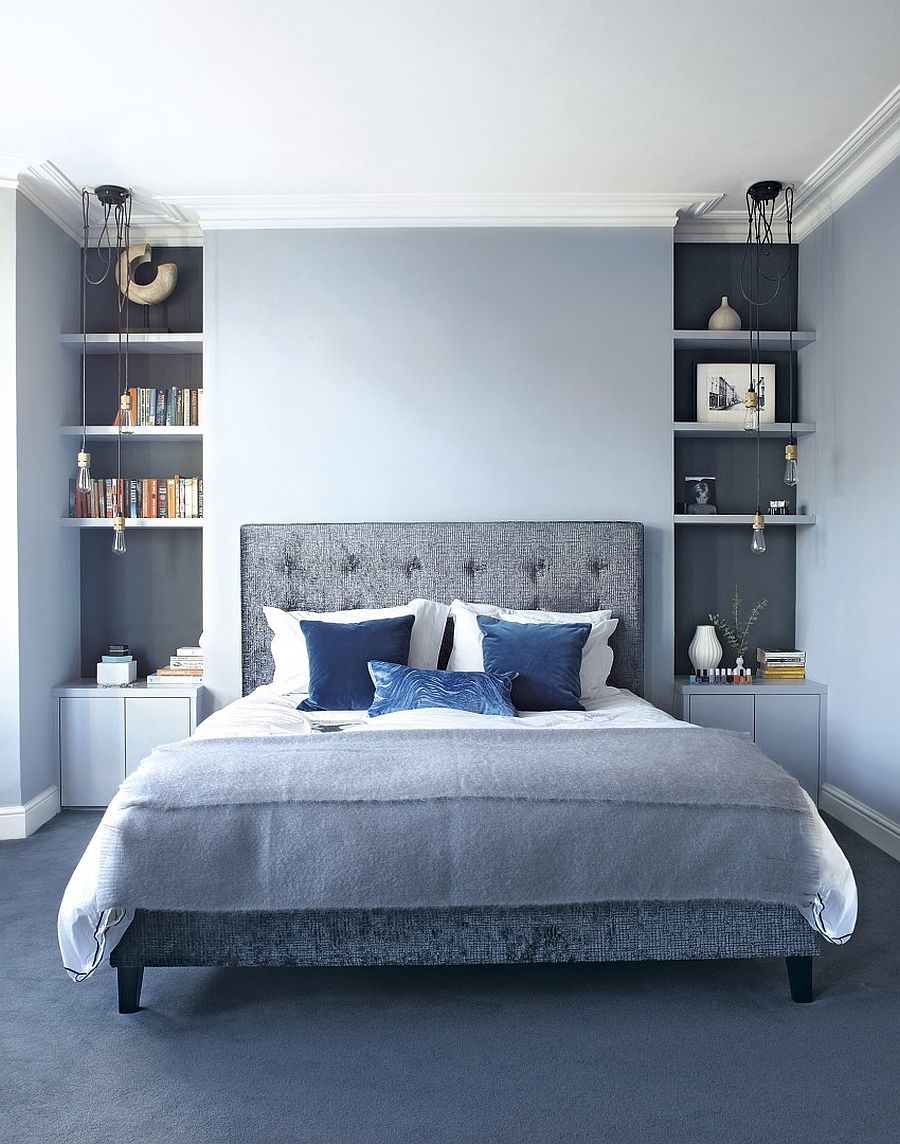
While layering is good, too many shades of blue and grey, or too many competing patterns, can make a room feel busy rather than serene. Stick to 2-3 main shades of blue and grey, and introduce patterns thoughtfully. Let some elements be solid to give the eye a place to rest.
Ignoring Undertones: A Mismatched Affair
Not all greys are created equal, and neither are all blues. Some greys have green undertones, some purple, some yellow. Blues can lean green (teal), purple (periwinkle), or true blue. Try to select blues and greys with similar undertones (e.g., a cool grey with a true blue, or a warmer greige with a dusty blue) to ensure they harmonize rather than clash. Always test paint swatches on your walls in different lighting before committing!
Your Blue & Grey Bedroom Journey Starts Now
So, does blue and grey go together in a bedroom? An emphatic yes! This classic color combination offers a foundation for a space that is both visually stunning and incredibly calming. From the serene embrace of light blue and soft grey to the dramatic luxury of navy and charcoal, the possibilities are vast and inviting.
Remember to consider the mood you want to create, experiment with different shades, layer textures generously, and introduce thoughtful accents to truly make the space your own. Your bedroom should be your sanctuary, and with blue and grey as your palette, you’re well on your way to creating a beautiful, tranquil retreat. Go ahead, grab those swatches, and start dreaming up your perfect blue and grey escape!
Frequently Asked Questions
Is blue and grey a good combination for a bedroom?
Absolutely! Blue and grey are an exceptional combination for a bedroom. Blue is known for its calming and serene qualities, promoting relaxation and better sleep, while grey provides a sophisticated, grounding, and versatile neutral base. Together, they create a balanced, harmonious, and elegant atmosphere perfect for a tranquil retreat.
What shades of blue and grey work best together?
The best shades depend on the mood you want to create. For an airy feel, pair light blue with soft silver grey. For drama and luxury, combine navy blue with charcoal grey. A dusty blue with a warm greige creates a sophisticated, inviting space. For a modern, vibrant look, consider teal or turquoise with a cool silver grey.
How can I make a blue and grey bedroom feel warm and not too cold?
To prevent a blue and grey bedroom from feeling cold, focus on incorporating warmth through texture, natural materials, and accent colors. Use plush textiles like velvet, wool, and chunky knits. Introduce natural wood tones in furniture and flooring. Add warm metallic accents (gold, brass) or soft accent colors like blush pink, mustard yellow, or sage green. Warm-toned lighting can also make a significant difference.
What accent colors go well with a blue and grey bedroom?
Many accent colors beautifully complement blue and grey. White provides crispness, natural wood tones add organic warmth, and metallics (gold, silver, bronze) introduce glamour. For softer touches, consider blush pink or muted coral. If you prefer an earthy vibe, sage green works wonders. For a bolder, modern pop, try mustard yellow or ochre.
Should I use more blue or more grey in the bedroom?
A good rule of thumb is the 60-30-10 rule: 60% dominant color, 30% secondary, and 10% accent. You can choose either blue or grey as your dominant color, depending on the desired effect. If you want a more overtly serene space, let blue be dominant. If you prefer a sophisticated, understated backdrop with pops of color, let grey take the lead. Balance is key, ensuring neither color completely overwhelms the other.
How do I incorporate blue and grey beyond just paint?
Beyond paint, you can weave blue and grey into your bedroom through furniture (upholstered headboards, painted dressers), textiles (bedding, rugs, curtains, throws), and decorative accents (artwork, vases, lamps, cushions). Layering different textures and patterns in these colors adds depth and visual interest, making the room feel richer and more cohesive.