Unlocking the Deep Embrace: The Ultimate Guide to Dark Green Paint Colors for Your Living Room
Are you yearning to transform your living room into a sophisticated sanctuary, a cozy retreat, or a bold statement piece? There’s one color making waves right now that can do all that and more: dark green. Forget the fleeting trends; dark green is a timeless hue that brings the calming essence of nature indoors while exuding an undeniable sense of luxury and depth. If you’re considering this powerful shade for your living room, you’re in the right place. We’re diving deep into everything you need to know to choose, use, and love dark green paint in your most lived-in space.
Why Choose Dark Green for Your Living Room? The Psychology & Style Statement
It’s more than just a color; it’s an experience. Dark green offers a unique blend of tranquility and drama that few other shades can rival. Let’s explore why it’s such a compelling choice for your living room.
The Allure of Nature Indoors
In our increasingly digital world, there’s a primal desire to connect with nature. Dark green, reminiscent of dense forests, lush moss, and deep emeralds, satisfies this yearning. It creates a biophilic design element, promoting a sense of well-being, calm, and groundedness. Imagine sinking into your sofa, surrounded by walls that feel like a comforting embrace from the natural world.
Creating Mood: From Cozy Nook to Grand Statement
The beauty of dark green lies in its versatility to craft various moods. A rich, deep green can envelop a room in a cocoon of coziness, perfect for intimate conversations or quiet evenings. On the other hand, the same shade, when paired with the right accents and lighting, can lend an air of elegant drama and grandeur, making a powerful style statement.
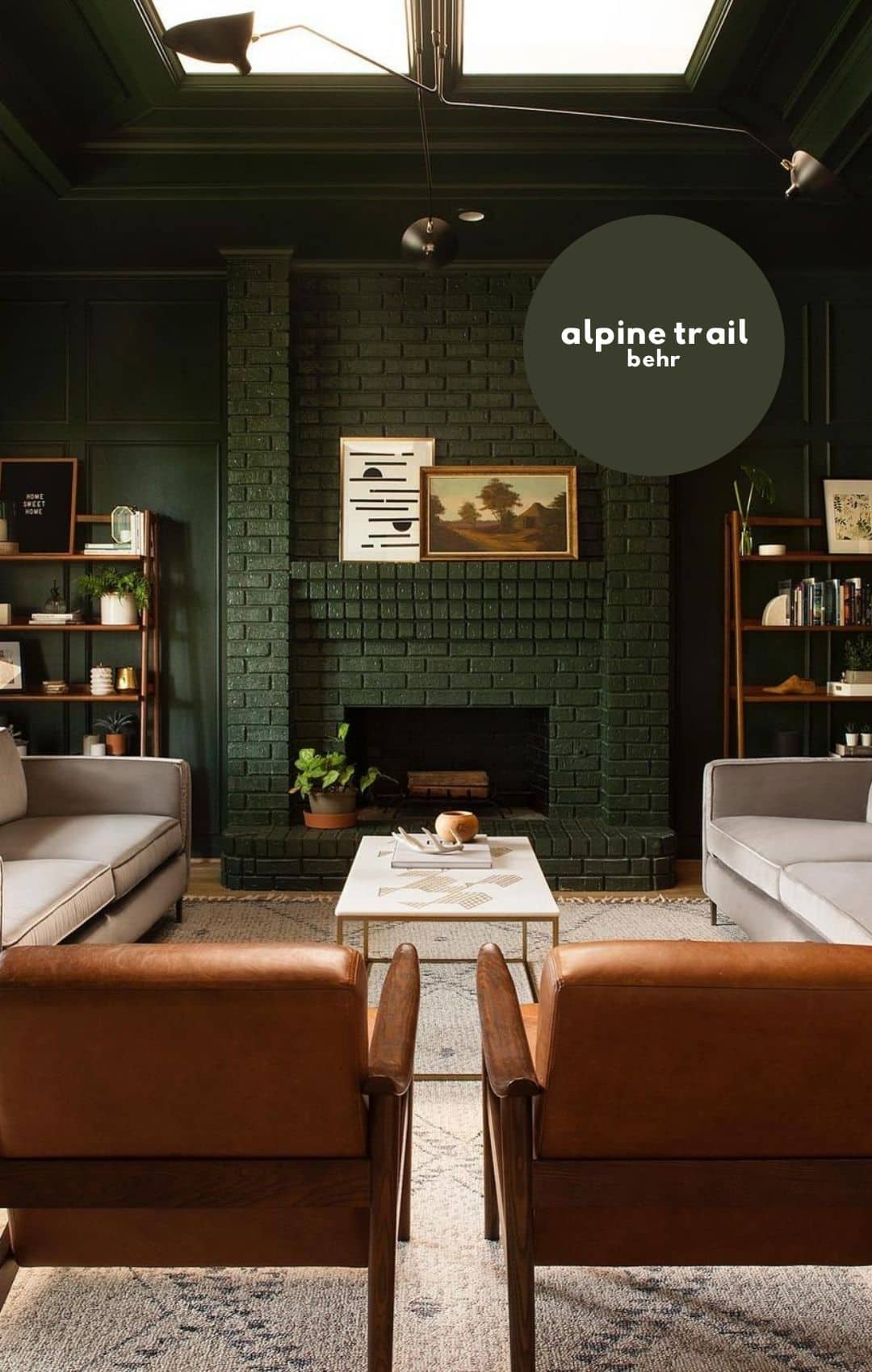
Versatility Across Design Styles
One of the biggest misconceptions about dark colors is that they limit your design options. Not so with dark green! It seamlessly integrates into a myriad of aesthetics:
- Traditional: Pairs beautifully with rich wood tones, antique furniture, and classic patterns.
- Mid-Century Modern: Complements warm teak, brass, and geometric shapes, adding an earthy yet sophisticated touch.
- Bohemian: A natural backdrop for rattan, macrame, and an abundance of houseplants.
- Contemporary/Minimalist: Creates a striking, sophisticated contrast with clean lines, white accents, and metallic finishes.
- Farmhouse/Rustic: Evokes a connection to the outdoors, pairing well with reclaimed wood and natural fibers.
Decoding Dark Green: Understanding Undertones is Key
This is where many people go wrong. Dark green isn’t just “dark green.” Like all colors, it has subtle undertones that dramatically influence how it appears in your space and what other colors it pairs well with. Getting this right is crucial for a successful outcome.
Greens with Blue Undertones: Cool, Serene & Sophisticated
These greens lean towards the cooler side of the spectrum, often appearing more teal or almost black-blue in certain lights. They are inherently sophisticated, calming, and can feel incredibly serene. Think of the deep, mysterious depths of a forest lake.
- Vibe: Formal, calming, luxurious, deep, mysterious.
- Best For: Creating a dramatic backdrop, pairing with cool neutrals (grays, crisp whites), or contrasting with warm metallics (brass, gold).
- Examples: Benjamin Moore Narragansett Green (deep teal-green), Sherwin-Williams Pewter Green (muted, sophisticated with noticeable gray-blue), Farrow & Ball Studio Green (rich, almost black-green).
Greens with Yellow/Brown Undertones: Warm, Organic & Inviting
These greens carry an earthy, almost mossy or olive quality. They feel incredibly natural, organic, and inherently warm. They bring to mind sun-drenched forests and olive groves, making a space feel inviting and cozy.

- Vibe: Organic, cozy, inviting, natural, earthy.
- Best For: Achieving a rustic or bohemian feel, warming up a north-facing room, pairing with other warm tones (terracotta, rust, cream, wood).
- Examples: Sherwin-Williams Ripe Olive (deep, rich olive with brown undertones), Benjamin Moore Caldwell Green (a deep, complex green with earthy warmth), Clare Current Mood (a slightly desaturated, warm forest green).
Greens with Gray Undertones: Muted, Earthy & Understated
When green meets gray, you get a sophisticated, desaturated hue that feels incredibly balanced and versatile. These greens are often referred to as ‘muddy’ or ‘smoky,’ but in the best possible way – they are understated, elegant, and blend beautifully with many palettes.
- Vibe: Muted, sophisticated, natural, understated, versatile.
- Best For: Creating a serene atmosphere, working as a neutral, pairing with both warm and cool palettes, ideal for contemporary or Scandinavian-inspired spaces.
- Examples: Sherwin-Williams Evergreen Fog (a hugely popular soft, serene gray-green), Benjamin Moore Vintage Vogue (a rich, deep green-gray that can lean olive or teal depending on light).
Our Top Dark Green Paint Color Picks for Living Rooms
Let’s get specific. Here are some of the most beloved and versatile dark green shades that designers and homeowners adore for living rooms. Remember, always sample these in your own home!
Benjamin Moore Standouts
- Vintage Vogue (2146-10): A chameleon! This deep, muted green-gray can read as an earthy olive in some lights and a sophisticated teal in others. It’s incredibly chic and versatile.
- Essex Green (HC-188): A classic, rich, very dark green with subtle blue undertones, almost black. It’s formal and elegant, perfect for a library-like feel.
- Caldwell Green (HC-124): A deep, warm green with significant yellow/brown undertones. It feels incredibly organic and inviting, a true forest green.
- Narragansett Green (HC-157): A gorgeous, saturated teal-green with strong blue undertones. It’s a bold choice that creates a dramatic, luxurious atmosphere.
Sherwin-Williams Favorites
- Evergreen Fog (SW 9130): Sherwin-Williams’ 2022 Color of the Year. This soft, earthy, gray-green is incredibly popular for its soothing, chameleon-like qualities. It’s a fantastic choice if you want dark green without too much intensity.
- Ripe Olive (SW 6209): A deep, warm olive green with pronounced brown undertones. It’s earthy, cozy, and perfect for creating a warm, inviting living space.
- Pewter Green (SW 6208): A truly sophisticated green with strong gray-blue undertones. It’s calming, elegant, and works beautifully in a variety of styles, leaning slightly cool.
- Forest Green (SW 7742): A pure, deep forest green that is rich and natural without being overly warm or cool. A straightforward, impactful choice.
Other Notable Brands (Clare, Farrow & Ball)
- Clare Paint – Current Mood: A well-balanced, slightly desaturated dark forest green. It’s moody without being oppressive, a great option for a contemporary feel.
- Farrow & Ball – Studio Green (No. 93): A very deep, almost black green with strong blue undertones. It’s incredibly sophisticated and creates a powerful, traditional statement.
| Brand | Color Name | Undertone | Vibe/Mood | Best For |
|---|---|---|---|---|
| Benjamin Moore | Vintage Vogue (2146-10) | Gray/Olive/Teal | Sophisticated, Chameleon, Muted Drama | Versatile, Modern, Traditional |
| Benjamin Moore | Essex Green (HC-188) | Blue/Black | Formal, Elegant, Deep Luxury | Dramatic, Traditional, Library-Style |
| Benjamin Moore | Caldwell Green (HC-124) | Yellow/Brown | Organic, Cozy, Inviting Earthiness | Bohemian, Rustic, Warm Interiors |
| Sherwin-Williams | Evergreen Fog (SW 9130) | Gray/Green | Soothing, Serene, Balanced Neutral | Contemporary, Scandinavian, Relaxed Spaces |
| Sherwin-Williams | Ripe Olive (SW 6209) | Brown/Yellow | Earthy, Rich, Deeply Cozy | Rustic, Bohemian, Warm & Inviting |
| Sherwin-Williams | Pewter Green (SW 6208) | Gray/Blue | Sophisticated, Calming, Muted Cool | Transitional, Elegant, Serene Spaces |
| Clare Paint | Current Mood | Balanced Green | Moody, Contemporary, Versatile Depth | Modern, Eclectic, Statement Walls |
| Farrow & Ball | Studio Green (No. 93) | Blue/Black | Intense, Luxurious, Truly Dramatic | Traditional, High-Impact, Elegant |
Mastering the Light: How Living Room Orientation Affects Dark Green
Light is everything when it comes to paint colors, especially dark ones. A dark green paint will look drastically different depending on the natural light your living room receives. Understanding this is key to choosing the right shade.
North-Facing Rooms: Embracing the Deep & Moody
North-facing rooms receive cool, indirect light throughout the day. Dark green here will appear deeper, richer, and potentially a bit cooler. This is your chance to really lean into the moody, cocoon-like feel. Consider greens with yellow/brown undertones to counteract the cool light and add warmth, or embrace a blue-undertoned green for ultimate drama and sophistication.
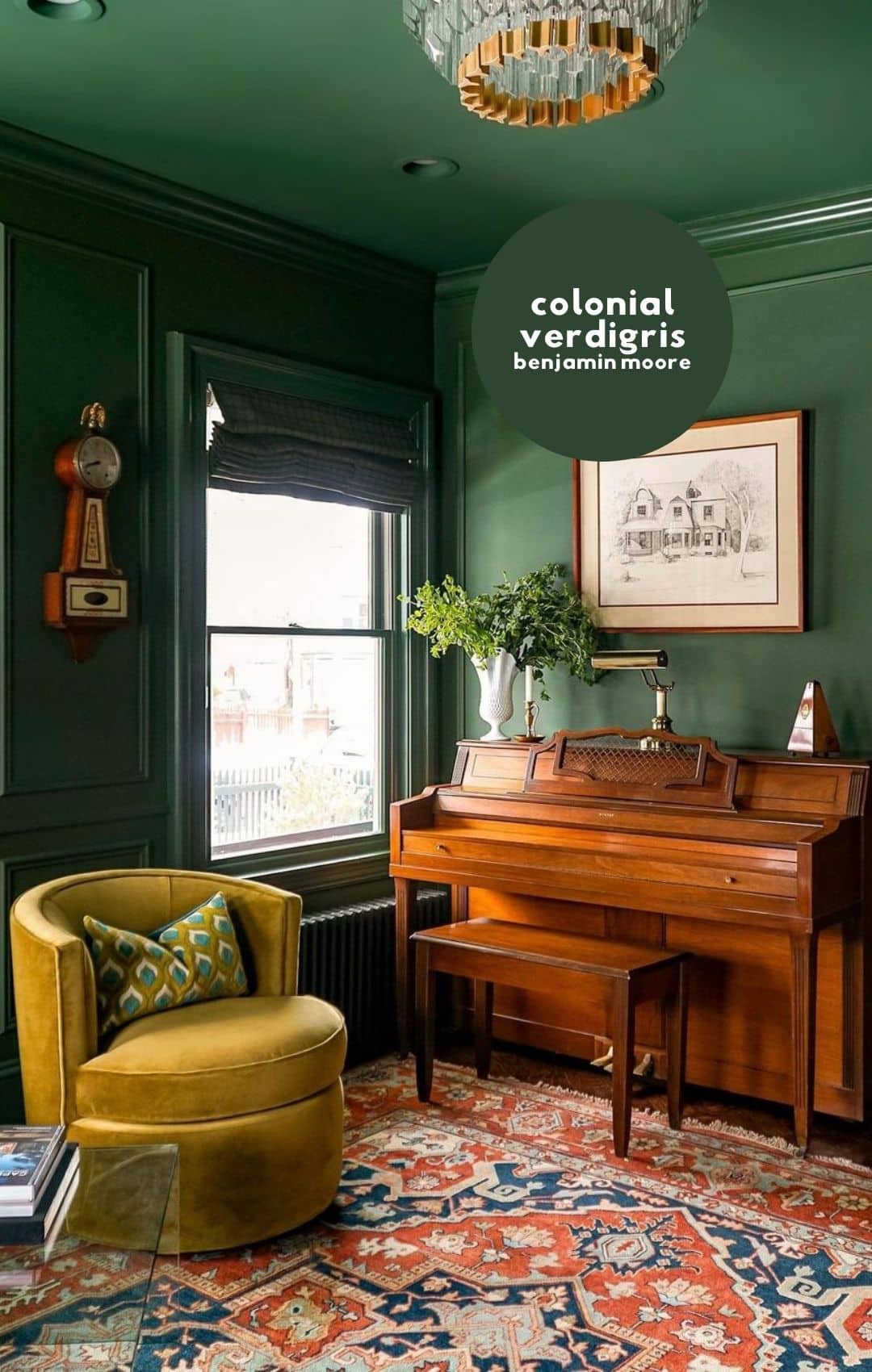
South-Facing Rooms: Warmth & Vibrancy
Ah, the sun-drenched south-facing room! These spaces receive bright, warm light for most of the day. Here, dark green can truly sing, appearing vibrant and rich. You can go with a cooler blue-green to balance the warmth, or let a warm olive green truly glow and feel incredibly inviting. Be mindful that very dark shades can absorb a lot of light, making the room feel less bright, even with south-facing exposure.
East/West-Facing Rooms: Navigating Changing Light
These rooms are trickier, with dramatic shifts in light. East-facing rooms get bright morning sun (warm) and then cooler, darker light in the afternoon. West-facing rooms are the opposite – cooler mornings, then intense, warm afternoon light. For these spaces, a balanced green with gray undertones, like Evergreen Fog or Vintage Vogue, can be a great choice as they adapt well to changing light conditions without feeling too extreme.
Artificial Lighting: Enhancing the Hue
Don’t forget your lamps and overhead fixtures! Warm-toned bulbs (around 2700K-3000K) will enhance the warmth of your dark green, making it feel cozier. Cooler bulbs (4000K+) can make blue-greens feel crisper but might mute warm greens. Test your paint samples with your actual lightbulbs at night to ensure you love the evening ambiance.
Pairing Perfection: Complementary Colors & Materials
Once your walls are a stunning shade of dark green, what do you fill the room with? The right complementary colors and textures will elevate your space and bring your vision to life. Dark green is surprisingly versatile when it comes to pairing.

Metallics: Brass, Gold & Matte Black
These are dark green’s best friends. Warm metallics like brass and gold pop beautifully against dark green, adding a touch of glamour and sophistication. Think picture frames, light fixtures, cabinet hardware, or decorative accents. For a more modern or industrial edge, matte black provides a sharp, contemporary contrast that feels incredibly chic.
Neutrals: Cream, Beige & Greige
To keep the space from feeling too overwhelming or dark, incorporate plenty of light, inviting neutrals. Cream, off-white, and warm beige soften the intensity of dark green and add a comforting layer. Greige (a mix of gray and beige) is another excellent choice, bridging the gap between warm and cool tones. Use these in upholstery, rugs, curtains, or ceiling/trim paint.
Warm Accents: Rust, Terracotta & Deep Reds
For a truly rich and earthy palette, introduce warm, autumnal accents. Rust, burnt orange, and terracotta tones create a beautiful, organic contrast that feels incredibly inviting and natural. A touch of deep burgundy or ruby red can add a luxurious, jewel-toned richness without overpowering the green.
Cool Accents: Deep Blues & Plum
If you’re leaning into a cooler, more dramatic dark green with blue undertones, consider pairing it with other deep, cool colors. Navy blue, deep teal, or even a rich plum can create a layered, sophisticated palette that feels cohesive and luxurious. Use these in throw pillows, artwork, or smaller accent furniture.
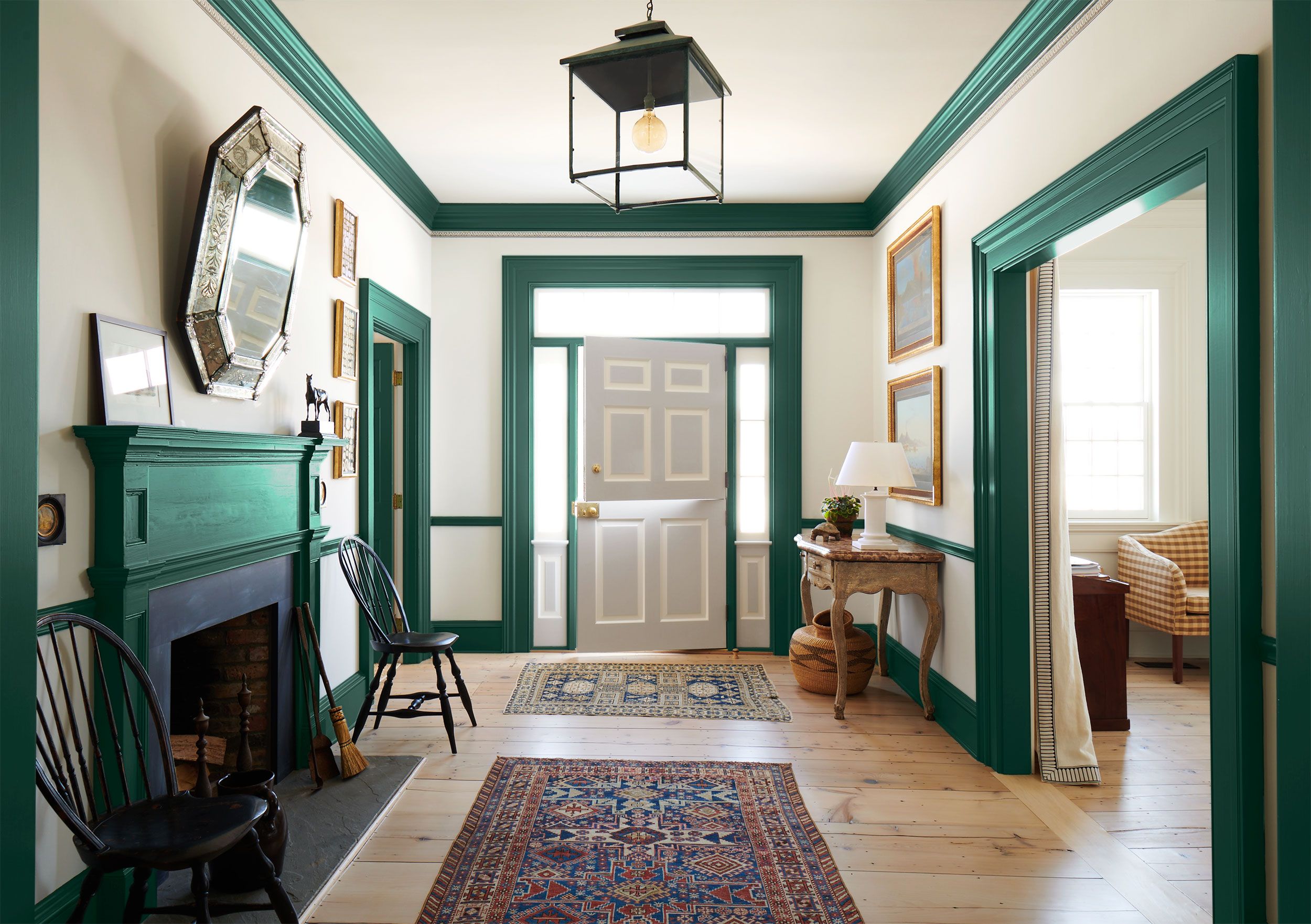
Natural Textures: Wood, Leather & Linen
To enhance the organic feel of dark green, lean heavily on natural textures. Rich, warm wood tones (walnut, teak, oak) are a classic pairing that instantly adds warmth and grounding. Leather, especially in tan or cognac, provides a sophisticated, tactile element. Linen, wool, and natural cotton fabrics in lighter shades bring softness and an airy quality, preventing the room from feeling too heavy.
| Green Undertone | Best Complementary Colors | Material & Texture Suggestions |
|---|---|---|
| Blue/Cool Green | Crisp White, Silver, Cool Gray, Navy Blue, Plum, Cream, Brass | Velvet, Marble, Chrome, Dark Wood, Linen, Mirrored Surfaces |
| Yellow/Warm Green | Cream, Warm Beige, Terracotta, Rust, Gold, Cognac, Mustard Yellow | Reclaimed Wood, Rattan, Leather, Wool, Textured Pottery, Bronze |
| Gray/Muted Green | Greige, Off-White, Charcoal, Soft Pink, Copper, Black, Light Wood | Woven Fabrics, Concrete, Matte Finishes, Light Oak, Subtle Patterns |
Designing with Dark Green: Living Room Size & Style Considerations
How you apply dark green depends heavily on the specifics of your living room. There’s no one-size-fits-all approach.
Small Living Rooms: Accent Walls vs. Full Immersion
Don’t be afraid to use dark green in a small living room! While it’s true dark colors can make a space feel smaller, they can also make it feel incredibly intimate, cozy, and sophisticated.
- Accent Wall: If you’re nervous, start with an accent wall behind your sofa or TV. This adds drama without overwhelming.
- Full Immersion: For a bolder move, paint all four walls. This creates a cohesive, jewel-box effect. Keep the ceiling light, and use plenty of reflective surfaces (mirrors, glass, metallics) and strategic lighting to bounce light around and prevent it from feeling like a cave.
Large Living Rooms: Creating Intimacy & Drama
Large, open-plan living rooms can sometimes feel cavernous or lacking defined zones. Dark green is a fantastic tool to combat this. Painting all walls can help to visually pull the walls in, creating a more intimate and cozy atmosphere. It also provides a stunning backdrop for artwork and furniture, allowing them to truly pop.
Modern vs. Traditional Styles
- Modern: Opt for greens with cool blue or strong gray undertones. Pair with clean lines, minimalist furniture, white trim, and matte black or chrome accents.
- Traditional: Choose rich, deep greens with warm yellow or brown undertones, or classic blue-greens like Essex Green. Pair with ornate trim, antique wood furniture, brass, and plush fabrics.
Ceiling & Trim: White, Matching, or Bold Contrast?
- White Ceiling/Trim: The classic choice. A crisp white ceiling and trim (e.g., Benjamin Moore Chantilly Lace or Sherwin-Williams Pure White) will make your dark green walls pop and provide a clean boundary. This is great for making the room feel a bit taller.
- Matching Trim: Painting the trim the same dark green as the walls creates a seamless, enveloping, and incredibly sophisticated look. It blurs the lines and makes the space feel more expansive and cohesive.
- Bold Contrast: Consider a very light, barely-there tint of another color for your trim, or even a bold black for a truly dramatic, modern statement.
Your Dark Green Painting Project: Practical Tips & Avoiding Pitfalls
Ready to commit? Here’s how to ensure your dark green living room project goes smoothly.
Sample, Sample, Sample!
I cannot stress this enough. Paint swatches directly on your walls (or on large poster boards you can move around) in several spots. Observe them at different times of day – morning, noon, evening, and with artificial lights on. See how the color changes with your unique lighting and existing furnishings. This is the single most important step to avoid disappointment.
Choosing the Right Sheen (Matte, Eggshell, Satin)
- Matte/Flat: Provides a velvety, sophisticated look that absorbs light and hides imperfections beautifully. Best for walls in low-traffic areas. Can be harder to clean.
- Eggshell/Satin: Offers a subtle sheen, is more durable, and easier to wipe clean. A popular choice for living room walls, balancing aesthetics with practicality.
- Semi-Gloss/High-Gloss: Highly reflective and durable, best for trim, doors, or a very bold, lacquered accent wall. A full-gloss dark green can be incredibly dramatic and modern.
Prep Work is Paramount
Dark colors are unforgiving. Any imperfections on your walls will be highlighted. Ensure your walls are thoroughly cleaned, patched, sanded smooth, and primed (especially if going over a much lighter color). A tinted primer (gray or similar to your dark green) can also help reduce the number of topcoats needed.
Common Mistakes to Avoid
- Not sampling: (We already covered this, but it bears repeating!)
- Ignoring undertones: Choosing a green that clashes with your existing furniture or flooring because you didn’t understand its undertone.
- Forgetting the ceiling: A bright white ceiling can sometimes feel jarring against a very dark wall. Consider a softer white or even a very light tint of green for the ceiling.
- Lack of contrast: Without enough lighter elements or reflective surfaces, a dark green room can feel heavy and cave-like. Balance is key.
- Poor lighting: Insufficient natural or artificial lighting will make your beautiful dark green look flat and dull. Layer your lighting!
The Final Verdict: Is Dark Green Right for Your Living Room?
If you’re seeking a living room that feels deeply personal, uniquely stylish, and provides a true escape, dark green is absolutely worth considering. It’s a color that invites calm, inspires conversation, and offers a timeless elegance that transcends trends. By understanding its nuances, embracing its depth, and pairing it thoughtfully, you can create a living room that not only looks incredible but feels like home – a truly deep embrace.
n