The Definitive Guide to Painting a Room Quickly (Without Cutting Corners)
Let’s be real: painting a room is rarely anyone’s favorite weekend activity. You want that fresh, new look, but the thought of days spent prepping, painting, and cleaning up can be daunting. What if I told you there’s a way to significantly speed up the process without sacrificing the quality of your finish? This isn’t about rushing and making a mess; it’s about smart strategy, professional techniques, and choosing the right tools. If you’re ready to reclaim your weekend, keep reading. I’m going to share the real secrets to painting a room quickly, like a pro.
The Core Principle: Smart Prep is Speed Prep
I know, I know. “Prep work” sounds like the opposite of fast. But trust me on this: every minute you invest in thoughtful preparation will save you three times that in painting time and frustration. Skipping prep is the number one reason DIY paint jobs look rushed and require more touch-ups. Let’s get smart about it.
Declutter & Clear Out: The Empty Canvas Advantage
Imagine trying to paint around a maze of furniture and decor. It’s a logistical nightmare that slows you down at every turn. The fastest way to paint is to work in an empty, unobstructed space.
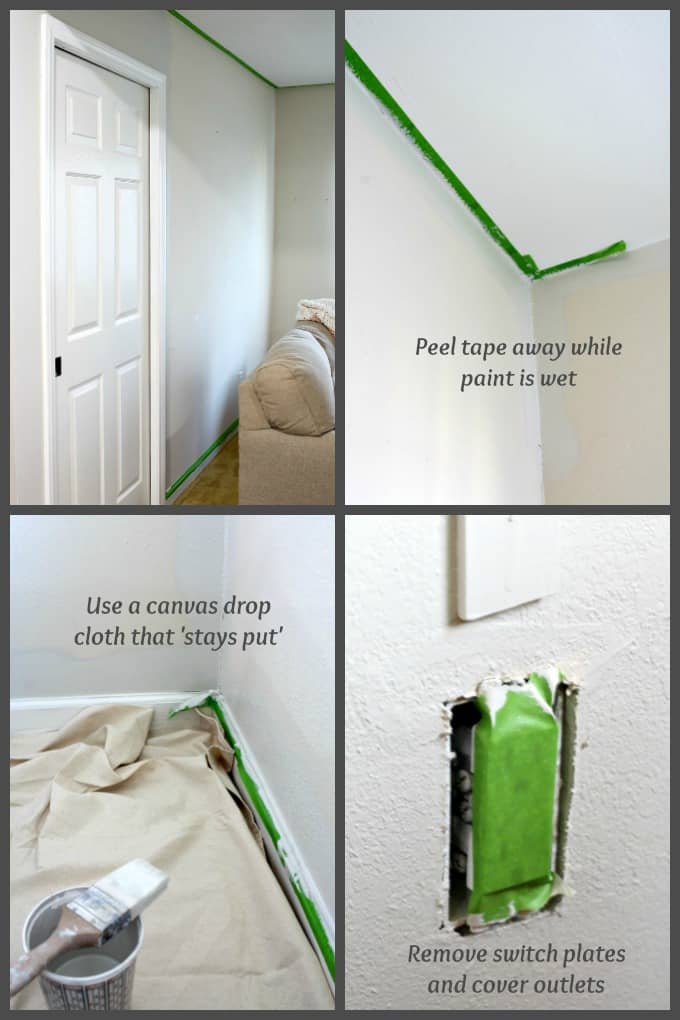
- Remove Everything Possible: Pictures, curtains, outlet covers, light switch plates, and any wall decor. Label switch plates and screws so you know exactly where they go back.
- Furniture Evacuation: If you can, move all furniture out of the room. If not, push it all to the center, consolidate it, and cover it completely with plastic sheeting. You want at least 3-4 feet of clear space around the perimeter.
- Light Fixtures: For ceiling lights, you might not need to remove them entirely, but definitely cover them well. If they’re flush mount, removing the cover and bulb can make painting easier around them.
Master the Mask: Taping Smart (or Taping Not At All)
Painter’s tape can be a time-saver or a time-waster, depending on how you use it. For beginners, it’s a godsend. For experienced painters, it might be entirely skipped for specific areas.
- When to Use Tape: Always tape where you need a crisp, clean line against a different surface – think trim, windows, doors, and especially the ceiling if you’re not a master at cutting in.
- The Right Way to Tape Quickly: Don’t skimp on quality tape; cheap tape means frustrating bleed-through and touch-ups. Apply tape in manageable sections, pressing down firmly along the entire edge with a putty knife or your finger to create a perfect seal. Run the tape slightly into corners for a clean intersection.
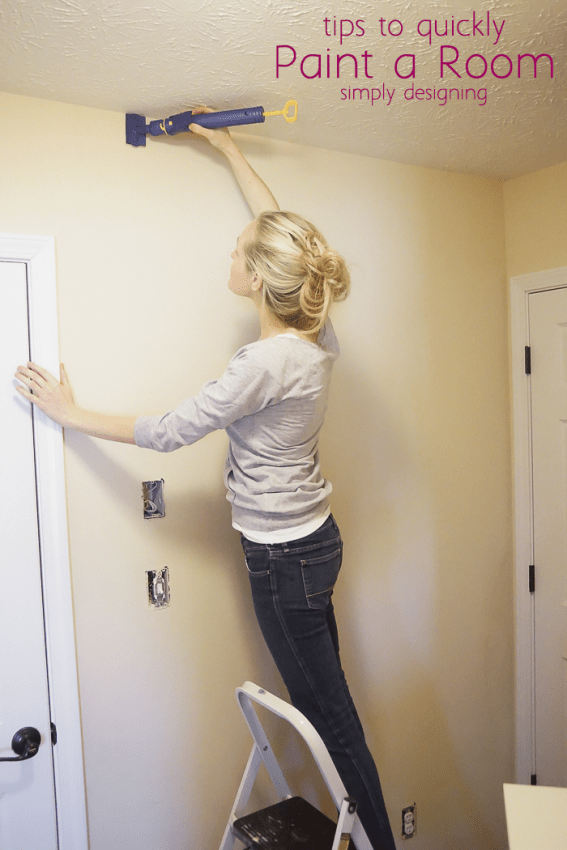
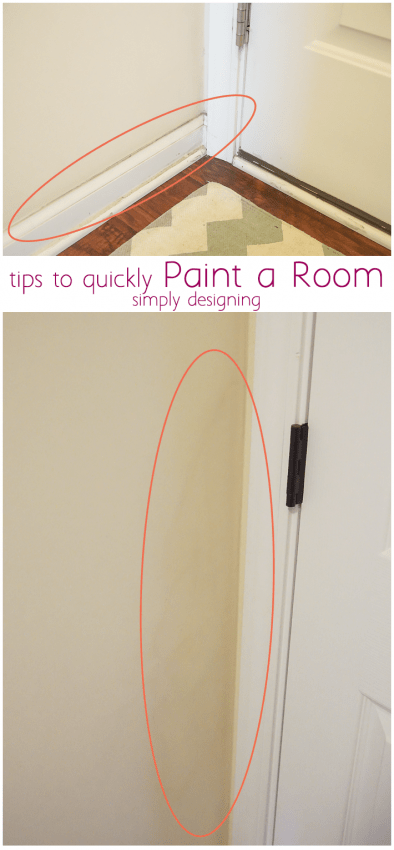
- When to Consider Skipping Tape: If you have a steady hand and an angled brush, you can often cut in freehand around trim and ceilings. This takes practice but is ultimately faster than taping and untaping. For baseboards, a simple painter’s shield (a thin metal or plastic ruler-like tool) can be faster than tape.
Protect Your Assets: Drop Cloths & Plastic Sheeting
A few drips can turn into hours of cleanup if you don’t protect your floors and furniture. Don’t use old bedsheets – paint soaks right through them.
- Go Pro with Plastic: Lightweight plastic sheeting is excellent for covering furniture pushed to the center. It’s affordable and provides full coverage.
- Canvas Drop Cloths for Floors: For floors, canvas drop cloths are my go-to. They absorb drips, don’t slip as easily as plastic, and are reusable. Overlap them slightly to prevent gaps. For areas directly under where you’re cutting in, I often use builder’s paper or rosin paper taped down for extra protection against spills.
Wall Workout: Clean, Patch, Sand (Crucial for Speed)
Painting over dirty, damaged walls is like painting over a bad foundation – it won’t look good and might even peel.
- Quick Clean: Wipe down walls with a damp cloth or a mixture of water and a mild cleaner like TSP substitute. Focus on high-traffic areas, kitchens, and bathrooms. Let it dry completely.
- Patch & Repair: Fill any nail holes or small cracks with fast-drying spackle. Don’t overfill. Once dry (usually 15-30 minutes for small patches), sand smooth with a fine-grit sanding sponge.
- Spot Prime: For patched areas or any darker spots that might bleed through, a quick spray of primer (or a small brush application) will save you an extra coat of paint later.
The Right Tools for Rapid Results: Your Arsenal for Speed
The saying “a poor craftsman blames his tools” is true, but a smart painter *invests in good tools. Quality tools perform better, last longer, and, most importantly, help you work faster and more efficiently. Cheap tools often mean uneven coats, drips, and frustration.
Power Players: Sprayers vs. Rollers
This is where real speed can be gained, but it’s not a one-size-fits-all solution.
| Tool | Best For | Setup Time | Painting Speed | Finish Quality | Cleanup Time | Skill Level |
|---|---|---|---|---|---|---|
| Airless Paint Sprayer | Large, empty rooms; new construction; uniform finish on textured surfaces. | High (extensive masking required). | Extremely Fast (walls painted in minutes). | Professional, smooth, even coat with no brush/roller marks. | High (thorough cleaning of pump, hose, gun). | Intermediate to Advanced (overspray management, technique). |
| Roller & Brush | Most residential rooms; occupied rooms; multiple colors; detailed work. | Low to Moderate (minimal masking, basic setup). | Moderate (fastest for smaller/standard rooms once cut in). | Excellent, if proper technique is used. Minor texture possible. | Low to Moderate (easy cleaning of rollers, brushes, trays). | Beginner to Intermediate. |
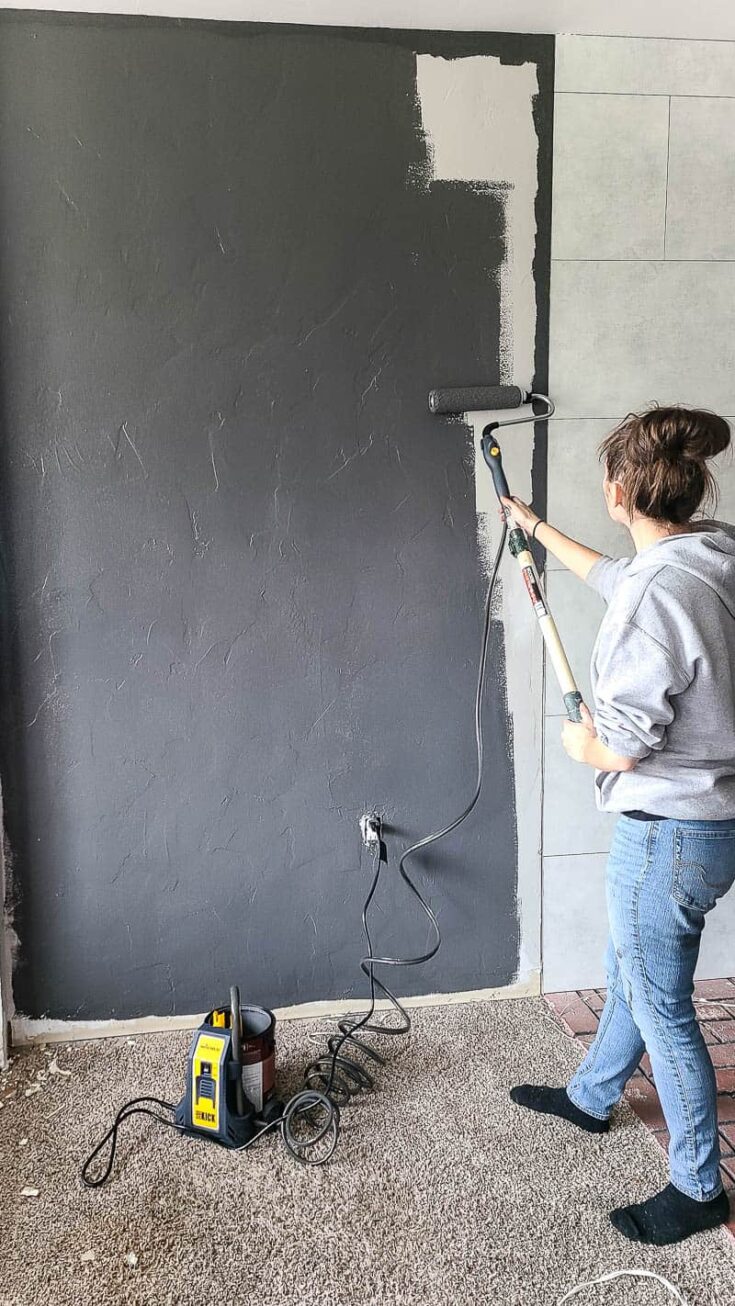
- When a Sprayer is Faster: If you’re painting a completely empty house, new construction, or a very large room with little trim, an airless sprayer is hands down the fastest way to get paint on walls. However, the masking required to prevent overspray on everything* else (windows, floors, trim, ceilings) can often negate the painting speed advantage in a typical furnished room.
- When a Roller is Still King: For most occupied residential rooms, a roller and brush setup is usually faster overall, especially when you factor in setup and cleanup. You don’t need to mask every square inch of the room, just where you’re cutting in.
Roller Revolution: Choose Your Weapon Wisely
Your roller isn’t just a paint delivery system; it’s a critical component of your speed strategy.
- Naps for Speed & Finish:
- Smooth Walls: Use a 3/8-inch nap roller for a super smooth finish and quick application.
- Lightly Textured Walls: A 1/2-inch nap is versatile for most walls.
- Heavily Textured Walls (or Stucco): Go for a 3/4-inch or even 1-inch nap to ensure the paint gets into all the nooks and crannies quickly, preventing a second coat just to cover uneven spots.
- Wider is Faster (Sometimes): A standard 9-inch roller is fine, but if you have large, unobstructed walls, an 18-inch roller can literally cut your rolling time in half. You’ll need an 18-inch roller frame and a wider paint tray or five-gallon bucket with a screen.
- Extension Poles: Non-Negotiable: Seriously, don’t paint without an extension pole. It allows you to paint from the floor to the ceiling in one smooth motion, reducing fatigue and eliminating the need to constantly move ladders. A 2-4 foot adjustable pole is ideal for most rooms.
Brushing Up: The Art of the Cut-In Brush
For cutting in, a good brush makes all the difference.

- Angled Brushes: A 2.5-inch angled sash brush is your best friend for cutting in. The angle allows for precision along edges, and the size holds enough paint to reduce dips into the can.
- Bristle Type: For latex/water-based paints, a synthetic bristle brush is key. It holds its shape better and cleans up easier. For oil-based paints, natural bristles are preferred.
Accessory Power-Ups: Buckets, Grids, and Caddies
Small tools that make a big difference in flow and efficiency.
- Paint Pails with Grids: Instead of a large, messy roller tray, consider a 5-gallon bucket with a roller grid. It holds more paint, preventing constant refills, and the grid allows for even loading of your roller.
- Paint Conditioner: Adding a paint conditioner (like Floetrol for latex paints) can extend the paint’s open time, reducing brush marks and allowing for smoother, faster application, especially in warm climates.
- Mobile Supply Caddy: Keep all your essentials – extra tape, a utility knife, wet rags, putty knife – in a bucket or caddy you can easily move with you. No more running across the room for that one forgotten item.
The “Pro” Technique: Paint Like a Whipped Ninja
Now that you’re prepped and armed with the right tools, it’s time to unleash your inner painting ninja. It’s not just about speed, it’s about efficient, deliberate motion.
Top to Bottom, Always:
This is a fundamental rule for a reason: gravity. Any drips or splatters from higher areas will fall onto unpainted surfaces below, making cleanup a non-issue.
- Ceilings First: If you’re painting the ceiling, do that first.
- Walls Next: Paint your walls.
- Trim Last: Do all your trim (baseboards, door frames, window frames) after the walls are completely dry. If you cut in carefully, you’ll be painting right up to the wall without fear of messing up your freshly painted wall.
Master the Cut-In: Precision Before Power
Cutting in is often the slowest part, but with practice, you can become incredibly efficient.
- Cut-In Strategy: Dip your angled brush about halfway into the paint. Tap off excess on the side of the can, don’t wipe. Start about an inch away from the edge you’re cutting, apply paint, then slowly draw the brush towards the edge. The bristles will naturally splay to form a clean line. Work in 2-3 foot sections.
- Cut-In First, Then Roll: For maximum speed, cut in all the edges of a wall (ceiling line, corners, around trim) first. Then immediately pick up your roller and fill in the main sections of that same wall. This allows you to blend the wet paint from your brush with the wet paint from your roller, preventing harsh lines and ensuring a seamless finish.
- The “W” or “M” Pattern for Rolling: Load your roller evenly. Start rolling about 6-12 inches from the ceiling or corner. Roll up, then down, then up, forming a large “W” or “M” shape without lifting the roller. Then, without reloading, fill in the W/M pattern with vertical strokes, overlapping your previous strokes by about 50%. This distributes the paint evenly and minimizes roller marks.
Roll with Momentum: The Efficient Stroke
Consistent, efficient rolling is where the bulk of the speed comes from.
- Proper Roller Loading: Don’t drench your roller. Load it evenly by rolling it across the paint tray grid or bucket screen multiple times. It should be saturated but not dripping.
- Overlap and Feather: Always overlap your previous roller pass by about half its width. This ensures full coverage and prevents missed spots. On your final pass, apply minimal pressure to “feather” the edges, reducing roller marks.
- Avoid Drips & Runs: The best way to prevent drips and runs is to not overload your roller and to distribute the paint evenly with your W/M pattern. If you see a sag or run forming, roll back over it lightly immediately before it dries.
Timing is Everything: Drying Times & Recoating
Knowing when to apply the next coat can save or cost you hours.
- Quick-Dry Paints: Many modern latex paints boast 1-2 hour recoat times. Pay attention to the label! This means you can often apply a second coat to your first wall by the time you’ve finished the last wall in the room.
- Don’t Rush Too Soon, Don’t Wait Too Long: Applying a second coat too soon (before the first is properly ‘tacky’ or dry to the touch) can pull off the first coat. Waiting too long (e.g., waiting until the next day) means the paint won’t blend as seamlessly. The sweet spot is usually 2-4 hours for most interior latex paints.
- Ventilation & Humidity: Good ventilation (open windows, fans) helps paint dry faster. High humidity, however, will slow drying times significantly. Plan your painting on a low-humidity day if possible.
Paint Choices That Shave Hours (Not Just Minutes)
The type of paint you choose isn’t just about color; it profoundly impacts how quickly and easily your project goes. Don’t cheap out here – it’s a false economy.
One-Coat Wonders: Fact or Fiction?
The promise of one-coat paint is enticing. Here’s the truth:
- High-Hide Paints: These paints have a higher concentration of solids and pigments, meaning they offer better coverage with fewer coats. They are often marketed as “paint and primer in one.”
- When They Work: If you’re painting over a very similar color or a light color over a slightly darker but neutral base, a high-quality paint-and-primer-in-one might actually deliver in one coat (or a very light second coat).
- When They Don’t: If you’re making a dramatic color change (e.g., dark to light, or light to dark over a vibrant color), don’t expect one coat. You’ll still need at least two, sometimes three. Even with “one-coat” paint, a dedicated primer for drastic changes or difficult surfaces will always save you time and money on paint in the long run.
Sheen Selection for Speed & Durability
The finish (sheen) you choose can subtly affect your painting speed and how forgiving the paint is.
- Flat/Matte: This finish hides imperfections well, meaning less time spent on meticulous patching. However, it’s less durable and harder to clean.
- Eggshell/Satin: These are the most common and versatile sheens for walls. They offer a balance of durability, cleanability, and a subtle sheen. They are generally easy to apply.
- Semi-Gloss/Gloss: Primarily for trim and doors. These show imperfections more easily, so your prep needs to be immaculate, which can add time. However, their durability and easy-to-clean surface make them worth it for high-traffic areas.
Buying Smart: Get Enough (and a Little Extra)
Nothing slows a project down faster than running out of paint mid-wall and having to stop everything to go back to the store.
- Calculate Accurately: Measure your room’s length, width, and height. Calculate square footage for walls (perimeter x height) and ceiling (length x width). Subtract for large windows/doors. Most paints cover about 350-400 sq ft per gallon, per coat. Always factor in two coats.
- The “Little Extra” Rule: Always buy an extra quart or half-gallon beyond your calculation. It’s far better to have a sealed can of matching paint for future touch-ups than to try to color-match later.
Post-Paint Power Clean: Don’t Let Cleanup Drag You Down
A fast paint job isn’t truly fast if cleanup takes another full day. Integrate smart cleanup strategies into your process.
Wrap It Up: Saving Brushes and Rollers Overnight
If you’re painting over multiple days, don’t clean your tools every night.
- For Short Breaks (a few hours): Wrap your brush tightly in plastic wrap or a damp paper towel and then plastic. For rollers, leave them on the frame, wrap tightly in plastic wrap, and then cover with aluminum foil.
- For Overnight: Same method, but place them in the refrigerator. This keeps the paint from drying out and saves you the chore of washing everything until the job is completely done.
Quick Clean Hacks: Buckets, Scrapers, and Tarps
- Designated Cleanup Area: Have a dedicated spot (e.g., utility sink, outside on a tarp) for cleaning tools.
- Roller Spinners: A roller spinner tool attaches to a drill and quickly spins paint out of roller covers into a bucket, significantly reducing wash time.
- Immediately Remove Tape: Peel off painter’s tape while the paint is still slightly wet (tacky, but not fully dry) to ensure crisp lines and prevent the paint from peeling off with the tape.
Common Pitfalls to Avoid When Rushing
Speed is good, but reckless speed creates more work and a less satisfying finish. Here are the mistakes to avoid:
- Skipping Prep Entirely: I’ve said it before, but it bears repeating. Dirty walls, unpatched holes, or uncovered furniture will add more time and frustration than careful prep ever would.
- Overloading Brushes/Rollers: Too much paint means drips, runs, and uneven coverage, leading to more touch-ups and wasted paint.
- Ignoring Drying Times: Rushing the second coat can lift the first coat, creating a splotchy mess. Patience here is key to a smooth finish.
- Using Cheap Tools: Flimsy brushes, shedding rollers, and thin tape cause more problems than they solve. Invest in quality.
- Not Having Enough Paint: A mid-project run to the hardware store is a guaranteed time killer. Always overbuy slightly.
- Painting in Poor Lighting: You need good light to see drips, missed spots, and ensure even coverage. Use natural light, headlamps, or temporary work lights.
Painting a room quickly isn’t about cutting corners; it’s about painting smarter. It’s about strategic preparation, arming yourself with the right tools, employing professional techniques, and making informed choices about your materials. By following these steps, you won’t just paint a room faster – you’ll paint it better, leaving you with a beautiful, professional-looking finish and more time to enjoy your newly transformed space. Now go forth and conquer that paint project!
Frequently Asked Questions
What’s the absolute fastest way to paint a room?
For sheer speed in paint application on large, unobstructed walls, an airless paint sprayer is the fastest. However, for most residential rooms, especially if furnished, a combination of thorough prep, quality rollers with extension poles, good brushes, and efficient ‘cut-in-then-roll’ techniques often results in the fastest overall project time due to less masking and cleanup.
Does using a ‘paint and primer in one’ really save time?
It can, but it depends. For painting over a similar or neutral light color, a high-quality paint-and-primer-in-one might provide adequate coverage in one or two coats. However, for drastic color changes (e.g., dark to light) or covering stains, a dedicated primer followed by two coats of standard paint is often more effective and can save time and frustration (and potentially more paint) in the long run by ensuring true color and coverage.
Is it faster to tape everything or freehand cut-in?
For beginners, taping is generally faster initially as it provides a guide for clean lines. However, for experienced painters with a steady hand and a good angled brush, freehand cutting in can be significantly faster because it eliminates the time spent applying and removing tape. Practice makes perfect here!
How can I speed up paint drying time between coats?
Ensure good ventilation by opening windows and using fans to circulate air. If humidity is high, consider using a dehumidifier. Avoid painting in extremely cold temperatures, as this also slows drying. You can also add a paint conditioner like Floetrol to water-based paints, which can improve flow and allow for smoother application, often leading to slightly faster recoat times.
What’s the best order to paint a room for speed?
Always paint from top to bottom. Start with the ceiling (if applicable), then move to the walls. Once the walls are completely dry, paint the trim (baseboards, door frames, window frames). This order allows gravity to work with you, catching any drips or splatters on unpainted surfaces below, making cleanup easier and faster.
Should I use an 18-inch roller for faster painting?
Yes, if you have large, unobstructed wall surfaces, an 18-inch roller can drastically reduce your rolling time. It covers a much larger area with each pass, making it ideal for big rooms. Just remember you’ll need an 18-inch roller frame and a wider paint tray or a 5-gallon bucket with a grid.