Best Color For Bedroom Walls 2026: Your Definitive Guide to Trendy & Timeless Hues
Feeling overwhelmed by paint chips? Tired of guessing which colors will make your bedroom a true sanctuary in the coming year? You’re in the right place. 2026 is ushering in a beautiful, intentional shift in bedroom design – moving away from fleeting fads towards colors that truly nourish your soul and enhance your sleep.
We’re talking about a palette deeply rooted in wellness, nature, and creating genuine comfort. This isn’t just about what looks good; it’s about how your space *feels. Get ready to discover the definitive trends and timeless advice for choosing the perfect bedroom wall color that will make you fall in love with your room all over again.
The Overarching Trend for 2026: Calm, Connection, and Conscious Comfort
Forget the stark, sterile looks of the past. For 2026, our bedrooms are evolving into true havens. The dominant theme is clear: we crave spaces that offer respite from the outside world, foster a connection to nature, and wrap us in a sense of grounding comfort. This isn’t merely about aesthetics; it’s a mindful approach to interior design.
This means a significant shift:
- From cool, clinical tones to warm, inviting hues.
- From bright, stimulating shades to muted, atmospheric palettes.
- From generic trends to personal, restorative sanctuaries.
The colors defining 2026 will reflect this desire for tranquility, emotional well-being, and a harmonious balance between indoor and outdoor living.
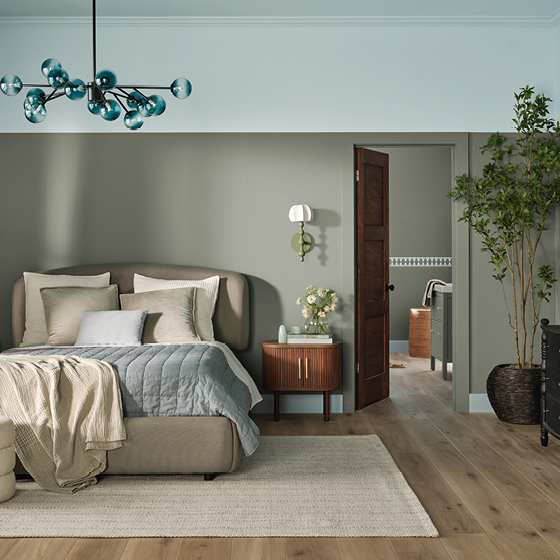
Top Bedroom Wall Colors for 2026: The Core Palette
So, what specific hues are making waves and defining this serene shift? Let’s dive into the core palettes that will transform bedrooms in 2026.
The Reign of the “New Neutrals”
If you thought neutrals were boring, think again. The 2026 neutrals are anything but. We’re seeing a beautiful evolution beyond simple beige or stark white into a richer, warmer, and more complex spectrum.
- Creamy Taupes: Think sophisticated, soft browns with a touch of grey. They offer warmth without feeling heavy.
- Warm Grays: These aren’t the cold, battleship greys of yesteryear. Instead, they have subtle brown, green, or violet undertones that make them incredibly inviting.
- Mushroom & Greige: Earthy and grounding, these colors perfectly bridge the gap between grey and beige, offering incredible versatility.
- Soft Caramels & Tan: Evoking warmth and a comforting embrace, these deeper neutrals are fantastic for creating a cozy, enveloped feeling.
- Off-Whites with Depth: Moving past stark brilliant white, these are whites with nuanced undertones—a whisper of cream, a hint of peach, or a touch of clay.
Why they work: These new neutrals are incredibly versatile, serving as a calming backdrop for any decor style. They allow other elements in the room to shine while still providing a sense of quiet sophistication and restorative peace. Think Sherwin-Williams’ Neutral Ground or Dutch Boy’s Melodious Ivory—perfect examples of this trend.
Earth’s Embrace: Greens, Terracottas & Warm Ochres
The desire to connect with nature isn’t slowing down; it’s intensifying. In 2026, we’re bringing the outdoors in with a stunning array of earthy, organic hues.
- Sage Green & Olive Green: These muted, natural greens are universally calming. They evoke a sense of growth, renewal, and tranquility, making them perfect for a sleep space.
- Muted Forest Green: A deeper, more sophisticated green that still retains that vital connection to the natural world, creating a cocooning effect.
- Spicy Terracotta: Warm, inviting, and reminiscent of sun-baked earth, terracotta brings a cozy, almost Mediterranean feel to a bedroom. It’s naturally grounding.
- Bronze Ochre & Reddened Earth: Rich, earthy yellows and deep, rusty reds that add incredible warmth and character. These are comforting, ancient colors that feel deeply rooted.
Why they work: These colors are inherently restorative. They ground us, reduce stress, and create a sense of harmony. Imagine drifting off to sleep surrounded by the gentle hues of a natural landscape. The Spruce highlighted colors like Olive Green, Terracotta, and Sage Green as strong contenders, and we wholeheartedly agree.
:max_bytes(150000):strip_icc()/gallery-39-c82dbdc4919047bd92f68addfd08e7db.jpg "7 Bedroom Paint Color Trends You'll See Everywhere in 2026")
Serene Blues & Gentle Greys (Muted & Atmospheric)
While the overall trend leans warm, certain blues and greys will continue to hold their appeal, but with a distinct shift. We’re moving away from icy tones to those that are softer, more atmospheric, and deeply soothing.
- Whisper Blues & Dusky Indigos: These are not vibrant blues, but rather muted, almost hazy shades that mimic a peaceful sky or calm waters. They promote relaxation and a feeling of expansiveness.
- Muted Teal: A sophisticated blend of blue and green, teal is both calming and slightly invigorating. It feels luxurious and natural at once.
- Warm Greys with Blue or Green Undertones: These greys are far from cold. Their subtle undertones add complexity and prevent them from feeling stark, instead creating a soft, welcoming atmosphere.
Why they work: Blue is renowned for its calming properties, reducing heart rate and promoting a sense of peace. When muted, it’s ideal for a bedroom. Combined with gentle greys, these colors create a sophisticated, yet entirely restful environment. Behr’s Hidden Gem or Sherwin-Williams’ Still Water exemplify this soothing trend.
Rich, Deep Tones for an Intimate Sanctuary
For those who love a bit more drama and depth, 2026 offers beautiful, saturated options that transform a bedroom into a truly intimate, cocoon-like retreat.
- Deep Plum & Eggplant: These luxurious, sophisticated purples create an opulent yet calming atmosphere. They’re perfect for adding a touch of romance and deep comfort.
- Warm Chocolate Brown: A truly grounding and enveloping color, chocolate brown feels incredibly cozy and secure. It pairs beautifully with the new neutrals and earthy greens.
- Mahogany & Cordovan: These rich, reddish-browns bring a sense of history, warmth, and grounded elegance. They evoke luxurious wood tones and create a deeply comforting space.
Why they work: Deeper colors can make a room feel smaller but also incredibly cozy and secure. They absorb light, creating a sense of quiet and intimacy, which is highly desirable for a bedroom. These hues offer a sophisticated alternative to lighter palettes, perfect for a personalized, bold sanctuary. Sherwin-Williams’ Cordovan and The Spruce’s Mahogany point to this rich direction.
2026 Color Forecast: The Year’s Most Talked-About Hues
Major paint brands set the tone each year, and their 2026 selections perfectly echo the overarching themes of warmth, nature, and tranquility. Here’s a snapshot of some of the anticipated Colors of the Year and key palette inclusions:

| Paint Brand | 2026 Color Name / Trend | Mood & Vibe | Ideal Bedroom Pairing |
|---|---|---|---|
| Benjamin Moore | Silhouette AF-655 (Elegant, deep neutral) | Refined elegance, quiet sophistication, grounding. | Warm off-whites, creamy beiges, muted blues, rich wood tones. |
| Valspar | Sage Slate (Naturally restorative green) | Serene, natural, restorative, calm. | Creamy whites, light wood, linen textures, subtle blush accents. |
| HGTV Home by Sherwin-Williams | Neutral Ground (Soft, creamy beige) | Welcoming, versatile, comforting, foundation for any style. | Earthy greens, warm wood, terracotta, rich browns, deep blues. |
| Behr | Hidden Gem (Muted, sophisticated blue-green) | Tranquil, introspective, calming, a touch of elegance. | Creamy neutrals, natural oak, brushed brass, soft greys. |
| Dutch Boy | Melodious Ivory (Warm, soft ivory) | Gentle, ethereal, luminous, clean yet warm. | Pastel accents, natural textures, soft blues, delicate greens. |
Beyond the Walls: Complementary Colors & Textures
A beautifully painted wall is just the beginning. To truly embrace the 2026 bedroom aesthetic, consider how your chosen wall color interacts with other elements in the room. The goal is to create a cohesive, layered, and utterly inviting space.
- Layering Neutrals: If you’ve chosen a “new neutral” for your walls, layer bedding, curtains, and rugs in varying shades and textures of similar neutrals. Think creamy linens with oatmeal wool, or a deep taupe wall with mushroom-colored drapes. This adds depth without introducing competing colors.
- Pops of Complementary Color: With earthy greens or serene blues on your walls, introduce accent colors that enhance rather than overpower. Terracotta pillows, a deep mustard throw, or even subtle blush ceramics can add character without disrupting the calm.
- Natural Textures are Key: This is non-negotiable for 2026. Embrace materials like unfinished wood, woven jute, soft linen, chunky knits, velvet, and brushed cotton. These textures add warmth, tactility, and another layer of connection to nature, making the room feel richer and more inviting.
- Strategic Lighting: Warm, diffused lighting is crucial. Avoid harsh overhead lights. Instead, opt for lamps with soft, ambient glows to enhance the cozy atmosphere created by your wall color.
Choosing YOUR Best Bedroom Wall Color for 2026: A Step-by-Step Guide
Trends are a fantastic starting point, but ultimately, the best color for your bedroom is one that speaks to you. Here’s how to make an informed decision that you’ll love for years to come.
Step 1: Assess Your Room’s Lighting
Light is everything when it comes to paint color. It can dramatically alter how a shade appears.
- Natural Light:
- North-facing rooms: Tend to have cooler, blue light. Warm colors (peaches, creams, warm greens) can help balance this.
- South-facing rooms: Bathed in warm, bright light. Can handle cooler tones (greys, blues) to prevent the room from feeling too hot, or embrace the warmth with rich, earthy hues.
- East-facing rooms: Get bright, warm morning light, which turns cooler in the afternoon. Consider colors that look good in both warm and cool light, like versatile greiges or muted blues.
- West-facing rooms: Get soft morning light and intense, warm afternoon/evening light. Colors here will shift dramatically. Try warmer neutrals or mid-tone greens.
- Artificial Light: The type of light bulb matters. Warm white (2700-3000K) bulbs will enhance warm tones in your paint, while cool white (4000K+) will bring out cooler undertones. Stick to warm white for a bedroom.
Step 2: Consider the Room’s Size & Function
The dimensions and primary purpose of your bedroom should influence your color choice.
- Small Rooms: Lighter, airier colors can make a small room feel more expansive. However, don’t shy away from deep, enveloping colors if your goal is to create a cozy, cocoon-like retreat. A deep green or rich brown can be incredibly intimate and luxurious in a small space.
- Large Rooms: Can handle more saturated and darker colors without feeling cramped. A grand bedroom can be dramatically transformed with a rich terracotta or a sophisticated deep plum.
- Function: Is this purely a sleep sanctuary? Or do you read, work, or meditate here? While the 2026 trend favors calm, if you need a specific energy for a secondary function (e.g., a small reading nook), ensure the color supports that too.
Step 3: Reflect Your Personal Style & Mood
This is where your inner designer comes out! What colors genuinely make you feel relaxed, happy, and at peace? Don’t just follow trends blindly.
:max_bytes(150000):strip_icc()/HGTV-Home-Sherwin-Williams-bedroom-cc5dfa07a2fa411f8a1965198425dcd4.jpg "3 Paint Colors That Will Dominate 2026, According to HGTV ...")
- Emotional Connection: What colors do you gravitate towards in nature? What palette makes you feel calm?
- Psychology of Color in the Bedroom:
- Blues & Greens: Known for promoting tranquility, reducing stress, and aiding sleep.
- Warm Neutrals & Earth Tones: Offer comfort, stability, and a sense of grounding.
- Deep, Rich Tones: Can create a luxurious, intimate, and secure feeling, perfect for deep rest.
- Existing Furniture & Decor: Consider your existing large pieces – bed frame, dresser, rug. Choose a wall color that harmonizes with them rather than clashes.
Step 4: Test, Test, Test!
This is arguably the most crucial step. Never commit to a color based solely on a small swatch. Paint works in mysterious ways, and what looks great on a card can be very different on a large wall.
- Get Samples: Purchase sample pots of your top 2-3 choices.
- Paint Large Swatches: Apply two coats of each color onto a large piece of poster board (at least 11×17 inches) or directly onto an inconspicuous section of your wall.
- Observe Throughout the Day: Move the poster boards around the room and observe how the colors change under different lighting conditions (morning, midday, evening, artificial light). This will reveal their true character.
- Live with It: Leave the samples up for a few days. Does it still feel right? Does it evoke the mood you desire?
What’s Out in 2026? Trends to Reconsider
While personal style should always be your guide, some trends are definitely losing momentum for 2026, especially in the bedroom. If your goal is to create a restorative and modern space, you might want to reconsider:
- Stark, Cold Whites: While clean, these can feel clinical and unwelcoming in a bedroom. The trend is moving towards warmer, softer off-whites.
- Overly Cool Greys: Much like cold whites, the icy, blue-toned greys that dominated for years are being replaced by warmer, more complex greiges or those with subtle green/brown undertones. They often feel less comforting for a sleep space.
- Highly Saturated, Trendy Brights: While fun in other areas of the home, intensely bright or neon colors tend to be overstimulating for a bedroom, contradicting the 2026 focus on calm and relaxation.
- Generic, Uninspired Palettes: The era of painting a room “just because” is over. 2026 is about intentional choices that reflect personal well-being.
As Good Housekeeping noted, “Softer, more atmospheric tones like whisper greens, muted blues, and warm earth hues will replace them, creating spaces that feel restorative.” This sums up the shift perfectly.
Making Your 2026 Bedroom Color Last: Timeless Appeal
Choosing a color for 2026 doesn’t mean it has to be outdated by 2027. The beauty of the current trends is their inherent timelessness. Here’s how to ensure your chosen hue stands the test of time:
- Focus on Nature-Inspired Hues: Colors drawn from nature (earth, sky, plants) tend to have a perennial appeal. They are inherently calming and never truly go out of style.
- Prioritize Undertones: Understand the undertones of your chosen color. A paint with a slight warm undertone will generally feel more inviting and less likely to fall out of favor than one with a harsh, cool undertone.
- Embrace Personal Preference: If you genuinely love a color and it makes you feel good, it will always be the right choice for your* home, regardless of fleeting trends.
- Keep it Cohesive: Ensure your wall color works with your overall home aesthetic, not just the bedroom. A harmonious flow throughout your living space contributes to a timeless feel.
- Use Trends as Inspiration, Not Dictation: Let the 2026 trends guide you towards the overarching mood (calm, warmth, nature) rather than specific, highly unique shades that might date quickly.
By focusing on these principles, you’ll select a bedroom wall color that not only feels utterly current in 2026 but continues to bring you joy and comfort for many years to come.
:max_bytes(150000):strip_icc()/RojoMarronSW9182-f7bbca38b9f64b64a233574ba2384150.jpg "These Will Be the Most Popular Paint Colors of 2026")
Frequently Asked Questions
What are the overall trends for bedroom wall colors in 2026?
The overarching trends for 2026 bedroom wall colors focus on creating a sense of calm, connection to nature, and conscious comfort. This means a shift towards warmer, more muted, and atmospheric tones inspired by the earth, natural landscapes, and sophisticated neutrals, prioritizing wellness and tranquility over stark or overly stimulating shades.
Are cool grey and stark white bedroom walls still in style for 2026?
While personal preference always matters, the trend for 2026 is moving away from stark, cold whites and overly cool greys. These tones are being replaced by warmer, softer off-whites, and more complex greys with subtle brown, green, or violet undertones, which feel more inviting and less clinical for a bedroom space.
How do I choose the right bedroom color if my room has specific lighting conditions?
Lighting significantly impacts paint color. For North-facing rooms (cooler light), opt for warm colors. South-facing rooms (warm, bright light) can handle cooler tones or embrace warmth. East-facing rooms (morning light, then cooler) benefit from versatile colors, while West-facing rooms (intense afternoon light) need colors that adapt well to dramatic shifts. Always use warm white artificial light for bedrooms.
What are the ‘new neutrals’ for 2026 and why are they good for bedrooms?
The ‘new neutrals’ for 2026 include creamy taupes, warm greys with subtle undertones, mushroom, greige, soft caramels, and off-whites with depth. They are excellent for bedrooms because they provide a calming, versatile backdrop that promotes relaxation and allows for layering without feeling sterile or boring. They are sophisticated, comforting, and timeless.
Can I use darker, richer colors in a small bedroom in 2026?
Absolutely! While lighter colors can make a small room feel larger, deep, rich tones like warm chocolate brown, mahogany, or deep plum are very much in trend for 2026, especially if your goal is to create an intimate, cozy, and cocoon-like sanctuary. These colors absorb light, making the room feel incredibly secure and luxurious.
What paint brands are forecasting specific colors for 2026?
Several major paint brands have announced or hinted at their 2026 Color of the Year or trend palettes. These include Benjamin Moore (Silhouette AF-655), Valspar (Sage Slate), HGTV Home by Sherwin-Williams (Neutral Ground), Behr (Hidden Gem), and Dutch Boy (Melodious Ivory). These selections largely reflect the broader trends of warmth, nature, and tranquility.
How important are natural textures and complementary decor for 2026 bedroom aesthetics?
Extremely important. A beautifully painted wall is just one element. To truly embrace the 2026 aesthetic, integrate natural textures like unfinished wood, linen, wool, and jute. These materials add warmth, tactility, and a deeper connection to nature, enhancing the overall feeling of calm and comfort created by your wall color. Strategic layering of complementary colors and warm, diffused lighting also plays a crucial role.