What Color Paint Goes With Dark Brown Furniture In Your Bedroom? Your Definitive Guide
So, you’ve got dark brown furniture in your bedroom. Maybe it’s a stately dresser, a solid bed frame, or that heirloom armoire. It’s a classic, grounding choice, isn’t it? But here’s the kicker: dark brown, while timeless and rich, can sometimes feel heavy or even a bit dull if not paired with the right wall color. Choosing that perfect paint shade can feel like navigating a minefield – get it wrong, and your sanctuary feels cramped; get it right, and it becomes a magazine-worthy retreat.
Good news: you’re not alone in this design dilemma. And the even better news? You have a world of stunning options. The key isn’t just picking a color you like, but understanding how different shades interact with the depth and warmth of dark brown to create the mood you crave. Whether you’re dreaming of a bright, airy haven or a cozy, dramatic escape, the right paint color will unlock your bedroom’s full potential.
So, what color paint goes with dark brown furniture in a bedroom? Generally, you’ll want to lean towards lighter neutrals (soft whites, creams, greiges), cool, muted tones (sage greens, dusty blues, blue-greys), warm, earthy hues (subtle yellows, soft terracottas), or even a few carefully chosen deep, bold shades (navy, charcoal) for dramatic impact. The best choice depends on the mood you want to create, the size of your room, and the amount of natural light it receives.
The Golden Rule: Balance is Key with Dark Brown Furniture
Think of your dark brown furniture as the anchor, the foundation of your bedroom’s aesthetic. Its richness provides a strong visual weight. Your paint color’s primary job is to either provide a beautiful contrast, create a seamless, enveloping backdrop, or simply lighten and brighten the overall feel. It’s all about achieving balance.

- Consider Undertones: Even dark brown isn’t just ‘brown.’ Does your furniture have reddish undertones (like cherry or mahogany), yellowish undertones (like some oaks), or greyish undertones (like espresso or certain walnuts)? Identifying this can help you choose a paint color that harmonizes rather than clashes.
- Room Size and Natural Light: These are non-negotiable factors. A small room with minimal light will feel even smaller and darker with a dark paint color, whereas a large, bright room can effortlessly pull off deeper, moodier shades.
- Desired Mood: Do you want a tranquil sanctuary, a sophisticated hotel-like suite, a cozy den, or a vibrant, energetic space? Your desired mood will heavily dictate your color palette.
Top Paint Colors That Harmonize Beautifully with Dark Brown Bedroom Furniture
Let’s dive into the specific color families that play exceptionally well with dark brown. We’ll explore why they work and even give you some specific paint color examples to get you started.
1. The Serene Neutrals: Lightening and Brightening Your Space
Neutrals are your safest and often most impactful bet when working with dark brown furniture. They provide a crisp contrast, making your furniture pop without overwhelming the room. They also create a sense of calm and spaciousness.
- Soft Whites & Creams: This is the ultimate classic pairing. A clean white creates a striking, modern contrast, while a soft cream or off-white adds warmth and prevents the space from feeling too stark. They make a room feel expansive and bright, allowing your furniture to be the focal point.
Why they work: They reflect light, making the room feel larger and airier. They provide a clean canvas that highlights the richness of dark brown.
Designer Picks:- Sherwin-Williams Pure White (SW 7005): A true, crisp white without strong undertones.
- Benjamin Moore White Dove (OC-17): A soft, warm white that’s incredibly versatile.
- Farrow & Ball Wimborne White (No.239): A creamy, sophisticated off-white.
- Warm Greiges & Tans: Greige (a blend of grey and beige) and soft tans offer a cozy, sophisticated alternative to pure white. They bring warmth and depth without making the room feel heavy. They’re perfect for creating a welcoming, grounded feeling.
Why they work: They bridge the gap between cool and warm, providing a soft, earthy backdrop that complements the brown’s natural tones.
Designer Picks:- Sherwin-Williams Accessible Beige (SW 7036): A popular, versatile greige that leans warm.
- Benjamin Moore Revere Pewter (HC-172): A classic, sophisticated greige that can appear warm or cool depending on light.
- Farrow & Ball Skimming Stone (No.241): A light, warm greige that’s incredibly chic.
- Pale Greys: For a more contemporary and serene feel, pale greys can be stunning. Opt for greys with warm undertones (greige) if your brown furniture leans warm, or a true light grey for a cooler, more modern aesthetic. Avoid overly cool greys in poorly lit rooms, as they can feel stark.
Why they work: They offer a chic, understated contrast that allows the brown furniture to stand out with modern elegance.
Designer Picks:- Sherwin-Williams Repose Gray (SW 7015): A balanced grey with slight warm undertones.
- Benjamin Moore Stonington Gray (HC-170): A true, crisp light grey that’s very clean.
- Farrow & Ball Pavilion Gray (No.242): A cool, elegant light grey.
2. Cool & Calming: Blues and Greens for a Relaxing Retreat
Cool tones are excellent companions for dark brown furniture, as they offer a refreshing contrast to the warmth of the wood. They create a tranquil, spa-like atmosphere perfect for a bedroom.
- Soft Sage Green: This earthy, muted green is incredibly popular for its calming and natural vibe. It pairs beautifully with dark brown, bringing the outdoors in and creating a serene, organic feel.
Why they work: Green is a natural complement to brown (think trees and soil!), creating a harmonious, balanced look.
Designer Picks:- Sherwin-Williams Evergreen Fog (SW 9130): A beautiful, soothing grey-green.
- Benjamin Moore Healing Aloe (1562): A very pale, delicate green with blue undertones.
- Farrow & Ball Mizzle (No.265): A muted grey-green that feels incredibly sophisticated.
- Muted Blue-Greys: Evoking coastal serenity, blue-greys are sophisticated and airy. They provide a gentle, cool contrast that prevents dark brown from feeling too heavy, making the room feel expansive and peaceful.
Why they work: The blend of blue and grey offers a soothing backdrop that complements the brown’s warmth without being too stark or cold.
Designer Picks:- Benjamin Moore Palladian Blue (HC-144): A beloved blue-green-grey that shifts beautifully with light.
- Sherwin-Williams Sea Salt (SW 6204): A light, airy green-grey with distinct blue undertones.
- Farrow & Ball Light Blue (No.22): A classic, ethereal blue with grey undertones.
- Dusty Blues: From soft powder blue to deeper, muted shades, dusty blues are inherently relaxing. They create a classic, comforting bedroom environment that feels both traditional and fresh when paired with dark brown.
Why they work: Blue provides a cool, refreshing counterpoint to the deep warmth of brown, creating visual interest and depth.
Designer Picks:- Sherwin-Williams Upward (SW 6239): A light, bright and airy blue.
- Benjamin Moore Breath of Heaven (2175-70): A very pale, barely-there blue.
- Farrow & Ball Parma Gray (No.27): A clean, strong blue with a touch of grey.
3. Warm & Inviting: Golden Tones and Earthy Hues
If you prefer a cozy, embracing atmosphere, warm colors can enhance the inviting nature of dark brown furniture. The trick is to choose muted, sophisticated versions of these colors, avoiding anything too bright or primary.
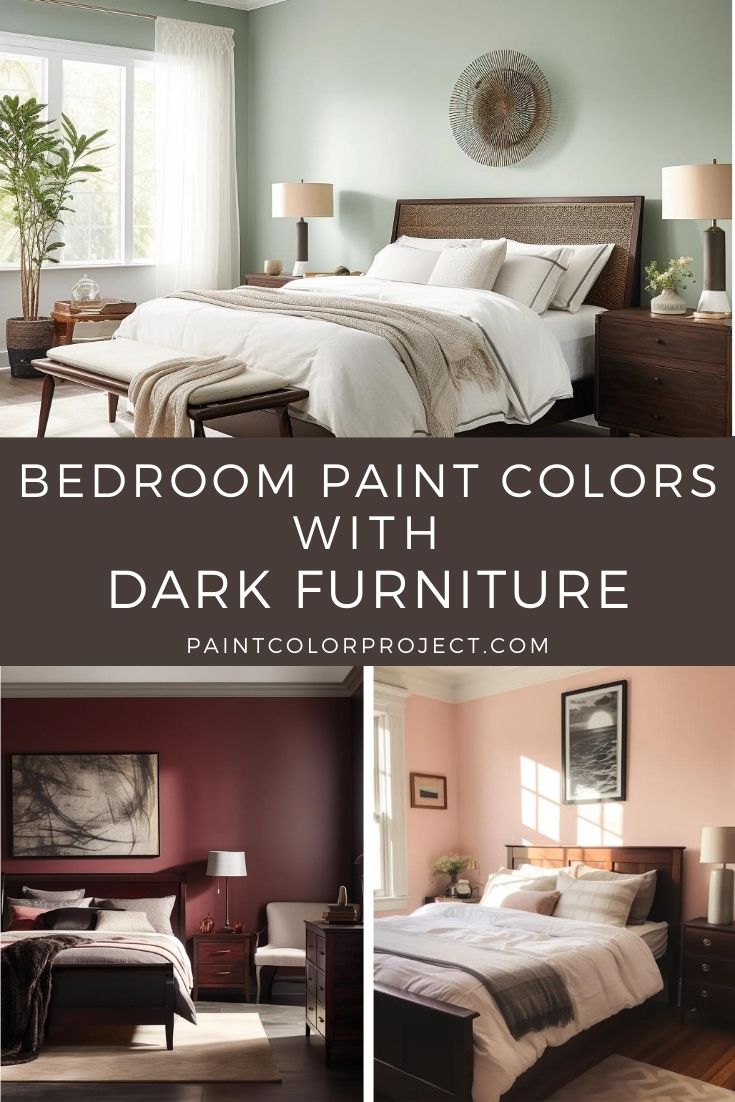
- Muted Yellows & Golds: A soft, buttery yellow or a muted gold can bring sunshine and cheer into your bedroom. These aren’t bright primary yellows, but rather sophisticated, subtle shades that glow. They create a warm, happy, and incredibly inviting space.
Why they work: They pick up on the warmer undertones of brown, creating a harmonious and uplifting palette.
Designer Picks:- Benjamin Moore Honeydew (2028-60): A soft, pale yellow-green with a gentle glow.
- Sherwin-Williams Daffodil (SW 6901): A very light, cheerful yellow.
- Farrow & Ball Hay (No.37): A gentle, warm yellow that’s very livable.
- Terracotta & Muted Oranges: For a bohemian, Mediterranean, or rustic vibe, subtle terracotta or muted orange-browns can be unexpectedly chic. Use these sparingly, perhaps on an accent wall, or choose a highly desaturated version for all walls to avoid overwhelming the space. They bring warmth, earthiness, and a touch of the exotic.
Why they work: They create a rich, enveloping feel that taps into the earthy roots of brown, adding a sophisticated, sun-baked warmth.
Designer Picks:- Farrow & Ball Red Earth (No.64): A warm, deep terracotta that’s incredibly rich.
- Benjamin Moore Pottery Barn Terra Cotta (CSP-1180): A subdued, warm terracotta shade.
4. Bold & Dramatic: For a Statement Bedroom
For those who aren’t afraid to make a statement, dark brown furniture can be the perfect partner for deep, dramatic wall colors. This approach creates a luxurious, enveloping, and incredibly sophisticated space, reminiscent of a high-end boutique hotel.
- Deep Navy or Charcoal: A rich navy blue or a sophisticated charcoal grey can transform a bedroom into a moody, opulent sanctuary. When paired with dark brown, these colors create a seamless, sophisticated backdrop that allows lighter textiles and metallic accents to truly shine.
Why they work: They create a powerful, luxurious contrast. The brown furniture can either blend in for a cohesive dark look or stand out subtly against the equally deep wall color, depending on the lighting and accessories.
Designer Picks:- Benjamin Moore Hale Navy (HC-154): A classic, deep navy that reads as a sophisticated neutral.
- Sherwin-Williams Tricorn Black (SW 6258): A true, deep black that works well as a dramatic charcoal.
- Farrow & Ball Down Pipe (No.26): A dark, inky grey with blue undertones.
- Emerald Green or Deep Teal: For a jewel-toned bedroom with a sense of luxury and vibrancy, rich emerald green or deep teal can be breathtaking. These colors are bold but elegant, especially when balanced with plenty of white or metallic accents.
Why they work: They provide a vibrant yet sophisticated contrast, making the dark brown feel even richer and more luxurious. It’s a bold, nature-inspired pairing.
Designer Picks:- Sherwin-Williams Oceanside (SW 6496): A vibrant, deep teal.
- Benjamin Moore Hunter Green (2041-10): A deep, classic emerald green.
- Farrow & Ball Emerald Green (No.10015): A rich, intense emerald.
Beyond the Walls: Creating a Cohesive Bedroom Design with Dark Brown Furniture
Paint is just one piece of the puzzle. To truly transform your bedroom, consider the full picture of textiles, lighting, and accessories. These elements are crucial for tying everything together and ensuring your dark brown furniture feels integrated and stylish, not isolated.
The Importance of Lighting: Brightening Your Dark Furniture Space
Lighting is your best friend when dealing with dark furniture. It can literally make or break your design. Without adequate light, even the most thoughtfully chosen paint color can fall flat and the room can feel cave-like.
- Maximize Natural Light: Keep windows unobstructed with sheer curtains or light blinds. Mirrors placed strategically can amplify natural light.
- Layered Artificial Lighting: Don’t rely on a single overhead fixture. Incorporate ambient lighting (ceiling lights), task lighting (bedside lamps), and accent lighting (picture lights, floor lamps) to create warmth and depth.
- Fixture Finishes: Choose metallic finishes that complement your desired mood. Brass or gold adds warmth and glamour. Chrome or brushed nickel lends a modern, sleek touch. Matte black offers an industrial or contemporary edge.
Textiles & Textures: Softening and Enhancing the Look
Fabrics add softness, pattern, and color, which are essential for balancing the solidity of dark brown furniture.
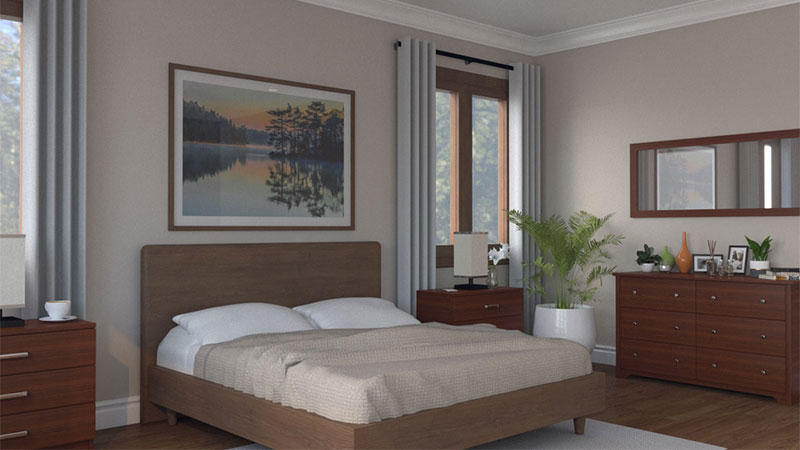
- Bedding: Opt for bedding in whites, creams, light greys, or muted versions of your wall color. Introduce subtle patterns or textures like linen, knit, or faux fur to add interest.
- Rugs: A light-colored or patterned rug can anchor the room and prevent dark furniture from looking too heavy. Choose a rug that contrasts with both your floor and your furniture. Think cream, light grey, or a rug with a subtle geometric pattern.
- Curtains: Sheer or light-colored linen curtains will allow light to filter in gently. For more privacy, choose solid curtains in a color that complements your walls – perhaps a muted tone or a lighter shade of your chosen wall color.
Metallic Accents: The Jewelry of Your Bedroom
Metals act like jewelry in a room, adding sparkle and sophistication. They can draw the eye and provide a necessary break from the expansiveness of wood and paint.
- Gold/Brass: Pair with warm paint colors (creams, warm greiges, muted yellows) or for a touch of glam with deep blues/greens. Adds richness and a luxurious feel.
- Silver/Chrome: Ideal for modern or contemporary spaces, especially with cool paint colors (greys, blues) or crisp whites. Creates a sleek, polished look.
- Matte Black: A versatile choice that offers a modern, industrial, or minimalist touch. Works well with almost any paint color for a sophisticated, understated accent.
Incorporating Artwork & Accessories: Personalizing Your Retreat
These are the finishing touches that bring personality and coherence to your space.
- Artwork: Choose art that incorporates your room’s color palette or introduces complementary colors. Large-scale pieces can make a statement, while a gallery wall adds eclectic charm.
- Plants: Greenery adds life, freshness, and a natural element that always pairs well with brown.
- Mirrors: Not only do they add style, but they also reflect light, making the room feel larger and brighter.
- Decorative Objects: Books, vases, candles, and other trinkets in varying textures and materials help layer the room and make it feel lived-in and personal.
The Impact of Room Size and Natural Light on Your Paint Choice
We touched on this earlier, but it’s worth reiterating: the physical characteristics of your bedroom are paramount.
- Small Rooms with Limited Light: Prioritize light-reflecting paint colors. Soft whites, creams, very pale greiges, and light, airy blues or greens will make the space feel larger and more open. Dark colors will make it feel cramped and heavy.
- Large Rooms with Abundant Light: You have more freedom! You can experiment with slightly darker neutrals, richer cool tones, or even embrace a dramatic dark wall. The natural light will prevent the room from feeling dim or overwhelming, allowing the deep hues to create a luxurious depth.
- North-Facing Rooms: These rooms typically receive cooler, indirect light. Opt for warmer paint colors (creams, warm greiges, muted yellows) to counteract the cool light and make the room feel cozier and more inviting.
- South-Facing Rooms: These rooms receive plenty of warm, direct light. You can comfortably use cooler tones (blues, greens, greys) to balance the natural warmth, or lean into it with warm neutrals.
Designer’s Choice: Our Top 5 Recommended Paint Schemes with Dark Brown Furniture
If you’re looking for tried-and-true combinations that always deliver, consider these designer-approved pairings:
- Classic Elegance: Walls in Benjamin Moore White Dove (OC-17). Pair with crisp white linen bedding, gold or brass lighting fixtures, a plush cream rug, and a few fresh green plants.
- Modern Tranquility: Walls in Sherwin-Williams Sea Salt (SW 6204). Complement with light grey bedding, simple matte black sconces, light wood accents (like a bedside tray), and abstract art with subtle blues and greens.
- Cozy Retreat: Walls in Sherwin-Williams Accessible Beige (SW 7036). Layer with chunky knit throws, cream and ivory pillows, antique brass picture frames, and a soft, textured rug in a natural fiber.
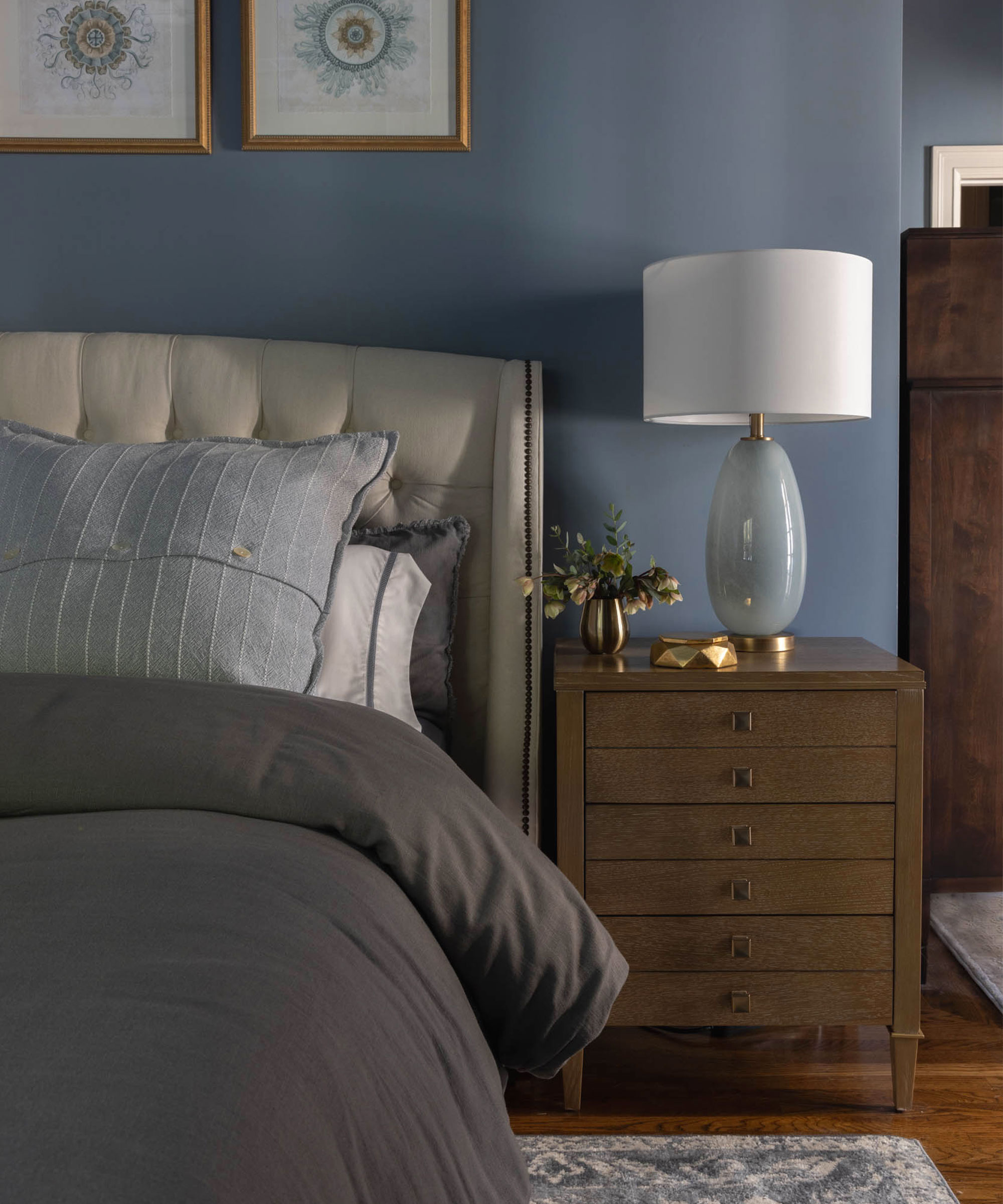
- Sophisticated Drama: Walls in Benjamin Moore Hale Navy (HC-154). Contrast with crisp white trim, luxurious white bedding, silver or chrome light fixtures, and bold, minimalist artwork.
- Organic Bohemian: Walls in a very muted, desaturated terracotta like Farrow & Ball Red Earth (No.64) on an accent wall, with surrounding walls in Skimming Stone (No.241). Incorporate natural woven textures (rattan, jute), a macrame wall hanging, and an abundance of leafy houseplants.
The Ultimate Comparison: Paint Color Schemes for Dark Brown Furniture
Here’s a quick guide to help you compare the different approaches to pairing paint with your dark brown bedroom furniture.
| Color Family | Mood/Vibe | Best For | Considerations | Recommended Paint Colors |
|---|---|---|---|---|
| Serene Neutrals (Whites, Creams, Greiges, Pale Greys) |
Light, airy, clean, sophisticated, expansive | Small rooms, low light, modern or minimalist styles, maximizing furniture contrast | Ensure ample texture and varied accents to avoid sterility; check undertones to match brown furniture. | SW Pure White, BM White Dove, SW Accessible Beige, BM Revere Pewter, SW Repose Gray |
| Cool & Calming (Sage Greens, Muted Blue-Greys, Dusty Blues) |
Tranquil, relaxing, spa-like, natural, balanced | Creating a soothing retreat, complementing warm brown undertones, adding a touch of nature | Choose muted, desaturated versions to maintain serenity; use warm lighting to prevent feeling cold. | SW Evergreen Fog, BM Healing Aloe, BM Palladian Blue, SW Sea Salt, SW Upward |
| Warm & Inviting (Muted Yellows/Golds, Soft Terracottas) |
Cozy, cheerful, embracing, earthy, bohemian | Adding warmth to cool rooms, creating a sunny disposition, unique rustic/boho vibes | Stick to muted, desaturated shades to avoid bright, jarring colors; balance with neutrals. | BM Honeydew, SW Daffodil, F&B Red Earth, BM Pottery Barn Terra Cotta |
| Bold & Dramatic (Deep Navy, Charcoal, Emerald Green, Deep Teal) |
Luxurious, sophisticated, moody, opulent, striking | Large rooms, ample natural light, creating a statement, hotel-luxe aesthetic | Requires careful layering of lighting and lighter accents; can make small rooms feel smaller if not balanced. | BM Hale Navy, SW Tricorn Black, SW Oceanside, BM Hunter Green, F&B Down Pipe |
Your Step-by-Step Guide to Choosing the Perfect Paint Color
Feeling overwhelmed by choices? Follow these steps to narrow down your options and find ‘the one.’
- Assess Your Furniture’s Undertones: Look closely at your dark brown furniture in natural light. Does it lean red, yellow, or grey? This will guide you towards complementary paint colors.
- Define Your Desired Mood: Close your eyes and imagine your ideal bedroom. How does it feel? Serene, energetic, cozy, sophisticated? This is your most important compass.
- Consider Room Size & Light: Be realistic about how much natural light your room gets and its overall size. This is critical for preventing a cramped or dim outcome.
- Gather Swatches & Test (The Cardinal Rule!): Never, ever pick a color from a tiny chip. Buy paint samples and paint large swatches (at least 2’x2′) on different walls in your bedroom. Observe them throughout the day in various lighting conditions. This is the single most important step.
- Factor in Existing Decor: If you have a rug, curtains, or artwork you love, bring those into consideration. The paint color needs to harmonize with these elements too.
- Consult a Designer (If Stuck): If you’re truly stuck, a quick consultation with an interior designer can save you time, money, and stress, providing tailored advice for your specific space.
Conclusion: Your Dark Brown Bedroom, Beautifully Transformed
Dark brown furniture offers a timeless, elegant foundation for any bedroom. Far from being a limitation, it provides a fantastic opportunity to create a space that is deeply personal and stylish. By understanding how different paint colors interact with its richness – whether through crisp contrast, serene harmony, or bold drama – you can craft a bedroom that feels both cohesive and utterly captivating. Take your time, test your colors, and trust your instincts. Your dream bedroom is just a few brushstrokes away!
Frequently Asked Questions
What paint color makes dark brown furniture look less heavy?
To make dark brown furniture appear less heavy, opt for light-reflecting paint colors such as soft whites (e.g., Sherwin-Williams Pure White, Benjamin Moore White Dove), warm creams, pale greiges (e.g., Sherwin-Williams Accessible Beige, Benjamin Moore Revere Pewter), or very light, airy cool tones like pale sage green or muted blue-grey. These colors provide a crisp contrast and make the room feel more expansive and open.

Can I use bold colors with dark brown bedroom furniture?
Absolutely! Bold colors can create a sophisticated and dramatic bedroom when paired with dark brown furniture. Deep navy blues (e.g., Benjamin Moore Hale Navy), charcoal greys (e.g., Sherwin-Williams Tricorn Black), rich emerald greens, or deep teals can create a luxurious, moody atmosphere. Ensure you balance these dark walls with plenty of light-colored textiles, reflective surfaces, and strategic lighting to prevent the room from feeling too dim.
Should all wood tones in a bedroom match exactly?
No, it’s not necessary for all wood tones in a bedroom to match exactly. In fact, mixing wood tones can add depth, character, and a more curated, layered look to your space. When mixing, try to ensure there’s a common thread (e.g., similar undertones, or a clear contrast between light and dark) and distribute the different wood tones throughout the room to create balance.
What kind of lighting works best with dark brown furniture?
Layered lighting is crucial when working with dark brown furniture. Combine ambient lighting (overhead fixtures like flush mounts or chandeliers), task lighting (bedside lamps, reading lights), and accent lighting (spotlights, picture lights) to brighten the space and create warmth. Choose fixtures with metallic finishes like gold, brass, or chrome to add sparkle and visual interest, which helps balance the visual weight of dark furniture.
How can I make a small bedroom with dark brown furniture feel larger?
In a small bedroom with dark brown furniture, choose light and airy paint colors like soft whites, pale greys, or very light blues/greens. Maximize natural light by using sheer curtains and placing mirrors strategically. Opt for lighter bedding and rugs, use vertical stripes or tall elements to draw the eye upward, and minimize clutter to create a sense of openness.
What curtain colors best complement dark brown furniture?
For curtains, generally opt for lighter shades or colors that complement your wall paint. Crisp whites, creamy off-whites, or light linen tones are classic choices that keep the room feeling bright and airy. If your walls are a cool color (like blue or green), consider curtains in a lighter shade of the same color family or a complementary neutral like a pale grey. For a bolder look, you could use a patterned curtain that ties in your wall color and dark brown furniture.
Are warm or cool paint colors better with dark brown furniture?
Both warm and cool paint colors can work beautifully with dark brown furniture; the ‘better’ choice depends on the mood you want to create. Warm colors (creams, warm greiges, muted yellows) enhance the coziness and richness of brown, creating an inviting atmosphere. Cool colors (blues, greens, greys) provide a refreshing contrast, creating a serene, calm, or modern feel. Consider the undertones of your specific brown furniture and the natural light in your room to guide your choice.