Beyond Basic Blues & Greys: The Definitive Guide to Bedroom Paint Colors For Men
Tired of generic bedroom advice? You’re not looking for just any paint color; you’re looking for a space that reflects you – sophisticated, functional, deeply comfortable, and uniquely masculine. This isn’t about stereotypes; it’s about crafting an environment that supports your lifestyle and aesthetic preferences. Forget bland walls; let’s dive into creating a bedroom that’s a true sanctuary, perfectly painted to match your vision.
Finding the right bedroom paint color can feel like a daunting task, especially when you want something beyond the usual suspects. This guide cuts through the noise, offering practical, stylish, and actionable insights to help you transform your bedroom into a space that truly resonates with a modern masculine sensibility. We’ll explore colors that exude confidence, promote relaxation, and enhance functionality, ensuring your personal retreat is both aesthetically pleasing and incredibly livable.
What Defines a “Masculine” Bedroom Aesthetic Today?
When we talk about a “masculine” bedroom, we’re not talking about a one-size-fits-all, hyper-stylized man cave from a bygone era. Modern masculine aesthetics are far more nuanced, focusing on qualities like strength, sophistication, functionality, and a connection to nature or urban sleekness. It’s about creating a space that feels grounded, intentional, and genuinely reflects the individual.
Dispelling Stereotypes: It’s Not Just About Dark Colors
While dark colors like charcoal and navy are often associated with masculine design, limiting your choices to only these shades misses a vast spectrum of possibilities. A truly masculine aesthetic can encompass bright, airy spaces, warm earthy tones, and even subtle pastels, as long as they are applied with intention and balance. The key isn’t the darkness of the color, but its depth, richness, and how it interacts with other elements in the room. Think less about “boys’ rooms” and more about refined adult spaces.
Key Pillars: Functionality, Comfort, and Personal Expression
At its heart, a modern masculine bedroom prioritizes:
- Functionality: Is the space practical? Does it support daily routines? Minimal clutter, smart storage, and accessible essentials are often hallmarks.
- Comfort: Beyond aesthetics, a bedroom must be a haven for rest. This means considering textures, lighting, and colors that promote relaxation and peace.
- Personal Expression: This is where your individuality shines. Whether through art, collected items, or a unique color palette, the room should tell your story.
The Modern Man’s Sanctuary: More Than Just a Bachelor Pad
The concept of a “bachelor pad” often evokes images of stark, uninviting spaces. The modern masculine sanctuary, however, is anything but. It’s a thoughtfully designed environment that balances practicality with luxury, boldness with tranquility. It’s a place where you can unwind, recharge, and feel completely at ease. Paint colors play a crucial role in setting this foundational tone.
The Core Palette: Timeless & Trending Bedroom Colors For Men
Let’s get into the colors that consistently deliver for a sophisticated, masculine bedroom. These aren’t just arbitrary choices; they’re colors with psychological weight and proven design versatility.
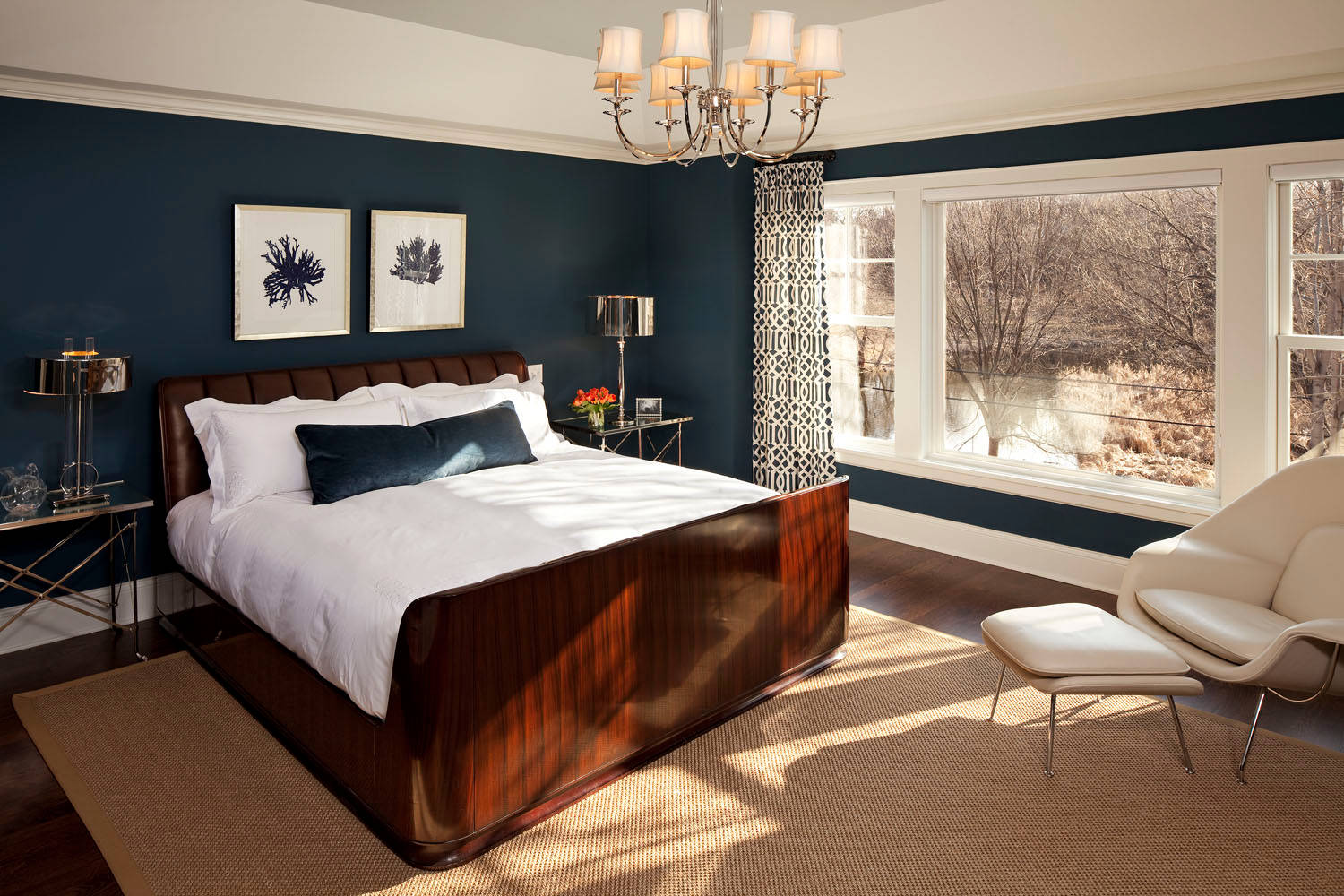
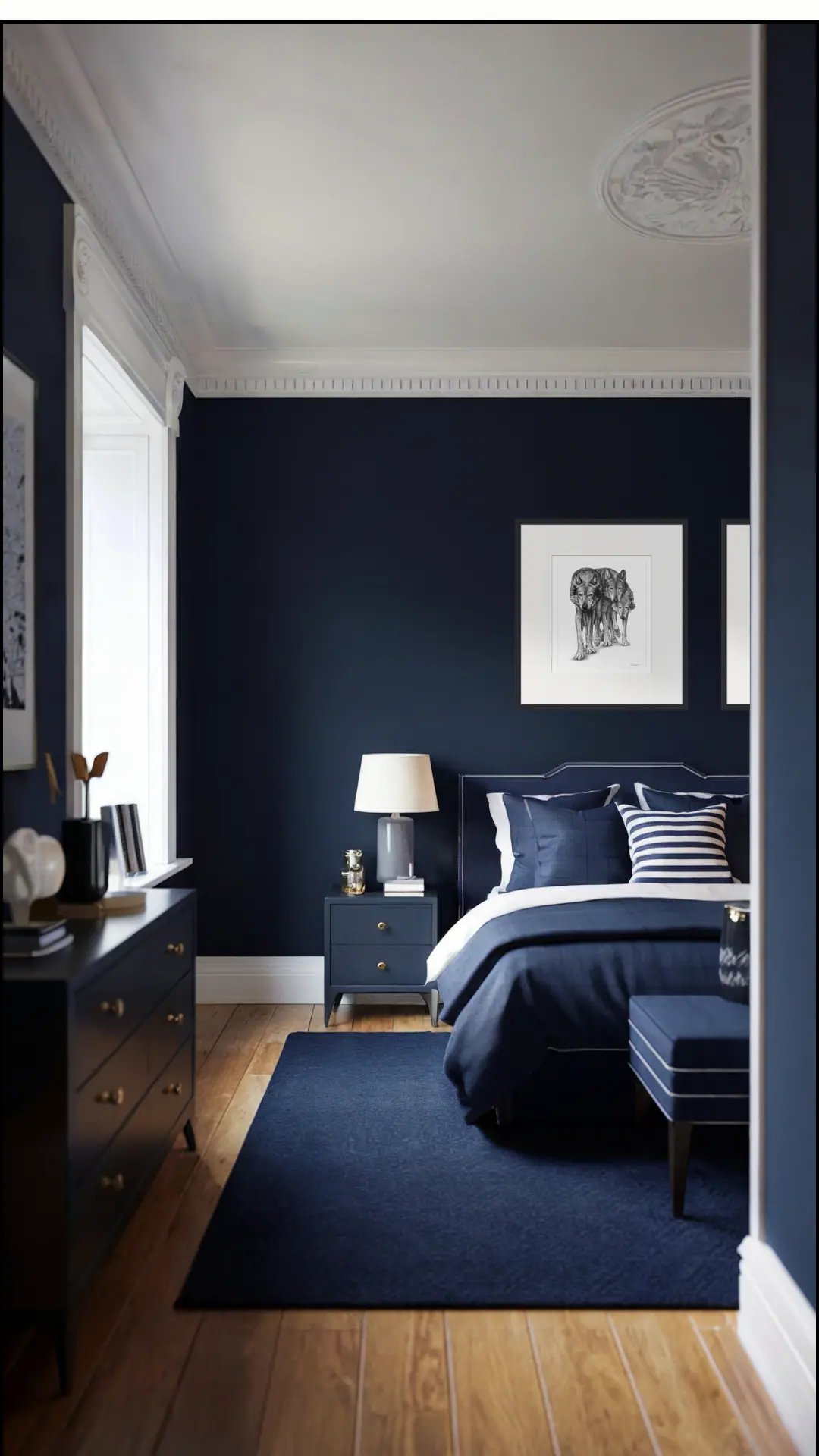
Deep & Sophisticated Blues: From Navy to Midnight
Blue remains a perennial favorite, and for good reason. It’s universally calming and associated with stability, depth, and intelligence. For a masculine bedroom, lean into the deeper, richer shades. Think less sky blue and more ocean trench.
- Why it works: Deep blues exude confidence and create a serene, cocoon-like atmosphere. They’re classic yet contemporary, making a powerful statement without being overwhelming.
- Recommended shades:
Sherwin-Williams Naval SW 6244: A true, deep navy that feels both elegant and grounded.
Benjamin Moore Hale Navy HC-154: A slightly muted, incredibly versatile dark blue that pairs beautifully with almost anything.
Farrow & Ball Hague Blue No. 30: A rich, deep blue with a hint of green, giving it incredible depth and sophistication. - Complementary elements: Crisp white bedding, dark wood furniture (walnut, mahogany), brass or matte black metallics, and textured fabrics like linen or wool.
Earthy Neutrals: Grounded & Serene
If you’re drawn to nature, organic textures, and a sense of calm, earthy neutrals are your playground. These colors are inherently grounding and provide a soothing backdrop that allows natural materials and textures to shine.
- Why it works: Earth tones create a warm, inviting, and inherently sophisticated space. They’re incredibly versatile, pairing well with a range of styles from minimalist to rustic. They speak to a desire for tranquility and connection to the natural world.
- Recommended shades:
Benjamin Moore Revere Pewter HC-172: A classic greige that shifts beautifully between warm grey and beige depending on the light.
Sherwin-Williams Evergreen Fog SW 9130: A beautiful, calming grey-green that feels fresh and sophisticated without being too bright.
Farrow & Ball Elephant’s Breath No. 229: A warm, muted taupe with a hint of magenta, offering a softer, more complex neutral. - Complementary elements: Light to medium wood tones (oak, maple), leather, natural fibers like jute and sisal, linen, and plenty of live greenery.
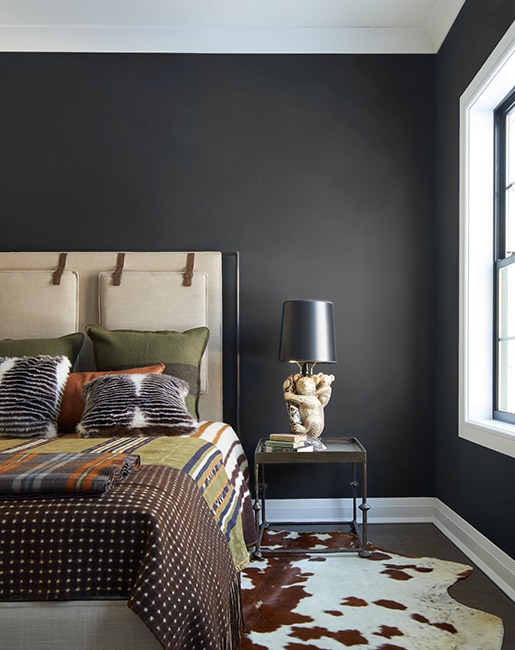
Rich Greys & Charcoals: Modern Edge with Understated Elegance
Grey is the ultimate sophisticated neutral, but for a masculine space, you want to dive into the richer, deeper end of the spectrum. Charcoals and dark greys provide a modern, edgy foundation that’s both strong and incredibly chic.
- Why it works: Deep greys evoke a sense of strength, modernity, and urban sophistication. They’re excellent for creating a dramatic backdrop that highlights lighter furniture and art, or for a sleek, minimalist aesthetic.
- Recommended shades:
Sherwin-Williams Peppercorn SW 7674: A deep, velvety charcoal that can appear almost black in certain light.
Benjamin Moore Chelsea Gray HC-168: A versatile, warm dark grey that works well in both traditional and contemporary settings.
Farrow & Ball Down Pipe No. 26: A dark lead grey with a blue undertone, creating a cool and dramatic feel. - Complementary elements: Concrete finishes, industrial metals (steel, black iron), glass, crisp white bedding, and strategic pops of color like mustard yellow, burnt orange, or emerald green.
Warm Whites & Off-Whites: The Minimalist’s Canvas
Don’t underestimate the power of white. For a masculine bedroom, choosing the right white means opting for warmth and depth, rather than stark, cold sterility. Warm whites create a serene, expansive feeling while allowing textures and subtle variations in decor to take center stage.
- Why it works: Warm whites offer a clean, airy, and sophisticated foundation. They make a room feel larger and brighter, perfect for smaller spaces or for those who prefer a minimalist, gallery-like aesthetic where statement pieces can truly shine.
- Recommended shades:
Benjamin Moore Swiss Coffee OC-45: A creamy, soft white that brings warmth without feeling yellow.
Sherwin-Williams Alabaster SW 7008: A very popular warm, inviting white that’s neither too stark nor too yellow.
Farrow & Ball Wimborne White No. 239: A classic pure white with the slightest hint of warmth. - Complementary elements: Richly textured fabrics (chunky knits, linen), dark wood or black furniture, black and white photography, and natural light.
Bold Greens: Nature’s Depth, Elevated
Green, particularly the deeper, muted shades, is experiencing a resurgence. It’s a color deeply rooted in nature, evoking feelings of growth, balance, and tranquility. For a masculine bedroom, forest, moss, or olive greens offer sophistication and a refreshing alternative to blues and greys.
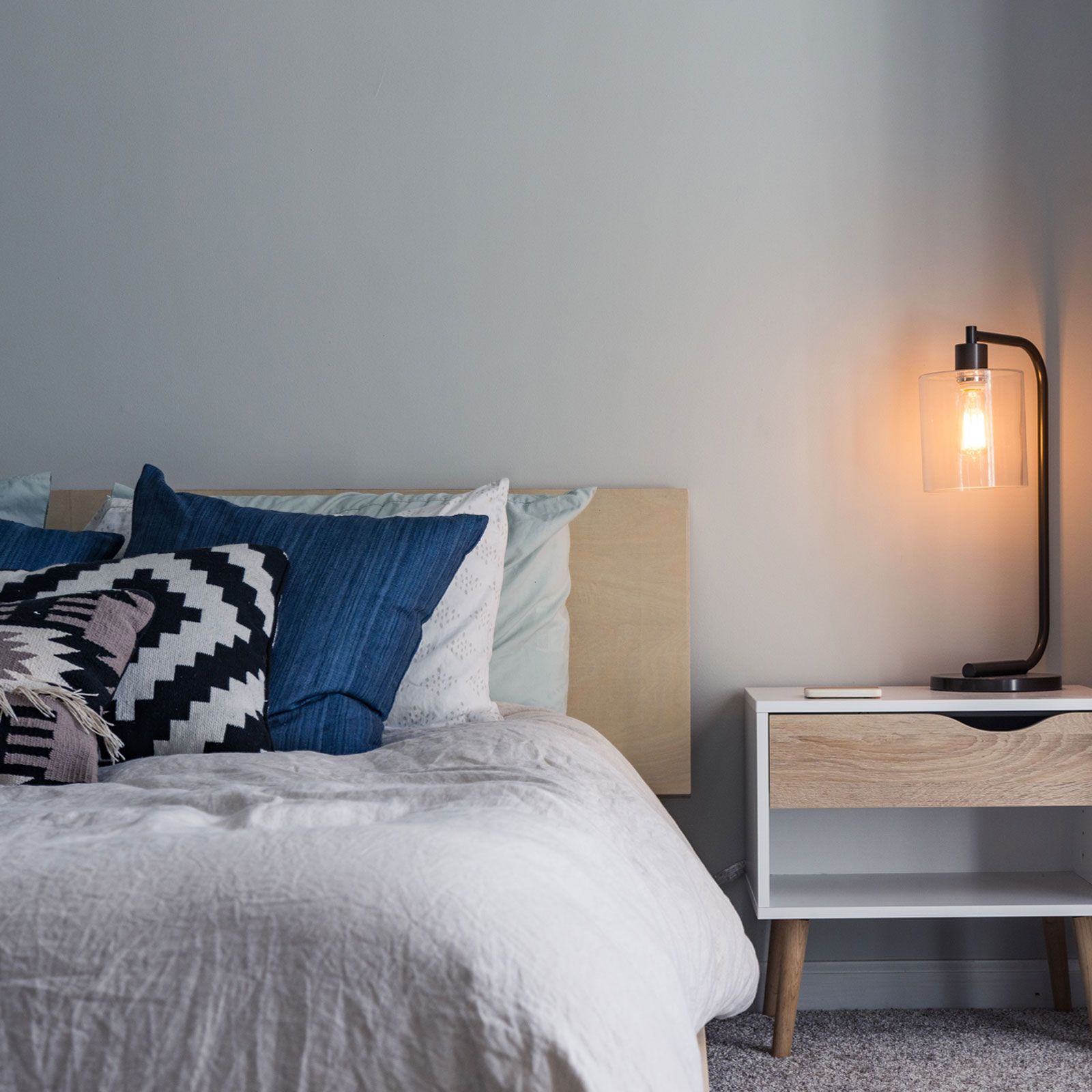
- Why it works: Deep greens create a sense of calm and well-being, connecting the indoor space with the natural world. They feel rich, sophisticated, and can add a distinctive character to a room.
- Recommended shades:
Farrow & Ball Studio Green No. 93: An incredibly dark, rich green that can look almost black in low light, creating a dramatic, enveloping feel.
Benjamin Moore Hunter Green 2041-10: A classic, deep forest green that’s timeless and sophisticated.
Sherwin-Williams Retreat SW 6207: A muted, earthy green that feels organic and incredibly calming. - Complementary elements: Brass or gold accents, dark wood furniture, leather, and plenty of plants to amplify the natural vibe.
Unexpected Accents: Black, Terracotta & Deep Maroon
Sometimes, a bedroom needs a touch of the unexpected, a bold statement that defines its character. These colors might not be for four walls, but they can be incredibly impactful as accents.
- Black: A black accent wall, used sparingly, can create incredible drama and sophistication. Pair it with lighter colors to prevent the room from feeling too heavy. It’s excellent behind a headboard or to define a specific zone.
- Terracotta: Warm, earthy, and organic, terracotta brings a desert-inspired warmth. It’s unexpected but incredibly inviting, especially when paired with natural wood and neutral tones.
- Deep Maroon/Burgundy: For a touch of old-world luxury and warmth, deep maroons can be incredibly elegant. Think velvet and rich textiles. Use it as an accent or in a study nook within the bedroom.
Choosing YOUR Perfect Shade: A Step-by-Step Approach
Selecting paint isn’t just about picking a pretty color; it’s about understanding how that color will live in your specific space. Here’s how to nail it.
Assess Your Room’s Natural Light: North, South, East, West
Natural light is the most significant factor in how a paint color appears. A color swatch will look completely different in a north-facing room (cooler, muted light) versus a south-facing room (bright, warm light).
- North-facing rooms: Tend to have cooler, softer light. Opt for warmer tones to balance this out, or embrace the cool with deep, rich blues or greens.
- South-facing rooms: Enjoy abundant, warm light. Almost any color will look good here, but be mindful that very warm colors can become intense.
- East-facing rooms: Get bright, warm morning light, then cooler light in the afternoon. Consider colors that look good in both scenarios – muted blues, greens, or warm greys work well.
- West-facing rooms: Receive warm, intense afternoon light. Colors can appear very saturated. Test carefully to avoid overpowering shades.
Consider Existing Furniture & Decor (Or Plan for New)
Your walls are a backdrop. Do you have a beloved leather armchair, a striking piece of art, or a particular wood tone in your dresser? The paint color should either harmonize with these elements or provide a contrast that makes them pop. If you’re starting from scratch, you have more freedom, but still envision the complete picture.
Reflect Your Personal Style & Mood Preference
What feeling do you want your bedroom to evoke? Do you want a calming oasis, a dynamic and inspiring space, or a sophisticated retreat? Your personal style – minimalist, industrial, rustic, modern, classic – should guide your color choice. Think about colors that truly make you feel at home and at ease.
The Power of Swatches: Don’t Skip This!
This is arguably the most critical step. Paint a large swatch (at least 2’x2′) on at least two different walls in your bedroom. Observe it throughout the day, in varying natural and artificial light. See how it changes with the sun rising and setting, and with your lamps on in the evening. This will prevent costly mistakes and ensure you love the color in real life, not just on a tiny chip.
Beyond the Walls: Integrating Your Chosen Color into a Cohesive Design
A great paint color is just the beginning. To create a truly impactful and masculine bedroom, you need to think about how everything else works together.
The Right Finish Matters: Matte, Eggshell, or Satin?
The sheen of your paint affects its durability, cleanability, and how it reflects light.
- Matte/Flat: Absorbs light, creating a rich, velvety, sophisticated look. Best for walls where you want to hide imperfections. Less durable, harder to clean.
- Eggshell/Satin: Offers a subtle sheen, more durable and easier to clean than matte. A great all-around choice for bedrooms.
- Semi-Gloss/Gloss: Highly reflective, very durable, and easy to clean. Typically reserved for trim, doors, and accent features, not entire walls.
For a truly sophisticated masculine look, matte or eggshell finishes are usually preferred on walls as they minimize glare and allow the color’s depth to shine.
Lighting Strategies: Enhancing Your Chosen Hue
Lighting can completely transform how your paint color appears. Incorporate a mix of:
- Ambient lighting: Overhead fixture, providing general illumination.
- Task lighting: Reading lamps by the bed, for focused activities.
- Accent lighting: Picture lights or upward-facing floor lamps to highlight features or create mood.
Opt for bulbs with a warm color temperature (2700K-3000K) to enhance the coziness of your chosen paint color, especially with blues, greens, and deeper neutrals.
Texture & Materials: Adding Depth and Interest
A masculine bedroom thrives on texture. Even with a simple color palette, varying materials can add immense visual and tactile interest. Think about:

- Wood: From sleek modern finishes to reclaimed rustic planks.
- Leather: Headboards, armchairs, or even small accents.
- Metal: Industrial steel, warm brass, or matte black.
- Stone/Concrete: Subtle touches for an urban, grounded feel.
- Textiles: Chunky knit throws, linen bedding, wool rugs.
Strategic Accent Walls: Impact Without Overwhelm
If you love a bolder color but are hesitant to commit to all four walls, an accent wall is your solution. The wall behind your headboard is a classic choice, drawing the eye and grounding the bed. Consider a deeper shade of your main wall color, a contrasting texture like wood paneling, or even a subtle patterned wallpaper that complements your chosen paint.
Complementary Decor: From Bedding to Art
The right decor ties the room together. When choosing bedding, curtains, and art, consider colors that either echo your wall color in varying shades or provide a harmonious contrast. For instance, a deep blue room might look stunning with crisp white bedding, dark wood furniture, and abstract art featuring hints of orange or gold for warmth.
Expert Tips for a Flawless DIY Paint Job
Ready to roll up your sleeves? A professional-looking paint job is within reach with these key tips.
Preparation is Key: Cleaning, Taping, Priming
The success of your paint job is 80% preparation:
- Clean walls: Wipe down walls with a damp cloth and mild detergent to remove dirt and grime.
- Repair imperfections: Fill holes, sand rough spots, and caulk gaps.
- Tape off carefully: Use high-quality painter’s tape on trim, baseboards, and ceilings for crisp lines. Press it down firmly.
- Prime: If you’re painting over a dark color with a lighter one, or if your walls are porous/stained, primer is non-negotiable. It ensures true color and better adhesion.
Quality Tools Make a Difference
Don’t skimp on brushes and rollers. Good quality tools hold more paint, apply it more smoothly, and leave fewer streaks or lint behind.
- Brushes: Invest in a good angled sash brush for cutting in (painting edges).
- Rollers: Choose the right nap size for your wall texture (thinner nap for smooth walls, thicker for textured).
- Paint: Opt for a reputable brand’s premium interior paint for better coverage, durability, and a richer finish.
The Importance of Two Coats (Sometimes More)
Even with good quality paint, two coats are almost always necessary for full, even coverage and true color representation. Allow adequate drying time between coats (check the paint can instructions). For very dark or very light colors, a third coat might be needed.
Popular Masculine Bedroom Paint Colors: At a Glance
Here’s a summary of top choices to inspire your next bedroom transformation, designed to simplify your decision-making.
| Color Family | Mood/Vibe | Ideal Room Type | Complementary Accents | Example Paint Names (SW/BM) |
|---|---|---|---|---|
| Deep Blues | Calm, Sophisticated, Confident | Master Bedroom, Guest Room | Dark wood, white, brass, leather, linen | Sherwin-Williams Naval, Benjamin Moore Hale Navy |
| Earthy Neutrals | Grounded, Serene, Organic | Any bedroom seeking tranquility | Light wood, natural fibers, plants, black accents | Benjamin Moore Revere Pewter, SW Evergreen Fog |
| Rich Greys/Charcoals | Modern, Edgy, Dramatic | Urban apartment, contemporary home | Concrete, steel, glass, white, bold color pops | Sherwin-Williams Peppercorn, BM Chelsea Gray |
| Warm Whites | Clean, Minimalist, Airy | Small rooms, gallery-style spaces | Textured fabrics, dark furniture, black/white art | Benjamin Moore Swiss Coffee, SW Alabaster |
| Bold Greens | Nature-inspired, Balancing, Invigorating | Rooms with natural light, feature walls | Brass, dark wood, leather, plants, amber tones | Farrow & Ball Studio Green, BM Hunter Green |
Ultimately, your bedroom should be a reflection of your personality and a haven where you can genuinely relax and recharge. By understanding the nuances of color, embracing thoughtful design, and committing to quality execution, you can create a bedroom that not only looks incredible but feels intrinsically you. Don’t settle for less; build your ultimate retreat.
Frequently Asked Questions
What are the most popular bedroom paint colors for men?
The most popular paint colors for men’s bedrooms often include sophisticated blues (like navy or midnight), rich greys and charcoals, warm earthy neutrals (such as greige or deep taupe), and bold, muted greens (like forest or moss green). These colors are favored for their ability to create a sense of calm, depth, and modern elegance, offering a versatile backdrop for various personal styles.
How do I choose a bedroom paint color that reflects my masculine style without being stereotypical?
Focus on colors that resonate with your personal preferences for mood and function. A modern masculine aesthetic isn’t just about dark colors; it’s about depth, richness, and intentionality. Consider how the color interacts with natural light, your existing furniture, and the overall feeling you want to evoke. Prioritize functionality, comfort, and personal expression over outdated stereotypes.
Are light colors suitable for a masculine bedroom?
Absolutely! Warm whites and off-whites are excellent choices for a masculine bedroom, especially if you prefer a minimalist, clean, and airy aesthetic. They make a room feel larger and brighter, allowing textures, art, and furniture to stand out. The key is to select warm, nuanced whites that prevent the space from feeling stark or cold.
Should I use an accent wall in a man’s bedroom?
An accent wall can be a fantastic way to introduce a bolder color or texture without overwhelming the entire room. It’s particularly effective behind a headboard to anchor the bed and add a focal point. Choose a deeper shade of your main color or a complementary hue that adds visual interest and depth.
What kind of paint finish is best for a masculine bedroom?
For a sophisticated masculine bedroom, matte or eggshell finishes are generally recommended for walls. Matte paint provides a rich, velvety look that absorbs light and hides imperfections, while eggshell offers a subtle sheen, enhanced durability, and easier cleanability. Avoid high-gloss finishes on walls as they can be too reflective and less forgiving for imperfections.
How important is natural light when choosing bedroom paint colors?
Natural light is critically important. The amount and direction of light (north, south, east, west-facing rooms) can drastically change how a paint color appears throughout the day. Always test large swatches of your chosen colors on different walls and observe them at various times before committing, to ensure the color looks as intended in your specific lighting conditions.
What colors pair well with deep blues and charcoals in a masculine bedroom?
Deep blues and charcoals pair beautifully with crisp whites, natural wood tones (like walnut or oak), various metals (brass, matte black, steel), and textured fabrics (linen, wool, leather). For pops of contrast, consider mustard yellow, burnt orange, or emerald green to add warmth and vibrancy without detracting from the sophisticated foundation.