The Ultimate Guide to Green Wall Colors for Your Living Room: From Serene Sage to Bold Emerald
Feeling a little disconnected? Craving a sanctuary that soothes your soul after a long day? Look no further than the remarkable power of green paint in your living room. Forget sterile whites or predictable grays. Green isn’t just a color; it’s an invitation to bring the calming, restorative essence of nature right into the heart of your home. It’s about transforming your living space into a haven of tranquility, a stylish statement, and a place where you genuinely feel at ease.
But with an entire spectrum of greens out there – from whispered sages to dramatic emeralds – how do you choose the one that’s just right for your space? That’s exactly what we’re diving into. I’m here to demystify the world of green wall colors for your living room, helping you unlock its incredible potential and create a space you’ll absolutely love.
Why Green is the Perfect Choice for Your Living Room Walls
Before we explore specific shades, let’s talk about why green is a standout choice for your living room. It’s not just a trend; it’s a timeless classic with profound benefits.
The Psychology of Green: More Than Just a Pretty Color
Green is universally associated with nature, growth, renewal, and harmony. Psychologically, it’s known to:
- Promote Calm and Relaxation: It has a soothing effect, reducing stress and fostering a sense of peace. Perfect for unwinding.
- Encourage Balance: Sitting in the middle of the color spectrum, green represents balance and stability.
- Enhance Focus: Believe it or not, some studies suggest green can help improve concentration, making your living room a great spot for reading or thoughtful conversation.
- Connect to Nature: Even subtle greens evoke the outdoors, creating a biophilic design element that supports well-being.
Versatility Unmatched: Green for Every Style
Whether your style leans ultra-modern, cozy farmhouse, eclectic bohemian, or refined traditional, there’s a green that fits. Green acts as both a vibrant accent and a sophisticated neutral, capable of adapting to almost any aesthetic. It can be:
- Modern & Minimalist: Think muted sage or deep olive paired with clean lines and natural textures.
- Bohemian & Eclectic: Rich emerald or forest green can ground a room filled with patterns and global treasures.
- Traditional & Elegant: Classic hunter green or a soft celadon offers timeless sophistication.
- Farmhouse & Rustic: Earthy moss greens or a fresh mint create a welcoming, natural feel.
Decoding Green: Understanding Undertones is Key
This is where many people get tripped up. A green isn’t just ‘green’; it has an underlying tone that dictates how it behaves in your room. Understanding these undertones is the secret to choosing a green you’ll genuinely love.
Blue-Greens: Cool, Serene, and Tranquil
These greens lean towards blue, giving them a cooler, often more watery feel. Think shades like sage green, mint, seafoam, or a deep evergreen with a hint of navy. They are inherently calming and serene.
- When to Use: Ideal for rooms that receive a lot of warm, south-facing light, as the blue undertone helps to cool the space. Perfect for creating a tranquil, spa-like atmosphere, or for coastal and Scandinavian-inspired interiors.
- Pairing Ideas: Look for crisp whites, light grays, natural wood tones, and hints of silver or chrome. Navy blue, coral, or even soft blush can provide beautiful accents.
Yellow-Greens: Warm, Inviting, and Energetic
These greens carry a prominent yellow undertone, making them feel warmer and more inviting. Examples include olive, moss green, chartreuse, or a lively lime. They tend to be more vibrant and can bring a sense of cheer.
- When to Use: Excellent for north-facing rooms that often feel cooler, as the yellow undertone adds much-needed warmth. Great for traditional, bohemian, or retro-inspired spaces, or if you want to inject more energy into your living room.
- Pairing Ideas: Creamy whites, warm beiges, terracotta, mustard yellow, and brass accents complement these greens beautifully. Rich browns and other earthy tones also work wonderfully.
Gray-Greens: Sophisticated, Muted, and Grounded
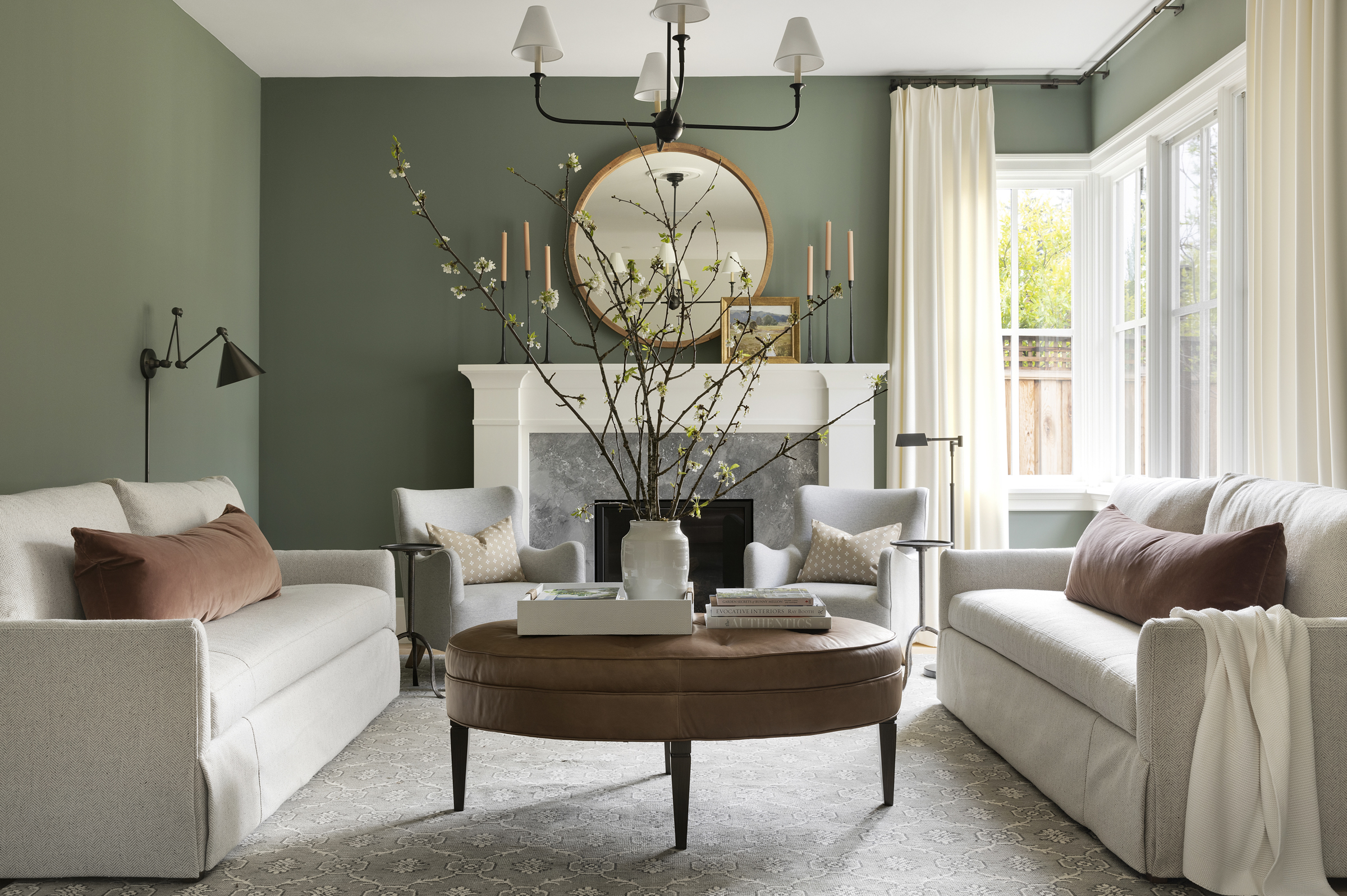
When green meets gray, you get incredibly versatile and sophisticated shades. Think muted sage green, eucalyptus, or a dusty olive. These greens often feel more neutral and refined.
- When to Use: Almost any living room! Gray-greens are incredibly adaptable and work well in various lighting conditions. They are perfect for contemporary, minimalist, or transitional styles where you want a subtle yet impactful backdrop.
- Pairing Ideas: Charcoal grays, off-whites, dusty rose, blush, matte black, and gold accents create a chic and modern aesthetic.
| Undertone Type | Characteristics | Best For Living Rooms With… | Complementary Colors |
|---|---|---|---|
| Blue Undertones | Cool, calming, serene, often reminiscent of water or deep forests. | North-facing light (to counteract coolness), modern/minimalist styles, creating a tranquil retreat. | Crisp whites, deep grays, navy blue, silver accents, natural wood. |
| Yellow Undertones | Warm, inviting, cheerful, often associated with spring or earthy tones. | South-facing light (to enhance warmth), traditional/bohemian styles, adding vibrancy and cheer. | Creamy whites, warm beiges, terracotta, mustard yellow, brass accents, dark wood. |
| Gray Undertones | Sophisticated, muted, grounded, creates a refined and understated elegance. | Any light condition (very versatile), contemporary/transitional styles, acting as a neutral backdrop. | Charcoal, off-whites, dusty rose, blush, matte black, gold accents. |
Choosing Your Shade: Light, Medium, or Dark Green?
Beyond undertones, the depth of your green plays a crucial role in defining the mood and perceived size of your living room.
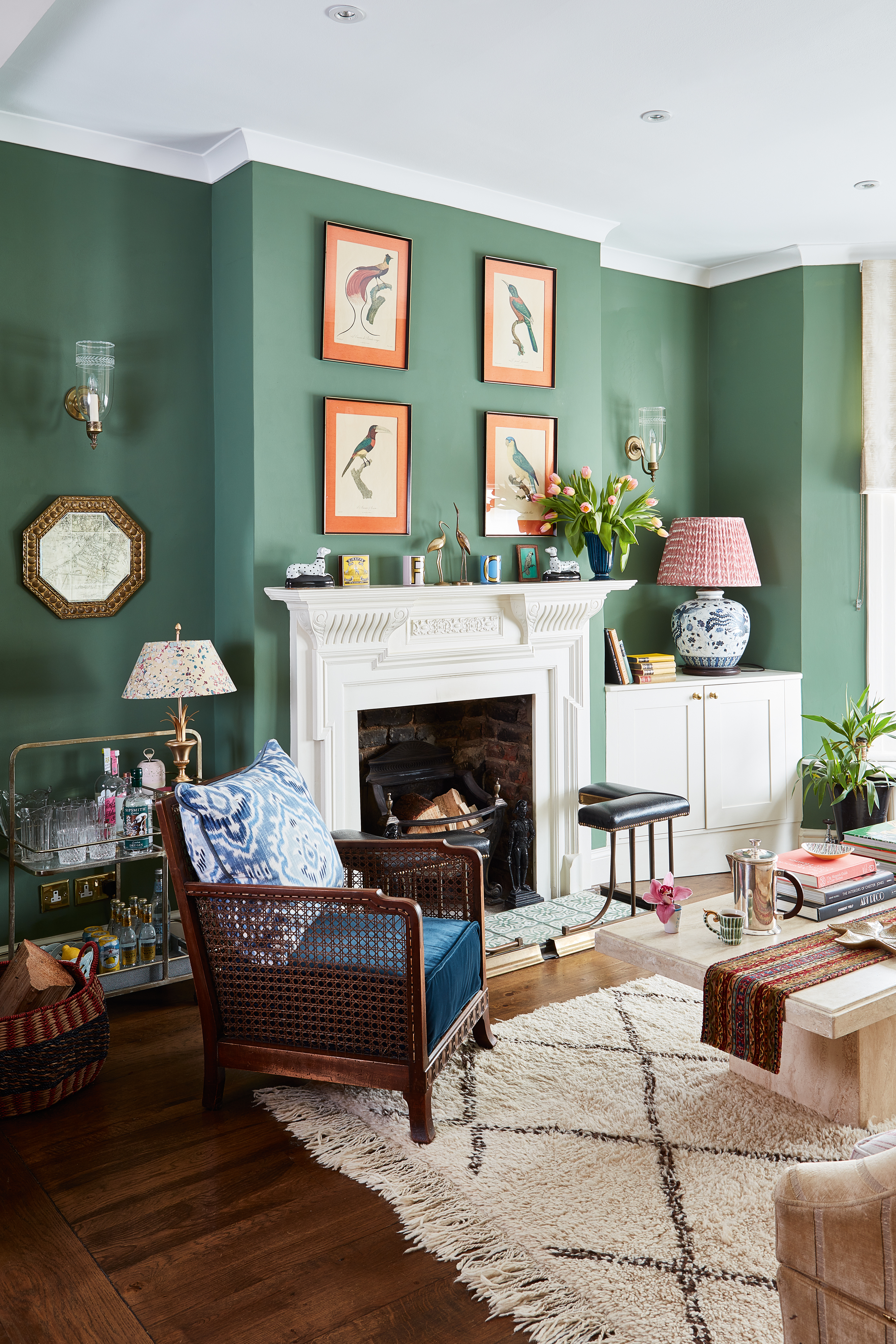
Light Greens: Bright, Airy, and Refreshing
Think pale sage, mint green, celadon, or a very soft spring green. These shades are closer to white on the spectrum.
- Best for: Small living rooms, rooms with limited natural light, or when you want to create an airy, open, and refreshing atmosphere. They can make a space feel larger and brighter.
- Mood: Optimistic, serene, expansive.
Medium Greens: Balanced, Versatile, and Grounded
These are your middle-of-the-road greens like a classic olive, muted emerald, or a true forest green. They have enough saturation to be noticeable but aren’t overwhelmingly dark.
- Best for: Most living rooms! They offer a perfect balance between making a statement and providing a sense of comfort and stability. They work well in rooms of various sizes and light conditions.
- Mood: Balanced, welcoming, natural.
Dark Greens: Dramatic, Cozy, and Sophisticated
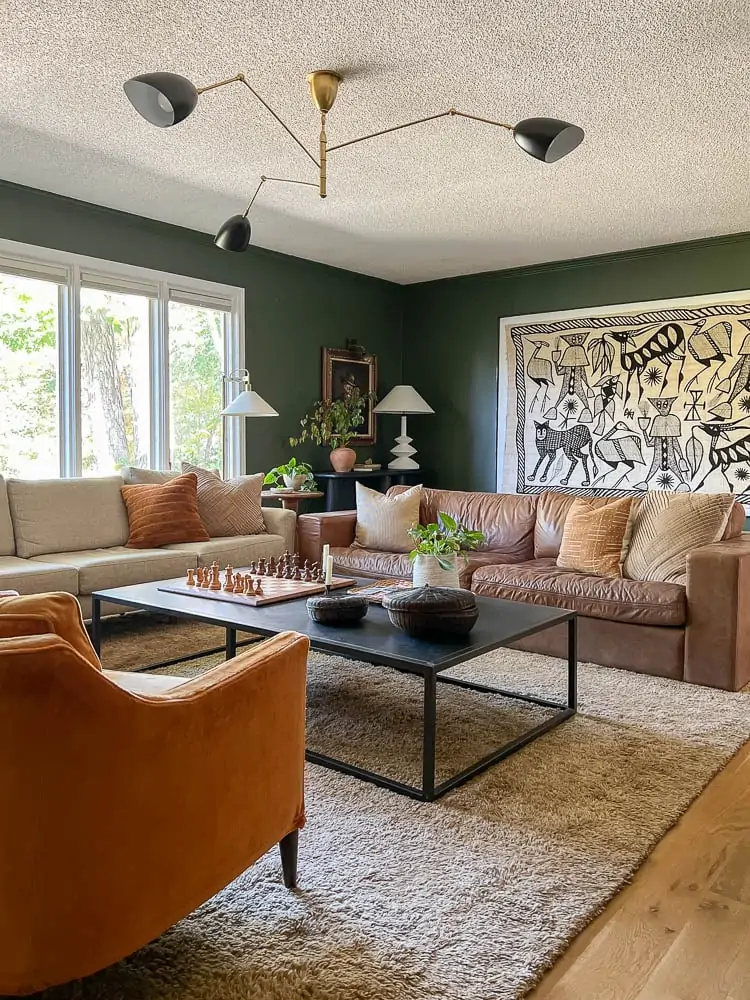
These are the bold, deep shades like hunter green, deep emerald, or a rich jade. They absorb light and create a strong presence.
- Best for: Larger living rooms with ample natural light (to prevent feeling too cavernous), or when you want to create an intimate, cozy, and luxurious retreat. They add incredible depth and sophistication.
- Mood: Elegant, intimate, dramatic, calming.
| Green Shade Category | Effect on Room Perception | Ideal Living Room Conditions | Mood Evoked |
|---|---|---|---|
| Light Greens | Expands space, enhances brightness. | Small rooms, low natural light, modern/minimalist. | Airy, serene, refreshing, optimistic. |
| Medium Greens | Adds depth without overwhelming, grounds the space. | Most living rooms, balanced light, versatile styles. | Welcoming, natural, stable, comforting. |
| Dark Greens | Creates intimacy, adds drama and luxury. | Large rooms, abundant natural light, luxurious/traditional. | Dramatic, cozy, sophisticated, intimate. |
Complementary Colors & Design Palettes for Green Living Rooms
A green living room wall isn’t a solitary statement; it’s the anchor of your entire design palette. The colors you pair with it will either sing in harmony or clash. Let’s make sure they sing!
Neutrals That Sing: Your Green’s Best Friends
Neutrals are your foundation. They allow your green walls to truly shine.
- Crisp Whites: For a fresh, modern, and bright look. Perfect with cool greens.
- Warm Beiges & Creams: Soften the intensity of green and add a cozy, inviting feel. Excellent with yellow-greens.
- Grays (Warm & Cool): A versatile partner. Light grays create a sophisticated backdrop, while charcoal adds depth and drama. Consider the undertones of both your green and your gray.
Earth Tones & Wood: Amplifying Nature’s Embrace
Lean into the natural vibe by incorporating other earthy elements.
- Terracotta & Rust: These warm, grounding hues create a beautiful, rich contrast with almost any green, especially those with gray or blue undertones.
- Rich Browns: From light oak to dark walnut, wood tones are a natural match for green, bringing warmth and organic texture.
- Stone & Concrete: For a more industrial or minimalist touch, these textures provide a subtle, cool contrast.
Pops of Contrast: Bold and Beautiful
Ready to introduce a little flair? These colors can add energy and personality.
- Blush Pink & Dusty Rose: A surprisingly chic pairing, especially with muted or dark greens. It adds softness and a touch of romance.
- Deep Teal & Navy Blue: For a sophisticated, jewel-toned palette. Works beautifully with emerald or hunter greens.
- Mustard Yellow & Gold/Brass: Adds warmth, richness, and a touch of glamour. Ideal with deeper or yellow-toned greens.
Monochromatic Magic: Layers of Green
Don’t be afraid to use different shades of green within the same room. A dark green wall can be complemented by lighter green throw pillows, a moss-colored rug, or a vibrant plant. This creates depth and a cohesive, enveloping feel without being overwhelming.
| Green Wall Shade | Ideal Neutral Pairings | Warm Accents | Cool Accents | Metallic Accents |
|---|---|---|---|---|
| Pale/Mint Green | Crisp White, Light Gray | Soft Coral, Cream, Light Wood | Aqua, Sky Blue, Navy | Silver, White Gold |
| Sage Green | Warm White, Cream, Greige | Terracotta, Blush Pink, Olive | Dusty Blue, Teal | Brass, Copper, Matte Black |
| Olive Green | Cream, Tan, Charcoal Gray | Mustard Yellow, Rust, Burnt Orange | Deep Teal, Navy, Eggplant | Gold, Bronze |
| Emerald/Forest Green | Deep Cream, Dark Gray, Black | Gold, Rich Wood Tones, Maroon | Navy, Sapphire Blue, Deep Purple | Brass, Polished Gold, Dark Bronze |
Factors to Consider Before Painting Your Living Room Green
Hold up! Before you grab that paint brush, there are a few practical considerations that will help you finalize your perfect green.
Natural Light Assessment: The Ultimate Game Changer
Seriously, this is HUGE. The amount and direction of natural light in your living room will drastically change how a green shade appears throughout the day.
:strip_icc()/Green-living-room-BHG_PTSN18751-4sMC1xbXq6vBOFaXOYm6Ia-afd84bf704804c7ca2c349e107f32b8a.jpg "24 Green Living Room Ideas with Refreshing Style")
- North-Facing Rooms: Tend to have cooler, somewhat dimmer light. Warm greens (with yellow undertones) can help counteract this.
- South-Facing Rooms: Bathed in bright, warm light. Cool greens (with blue undertones) can balance the warmth without making the room feel cold.
- East-Facing Rooms: Get bright, warm morning light, which cools off by afternoon.
- West-Facing Rooms: Enjoy warm, golden light in the afternoon and evening.
Always view your paint samples at different times of day to see how the light transforms them.
Room Size & Ceiling Height: Maximizing Your Space
- Small Rooms: Lighter greens can make a small room feel more expansive and open. If you crave a dark green, consider using it on an accent wall or only in a room with very high ceilings.
- Large Rooms: Can handle darker, more saturated greens. These deeper hues can create intimacy and prevent a large room from feeling cavernous.
- Ceiling Height: If your ceilings are low, keep the green a bit lighter or extend the wall color onto the ceiling for an enveloping effect.
Existing Furniture & Flooring: Seamless Integration
Unless you’re planning a complete overhaul, your new green walls need to play nice with what you already have. Take note of:
- Upholstery: Does your sofa lean beige, gray, or white? What are its undertones?
- Wood Tones: Are your existing tables or floorboards light oak, dark walnut, or reddish cherry?
- Art & Decor: Do you have a favorite piece of art or a rug that must stay? Pick a green that complements its colors.
Desired Mood & Style: What’s Your Vibe?
Before you commit, ask yourself: What feeling do I want my living room to evoke?
- Calm & Relaxing: Lean towards muted, cool, or gray-greens (sage, eucalyptus).
- Energetic & Inviting: Explore warmer, medium-toned greens (olive, moss).
- Sophisticated & Dramatic: Go for deep, rich greens (emerald, hunter).
The Power of Paint Finish: More Than Just Shine
The finish (or sheen) of your paint choice dramatically affects how the color looks and feels.
- Matte/Flat: Absorbs light, creating a velvety, sophisticated look. Best for walls with minor imperfections. Less durable.
- Eggshell/Satin: Offers a subtle sheen, making walls easier to clean. The most popular choice for living rooms, balancing durability and appearance.
- Semi-Gloss: Very durable and reflective, typically used for trim, doors, and high-traffic areas. Can be too shiny for entire walls in a living room.
Expert Tips for Green Living Room Success
Here are a few final pro tips to ensure your green living room transformation is a resounding success.
Sample, Sample, Sample: Your Rule
Do NOT skip this step. Paint swatches directly on your wall (or use large peel-and-stick samples) and observe them throughout the day and evening. See how they react to natural light, artificial light, and surrounding elements. This is the single most important step to avoid paint regret.
Don’t Forget the Trim & Ceiling: Completing the Picture
Your trim and ceiling aren’t just afterthoughts. They frame your beautiful green walls. Classic choices include a crisp white or an off-white with warm undertones to complement your specific green. For a truly immersive, modern look, consider painting the ceiling the same shade of green as your walls, especially with deeper hues.
Balance is Key: Don’t Overdo It
While we love green, too much of a good thing can be, well, too much. Use other colors, textures, and materials to break up the green. Introduce accent furniture, textiles, artwork, and decor in your complementary colors to create visual interest and depth.
Introduce Natural Elements: Amplify the Green
To truly lean into the biophilic appeal of green walls, bring in living elements. Houseplants are an obvious choice, adding varying shades of green and organic forms. Also, incorporate natural wood furniture, woven baskets, stone accents, and even wool or linen textiles to enhance the connection to nature and create a truly harmonious space.
Embrace the Green!
Choosing the right green wall color for your living room is about more than just picking a shade; it’s about crafting an experience. It’s about creating a space that nurtures, inspires, and welcomes you home every single day. By understanding undertones, considering light, and thoughtfully planning your palette, you’re not just painting walls—you’re designing a feeling. So go ahead, embrace the power of green, and watch your living room transform into the natural sanctuary you’ve always dreamed of.
”
}
{ “content”: “
The Ultimate Guide to Green Wall Colors for Your Living Room: From Serene Sage to Bold Emerald
Feeling a little disconnected? Craving a sanctuary that soothes your soul after a long day? Look no further than the remarkable power of green paint in your living room. Forget sterile whites or predictable grays. Green isn’t just a color; it’s an invitation to bring the calming, restorative essence of nature right into the heart of your home. It’s about transforming your living space into a haven of tranquility, a stylish statement, and a place where you genuinely feel at ease.
But with an entire spectrum of greens out there – from whispered sages to dramatic emeralds – how do you choose the one that’s just right for your space? That’s exactly what we’re diving into. I’m here to demystify the world of green wall colors for your living room, helping you unlock its incredible potential and create a space you’ll absolutely love.
Why Green is the Perfect Choice for Your Living Room Walls
Before we explore specific shades, let’s talk about why green is a standout choice for your living room. It’s not just a trend; it’s a timeless classic with profound benefits.
The Psychology of Green: More Than Just a Pretty Color
Green is universally associated with nature, growth, renewal, and harmony. Psychologically, it’s known to:
- Promote Calm and Relaxation: It has a soothing effect, reducing stress and fostering a sense of peace. Perfect for unwinding.
- Encourage Balance: Sitting in the middle of the color spectrum, green represents balance and stability.
- Enhance Focus: Believe it or not, some studies suggest green can help improve concentration, making your living room a great spot for reading or thoughtful conversation.
- Connect to Nature: Even subtle greens evoke the outdoors, creating a biophilic design element that supports well-being.
Versatility Unmatched: Green for Every Style
Whether your style leans ultra-modern, cozy farmhouse, eclectic bohemian, or refined traditional, there’s a green that fits. Green acts as both a vibrant accent and a sophisticated neutral, capable of adapting to almost any aesthetic. It can be:
- Modern & Minimalist: Think muted sage or deep olive paired with clean lines and natural textures.
- Bohemian & Eclectic: Rich emerald or forest green can ground a room filled with patterns and global treasures.
- Traditional & Elegant: Classic hunter green or a soft celadon offers timeless sophistication.
- Farmhouse & Rustic: Earthy moss greens or a fresh mint create a welcoming, natural feel.
Decoding Green: Understanding Undertones is Key
This is where many people get tripped up. A green isn’t just ‘green’; it has an underlying tone that dictates how it behaves in your room. Understanding these undertones is the secret to choosing a green you’ll genuinely love.
Blue-Greens: Cool, Serene, and Tranquil
These greens lean towards blue, giving them a cooler, often more watery feel. Think shades like sage green, mint, seafoam, or a deep evergreen with a hint of navy. They are inherently calming and serene.
- When to Use: Ideal for rooms that receive a lot of warm, south-facing light, as the blue undertone helps to cool the space. Perfect for creating a tranquil, spa-like atmosphere, or for coastal and Scandinavian-inspired interiors.
- Pairing Ideas: Look for crisp whites, light grays, natural wood tones, and hints of silver or chrome. Navy blue, coral, or even soft blush can provide beautiful accents.
Yellow-Greens: Warm, Inviting, and Energetic
These greens carry a prominent yellow undertone, making them feel warmer and more inviting. Examples include olive, moss green, chartreuse, or a lively lime. They tend to be more vibrant and can bring a sense of cheer.
- When to Use: Excellent for north-facing rooms that often feel cooler, as the yellow undertone adds much-needed warmth. Great for traditional, bohemian, or retro-inspired spaces, or if you want to inject more energy into your living room.
- Pairing Ideas: Creamy whites, warm beiges, terracotta, mustard yellow, and brass accents complement these greens beautifully. Rich browns and other earthy tones also work wonderfully.
Gray-Greens: Sophisticated, Muted, and Grounded
When green meets gray, you get incredibly versatile and sophisticated shades. Think muted sage green, eucalyptus, or a dusty olive. These greens often feel more neutral and refined.
- When to Use: Almost any living room! Gray-greens are incredibly adaptable and work well in various lighting conditions. They are perfect for contemporary, minimalist, or transitional styles where you want a subtle yet impactful backdrop.
- Pairing Ideas: Charcoal grays, off-whites, dusty rose, blush, matte black, and gold accents create a chic and modern aesthetic.
| Undertone Type | Characteristics | Best For Living Rooms With… | Complementary Colors |
|---|---|---|---|
| Blue Undertones | Cool, calming, serene, often reminiscent of water or deep forests. | North-facing light (to counteract coolness), modern/minimalist styles, creating a tranquil retreat. | Crisp whites, deep grays, navy blue, silver accents, natural wood. |
| Yellow Undertones | Warm, inviting, cheerful, often associated with spring or earthy tones. | South-facing light (to enhance warmth), traditional/bohemian styles, adding vibrancy and cheer. | Creamy whites, warm beiges, terracotta, mustard yellow, brass accents, dark wood. |
| Gray Undertones | Sophisticated, muted, grounded, creates a refined and understated elegance. | Any light condition (very versatile), contemporary/transitional styles, acting as a neutral backdrop. | Charcoal, off-whites, dusty rose, blush, matte black, gold accents. |
Choosing Your Shade: Light, Medium, or Dark Green?
Beyond undertones, the depth of your green plays a crucial role in defining the mood and perceived size of your living room.
Light Greens: Bright, Airy, and Refreshing
Think pale sage, mint green, celadon, or a very soft spring green. These shades are closer to white on the spectrum.
- Best for: Small living rooms, rooms with limited natural light, or when you want to create an airy, open, and refreshing atmosphere. They can make a space feel larger and brighter.
- Mood: Optimistic, serene, expansive.
Medium Greens: Balanced, Versatile, and Grounded
These are your middle-of-the-road greens like a classic olive, muted emerald, or a true forest green. They have enough saturation to be noticeable but aren’t overwhelmingly dark.
- Best for: Most living rooms! They offer a perfect balance between making a statement and providing a sense of comfort and stability. They work well in rooms of various sizes and light conditions.
- Mood: Balanced, welcoming, natural.
Dark Greens: Dramatic, Cozy, and Sophisticated
These are the bold, deep shades like hunter green, deep emerald, or a rich jade. They absorb light and create a strong presence.
- Best for: Larger living rooms with ample natural light (to prevent feeling too cavernous), or when you want to create an intimate, cozy, and luxurious retreat. They add incredible depth and sophistication.
- Mood: Elegant, intimate, dramatic, calming.
| Green Shade Category | Effect on Room Perception | Ideal Living Room Conditions | Mood Evoked |
|---|---|---|---|
| Light Greens | Expands space, enhances brightness. | Small rooms, low natural light, modern/minimalist. | Airy, serene, refreshing, optimistic. |
| Medium Greens | Adds depth without overwhelming, grounds the space. | Most living rooms, balanced light, versatile styles. | Welcoming, natural, stable, comforting. |
| Dark Greens | Creates intimacy, adds drama and luxury. | Large rooms, abundant natural light, luxurious/traditional. | Dramatic, cozy, sophisticated, intimate. |
Complementary Colors & Design Palettes for Green Living Rooms
A green living room wall isn’t a solitary statement; it’s the anchor of your entire design palette. The colors you pair with it will either sing in harmony or clash. Let’s make sure they sing!
Neutrals That Sing: Your Green’s Best Friends
Neutrals are your foundation. They allow your green walls to truly shine.
- Crisp Whites: For a fresh, modern, and bright look. Perfect with cool greens.
- Warm Beiges & Creams: Soften the intensity of green and add a cozy, inviting feel. Excellent with yellow-greens.
- Grays (Warm & Cool): A versatile partner. Light grays create a sophisticated backdrop, while charcoal adds depth and drama. Consider the undertones of both your green and your gray.
Earth Tones & Wood: Amplifying Nature’s Embrace
Lean into the natural vibe by incorporating other earthy elements.
- Terracotta & Rust: These warm, grounding hues create a beautiful, rich contrast with almost any green, especially those with gray or blue undertones.
- Rich Browns: From light oak to dark walnut, wood tones are a natural match for green, bringing warmth and organic texture.
- Stone & Concrete: For a more industrial or minimalist touch, these textures provide a subtle, cool contrast.
Pops of Contrast: Bold and Beautiful
Ready to introduce a little flair? These colors can add energy and personality.
- Blush Pink & Dusty Rose: A surprisingly chic pairing, especially with muted or dark greens. It adds softness and a touch of romance.
- Deep Teal & Navy Blue: For a sophisticated, jewel-toned palette. Works beautifully with emerald or hunter greens.
- Mustard Yellow & Gold/Brass: Adds warmth, richness, and a touch of glamour. Ideal with deeper or yellow-toned greens.
Monochromatic Magic: Layers of Green
Don’t be afraid to use different shades of green within the same room. A dark green wall can be complemented by lighter green throw pillows, a moss-colored rug, or a vibrant plant. This creates depth and a cohesive, enveloping feel without being overwhelming.
| Green Wall Shade | Ideal Neutral Pairings | Warm Accents | Cool Accents | Metallic Accents |
|---|---|---|---|---|
| Pale/Mint Green | Crisp White, Light Gray | Soft Coral, Cream, Light Wood | Aqua, Sky Blue, Navy | Silver, White Gold |
| Sage Green | Warm White, Cream, Greige | Terracotta, Blush Pink, Olive | Dusty Blue, Teal | Brass, Copper, Matte Black |
| Olive Green | Cream, Tan, Charcoal Gray | Mustard Yellow, Rust, Burnt Orange | Deep Teal, Navy, Eggplant | Gold, Bronze |
| Emerald/Forest Green | Deep Cream, Dark Gray, Black | Gold, Rich Wood Tones, Maroon | Navy, Sapphire Blue, Deep Purple | Brass, Polished Gold, Dark Bronze |
Factors to Consider Before Painting Your Living Room Green
Hold up! Before you grab that paint brush, there are a few practical considerations that will help you finalize your perfect green.
Natural Light Assessment: The Ultimate Game Changer
Seriously, this is HUGE. The amount and direction of natural light in your living room will drastically change how a green shade appears throughout the day.

- North-Facing Rooms: Tend to have cooler, somewhat dimmer light. Warm greens (with yellow undertones) can help counteract this.
- South-Facing Rooms: Bathed in bright, warm light. Cool greens (with blue undertones) can balance the warmth without making the room feel cold.
- East-Facing Rooms: Get bright, warm morning light, which cools off by afternoon.
- West-Facing Rooms: Enjoy warm, golden light in the afternoon and evening.
Always view your paint samples at different times of day to see how the light transforms them.
Room Size & Ceiling Height: Maximizing Your Space
- Small Rooms: Lighter greens can make a small room feel more expansive and open. If you crave a dark green, consider using it on an accent wall or only in a room with very high ceilings.
- Large Rooms: Can handle darker, more saturated greens. These deeper hues can create intimacy and prevent a large room from feeling cavernous.
- Ceiling Height: If your ceilings are low, keep the green a bit lighter or extend the wall color onto the ceiling for an enveloping effect.
Existing Furniture & Flooring: Seamless Integration
Unless you’re planning a complete overhaul, your new green walls need to play nice with what you already have. Take note of:
- Upholstery: Does your sofa lean beige, gray, or white? What are its undertones?
- Wood Tones: Are your existing tables or floorboards light oak, dark walnut, or reddish cherry?
- Art & Decor: Do you have a favorite piece of art or a rug that must stay? Pick a green that complements its colors.
Desired Mood & Style: What’s Your Vibe?
Before you commit, ask yourself: What feeling do I want my living room to evoke?
- Calm & Relaxing: Lean towards muted, cool, or gray-greens (sage, eucalyptus).
- Energetic & Inviting: Explore warmer, medium-toned greens (olive, moss).
- Sophisticated & Dramatic: Go for deep, rich greens (emerald, hunter).
The Power of Paint Finish: More Than Just Shine
The finish (or sheen) of your paint choice dramatically affects how the color looks and feels.
- Matte/Flat: Absorbs light, creating a velvety, sophisticated look. Best for walls with minor imperfections. Less durable.
- Eggshell/Satin: Offers a subtle sheen, making walls easier to clean. The most popular choice for living rooms, balancing durability and appearance.
- Semi-Gloss: Very durable and reflective, typically used for trim, doors, and high-traffic areas. Can be too shiny for entire walls in a living room.
Expert Tips for Green Living Room Success
Here are a few final pro tips to ensure your green living room transformation is a resounding success.
Sample, Sample, Sample: Your Rule
Do NOT skip this step. Paint swatches directly on your wall (or use large peel-and-stick samples) and observe them throughout the day and evening. See how they react to natural light, artificial light, and surrounding elements. This is the single most important step to avoid paint regret.
Don’t Forget the Trim & Ceiling: Completing the Picture
Your trim and ceiling aren’t just afterthoughts. They frame your beautiful green walls. Classic choices include a crisp white or an off-white with warm undertones to complement your specific green. For a truly immersive, modern look, consider painting the ceiling the same shade of green as your walls, especially with deeper hues.
Balance is Key: Don’t Overdo It
While we love green, too much of a good thing can be, well, too much. Use other colors, textures, and materials to break up the green. Introduce accent furniture, textiles, artwork, and decor in your complementary colors to create visual interest and depth.
Introduce Natural Elements: Amplify the Green
To truly lean into the biophilic appeal of green walls, bring in living elements. Houseplants are an obvious choice, adding varying shades of green and organic forms. Also, incorporate natural wood furniture, woven baskets, stone accents, and even wool or linen textiles to enhance the connection to nature and create a truly harmonious space.
Embrace the Green!
Choosing the right green wall color for your living room is about more than just picking a shade; it’s about crafting an experience. It’s about creating a space that nurtures, inspires, and welcomes you home every single day. By understanding undertones, considering light, and thoughtfully planning your palette, you’re not just painting walls—you’re designing a feeling. So go ahead, embrace the power of green, and watch your living room transform into the natural sanctuary you’ve always dreamed of.