Beyond the Hype: Your Definitive Guide to Truly Calm & Relaxing Bedroom Paint Colors
Tossing and turning? Waking up still feeling wired? Your bedroom, meant to be your sanctuary, might actually be contributing to your stress, and often, the culprit is right on your walls.
I know, picking a paint color feels like a monumental task. The endless swatches, the fear of making the wrong choice, the pressure to create that perfect serene escape. But here’s a secret: choosing a truly calming bedroom paint color isn’t about following fleeting trends. It’s about understanding how color profoundly impacts your mood, your mind, and most importantly, your sleep.
This isn’t just another list of pretty colors. This is your comprehensive playbook to selecting a shade that not only looks beautiful but actively works to soothe your senses, lower your heart rate, and invite deep, restorative rest. Ready to transform your bedroom into the tranquil haven you deserve? Let’s dive in.
The Science of Serenity: How Paint Colors Impact Your Sleep & Mood
It’s not hocus pocus; it’s neuroscience. Our brains are hardwired to react to colors in specific ways, a phenomenon deeply rooted in our evolutionary past and cultural associations. When it comes to your bedroom, these reactions can either be a silent lullaby or an uninvited jolt of adrenaline.
Understanding Color Psychology for Your Sanctuary
Think about it: fiery reds can evoke passion or anger, bright yellows energy or anxiety. For a space dedicated to rest, we want colors that whisper, not shout.
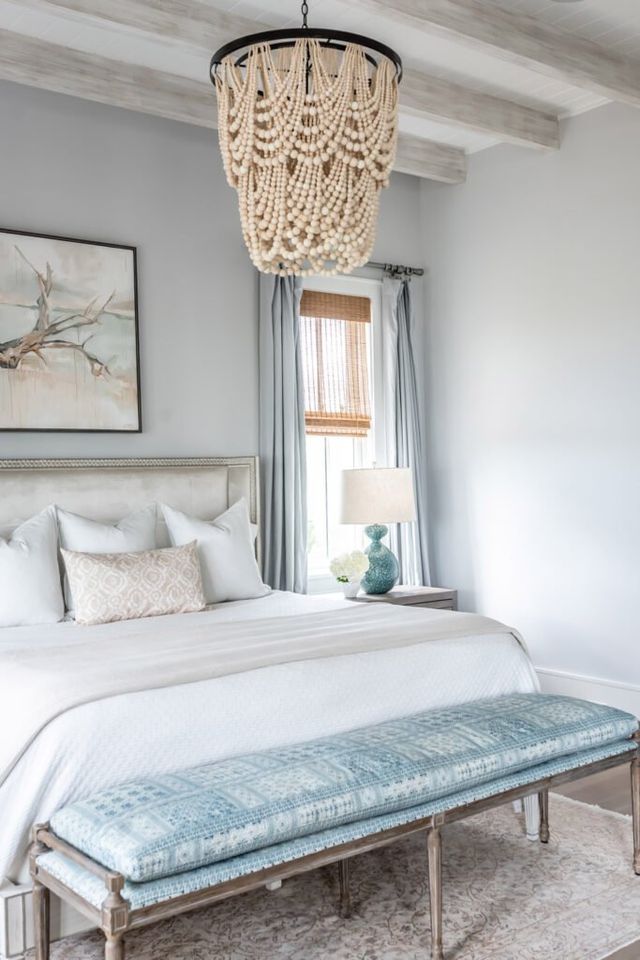
- Blues: Universally associated with water and sky, blues tend to lower blood pressure, heart rate, and respiration. They promote feelings of calm, stability, and peacefulness.
- Greens: Reminiscent of nature, greens bring a sense of balance, harmony, and renewal. They are often perceived as restful and stress-reducing, promoting a feeling of well-being.
- Neutrals (Grays, Beiges, Whites): These provide a sense of quiet sophistication and stability. They create a blank canvas, allowing your mind to decompress without visual clutter. The key is finding ones with the right undertones to avoid feeling cold or sterile.
- Soft Pinks/Lavenders: These lighter, pastel versions of warmer colors can evoke comfort, tenderness, and gentle romance. They’re often associated with nurturing and can have a calming, almost dreamy effect.
The intensity also matters. Highly saturated or bright versions of any color are generally too stimulating for a bedroom. Instead, we’re looking for muted, desaturated, and softer tones that don’t demand attention but rather recede, allowing your mind to unwind.
The Power of Light: Natural vs. Artificial Illumination
A color swatch in the store is a liar. The true character of your paint color will only reveal itself in your home, under your unique lighting conditions. This is perhaps the single most overlooked factor in paint selection.
- Natural Light:
- North-facing rooms tend to have cooler, bluish light. Colors here can appear muted or even a bit gray. Warm tones can help counteract the cool, while cool tones might feel even icier.
- South-facing rooms bask in warm, bright light throughout the day. Almost any color looks good here, but very warm colors can become overpowering.
- East-facing rooms get bright, warm morning light, which turns cooler and dimmer in the afternoon. Colors will look different at various times of day.
- West-facing rooms have cooler morning light that becomes intensely warm and golden in the afternoon/evening. Be aware of how your chosen color will glow at sunset.
- Artificial Light:
- Incandescent bulbs (traditional warm glow) can bring out yellow or red undertones in paint.
- LEDs and fluorescents vary widely. Look for bulbs described as “soft white” or “daylight” and note their Kelvin (K) rating. Lower K ratings (2700K-3000K) are warmer; higher (4000K+) are cooler. Your bedroom needs warm, dimmable lighting for true calm.
The takeaway? Never choose a color without seeing it in your actual bedroom, at different times of day, and under both natural and artificial light. It’s the ultimate reality check.
The Pantheon of Peace: Top Calming Bedroom Paint Colors
Forget generic lists. Let’s delve into *why these specific color families are your best allies for a restful retreat, complete with insights on their undertones and how to pair them effectively.
Soft Blues: The Classic Tranquilizer
There’s a reason blues are almost always at the top of ‘calming color’ lists. They evoke the serenity of the sky and ocean, promoting feelings of peace, tranquility, and introspection.
:strip_icc()/WhalesTail-3473099bd2224e18adc7553f9cd5b09d.jpg "25 Calming Bedroom Paint Colors for a Restful Retreat")
- Why it works: Blues are known to slow down metabolism and heart rate. They help us feel centered and relaxed, making them ideal for unwinding after a long day.
- Examples:
Muted Sky Blue: Light, airy, and expansive, perfect for opening up a smaller room.
Powder Blue: Gentle and soft, a classic choice for a delicate touch.
Dusty or Muted Denim Blue: A slightly deeper, more sophisticated blue that still retains its calming properties, often with gray undertones. - Undertones to Watch For: Pay attention to whether a blue leans slightly green (aqua/teal feel) or slightly gray (more sophisticated, less ‘baby blue’). Avoid anything too vibrant or electric.
- Pairing Suggestions: Whites, creams, light grays, natural wood tones, and hints of silver or brushed nickel.
Serene Greens: Nature’s Lullaby
Green connects us to the natural world, bringing a sense of balance, harmony, and renewal indoors. It’s a fantastic choice for creating a grounded, restorative atmosphere.
- Why it works: Green is considered a stress-reducing color. It represents growth and life, providing a refreshing yet soothing backdrop that helps ease mental fatigue.
- Examples:
Soft Sage Green: Earthy, sophisticated, and incredibly soothing. It’s almost a neutral.
Eucalyptus Green: A slightly cooler, often gray-green that feels fresh and spa-like.
Muted Moss Green: A deeper, richer green with warm, earthy undertones, perfect for a cozy feel without being dark. - Undertones to Watch For: Green can lean yellow (warmer, livelier) or blue (cooler, more serene). For calmness, lean towards greens with a healthy dose of gray or blue.
- Pairing Suggestions: Creams, warm whites, taupes, natural wood, gold accents, and even a touch of dusty pink.
Warm Neutrals: Cozy Cocooning
Neutrals aren’t boring; they’re the unsung heroes of calm. When chosen correctly, they create a sense of elegant simplicity and comforting warmth, allowing other elements in the room to shine (or simply allowing your mind to rest).
- Why it works: Neutrals provide a sense of stability, sophistication, and a clean slate. Warm undertones prevent them from feeling stark, instead creating a nurturing, inviting embrace.
- Examples:
Greige: The perfect marriage of gray and beige, offering warmth without being too yellow, and coolness without being stark. It adapts beautifully to various lighting.
Warm Taupe: A gray-brown that feels organic and inviting. Excellent for creating a cozy, earthy feel.
Soft Mushroom Gray: A muted gray with subtle brown or purple undertones, adding depth and warmth. - Undertones to Watch For: Avoid cold, blue-based grays unless your room gets a lot of warm natural light. Look for grays with beige, brown, or even subtle green undertones.
- Pairing Suggestions: Nearly anything! These colors are incredibly versatile. Pair with other neutrals, natural textures, and pops of muted color.
Gentle Whites & Off-Whites: The Clean Canvas
While a crisp, stark white can feel clinical, the right off-white or creamy white can be the ultimate in serene simplicity, expanding space and providing a tranquil backdrop for relaxation.
- Why it works: Whites symbolize purity, cleanliness, and new beginnings. Off-whites introduce a softness that prevents them from feeling cold, allowing the mind to declutter and decompress.
- Examples:
Creamy White: A warm white with subtle yellow or beige undertones, creating a soft, inviting glow.
Linen White: Often has a touch of gray or beige, giving it a sophisticated, natural textile feel.
Slightly Grayed White: A white with just enough gray to take off the edge, making it feel softer and more contemporary. - Undertones to Watch For: Avoid whites with strong blue undertones in North-facing rooms unless you want a very cool, minimalist look. Lean into yellows, pinks, or beiges for warmth.
- Pairing Suggestions: Excellent with natural wood, rattan, woven textures, soft pastels, and metallic accents.
Subtle Lavenders & Blush Pinks: Whispers of Calm
Don’t dismiss these as ‘feminine’ colors. When muted and softened, lavenders and blush pinks can be incredibly sophisticated and calming, evoking a sense of nurturing and gentle romance.
- Why it works: Lavender is often associated with relaxation and sleep, similar to the herb itself. Blush pink, when muted, can feel comforting and soft, promoting tenderness and calm without being overly saccharine.
- Examples:
Muted Lilac: A soft, desaturated purple that feels gentle and ethereal.
Dusty Rose: A sophisticated pink with gray or brown undertones, far from bubblegum.
Faint Blush Pink: A barely-there pink that adds warmth and a subtle glow. - Undertones to Watch For: Crucially, these must be very muted. Avoid anything vibrant or approaching fuchsia or bright purple. Look for a healthy dose of gray to tone them down.
- Pairing Suggestions: Whites, creams, light grays, deeper greens, and gold or copper accents.
The Unexpected Calmers: Deep, Muted Tones
While typically we recommend lighter colors for calm, certain deep, muted shades can create a surprisingly cozy and enveloping cocoon, perfect for some sleep environments. This is where contrast and intentional design really come into play.
:max_bytes(150000):strip_icc()/tranquil-yet-sophisticated-bedroom-paint-colors-350800-hero-fad897b742b049669237b47231236dce.jpg "14 Best Bedroom Paint Colors for a Relaxing Space")
- Why it works: When used correctly, deep, muted colors can absorb light, creating a den-like atmosphere that feels incredibly secure and grounding. They eliminate visual noise and promote a sense of intimacy.
- Examples:
Deep Charcoal Gray: A sophisticated, enveloping gray that can feel incredibly cozy and elegant when paired with warm lighting and textures.
Muted Navy Blue: A dark blue that retains its calming properties but adds depth and drama, reminiscent of the night sky. - Undertones to Watch For: Absolutely crucial for these. Charcoal should have warm (brown/green) undertones, not cold blue. Navy should be muted, leaning towards gray or black, not vibrant.
- Pairing Suggestions: Abundant warm whites and creams for contrast, natural wood, luxurious textures (velvet, wool), and brass or gold metallic accents to prevent the room from feeling heavy. Best for rooms with ample natural light or carefully curated artificial lighting.
The Critical Choice: Factors Beyond the Swatch
Okay, so you have a few favorite colors in mind. Now, how do you narrow it down to the one? It’s not just about what looks good, but what feels good in your specific space.
Your Room’s Personality: Size, Natural Light, and Ceiling Height
- Small Rooms: Lighter, airier colors (soft blues, gentle whites, pale greens) can help a small room feel larger and more open. If you crave drama, consider painting only one wall a darker shade, or embracing a monochromatic light scheme.
- Rooms with Low Natural Light: Avoid overly cool or dark colors, as they can make the room feel like a cave. Opt for warm whites, creamy neutrals, or soft greens to maximize the light you do have and add a feeling of brightness.
- Large Rooms or High Ceilings: You have more flexibility! Deeper, muted tones can create a sense of intimacy and coziness without overwhelming the space. Lighter colors will make it feel expansive.
Existing Decor & Furniture: Creating a Cohesive Scheme
Unless you’re starting from scratch, your paint color needs to play nice with your existing elements. Take photos of your bedding, curtains, and furniture. Bring fabric swatches or small items with you when looking at paint samples.
- Warm Woods (Oak, Cherry): Pair well with warm neutrals, greens, and creamy whites.
- Cool Woods (Ash, Bleached Oak): Complement grays, cool blues, and crisp whites.
- Upholstered Furniture: Choose a paint color that harmonizes with the largest fabric pieces in the room.
Think of the paint as the backdrop. It should enhance, not compete with, your beloved pieces.
Personal Preference: What Truly Resonates with YOU
This is arguably the most important factor. While color psychology offers excellent guidelines, your personal connection to a color trumps all. What color makes you feel safe? Relaxed? Happy? If a color technically “should” be calming but it simply doesn’t resonate with you, it won’t work.
Undertones Unveiled: The Secret to Perfect Color Harmony
This is where many people get tripped up. Undertones are the subtle colors beneath the dominant hue, and they dictate how a color truly appears in a space. They can be warm (yellow, red, orange) or cool (blue, green, purple).
:strip_icc()/JetStream814-e85aa25624124da2a51aa16be0d25c8d.jpg "25 Calming Bedroom Paint Colors for a Restful Retreat")
- Why they matter: A “gray” paint could have a blue undertone (making it feel cool) or a green undertone (making it feel more earthy). A “white” could have a yellow undertone (warm) or a pink undertone (blush). If your undertones clash with your existing decor or lighting, the room will feel “off.”
- How to spot them: Compare your chosen paint sample against a pure white background and next to other colors in the same family. You’ll often see the subtle underlying tint emerge. Paint companies usually group colors by undertone or color family for easier selection.
Paint Finish Matters: From Matte to Eggshell
The sheen, or finish, of your paint isn’t just about durability; it significantly impacts how the color looks and feels in a room.
- Matte/Flat: Absorbs light, making colors appear richer and deeper. It hides imperfections beautifully and creates a soft, sophisticated look, ideal for bedrooms where durability isn’t the top concern.
- Eggshell/Satin: Offers a slight sheen, making it more durable and washable than matte. It’s a popular choice for bedrooms, adding a subtle glow without being too reflective. Colors appear slightly brighter.
- Semi-Gloss/Gloss: Highly reflective and durable, but typically too shiny for a bedroom’s main walls, as it can highlight imperfections and be too stimulating. Best reserved for trim or doors.
For a calm bedroom, matte or eggshell finishes are generally the best choices, as they minimize reflection and create a softer ambiance.
Your “Pick My Perfect Color” Playbook: A Step-by-Step Guide
Ready to move from theory to action? Follow these steps to confidently choose your ideal calm bedroom paint color.
Step 1: Gather Inspiration (and don’t just pin!)
Start with online mood boards, magazines, and even nature walks. Pay attention to colors that consistently catch your eye and evoke a feeling of peace. But here’s the crucial part: identify the underlying mood or feeling those colors create, not just the color itself.
Step 2: Acquire Samples (the non-negotiable step)
Seriously, skip this at your peril. Purchase samples (pint-sized cans or large peel-and-stick swatches are best) of your top 2-4 color contenders. Most major paint brands offer these. Don’t rely on tiny paper swatches.
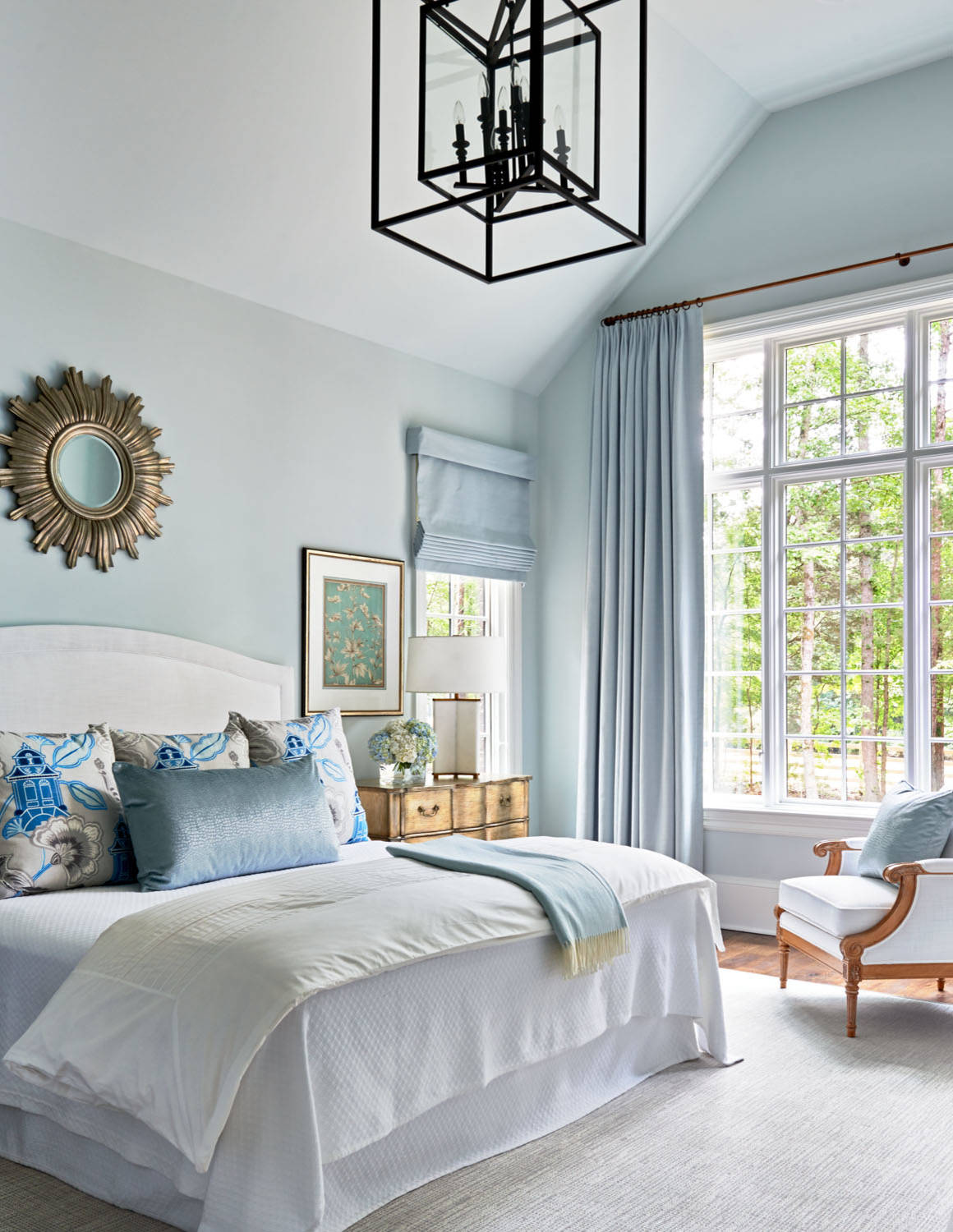
Step 3: Test, Test, Test (on different walls, at different times of day)
Paint large swatches (at least 2×2 feet) directly onto different walls in your bedroom. If using peel-and-stick, move them around. Crucially, apply two coats to get an accurate representation. Do this on walls that receive different amounts of light.
Step 4: Observe & Evaluate (live with it for a few days)
Watch how the colors change throughout the day and night. How do they look in morning light? Afternoon sun? Under your bedside lamp? Do they clash with your bedding or furniture? Do they make you feel good?
Step 5: Make Your Decision (and celebrate!)
Trust your gut. Once you’ve lived with the samples and identified the color that truly brings you a sense of peace and relaxation, you’re ready to commit. The perfect calming color for your bedroom is the one that feels right to you*.
Calm Color Comparison Chart
To help you visualize and compare the most popular calming bedroom paint color families, here’s a quick reference:
| Color Family | Primary Mood | Best For | Common Undertones | Popular Pairings | Key Considerations |
|---|---|---|---|---|---|
| Soft Blues | Peaceful, stable, expansive | Small rooms, warm climates, anyone seeking classic calm | Gray, green | Whites, creams, natural wood, silver | Avoid anything too vibrant; can feel cold in very dim rooms |
| Serene Greens | Balanced, harmonious, refreshing | Nature lovers, stress relief, creating a ‘spa’ feel | Gray, yellow, blue | Warm whites, taupes, natural wood, gold | Choose muted, desaturated tones; avoid vivid or neon greens |
| Warm Neutrals | Cozy, sophisticated, stable | Versatile for any room, those who prefer subtle elegance | Beige, brown, gray, subtle green | Almost anything; allows accent colors to pop | Ensure undertones match existing decor; avoid stark cool grays |
| Gentle Whites & Off-Whites | Clean, airy, expansive | Small rooms, minimalist aesthetic, maximizing light | Yellow, beige, gray, pink | Natural textures, wood, soft pastels, metallics | Crucial to pick the right undertone to avoid feeling stark or dirty |
| Subtle Lavenders & Blush Pinks | Nurturing, dreamy, gentle | Romantic aesthetics, creating a soft, tender ambiance | Gray, blue, beige | Whites, creams, deep greens, gold | Must be highly muted and desaturated; avoid anything vibrant |
| Deep, Muted Tones | Cozy, enveloping, sophisticated | Larger rooms, creating a ‘den’ effect, bold design choices | Warm gray, black, blue-black | Abundant warm whites, rich textures, brass/gold | Requires careful lighting & contrast; can feel too dark if not balanced |
Expert Tips for a Truly Serene Bedroom
Your walls are just one piece of the puzzle. To amplify the calm, consider these holistic design elements:
Beyond the Walls: Complementary Decor & Textiles
Once your walls are painted, lean into textures. Think soft, plush rugs, linen bedding, cashmere throws, and natural wood furniture. These elements add tactile comfort and visual warmth, further enhancing the serene vibe. Stick to a limited color palette of 2-3 main colors plus neutrals to maintain harmony.
Lighting’s Role: Soft Glows and Dimmers
Harsh overhead lighting is the enemy of calm. Invest in multiple light sources: bedside lamps, a floor lamp, and perhaps indirect cove lighting. Ensure all lights are on dimmers. Use warm-toned bulbs (around 2700K) to cast a gentle, inviting glow, perfect for winding down.
Declutter for Deeper Calm
Even the most perfectly painted room can feel stressful if it’s filled with clutter. A tidy space leads to a tidy mind. Keep surfaces clear, invest in smart storage solutions, and remove anything that doesn’t contribute to relaxation or beauty.
Choosing the right paint color for your bedroom is a powerful step towards creating a truly calm and relaxing sanctuary. By understanding the psychology of color, evaluating your unique space, and trusting your personal preferences, you can transform your bedroom from merely a place to sleep into a restorative haven. Sweet dreams!