Unlocking Your Bedroom’s Potential: The Definitive Guide to Paint Colors for Dark Furniture
Choosing the right paint color for a bedroom with dark furniture can feel like a high-stakes decision. You’re not just picking a hue; you’re crafting an atmosphere, setting a mood, and ensuring your cherished pieces look their absolute best. Dark furniture—whether it’s a stately mahogany bed, a sleek espresso dresser, or a robust ebony nightstand—commands attention. It brings a sense of grounded elegance, often timeless and sophisticated. But pair it with the wrong wall color, and your room can quickly shift from cozy retreat to gloomy cave, or from refined sanctuary to stark, uninviting space.
I get it. You want your bedroom to be a haven, a place of comfort and style that reflects your personality. And when you’ve invested in beautiful, dark furniture, you want that investment to shine. This guide isn’t just about listing colors; it’s about understanding the psychology of color, the dynamics of light, and how to create a harmonious, intentional space that feels like *you. We’ll dive deep into the nuances, offering practical advice and expert insights to help you confidently select the perfect paint color.
Why Dark Furniture Demands a Thoughtful Paint Choice
Dark furniture, by its very nature, carries significant visual weight. It’s often robust, imposing, and grounds a room with its presence. This isn’t a bad thing; in fact, it’s why many of us gravitate towards it—it suggests stability, luxury, and a classic aesthetic. However, this visual dominance means your wall color isn’t just a backdrop; it’s an active participant in the room’s dialogue. The paint color will either:
- Balance the Weight: Light colors can lift the room, preventing it from feeling heavy or enclosed.
- Amplify the Drama: Deeper, richer tones can enhance the sophistication and intimacy of dark pieces.
- Define the Mood: The right color choice can transition your room from a restful escape to a moody boudoir, or a minimalist modern space.
nIgnoring this dynamic interaction is how design mishaps happen. Let’s make sure that doesn’t happen to you.
Understanding Your Dark Furniture: More Than Just “Dark”
Before you even think about paint swatches, take a good, hard look at your dark furniture. It’s rarely just “dark brown” or “black.” There are crucial undertones and material characteristics that will inform your best paint choices. This is where many DIYers miss a crucial step, leading to color clashes they can’t quite pinpoint.

Wood Undertones: Warm vs. Cool Dark Woods
The type of wood and its stain greatly influence its undertone. Identifying this is key to creating a cohesive palette:
- Warm Dark Woods: Think rich mahogany, cherry, walnut, or reddish-brown espresso. These woods have noticeable red, orange, or yellow undertones. They bring inherent warmth and a traditional feel. Paint colors with complementary cool undertones (blues, greens) can create a beautiful contrast, while warm-leaning neutrals can create a cozy, harmonious blend.
- Cool Dark Woods: Consider true ebony, black-stained oak, or deep wenge. These woods often have black, grey, or even subtle purple undertones. They lean modern, sleek, and minimalist. They pair beautifully with cool greys, crisp whites, or even bolder jewel tones for a dramatic effect.
Material Matters: Beyond Wood
Your “dark furniture” might not even be wood at all, or it might be a mix! Each material brings its own character:
- Dark Metals: Wrought iron bed frames, industrial-style nightstands, or bronze accents often have cool, industrial, or antique undertones.
- Dark Upholstered Pieces: A black leather headboard or a navy velvet chaise adds texture and softness. The fabric’s sheen and texture will also play a role in how light interacts with it.
Knowing these nuances helps you select a paint color that harmonizes or intentionally contrasts with your furniture’s specific characteristics.
The Core Principles: How Paint Interacts with Dark Furniture
Let’s talk about the fundamental ways paint and dark furniture communicate. Understanding these principles empowers you to make intentional design choices, rather than just guessing.
Contrast vs. Harmony: The Two Main Approaches
- Contrast: This is when you choose a paint color that is distinctly lighter or has a different undertone than your dark furniture. Think crisp white walls with an ebony bed, or a soft sage green with a mahogany dresser. Contrast creates visual interest, makes furniture pop, and can make a room feel more dynamic.
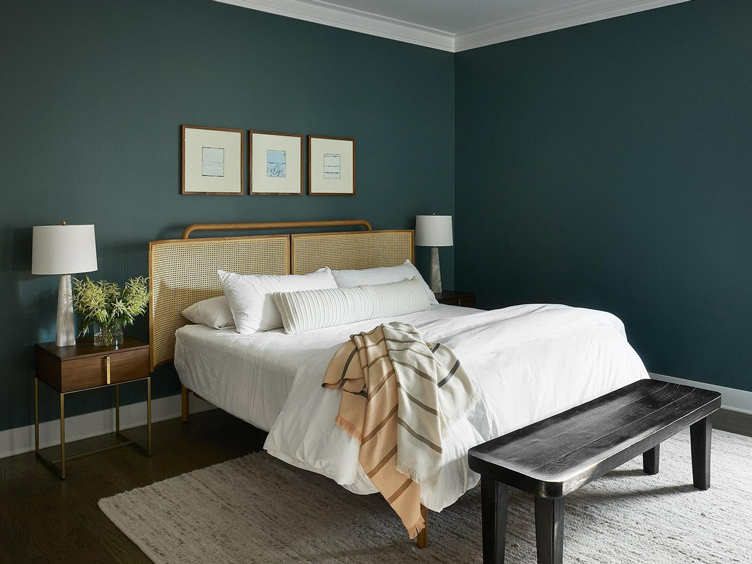
- Harmony: This approach involves selecting paint colors that are either similar in depth to your furniture or share similar undertones. A charcoal grey wall with a dark grey upholstered bed, or a deep blue wall with dark wood, creates a cohesive, enveloping feel. Harmony often leads to a more sophisticated, intimate, and sometimes dramatic atmosphere.
Light Reflection: How Paint Can Brighten or Absorb Light
Light colors reflect light, making rooms feel brighter and more spacious. Darker colors absorb light, making rooms feel cozier and more intimate. With dark furniture already absorbing a good amount of light, your wall color choice becomes even more critical in dictating the overall brightness and perception of space in your bedroom.
Mood & Psychology: What Emotions Different Pairings Evoke
- Light Neutrals (Whites, Greys): Serene, airy, modern, clean, expansive.
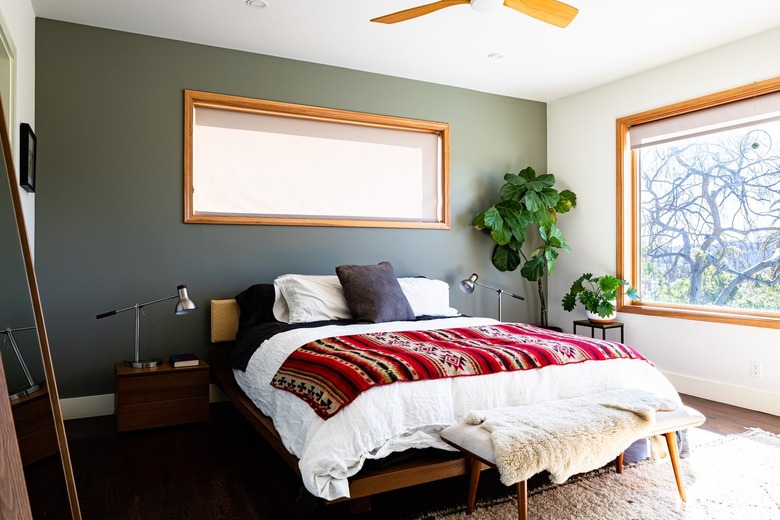
- Muted Blues & Greens: Calm, tranquil, sophisticated, natural, restful.
- Warm Earth Tones (Beiges, Greiges): Cozy, inviting, grounded, comfortable.
- Deep & Saturated Hues (Navy, Charcoal, Deep Green): Dramatic, intimate, luxurious, bold, enveloping.
Top Paint Color Palettes for Bedrooms with Dark Furniture
Now, let’s get to the good stuff—specific color recommendations! I’ve categorized these not just by color family, but by the effect they achieve, so you can align your choice with your desired bedroom mood.
For a Serene, Spacious Sanctuary: Light & Airy Neutrals
If your goal is to make your bedroom feel expansive, bright, and incredibly peaceful, light neutrals are your best friends. They provide a beautiful contrast to dark furniture, allowing it to stand out without making the room feel heavy.
- Crisp Whites: Pure, clean, and endlessly versatile. They offer the starkest contrast, making dark furniture incredibly striking. Think Benjamin Moore Chantilly Lace or Sherwin-Williams Pure White. Best for modern, minimalist, or high-contrast traditional looks.
- Soft Greys: Cooler than white, soft greys offer a sophisticated backdrop. They can range from almost white to a more discernible light grey. Consider Sherwin-Williams Repose Gray or Benjamin Moore Stonington Gray. These work well with both warm and cool dark furniture, depending on the grey’s undertone.
- Delicate Off-Whites: These whites have subtle warm (yellow/beige) or cool (grey/blue) undertones that soften their intensity. Benjamin Moore White Dove (a touch warm) or Sherwin-Williams Alabaster (creamy) are popular choices. They create a gentler contrast and a softer ambiance than crisp whites.
| Color Category | Example Paint Color | Typical Undertone | Effect with Dark Furniture | Best Dark Furniture Match |
|---|---|---|---|---|
| Crisp Whites | Chantilly Lace (BM), Pure White (SW) | Clean, slight cool | High contrast, modern, airy, bright | Ebony, black lacquer, cool espresso |
| Soft Greys | Repose Gray (SW), Stonington Gray (BM) | Warm (greige) or cool (blue/green) | Sophisticated, balanced, calming | All dark woods, black metals |
| Delicate Off-Whites | White Dove (BM), Alabaster (SW) | Creamy, subtle warm/cool | Soft contrast, cozy, inviting | Mahogany, cherry, warm walnut |
For a Calming & Sophisticated Retreat: Muted Blues & Greens
Blue and green tones are inherently peaceful and often remind us of nature, making them perfect for a bedroom. When muted, they offer sophistication and a soothing backdrop that beautifully complements dark furniture without overwhelming it.
- Sage Greens: These soft, earthy greens bring the outdoors in, creating a tranquil and grounded feeling. Sherwin-Williams Sea Salt (a very light, chameleon-like sage) or Benjamin Moore Saybrook Sage are excellent. They pair beautifully with both warm and cool dark woods, especially those with natural textures.
- Dusty Blues: Not too vibrant, not too dark, dusty blues offer a serene and elegant vibe. Think Benjamin Moore Palladian Blue (a blue-green-grey) or Sherwin-Williams Atmospheric. These work wonderfully to soften the edges of dark furniture and create a restful environment.
- Teal & Deep Aquas: For a touch more depth and personality, yet still within the calming spectrum. Benjamin Moore Narragansett Green (a deep, rich teal) or Sherwin-Williams Riverway can add a sophisticated pop. These are fantastic with black, ebony, or very dark walnut furniture.
| Color Category | Example Paint Color | Typical Undertone | Effect with Dark Furniture | Best Dark Furniture Match |
|---|---|---|---|---|
| Sage Greens | Sea Salt (SW), Saybrook Sage (BM) | Green-grey, earthy | Tranquil, natural, balanced | All dark woods, especially warm tones |
| Dusty Blues | Palladian Blue (BM), Atmospheric (SW) | Grey-blue, soft green-blue | Serene, sophisticated, airy | Cool espresso, black, dark grey upholstery |
| Teal & Deep Aquas | Narragansett Green (BM), Riverway (SW) | Blue-green, rich, deep | Dramatic, luxurious, enveloping | Ebony, black lacquer, cool dark woods |
For Cozy Warmth & Inviting Comfort: Earth Tones & Warm Neutrals
To create a bedroom that feels like a warm hug, full of inviting comfort and grounded energy, look to earth tones and warm neutrals. These colors embrace the inherent warmth of many dark woods and create a seamless, cohesive look.

- Warm Greiges: The perfect blend of grey and beige, offering sophistication without feeling cold. Sherwin-Williams Agreeable Gray or Benjamin Moore Edgecomb Gray are renowned for their versatility. They beautifully bridge the gap between cool dark furniture and warm accents, or enhance warm dark woods.
- Soft Beiges & Tans: These classic warm neutrals instantly create an inviting atmosphere. Think Sherwin-Williams Accessible Beige or Benjamin Moore Manchester Tan. They’re excellent for traditional settings or for making a room feel inherently welcoming, especially with mahogany or cherry furniture.
- Terracotta & Rust Accents: While perhaps too bold for an entire room with dark furniture, these earthy, reddish-brown tones can be absolutely stunning as an accent wall or within textiles. They bring a vibrant, organic warmth that beautifully complements dark wood.
| Color Category | Example Paint Color | Typical Undertone | Effect with Dark Furniture | Best Dark Furniture Match |
|---|---|---|---|---|
| Warm Greiges | Agreeable Gray (SW), Edgecomb Gray (BM) | Balanced warm grey/beige | Cozy, sophisticated, versatile | All dark woods, especially warm or mixed undertones |
| Soft Beiges & Tans | Accessible Beige (SW), Manchester Tan (BM) | Creamy, yellow/orange | Inviting, traditional, comfortable | Mahogany, cherry, warm walnut |
| Terracotta/Rust Accents | (Accent only) | Red-orange, earthy | Vibrant warmth, organic pop | Dark walnut, espresso, industrial metals |
For Bold Drama & Modern Elegance: Deep & Saturated Hues
Don’t be afraid to go dark! When done right, deep, saturated colors can create an incredibly luxurious, intimate, and sophisticated bedroom. This approach embraces the richness of your dark furniture, making it feel less like an anchor and more like a curated part of a dramatic design.
- Navy Blues: A classic for a reason. Navy (Benjamin Moore Hale Navy or Sherwin-Williams Naval) is sophisticated, calming, and pairs beautifully with dark woods, creating a nautical-inspired elegance or a moody, masculine vibe. It’s a bold choice that often feels surprisingly neutral.
- Charcoal Greys: From deep stormy greys to almost-black, charcoals (Benjamin Moore Kendall Charcoal or Sherwin-Williams Iron Ore) offer a modern, architectural feel. They create a seamless, enveloping look with black or very dark grey furniture, perfect for a chic, contemporary aesthetic.
- Deep Greens: Forest green, emerald, or hunter green (Benjamin Moore Peale Green or Sherwin-Williams Evergreen Fog) bring a sense of nature’s depth and luxury. These are particularly stunning with rich, warm dark woods like mahogany or walnut, evoking a library-like coziness.
- Black (Used Judiciously): Yes, black! As an accent wall or in a very large, well-lit room, black (Farrow & Ball Railings) can be incredibly dramatic and chic. It creates the ultimate contrast, making lighter elements (bedding, art) truly pop, and can make dark furniture disappear into the walls for a seamless effect.
| Color Category | Example Paint Color | Typical Undertone | Effect with Dark Furniture | Best Dark Furniture Match |
|---|---|---|---|---|
| Navy Blues | Hale Navy (BM), Naval (SW) | Cool, classic, deep | Sophisticated, intimate, rich | Warm & cool dark woods, black metals |
| Charcoal Greys | Kendall Charcoal (BM), Iron Ore (SW) | Warm or cool grey, near black | Modern, sleek, dramatic | Ebony, black lacquer, cool espresso, dark grey upholstery |
| Deep Greens | Peale Green (BM), Evergreen Fog (SW) | Earthy, blue-green, natural | Luxurious, calming, organic | Mahogany, cherry, walnut, bronze metals |
| Black (Accent) | Railings (F&B), Tricorn Black (SW) | True black, or slight blue/brown | Ultimate drama, graphic, chic | All dark furniture for bold contrast |
Beyond the Color: Essential Considerations for Your Bedroom
Choosing a paint color isn’t just about the hue itself. The environment in which that color lives plays a massive role in how it looks and feels. Don’t skip these crucial steps!
The Impact of Natural Light: Bright vs. Dim Rooms
Natural light is the most influential factor in how a paint color appears. A color swatch seen in a bright showroom can look completely different in your north-facing bedroom with one small window.
- Bright, South-Facing Rooms: These rooms get abundant, warm light throughout the day. You have more flexibility here. Even cooler tones will feel inviting, and dark colors won’t feel as oppressive.
- Dim, North-Facing Rooms: These rooms receive cooler, weaker light. Light colors can still feel muted, and dark colors can make the room feel heavy. Consider colors with a slightly warm undertone to counteract the coolness, or embrace the drama with deeper hues and then add ample artificial light.
Artificial Lighting: Warm vs. Cool Bulbs
Your light bulbs also manipulate color perception. LED bulbs typically come in different color temperatures, measured in Kelvins (K):

- Warm Light (2700K-3000K): Has a yellowish glow, making colors feel cozier and richer. Excellent for bedrooms to enhance warmth.
- Cool Light (3500K-4000K): Has a bluer, whiter light, making colors appear crisper and sometimes starker. Better for task lighting in other areas, typically not ideal for a cozy bedroom.
Choose bulbs that complement your desired mood and paint color. A warm bulb can rescue a slightly too-cool grey, while a cooler bulb might make a warm beige feel more neutral.
Room Size & Scale: Expanding or Intimating
- Small Bedrooms: Generally, lighter paint colors are recommended to make a small room feel larger and more open, especially when paired with visually heavy dark furniture. This doesn’t mean you can’t* use dark paint, but if you do, ensure you have plenty of natural and artificial light, and lighter textiles, to balance the intimacy.
- Large Bedrooms: You have the luxury of choice! A large room can beautifully handle darker, more saturated paint colors, which can make the space feel less cavernous and more intimate and luxurious.
Paint Finishes: Sheen Matters in the Bedroom
The finish (or sheen) of your paint significantly affects how light reflects off the walls and how durable the surface is. For bedrooms, the goal is usually softness and ease of maintenance.
- Matte/Flat: Absorbs light, creating a very soft, velvety look that hides wall imperfections beautifully. Ideal for ceilings and low-traffic areas like bedrooms where you want a truly restful ambiance. Less durable and harder to clean.
- Eggshell/Satin: Offers a subtle, low sheen (like an eggshell or satin fabric) and is much more durable and washable than flat paint. A popular choice for bedroom walls, striking a good balance between aesthetics and practicality.
- Avoid Gloss/Semi-Gloss: These highly reflective finishes are too shiny for most bedroom walls, highlighting imperfections and creating an overly energetic feel. Best reserved for trim, doors, or high-moisture areas like bathrooms.
Your Step-by-Step Guide to Choosing the Perfect Paint Color
Ready to confidently pick your color? Follow these steps:
- Assess Your Furniture’s Undertones: As we discussed, determine if your dark furniture leans warm (red, orange, yellow) or cool (grey, black, subtle blue). This is your starting point.
- Define Your Desired Mood: What do you want your bedroom to feel like? Serene? Cozy? Dramatic? This helps narrow down your color categories.
- Consider Your Room’s Lighting (Natural & Artificial): Analyze how much light your room gets, its direction, and what kind of artificial lighting you use. This will influence how any color truly appears.
- Explore Color Swatches & Samples: Don’t just pick a color online. Get physical swatches from paint stores. Look at them in your room, next to your furniture, at different times of day.
- Test Colors on Your Walls (Live With Them!): This is the most crucial step. Buy a few sample pots of your top contenders. Paint large swatches (at least 2ft x 2ft) on several walls in your bedroom. Observe them for a few days, in morning light, afternoon light, and artificial light. See how they interact with your dark furniture.
- Don’t Forget the Fifth Wall (Ceiling Color): A white ceiling is standard, but painting it a lighter shade of your wall color or even a soft, muted color can create a more enveloping, sophisticated look, especially in bedrooms with dark walls.
Pro Tips for Decorating Around Dark Furniture
Once you’ve nailed the paint, these extra touches will tie your bedroom together:
- Bring in Lighter Textiles: Crisp white, cream, or light grey bedding, throws, and rugs will soften the visual weight of dark furniture and complement any wall color.
- Add Metallic Accents: Gold, brass, silver, or bronze lamps, hardware, and decorative objects add sparkle and contrast, preventing the room from feeling flat.
- Incorporate Natural Elements: Live plants, woven baskets, a light wood stool, or ceramic pottery introduce organic texture and warmth.
- Use Mirrors to Enhance Light: Strategically placed mirrors can bounce light around the room, making it feel brighter and larger, especially helpful in rooms with dark furniture and walls.
- Curate Your Art: Choose artwork that brings in complementary colors or lighter tones to balance the room. Large-scale art can be particularly effective.
Choosing the best paint color for your bedroom with dark furniture is an exciting journey of discovery. By understanding your furniture’s nuances, considering your room’s environment, and applying these expert strategies, you’re well on your way to creating a truly stunning and personalized retreat. Trust your instincts, test your choices, and enjoy the beautiful results!