Mastering Your Sanctuary: The Ultimate Guide to Bedroom Paint Colors with Dark Wood Furniture
You’ve got beautiful dark wood furniture in your bedroom. Maybe it’s a stately mahogany dresser, a classic walnut bed frame, or a sleek espresso nightstand. Whatever its form, dark wood furniture brings an undeniable sense of elegance, warmth, and grounded sophistication to a space. But let’s be real: staring at those rich tones can also bring a design dilemma to the forefront: “What in the world is the best paint color to make this room feel like a sanctuary, not a cave?”
If you’ve ever felt overwhelmed by endless paint swatches or worried about creating a room that feels too heavy or mismatched, you’re in the right place. This isn’t just another list of colors; this is your definitive, actionable guide to transforming your bedroom into a cohesive, stunning retreat that perfectly balances the inherent beauty of your dark wood furniture.
From brightening light neutrals to serene cool tones and even a touch of dramatic flair, we’ll explore the psychology, practicality, and design savvy behind choosing the perfect hue. Get ready to find your ideal bedroom palette.
Understanding Dark Wood: More Than Just “Dark”
Before you even think about a paint chip, let’s talk about your dark wood. It’s not just “dark”; it has a personality, a soul even. Understanding its unique characteristics is the first crucial step in selecting a complementary paint color.

- Undertones are Key: Dark woods often carry subtle undertones that will significantly influence your paint choices.
- Reddish Undertones: Think mahogany, cherry, or darker walnut. These woods have a warm, rich glow.
- Brownish/Golden Undertones: Darker oaks, some walnuts, or distressed darker woods might lean more golden or earthy brown.
- Blackish/Grayish Undertones: Espresso, very dark stained pine, or certain modern dark woods can appear almost black or have cool, smoky hints.
- Wood Grain and Finish: Is your furniture smooth and glossy, showing off a deep, uniform stain? Or is it distressed, matte, and rich with visible grain? The finish impacts how light reflects and how the wood interacts with color.
- The Goal: Create Balance, Not a Cave: Your aim isn’t to make the room feel heavy. It’s to create a balanced environment where the dark furniture feels grounded, luxurious, and intentional, not oppressive. The right paint color can lift the space, add warmth, provide contrast, or enhance tranquility.
The Power of Contrast: Brightening Your Space
One of the most effective ways to make dark wood furniture sing is to pair it with colors that provide a beautiful contrast. This lifts the space and prevents it from feeling too heavy.
Light Neutrals: The Foundation of Sophistication
When in doubt, start with neutrals. They are the chameleons of the color world, offering versatility, elegance, and a foolproof backdrop for your darker pieces.
- Creamy Whites & Off-Whites: Softening the Stark
Forget stark, cold builder white. Creamy whites, ivories, and off-whites infuse warmth and softness. They provide a beautiful, crisp contrast that allows your dark furniture to stand out without feeling overwhelmed. They reflect light beautifully, making smaller rooms feel larger and airier. - Why they work: They soften the visual weight of dark wood, creating a fresh, inviting atmosphere. They’re excellent for modern farmhouse, transitional, or even traditional styles.
- Pro Tip: Look for whites with subtle warm (yellow/peach) or cool (gray/green) undertones, depending on your wood and desired mood.
- Warm Grays & Greiges: The Sophisticated Chameleon
Greige (a blend of gray and beige) and warm grays offer a sophisticated, muted backdrop. They are more substantial than white but still light enough to provide contrast. They can shift beautifully with the light, offering subtle variations throughout the day. - Why they work: They bridge the gap between warm and cool, offering a contemporary feel that pairs well with most dark wood undertones. They create a calming, refined ambiance.
- Pro Tip: Test thoroughly! Greiges can lean more gray or more beige depending on your lighting.
- Soft Beiges & Tans: Timeless Warmth
If your dark wood has strong reddish or golden undertones, a soft beige or tan can create a harmonious, comforting environment. These colors echo the warmth of the wood, fostering a cozy and inviting feel. - Why they work: They create a cohesive, warm envelope around the darker furniture, perfect for a traditional or earthy aesthetic.
- Pro Tip: Ensure the beige isn’t too yellow or muddy. Look for sophisticated, desaturated tones.
Embracing Serenity: Cool Tones for Tranquility
Cool colors are masters of creating calm, refreshing, and spacious feelings. They provide a beautiful counterpoint to the richness of dark wood, offering balance and serenity.
Calming Blues: From Sky to Deep Ocean
Blue is universally loved for its calming properties, making it an ideal choice for a bedroom.
- Pale Blues: Airy and Refreshing
Soft, ethereal blues evoke the sky and sea, making a room feel expansive and incredibly peaceful. They offer a gentle contrast to dark wood, preventing the space from feeling heavy. - Why they work: They bring a breath of fresh air, perfect for creating a light, airy, and serene bedroom.
- Dusty Blues & Denim Hues: Sophisticated and Relaxing
These muted blues have a touch of gray, making them incredibly sophisticated and versatile. They’re less stark than pale blues but still maintain a calming coolness. - Why they work: They offer a more grounded blue that feels mature and chic, pairing beautifully with both traditional and contemporary dark furniture.
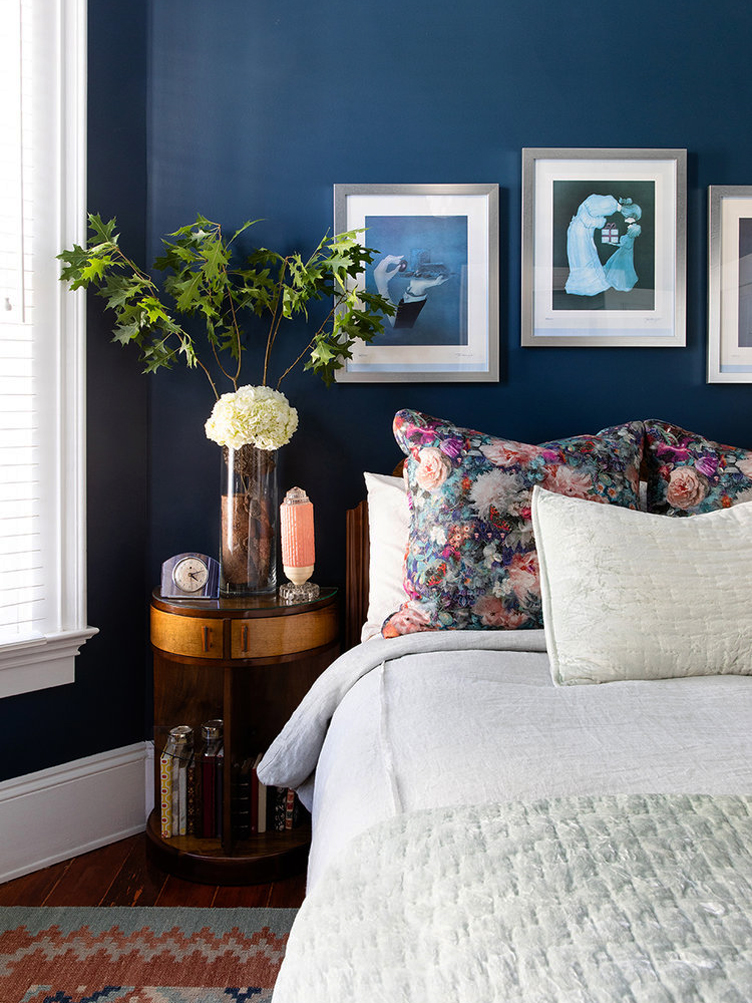
- Navy Blue: Dramatic Elegance (when done right)
A bold choice, navy blue can create an incredibly dramatic and luxurious bedroom, especially when combined with dark wood. It’s best used in rooms with ample natural light or as an accent wall to avoid overwhelming the space. - Why they work: Creates a sense of depth, sophistication, and a rich, enveloping atmosphere. It’s a classic pairing with dark wood for a stately look.
Soothing Greens: Nature’s Embrace
Green, a color found abundantly in nature, brings a sense of renewal, balance, and tranquility. It’s a fantastic partner for dark wood.
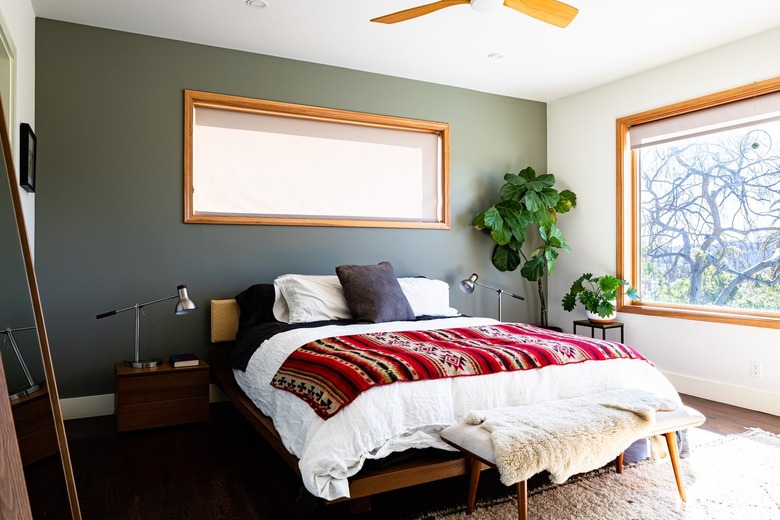
- Sage Green: Organic and Serene
This muted, grayish-green is incredibly soothing and organic. It provides a subtle earthy contrast that makes dark wood feel grounded and peaceful. - Why they work: Creates a spa-like, tranquil environment. It’s versatile enough for various styles, from bohemian to traditional.
- Eucalyptus & Mint: Fresh and Airy
Lighter, fresher greens with a touch of blue or gray can make a room feel invigorating and clean. They offer a vibrant yet gentle contrast. - Why they work: Ideal for brightening a room and adding a touch of botanical freshness without being overpowering.
- Deep Forest Green: Luxurious and Grounding
Like navy, a deep forest or hunter green can create a rich, enveloping space. It feels sophisticated and connected to nature, making dark wood feel even more opulent. - Why they work: Evokes a sense of grandeur and calm, perfect for creating a cozy, moody retreat.
Understated Violets & Lavenders (Dusty Hues): Subtle Sophistication
Don’t dismiss purples entirely! Muted, dusty lavenders or soft plum tones can bring a unique elegance to a bedroom with dark wood, especially if the wood has reddish undertones.
- Why they work: They offer a touch of romance and sophistication, creating a distinctive and luxurious feel. They are less common but highly effective when chosen carefully.
Infusing Warmth & Richness: Earthy & Jewel Tones
For a truly enveloping and cozy bedroom, or a dramatic statement, consider warmer and richer hues. These colors often complement the natural warmth within dark wood.
Earthy Browns & Terracottas: Organic Connection
- Soft Terracotta & Clay: Grounding and Warm
These warm, sun-baked earth tones create an incredibly grounding and inviting atmosphere. They connect beautifully with dark wood’s natural origins. - Why they work: Perfect for a southwestern, bohemian, or Mediterranean-inspired bedroom. They create a cozy, organic feel.
- Rich Taupes: Deeper Neutrals
While greige often leans gray, a true taupe has a more pronounced brown or purple-gray undertone. Rich taupes offer a sophisticated depth, providing a warm, comforting backdrop. - Why they work: Creates a luxurious, understated elegance that complements dark wood’s richness without competing.
Deep Jewel Tones (Used Sparingly): The Bold Statement
If you’re feeling bold, jewel tones can create a dramatic, luxurious effect, often best used on an accent wall or in very well-lit rooms.

- Emerald Green: Lush and Opulent
A vibrant, deep emerald can create a strikingly opulent bedroom. It’s a showstopper when paired with dark wood and metallic accents. - Burgundy/Wine Red: Dramatic and Romantic
For a truly romantic and dramatic space, a deep burgundy or wine red can be incredibly striking. Use it thoughtfully to avoid overpowering the room. - Deep Plum: Mysterious and Rich
Similar to burgundy, a deep plum offers a luxurious, almost regal feel. It’s sophisticated and pairs beautifully with warmer dark woods.
Color Harmony Cheat Sheet: Pairing Paint with Dark Wood Furniture
Here’s a quick reference guide to help you narrow down your choices and understand the impact of different color categories:
| Color Category | Effect with Dark Wood | Best For (Room Size/Light) | Considerations | Example Hues |
|---|---|---|---|---|
| Light Neutrals (Creams, Greiges, Light Beiges) |
Bright, airy, fresh contrast. Lifts and modernizes the space. | Small to large rooms, especially those with limited natural light. | Choose undertones that complement the wood (warm vs. cool). Avoid stark white if warmth is desired. | Sherwin-Williams “Agreeable Gray,” Benjamin Moore “White Dove,” Farrow & Ball “Skimming Stone” |
| Calming Blues (Pale, Dusty, Navy) |
Serene, peaceful, sophisticated. Offers a cool, refreshing contrast. | All room sizes. Navy best in well-lit or larger rooms, or as an accent. | Ensures the blue doesn’t feel cold; consider softer, muted blues. Navy can make small rooms feel smaller. | Benjamin Moore “Palladian Blue,” Farrow & Ball “Hague Blue,” Sherwin-Williams “Distance” |
| Soothing Greens (Sage, Eucalyptus, Deep Forest) |
Organic, balanced, tranquil. Connects to nature, feels grounding. | All room sizes. Deep greens best in well-lit or larger rooms, or as an accent. | Sage is highly versatile. Ensure the green doesn’t lean too yellow/lime if aiming for serenity. | Sherwin-Williams “Contented,” Benjamin Moore “October Mist,” Farrow & Ball “Studio Green” |
| Earthy Warm Tones (Terracotta, Rich Taupe, Soft Brown) |
Cozy, grounding, inviting. Enhances the natural warmth of the wood. | Medium to large rooms, or smaller rooms needing extreme coziness. | Can make rooms feel smaller if too dark. Best with warmer wood undertones. Avoid muddy tones. | Benjamin Moore “Potter’s Clay,” Sherwin-Williams “Warm Stone,” Farrow & Ball “Elephant’s Breath” |
| Deep Jewel Tones (Emerald, Burgundy, Plum) |
Dramatic, luxurious, opulent. Creates a bold statement. | Larger rooms, rooms with abundant natural light, or for accent walls. | High risk of making a room feel too dark or small. Requires careful balancing with light accents. | Sherwin-Williams “Roycroft Bottle Green,” Benjamin Moore “Caponata,” Farrow & Ball “Brinjal” |
Beyond the Color Swatch: Factors to Consider
Choosing a paint color isn’t just about what looks good on a tiny chip. It’s about how that color behaves in your specific space, under various conditions.
Room Size & Layout: Maximizing Space & Flow
- Small Rooms: Lighter colors are generally your best friend here. They reflect light, making walls recede and creating an illusion of more space. Think creamy whites, pale blues, or soft greiges. While deep colors can be cozy, they risk making a small room feel claustrophobic if not expertly balanced with lighting and other light elements.
- Large Rooms: You have more freedom! Lighter colors will keep it airy, but deeper, richer tones can transform a large, impersonal space into a cozy, intimate retreat. Darker hues can help define zones and add architectural interest.
Natural Light: The Ultimate Game Changer
The direction your windows face dramatically impacts how a paint color appears throughout the day.
- North-Facing Rooms: These rooms tend to get cooler, indirect light. Warmer paint colors (creams, warm grays, soft beiges, or even a touch of warm pink/terracotta) can counteract this coolness and make the room feel more inviting.
- South-Facing Rooms: Blessed with abundant, warm light throughout the day. You can get away with cooler colors (blues, greens, cool grays) without them feeling cold, as the natural light will keep them vibrant.
- East-Facing Rooms: Receive bright, warm light in the morning, which fades to cooler light in the afternoon. Consider colors that look good in both warm and cool light, like versatile greiges or muted greens.
- West-Facing Rooms: Get cooler morning light and dramatic, warm afternoon/evening light. Colors that can handle this shift, like warm neutrals or richer blues/greens, work well.
Artificial Lighting: Enhancing the Mood
- Warm vs. Cool Light Bulbs: The Kelvin temperature of your light bulbs matters. Warm white bulbs (2700K-3000K) enhance warm tones in paint, making colors feel cozier. Cool white/daylight bulbs (3500K-5000K) emphasize cool tones and make colors appear crisper, sometimes starker.
- Layered Lighting: Don’t rely on a single overhead fixture. Incorporate ambient (general room light), task (reading lamps), and accent (picture lights, spotlights) lighting to create depth and highlight your furniture and chosen paint color.
Personal Style & Desired Mood: Your Sanctuary, Your Rules
Ultimately, your bedroom should reflect you. Consider the mood you want to evoke:
- Calm & Serene? Lean into pale blues, sage greens, creamy whites.
- Luxurious & Dramatic? Explore deep navies, forest greens, or rich plums (with careful planning).
- Cozy & Grounding? Soft beiges, warm greiges, or subtle terracottas.
- Modern & Minimalist? Crisp whites, cool grays, or monochromatic schemes.
- Bohemian & Eclectic? Earthy tones, muted greens, or even a bold terracotta.
What to Avoid: Common Pitfalls with Dark Wood Furniture
While design is subjective, some combinations tend to clash or create undesirable effects, especially with dark wood.
- Overly Dark Walls Creating a “Cave” Effect: Unless you’re intentionally going for a super moody, dramatic, and well-lit space, painting all four walls a very dark color (like charcoal or black) can make a room feel oppressive, especially if it’s small or lacks natural light. Balance is key.
- Stark, Cold Whites Without Warm Undertones: Pure, unadulterated bright white can sometimes feel too clinical or cold against the warmth of dark wood. This can create a jarring contrast rather than a harmonious one. Opt for whites with a touch of cream, beige, or gray to soften the look.
- Clashing Undertones: Be mindful of mixing warm and cool undertones without intention. For instance, a very cool, icy gray might clash with a very warm, reddish mahogany unless other elements are introduced to bridge the gap.
- Too Many Competing Bold Colors: While an accent wall in a jewel tone can be stunning, painting all walls in highly saturated, bold colors (e.g., bright orange or electric blue) can overwhelm the dark furniture and make the room feel chaotic rather than cohesive.
Bringing It All Together: A Step-by-Step Selection Guide
Ready to make a decision? Follow these steps for a confident paint choice:
- Assess Your Dark Wood: Identify its undertones (reddish, brownish, grayish) and overall style. Is it traditional, rustic, modern, or transitional?
- Consider Your Room’s Natural Light: Which direction do your windows face? How bright is the room throughout the day? This will guide you towards warmer or cooler tones.
- Define Your Desired Mood: Do you want calm, dramatic, cozy, or fresh? Let this be your guiding principle.
- Choose a Primary Color Category: Based on steps 1-3, narrow down to a category: light neutral, calming blue, soothing green, earthy warm, or a bold jewel tone.
- Select Swatches and Test Extensively: This is crucial! Buy sample pots of your top 2-3 choices. Paint large swatches (at least 2×2 feet) on different walls in your bedroom. Observe them at different times of day (morning, afternoon, evening) and under both natural and artificial light. See how they interact with your dark wood furniture. Live with them for a few days.
- Integrate Textiles, Art, and Decor: Once you’ve chosen your paint, think about how it will tie in with your bedding, curtains, rug, and artwork. These elements can further enhance the chosen paint color and complement the dark wood.
Finishing Touches: Beyond the Paint Can
The paint is the backdrop, but the surrounding elements bring the room to life and complete the harmonious look with your dark wood furniture.
- Textiles: Rugs, Bedding, Curtains: Use lighter, textured fabrics to add softness and visual interest. A light rug can ground the dark furniture without adding visual weight. Crisp white, cream, or light gray bedding can balance the dark wood beautifully.
- Metals: Warm (Gold, Brass) vs. Cool (Silver, Chrome) Accents:
- Warm Metals (gold, brass, copper) often enhance the richness of dark wood and complement warmer paint tones.
- Cool Metals (silver, chrome, brushed nickel) can provide a sleek contrast, especially with cooler paint colors.
- Art & Accessories: Adding Personality and Breaking Up Monotony: Use artwork with lighter backgrounds or pops of color to create focal points. Accessorize with light-colored ceramics, glass, or natural textures like rattan and wicker to add layers and prevent the room from feeling too heavy.
- Greenery: Bringing Life and Freshness: Plants add a vital touch of nature, freshness, and color to any bedroom, beautifully contrasting with both dark wood and your chosen paint color.
Conclusion: Your Dream Bedroom Awaits
Choosing the perfect bedroom paint color to complement your dark wood furniture doesn’t have to be a guessing game. By understanding the nuances of your wood, considering your room’s unique conditions, and applying smart color psychology, you can create a space that feels utterly cohesive, sophisticated, and reflective of your personal style.
![8 Colour Schemes for Dark Wood Furniture [Trending Picks]](https://kukabyarterio.com/wp-content/uploads/2024/10/dark-wood-furniture-colour-schemes.webp "8 Colour Schemes for Dark Wood Furniture [Trending Picks]")
Whether you opt for the refreshing contrast of a light neutral, the calming embrace of a cool blue or green, or the dramatic depth of a jewel tone, remember that your bedroom is your sanctuary. Trust your instincts, test your choices, and enjoy the process of transforming your space into the beautiful, restful retreat you deserve.
Frequently Asked Questions
What’s the best paint finish for a bedroom with dark wood furniture?
For bedrooms, a matte or eggshell finish is generally recommended. These finishes offer a soft, velvety look that diffuses light, hiding minor wall imperfections. They create a sophisticated backdrop that lets your dark wood furniture stand out without any distracting sheen. Avoid high-gloss finishes as they can highlight imperfections and feel less serene in a bedroom.
Can I use dark paint colors with dark wood furniture?
Yes, absolutely! While many opt for contrast, using a deep, rich paint color like navy blue, forest green, or even a sophisticated charcoal gray can create an incredibly luxurious, moody, and enveloping sanctuary. The key is balance: ensure the room has ample natural light, use lighter textiles (bedding, rugs), metallic accents, and layered lighting to prevent the space from feeling too heavy or cave-like. It creates a bold, intentional statement.
How do I test paint colors effectively in my bedroom?
Testing is crucial! Don’t rely solely on tiny swatches. Buy sample pots of your top 2-3 choices. Paint large swatches (at least 2×2 feet, or even larger) on different walls in your bedroom, especially those near your dark wood furniture. Observe these swatches at various times of day (morning, afternoon, evening) and under both natural and artificial lighting conditions. Colors change dramatically with light, so seeing them in context is vital before committing.
Should my trim color match the wall color or be a contrasting shade?
This depends on the look you’re going for. Painting trim the same color as the walls (often in a different sheen, like semi-gloss) creates a seamless, modern, and expansive feel, making the room appear larger. Alternatively, using a contrasting trim color, typically a crisp white or a lighter neutral, provides architectural definition and a more traditional or classic aesthetic. With dark wood furniture, a crisp white trim can provide a welcome visual break, enhancing the contrast with both the walls and the furniture.
What rug color works best with dark wood furniture and light walls?
With dark wood furniture and light walls, a rug is a fantastic opportunity to add texture, warmth, and another layer of color. Consider light-colored rugs (cream, ivory, light gray) to keep the space airy and reflect light, providing a soft contrast to the dark wood. Patterned rugs with colors that subtly echo your wall paint or an accent color can also tie the room together beautifully. Natural fiber rugs like jute or sisal add organic texture and a grounding element.
How do I prevent my dark wood furniture from making the room feel too small or dark?
The best strategies are: 1) Pair it with lighter paint colors (creamy whites, pale blues, sage greens). 2) Maximize natural light with sheer curtains or by keeping windows unobstructed. 3) Use ample artificial lighting, including ambient, task, and accent lights. 4) Incorporate reflective surfaces like mirrors and metallic accents. 5) Introduce light-colored textiles for bedding, rugs, and curtains, along with artwork that has lighter backgrounds. These elements create balance and visual relief.
What kind of lighting complements dark wood furniture?
Layered lighting is key. Use a mix of ambient (general overhead), task (bedside lamps for reading), and accent (spotlights on artwork or up-lighting) lighting. Warm white light bulbs (2700K-3000K) tend to enhance the richness of dark wood and create a cozy atmosphere. Lamps with linen or fabric shades will diffuse light softly, preventing harsh glares on the furniture, while metallic fixtures (especially brass or bronze) can complement the wood’s warmth.