The Ultimate Guide to Choosing the Perfect Pale Blue Paint Color for Your Bedroom
Let’s be honest: your bedroom should be a sanctuary. A place where the day’s stress melts away, and sleep comes easily. If you’ve ever walked into a room and felt an instant sigh of relief, chances are, color played a starring role. And when it comes to creating that elusive sense of calm, few colors hold as much power as pale blue. It’s not just a pretty face; it’s a design superpower for better rest and a more serene environment.
But choosing the perfect pale blue? That’s where it gets tricky. Is it a blue-gray you need? A touch of green? A hint of purple? The world of pale blue is vast and nuanced, and getting it right can transform your sleep space from merely functional to truly transcendent. Forget the generic lists. We’re going to dive deep into how to select a pale blue that feels custom-made for your bedroom, ensuring every morning feels like a fresh start.
Why Pale Blue is Your Bedroom’s Best Friend (Beyond Just “Pretty”)
It’s no accident that pale blue is a perennial favorite for bedrooms. There’s a science and an art to its calming appeal, making it a powerful tool for wellness in your home.
The Psychology of Blue: Serenity, Sleep, and Stress Reduction
Colors have a profound impact on our mood and physiology. Studies in color psychology consistently show that blue tones, particularly lighter shades, evoke feelings of peace, stability, and tranquility. This isn’t just anecdotal; our brains associate blue with natural elements like the sky and the ocean, which are inherently calming. For a bedroom, this means:
- Reduced Anxiety: Pale blue can lower heart rate and blood pressure, promoting a relaxed state.
- Improved Sleep Quality: By fostering a sense of calm, pale blue creates an ideal environment for drifting off to sleep and staying asleep. It’s like a visual lullaby.
- Enhanced Serenity: It helps detach you from the day’s stressors, making your bedroom a true retreat.
So, when you paint your bedroom pale blue, you’re not just choosing a color; you’re investing in your mental well-being and a better night’s sleep.
Versatility and Timeless Appeal
Unlike trendier colors that can quickly feel dated, pale blue possesses a timeless quality. It’s sophisticated without being stuffy, fresh without being fleeting. Its versatility is unmatched:
- Adapts to Any Style: Whether your aesthetic is modern minimalist, cozy farmhouse, coastal chic, traditional elegant, or bohemian relaxed, there’s a pale blue that will complement it beautifully.
- Gender Neutral: It works equally well for adult bedrooms, children’s rooms, or guest spaces, appealing to a broad range of tastes.
- Never Goes Out of Style: Its connection to natural elements gives it an enduring appeal that transcends fleeting design fads.
Navigating the Nuances: Understanding Pale Blue Undertones
Here’s the secret sauce to choosing the *right* pale blue: understanding its undertones. A seemingly simple pale blue can carry subtle hints of gray, green, or even purple, and these undertones drastically change how the color feels in your space. Ignoring them is the fastest way to end up with a blue that just doesn’t feel quite right.
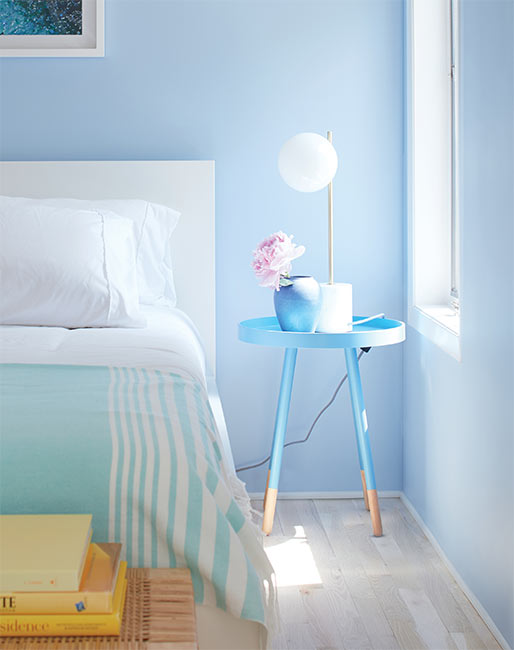
Blue-Gray: Sophisticated & Serene
What it is: These are blues with a significant amount of gray mixed in, making them feel softer, more muted, and incredibly sophisticated. They often read as a neutral, creating a tranquil backdrop without being stark.
The Vibe: Elegant, understated, modern, calming, intellectual.
Best for: Contemporary, minimalist, industrial-chic, or transitional bedrooms. They pair beautifully with rich textures, natural wood, and metallics. If you want a blue that’s truly subtle and acts as a sophisticated backdrop for other elements, blue-gray is your champion.
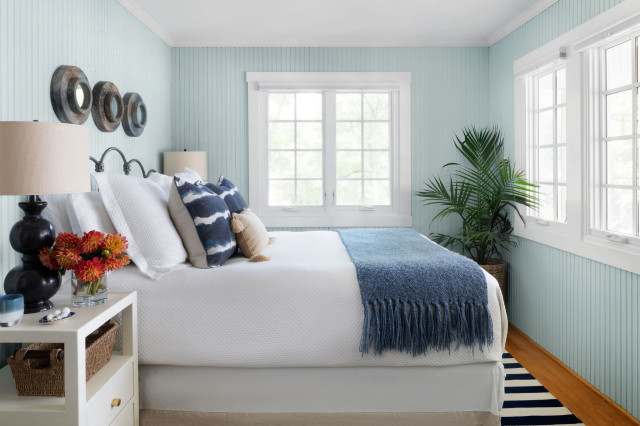
Blue-Green: Coastal & Calming
What it is: Blues infused with a hint of green, evoking the colors of the ocean, sea glass, or a tranquil spa. The green adds warmth and an organic feel, preventing the blue from feeling too cool.
The Vibe: Fresh, airy, breezy, natural, serene, restorative.
Best for: Coastal, bohemian, nature-inspired, or even cottage-style bedrooms. They feel incredibly soothing and bring a sense of the outdoors in. Pair them with natural fibers, light woods, and crisp whites for a truly rejuvenating space.
True Pale Blue: Classic & Clear
What it is: These are clean, pure blues with minimal undertones, often appearing crisp and airy. Think of a clear sky on a cool morning. They tend to have a bit more saturation than blue-grays but remain very soft.
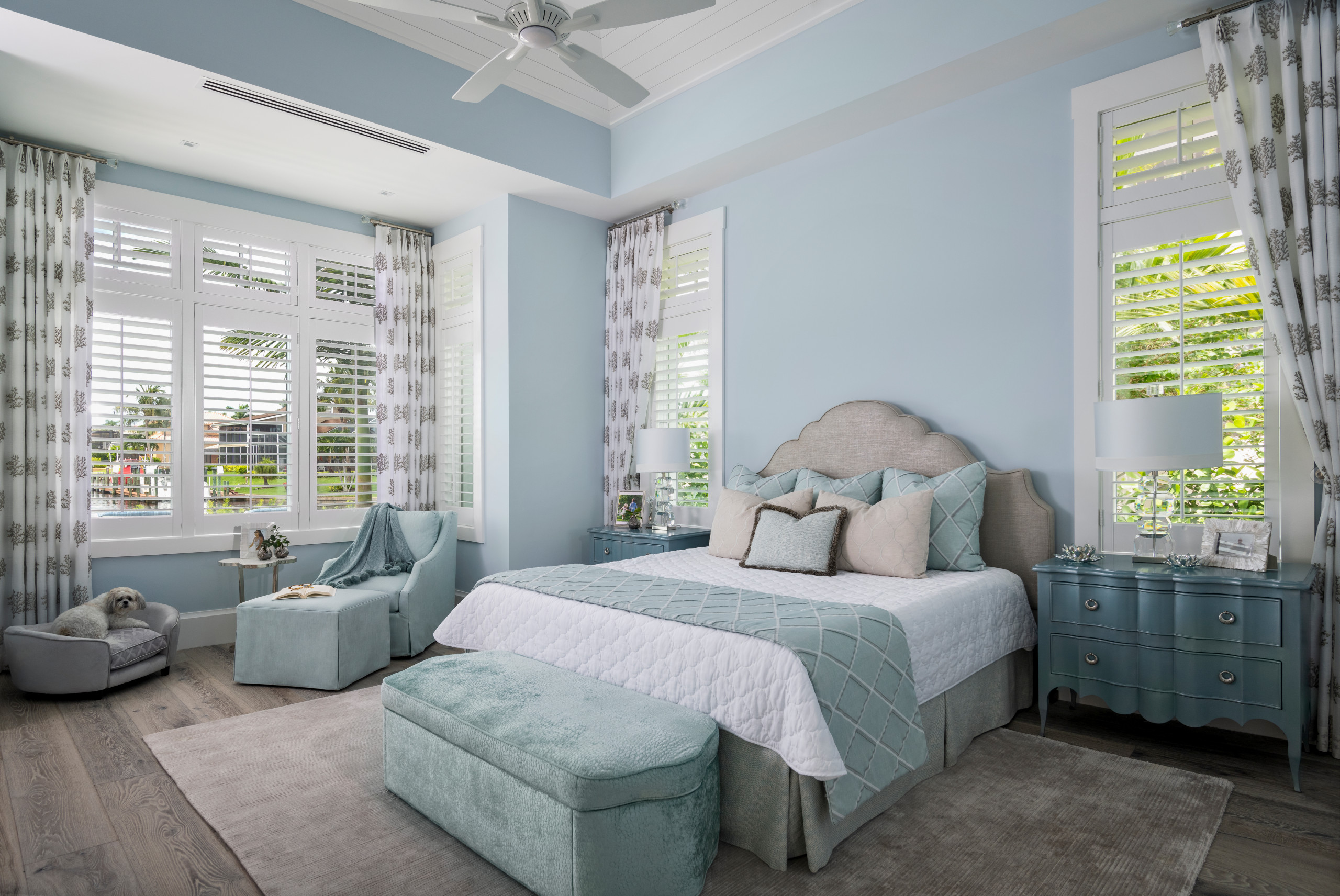
The Vibe: Fresh, traditional, innocent, expansive, classic calm.
Best for: Nurseries, classic bedrooms, or any space where you want to create a sense of openness and purity. They can lean towards a “baby blue” if not balanced, so consider sophisticated furnishings to elevate the look.
Blue-Violet/Purple: Dreamy & Romantic
What it is: Blues with a subtle whisper of violet or lavender. This undertone adds a touch of softness, whimsy, and a gentle warmth, making the blue feel less stark and more ethereal.
The Vibe: Dreamy, romantic, whimsical, feminine, intriguing.
Best for: Romantic bedrooms, spaces with a more traditional or shabby-chic aesthetic, or when you want a blue that feels unique and slightly enchanting. They pair beautifully with cream, soft grays, and metallic accents.
Top Picks: Our Favorite Pale Blue Paint Colors for Bedrooms (Brand Breakdown)
Ready to get specific? We’ve sifted through countless swatches to bring you a curated list of pale blue paint colors that consistently shine in bedrooms. We’ll break down their undertones, their unique personality, and why they might be the perfect fit for your sanctuary.
| Paint Color | Brand | Primary Undertone | Vibe & Best Use | Why We Love It |
|---|---|---|---|---|
| Ocean Air 2123-50 | Benjamin Moore | Blue-Green-Gray | Airy, ethereal, very light. Perfect for creating a delicate, barely-there blue that still feels intentional. Coastal, minimalist. | One of the lightest options, it’s like a breath of fresh air. Extremely versatile and never overpowering. |
| Quiet Moments 1563 | Benjamin Moore | Blue-Green-Gray | Muted, soothing, sophisticated. Creates a tranquil backdrop without being cold. Spa-like, transitional. | A truly calming shade that shifts beautifully with the light, often showing more green in warmer light. |
| Woodlawn Blue HC-147 | Benjamin Moore | Blue-Green | Historic, fresh, vibrant yet soft. A classic, slightly brighter pale blue with clear green undertones. Traditional, cottage. | Part of BM’s Historical Collection, it has a timeless charm and feels wonderfully crisp. |
| Palladian Blue HC-144 | Benjamin Moore | Blue-Green-Gray | Iconic, serene, sophisticated. A very popular and versatile blue-green-gray that rarely disappoints. Coastal, traditional. | A chameleon color that adapts beautifully, leaning more blue or green depending on the light. A safe bet for many. |
| Tradewind SW 6218 | Sherwin-Williams | Blue-Green-Gray | Coastal, airy, livable. A light, fresh blue with noticeable green and gray that keeps it grounded. Beachy, transitional. | One of SW’s most beloved light blues for its perfect balance of cool and warm undertones. |
| Hinting Blue SW 6519 | Sherwin-Williams | True Pale Blue | Clean, crisp, classic. A pure, soft blue that offers clarity without being cold. Traditional, nurseries. | If you want a straightforward, uncomplicated pale blue, this is an excellent choice. |
| Rainwashed SW 6211 | Sherwin-Williams | Blue-Green-Gray | Soft, natural, almost aqua. A very popular spa-like blue-green that feels incredibly refreshing. Spa, coastal. | Often recommended by designers for its ability to create an instantly serene and relaxing atmosphere. |
| Niebla Azul SW 9137 | Sherwin-Williams | Dusty Blue-Gray | Serene, muted, sophisticated. A ‘dusty’ blue that reads very soft and calming, almost like a neutral. Modern, transitional. | A beautiful choice for those wanting a blue that leans heavily into gray for a more grounded, less overtly blue feel. |
| Upward SW 6239 | Sherwin-Williams | True Pale Blue-Gray | Fresh, uplifting, airy. SW’s 2024 Color of the Year. A bright, true blue with a hint of gray, making it feel current. Modern, transitional. | A contemporary pale blue that brings a sense of joy and optimism while maintaining calm. |
| Skylight No.205 | Farrow & Ball | Soft Blue-Gray | Dreamy, understated, elegant. F&B’s signature depth gives this soft blue a unique, ethereal quality. Traditional, romantic. | Known for its subtle, light-reflecting quality that changes beautifully throughout the day. |
| Good Jeans | Clare Paint | Dusty Blue-Gray | Cool, classic, versatile. A comfortable, lived-in blue that feels effortlessly stylish and soothing. Modern, casual. | A modern, designer-curated blue that lives up to its name – universally flattering and easy to love. |
Choosing YOUR Perfect Pale Blue: Factors to Consider
Now that you’ve got some specific colors in mind, let’s get practical. Your bedroom isn’t a showroom; it’s a living space. Several factors will dramatically influence how a pale blue paint color appears on your walls and how it makes you feel.
The Impact of Natural Light: North, South, East, West Facing Rooms
Light is everything when it comes to paint color. It can make a color sing or fall flat. This is probably the single most important factor after undertones:
- North-Facing Rooms: These rooms get cooler, indirect light throughout the day. Pale blues here can sometimes feel a bit chilly. Opt for blues with subtle green or warm gray undertones to prevent it from feeling too cold.
- South-Facing Rooms: Bathed in warm, bright light all day. Most pale blues will look fantastic here, appearing brighter and truer to color. Even cooler blues will feel comfortable.
- East-Facing Rooms: Get bright, warm morning light, then cooler light in the afternoon. A true pale blue or a blue with slight green undertones will feel uplifting in the morning and serene later in the day.
- West-Facing Rooms: Receive warm, golden light in the afternoon and evening, and cooler light in the morning. Consider a blue-gray or a blue with a hint of purple to look balanced across the day’s changing light.
Always consider how the light changes in your room from morning to night. A pale blue you love at noon might feel different at sunset.
Room Size & Ceiling Height: Expanding Small Spaces
One of pale blue’s superpowers is its ability to create a sense of spaciousness and airiness. Lighter colors recede, making walls appear further away and ceilings higher. This is particularly beneficial for bedrooms that feel cramped or lack ample natural light:
- Small Bedrooms: A pale blue can make a small room feel significantly larger and less claustrophobic. Opt for lighter, airier shades to maximize this effect.
- Low Ceilings: Painting ceilings a lighter shade of your wall color (or a pure white) can visually lift the ceiling. A pale blue on the walls helps extend that feeling of openness.
- Large Bedrooms: While pale blue enhances space, in very large rooms, you might opt for a slightly deeper pale blue or one with more noticeable gray or green undertones to add a touch more presence without losing serenity.
Existing Decor & Furniture: Harmonizing Your Space
Your paint color needs to play nicely with what’s already in the room. Take stock of your current elements:
- Wood Tones: Do you have warm cherry, cool gray washed oak, or dark espresso furniture? Warm wood tones often look beautiful against a cool pale blue.
- Bedding & Textiles: Consider your duvet, curtains, and rugs. If they have strong patterns or colors, choose a pale blue that complements them rather than clashes.
- Art & Accessories: If you have beloved artwork or decorative pieces, select a pale blue that makes them pop or provides a harmonious backdrop.
The goal isn’t to match perfectly, but to create a cohesive and inviting palette.
Testing, Testing, 1, 2, 3: The Importance of Swatches
Seriously, do not skip this step. Paint chips are misleading. The tiny square you see in the store will look vastly different on a large wall in your home. Here’s how to test effectively:
- Buy Sample Pots: Invest in samples of your top 2-3 pale blue contenders.
- Paint Large Swatches: Don’t just paint a small square. Paint at least two 2-foot by 2-foot squares on different walls in your bedroom. This allows you to see how the color interacts with varying light.
- Observe Throughout the Day: Look at the swatches in the morning, midday, and evening. See how the undertones reveal themselves.
- Compare Against Your Decor: Hold up your bedding, a pillow, or a piece of art next to the swatches.
This simple step can save you hours of regret and a costly repaint. Trust me, it’s worth the small investment.
Elevating Your Pale Blue Bedroom: Design Tips & Complementary Colors
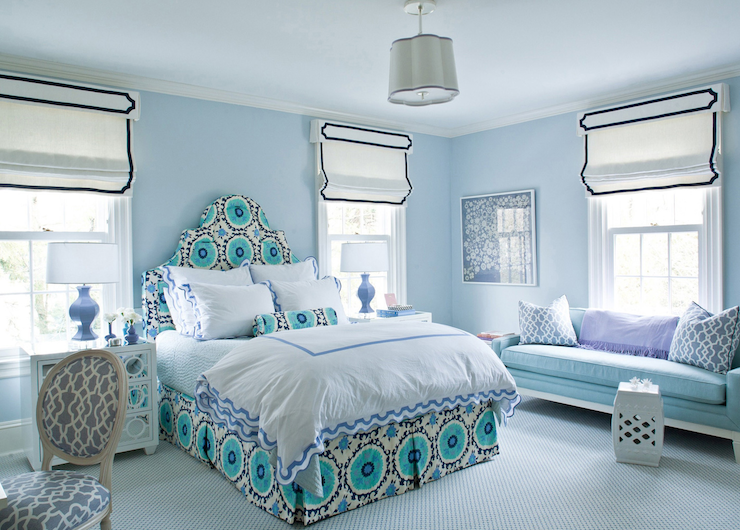
A pale blue wall is a beautiful start, but the magic happens when you thoughtfully layer in other elements. Think of your walls as a serene canvas, ready to be adorned.
Pairing Perfection: Colors That Sing with Pale Blue
Pale blue is remarkably versatile, playing well with a wide array of colors. Here are some winning combinations:
| Color Category | Specific Shades | Effect & Where to Use |
|---|---|---|
| Crisp Whites | Pure White, Bright White | Creates a fresh, clean, and airy contrast. Ideal for trim, ceiling, bedding, and crisp linens. Enhances spaciousness. |
| Warm Whites/Creams | Off-White, Cream, Ivory, Linen | Softens the blue, adds warmth and coziness. Excellent for furniture upholstery, drapes, and throws. Creates a gentle, inviting feel. |
| Soft Grays | Light Gray, Greige (gray-beige), Charcoal | Provides a sophisticated, modern neutral backdrop. Works well with blue-gray tones. Use for rugs, accent furniture, or sophisticated bedding. |
| Natural Neutrals | Beige, Tan, Taupe, Sand | Grounds the space, adds an earthy, organic touch. Great for woven textures, rattan, natural wood furniture, or jute rugs. |
| Muted Greens | Sage Green, Olive Green, Moss Green | Creates a harmonious, nature-inspired palette. Think plants, throws, or accent pillows. Especially lovely with blue-green pale blues. |
| Soft Metallics | Brushed Gold, Silver, Bronze, Copper | Adds a touch of glamor and warmth. Use in lamp bases, mirror frames, drawer pulls, or decorative objects. |
| Warm Accents | Soft Coral, Dusty Rose, Muted Yellow, Terracotta | Introduces a subtle pop of warmth and personality without overwhelming the calm. Best for small accents like throw pillows, vases, or a single piece of art. |
Textures & Materials: Adding Depth
A pale blue room benefits immensely from varied textures. These add visual interest and tactile comfort, preventing the space from feeling flat:
- Soft Linens & Cottons: For bedding, curtains, and upholstery, they enhance the relaxed, airy feel.
- Chunky Knits & Faux Fur: Throws and pillows in these textures add warmth and coziness, especially in cooler blue rooms.
- Natural Woods: Light oak, maple, or even darker walnut furniture grounds the pale blue and adds organic richness.
- Metallics & Glass: Silver, gold, or brass accents (lamp bases, picture frames) add a touch of sparkle and sophistication. Glass lamps or vases keep the airy feel.
- Woven Materials: Jute rugs, rattan chairs, or wicker baskets bring in natural texture and a touch of bohemian or coastal charm.
The Right Finish: Sheen Matters in the Bedroom
The paint sheen (or finish) isn’t just about durability; it significantly impacts how the color looks and feels in your bedroom. For a serene sleep space, here are the top choices:
- Flat/Matte: This is often the preferred choice for bedrooms. It absorbs light, giving the color a soft, velvety appearance and minimizing imperfections on the wall. It creates a very sophisticated and calm aesthetic.
- Eggshell/Satin: Offers a slight sheen, making it more durable and easier to clean than flat paint. It’s a good compromise if you want a subtle glow without being too reflective. Often used on trim, but can work on walls for a subtle lift.
Avoid high-gloss or semi-gloss finishes on bedroom walls, as their reflectivity can be distracting and less conducive to relaxation.
Common Pitfalls to Avoid When Painting Your Bedroom Pale Blue
Even with the best intentions, it’s easy to make mistakes that can undermine your vision. Here’s what to watch out for:
- Not Testing Swatches: We can’t stress this enough! What looks good on a screen or a tiny chip can be drastically different on your walls.
- Ignoring Undertones: Choosing a blue with the wrong undertone (e.g., a too-cool blue-gray in a north-facing room) can lead to a space that feels cold or dull.
- Overlooking Lighting: Natural and artificial lighting are game-changers. A color you love in daylight might feel harsh or drab under your bedside lamps.
- Matching Everything Too Perfectly: A monochromatic blue room can feel sterile rather than serene. Introduce varying shades of blue, complementary colors, and diverse textures for depth.
- Going Too “Baby” Blue Without Balance: While true pale blue is lovely, without sophisticated furniture, lighting, and textiles, it can easily veer into juvenile territory. Balance is key.
- Forgetting the Ceiling: A crisp white ceiling is always a good choice, but sometimes painting the ceiling the same pale blue (or a lighter tint of it) can create a wonderfully enveloping, seamless feel.
Your bedroom is your personal retreat, and choosing the right pale blue paint color is a significant step towards creating that perfect haven. It’s more than just aesthetics; it’s about fostering a space that nurtures your well-being and promotes restful sleep.

By understanding the nuances of undertones, considering your room’s unique characteristics, and thoughtfully selecting complementary elements, you can unlock the full potential of this timeless and tranquil hue. So go ahead, grab those sample pots, start swatching, and prepare to transform your bedroom into the peaceful sanctuary you deserve. Sweet dreams!
Frequently Asked Questions
Why is pale blue considered a good color for bedrooms?
Pale blue is highly recommended for bedrooms due to its psychological effects. It evokes feelings of serenity, peace, and stability, which can lower heart rate and blood pressure, reduce anxiety, and promote better sleep. Its association with natural elements like the sky and ocean also contributes to a calm and restful atmosphere.
What kind of undertones should I look for in a pale blue paint for my bedroom?
Pale blues can have various undertones, including gray, green, or even a touch of violet. Blue-grays offer sophistication and neutrality; blue-greens bring a fresh, coastal, or spa-like feel; true pale blues are clean and classic; and blue-violets add a dreamy, romantic touch. The best undertone depends on your desired mood, existing decor, and the room’s natural light.
How does natural light affect how a pale blue paint color looks in a bedroom?
Natural light significantly impacts paint colors. North-facing rooms with cooler light might make pale blues appear chilly, so warmer blue-greens or blue-grays are often better. South-facing rooms with abundant warm light can make any pale blue look great. East-facing rooms benefit from uplifting true blues, while west-facing rooms might favor blue-grays or blue-violets to balance the warm afternoon light.
Should I test pale blue paint samples before painting my entire bedroom?
Absolutely! Testing paint samples is crucial. Small paint chips can be misleading. Always purchase sample pots of your top 2-3 choices and paint large swatches (at least 2×2 feet) on different walls in your bedroom. Observe them throughout the day and evening, and compare them against your existing furniture and decor, as colors can shift dramatically in different lighting conditions.
What colors and decor best complement a pale blue bedroom?
Pale blue pairs beautifully with a variety of colors and textures. Crisp whites create a fresh contrast, while warm whites and creams add coziness. Soft grays and natural neutrals (beige, tan) provide a sophisticated backdrop. Muted greens offer a harmonious, nature-inspired palette. Metallic accents (gold, silver) add a touch of elegance, and warm accents like soft coral or dusty rose can introduce subtle pops of color without overwhelming the calm.
What paint finish (sheen) is best for a pale blue bedroom?
For bedrooms, a flat or matte finish is generally preferred. It absorbs light, giving the pale blue a soft, velvety appearance, minimizing wall imperfections, and contributing to a sophisticated, calm aesthetic. Eggshell or satin finishes offer slightly more durability and a subtle sheen, which can be a good compromise if easier cleaning is a priority.