Unlock Your Dream Bedroom: The Ultimate Guide to Colors That Complement White Furniture
Staring at your pristine white bedroom furniture, full of potential, but feeling a little stuck on what color to paint the walls? You’re not alone. White furniture is an absolute design gem – it’s timeless, versatile, and instantly brightens any space. But sometimes, its crispness can feel a bit… bare. It’s a blank canvas, which is both a blessing and a curse if you’re not sure how to wield your brush.
The good news? White furniture is incredibly forgiving. It partners beautifully with almost any shade you can imagine. The challenge isn’t finding a color, but finding the perfect color that transforms your bedroom into the sanctuary you’ve always dreamed of. Whether you crave a serene escape, a cozy retreat, or a bold statement, this guide will walk you through the best bedroom colors that don’t just ‘go’ with white furniture, but truly make it sing.
Why White Furniture Is Your Best Friend (A Blank Canvas)
Let’s take a moment to appreciate white furniture. It’s not just a trend; it’s a design staple for a reason. Here’s why it’s such an incredible foundation for your bedroom:
- Timeless Appeal: White never goes out of style. It adapts to changing trends effortlessly.
- Versatility King: Seriously, it pairs with *everything*. From vibrant hues to muted tones, white is the ultimate team player.
- Light Amplifier: White reflects light, making even small bedrooms feel larger, airier, and more open.
- Clean & Serene: It evokes feelings of freshness, cleanliness, and tranquility – perfect for a bedroom.
- Budget-Friendly Updates: Want to refresh your room? With white furniture, a new paint color and a few accessories can completely transform the look without needing new furniture.
Think of your white dresser or bed frame as the starting point for your masterpiece. Now, let’s talk about how to add the color that defines your space.
Decoding Your Bedroom’s Personality: What Mood Are You Chasing?
Before we dive into specific colors, let’s get clear on the vibe you want for your bedroom. Color psychology plays a huge role in how a space feels. Ask yourself:
- What mood do I want to create? Calm and peaceful? Energetic and inspiring? Romantic and intimate?
- How much natural light does my room get? North-facing rooms feel cooler, south-facing brighter and warmer.
- What’s the size of my bedroom? Light colors generally expand, dark colors can cozy up (or make a large room feel grand).
- What existing elements do I have? Flooring, curtains, or art that might influence your choice.
- What’s my personal style? Do you lean minimalist, bohemian, traditional, modern, or something in between?
Once you have a general sense, choosing a color becomes less about guessing and more about curating.
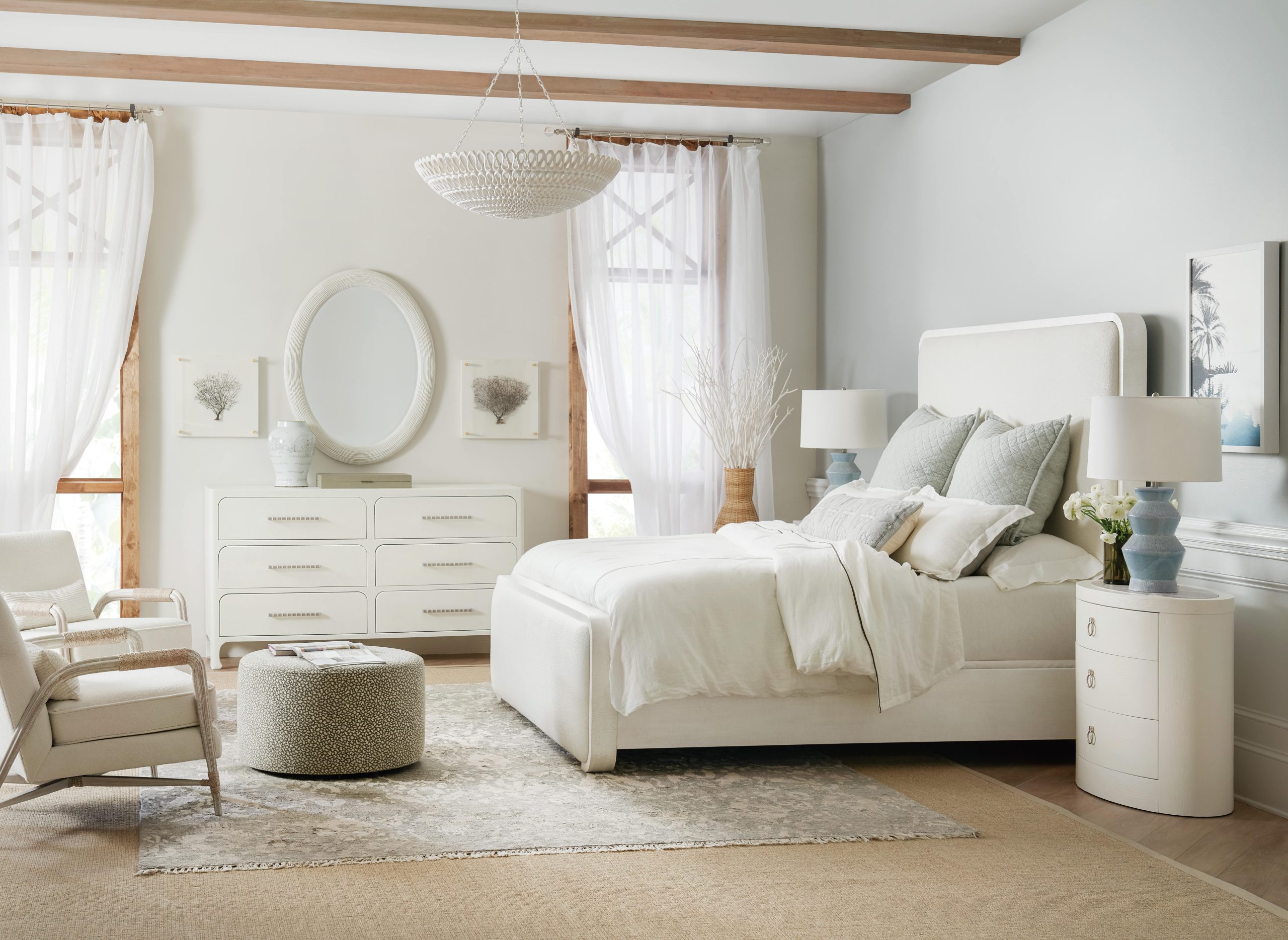
The Core Contenders: Best Bedroom Colors to Pair with White Furniture
Alright, let’s get to the good stuff. These are the colors that consistently knock it out of the park when paired with white furniture, categorized to help you find your perfect match.
1. Serene Neutrals: The Foundation of Calm
Neutrals are never boring when paired with white. They offer understated elegance, a sense of grounded tranquility, and create a sophisticated backdrop that lets your white furniture shine without stark contrast.
- Soft Grays (Warm & Cool): Grey is the chameleon of neutrals. A light, cool grey offers a crisp, modern look, while a warm ‘greige’ (grey + beige) introduces subtle warmth and softness. They provide just enough contrast to make white furniture pop without feeling jarring.
- Cream & Off-Whites: If you love the bright feel of white but want to avoid a sterile look, layered whites are your answer. A creamy off-white on the walls adds warmth and depth, creating an enveloping, luxurious feel. It’s sophisticated, subtle, and supremely calming.
- Beige & Taupe: These earthy neutrals bring a natural, comforting vibe to your bedroom. Beige offers a classic, cozy feel, while taupe (a deeper, slightly greyer beige) adds a touch more sophistication and depth. They’re excellent for grounding white furniture and creating a truly inviting atmosphere, especially in rooms with good natural light.
Why they work: Timeless, versatile, promote tranquility, and provide a sophisticated backdrop. They prevent white furniture from feeling too stark.
Best for: Modern, Scandinavian, Minimalist, Classic, and Transitional styles.
2. Cool & Refreshing Tones: A Breath of Fresh Air
Cool colors are fantastic for creating a calm, expansive, and peaceful environment. They’re especially popular in bedrooms for their ability to promote relaxation and sleep.
- Soft Blues (Sky, Powder, Pale Aqua): Imagine waking up to a clear sky or the gentle lapping of waves. Soft blues bring that serenity into your bedroom. They are inherently calming, make spaces feel larger, and pair beautifully with white to create a clean, airy, and refreshing aesthetic.
- Muted Greens (Mint, Seafoam, Sage): Drawing inspiration from nature, muted greens are incredibly soothing. Mint and seafoam greens offer a light, rejuvenating feel, while sage green provides a more sophisticated, earthy tranquility. These greens complement white furniture by bringing an organic, peaceful balance to the room.
Why they work: Create a tranquil, expansive, and clean feel. Promote relaxation and make rooms feel airy.
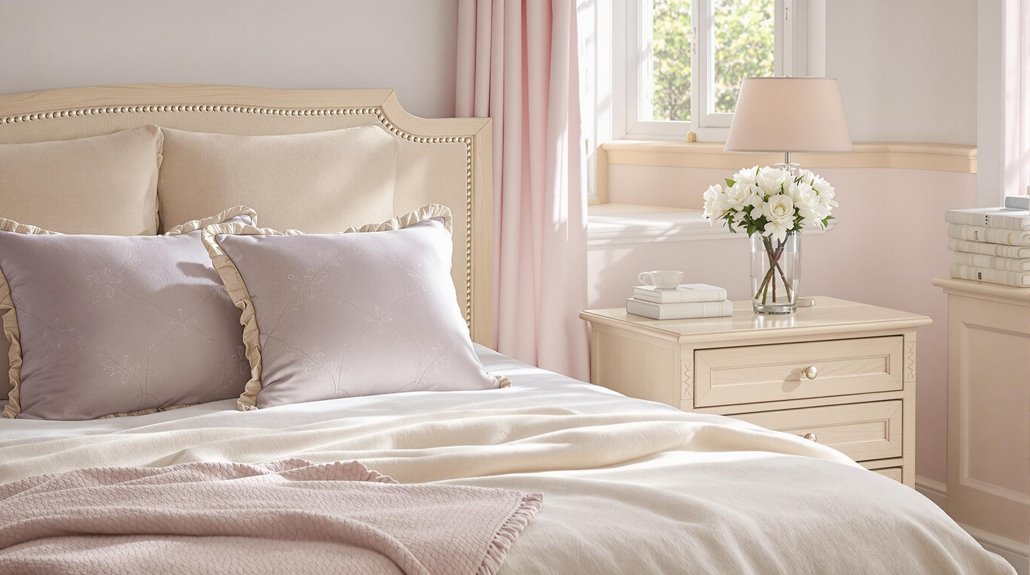
Best for: Coastal, Farmhouse, Contemporary, Modern, and Bohemian (with natural accents) styles.
3. Warm & Inviting Tones: Cozy Comfort
If your goal is a bedroom that feels like a warm hug, these colors are for you. They add a gentle vibrancy and create an intimate, welcoming atmosphere that perfectly balances the crispness of white furniture.
- Blush Pink & Rose Quartz: Soft, romantic, and undeniably charming. Blush pink adds a delicate femininity and warmth without being overwhelming. It’s perfect for creating a dreamy, soothing, and inviting space, especially beautiful with natural light.
- Light Terracotta & Dusty Peach: These warmer, earthy tones bring a sophisticated, bohemian touch. Light terracotta offers a sun-baked warmth, while dusty peach is softer and more ethereal. They pair wonderfully with white furniture, creating a cozy yet chic vibe reminiscent of sun-drenched landscapes.
- Buttery Yellow (Pale): A light, buttery yellow is like sunshine on your walls. It’s cheerful, welcoming, and can instantly brighten a room, especially those with less natural light. Paired with white furniture, it creates a cheerful, optimistic space that feels fresh and inviting.
Why they work: Add coziness, subtle energy, and personality. Create an intimate and welcoming atmosphere.
Best for: Boho, Romantic, Eclectic, Cottagecore, and Traditional styles.
4. Bold & Dramatic Statements: For the Fearless Decorator
Don’t shy away from deeper hues! White furniture provides the perfect anchor for bold wall colors, allowing them to truly pop and create a striking, sophisticated statement.
- Navy Blue: Deep, sophisticated, and incredibly grounding. Navy blue transforms a bedroom into a luxurious retreat. With white furniture, it creates a classic, nautical-inspired contrast that feels both refined and serene. It’s an excellent choice for creating a focal point or a dramatic feature wall.
- Charcoal Gray/Deep Slate: For a truly modern and chic aesthetic, deep grays are unparalleled. They create dramatic depth and sophistication, making white furniture stand out with striking clarity. It’s a powerful combination that exudes contemporary elegance and can feel incredibly cozy in the right light.
- Forest Green/Emerald: Bring the richness of a lush forest indoors. These deep greens are luxurious, vibrant, and calming all at once. Paired with white furniture, they create a boutique hotel feel – elegant, sophisticated, and deeply connected to nature.
- Black (Accent Wall): The ultimate contrast. A black accent wall behind a white headboard is a design power move. It’s bold, modern, and incredibly chic, making the white furniture appear even brighter and more sculptural. Use it strategically to add drama without overwhelming the space.
Why they work: Create focal points, add drama, make white furniture pop, and define a strong aesthetic.

Best for: Modern, Industrial, Glam, Masculine, and Eclectic styles.
5. Earthy & Organic: Connecting with Nature
These colors draw inspiration from the natural world, offering a sense of grounded tranquility and understated luxury. They blend seamlessly with white furniture for a harmonious, relaxed feel.
- Warm Browns (Mocha, Light Chocolate): Rich, comforting, and sophisticated. Warm browns create a cozy, cocoon-like atmosphere that feels incredibly grounding. When paired with white furniture, they offer a sophisticated contrast that’s less stark than black but just as impactful, evoking natural wood tones.
- Deep Olives & Terracotta: These are the sophisticated cousins of their lighter counterparts. Deep olive brings a sense of ancient wisdom and calm, while a rich terracotta grounds the space with its desert-inspired warmth. They create a serene, mature aesthetic that complements white beautifully.
Why they work: Natural, comforting, sophisticated, and add depth without overwhelming. They create a connection to the outdoors.
Best for: Modern Rustic, Transitional, Bohemian, Eclectic, and Farmhouse styles.
The Ultimate Bedroom Color Pairing Cheat Sheet
To help you narrow down your choices, here’s a quick reference table summarizing our top recommendations:
| Color Category & Specifics | Primary Mood Evoked | Best Decor Styles | Light & Room Size Considerations | Complementary Accents |
|---|---|---|---|---|
| Soft Grays (e.g., Greige, Dove Gray) | Sophisticated, Calm, Modern | Modern, Scandinavian, Minimalist, Contemporary | Works well in all light; expands small rooms. Warm grays for cozy, cool for crisp. | Black metals, warm woods, soft textures, muted art. |
| Cream & Off-Whites | Layered Elegance, Cozy, Luxurious | Classic, Farmhouse, Shabby Chic, Bohemian | Excellent for all rooms, especially those needing warmth. Expands small spaces. | Natural fibers (linen, wool), gold accents, distressed wood. |
| Beige & Taupe | Grounded, Warm, Inviting, Natural | Transitional, Traditional, Modern Farmhouse, Eclectic | Warmer in bright light, cozy in dimmer rooms. Good for all sizes. | Potted plants, woven textures, dark wood, brass. |
| Soft Blues (e.g., Sky, Powder, Pale Aqua) | Calming, Serene, Refreshing, Expansive | Coastal, Contemporary, Scandinavian, Modern Farmhouse | Brightens cool, north-facing rooms. Makes small rooms feel larger. | Crisp white linens, silver accents, natural wood, abstract art. |
| Muted Greens (e.g., Mint, Seafoam, Sage) | Peaceful, Organic, Rejuvenating, Harmonious | Bohemian, Scandinavian, Traditional, Nature-Inspired | Balances bright rooms. Can bring warmth to cooler spaces. | Live plants, rattan, terracotta, gold or bronze metals. |
| Blush Pink & Rose Quartz | Romantic, Soft, Dreamy, Feminine | Romantic, Shabby Chic, Bohemian, Modern Glam | Softens direct light. Can warm up cooler rooms. Great for intimacy. | Velvet, brass, fresh flowers, sheer curtains. |
| Buttery Yellow (Pale) | Cheerful, Inviting, Energetic (subtly) | Cottagecore, Traditional, Eclectic, Kids Rooms | Brightens dark rooms significantly. Adds warmth to any space. | Plaids, florals, natural wood, playful patterns. |
| Navy Blue | Sophisticated, Grounding, Dramatic, Luxurious | Modern, Classic, Nautical, Glam, Masculine | Best in well-lit rooms; creates depth in larger spaces. Use for accent walls in small rooms. | Gold or silver metals, crisp white linens, dark wood, rich textures. |
| Charcoal Gray/Deep Slate | Modern, Chic, Dramatic, Cozy | Industrial, Contemporary, Minimalist, Urban | Creates coziness in large rooms; dramatic accent in small. Balances bright rooms. | Black metals, concrete, minimalist art, rich fabrics, plants. |
| Forest Green/Emerald | Luxurious, Vibrant, Natural, Tranquil | Bohemian Glam, Traditional, Eclectic, Art Deco | Works best in rooms with good natural light. Adds depth and richness. | Gold accents, brass, dark wood, botanical prints, velvet. |
| Warm Browns (e.g., Mocha, Light Chocolate) | Grounded, Comforting, Sophisticated, Earthy | Modern Rustic, Transitional, Lodge, Traditional | Excellent for creating a cozy, enveloping feel. Balances bright rooms. | Leather, natural wood, woven rugs, cream textiles, warm lighting. |
Beyond the Walls: Bringing Your Bedroom to Life
Choosing a wall color is a fantastic first step, but a truly cohesive bedroom design goes beyond just paint. Here’s how to ensure your white furniture and chosen wall color integrate beautifully with the rest of your space.
:max_bytes(150000):strip_icc()/131388791_1387731984915988_4840594025920657850_n-2fd4c433fe064f5aaafb83b757c50874.jpg "40 White Bedrooms That Are Anything But Boring")
The Power of Paint Finish: Matte vs. Satin vs. Eggshell
The finish of your paint can dramatically alter how the color appears and performs:
- Matte/Flat: This finish absorbs light, giving colors a rich, velvety look. It hides imperfections well but is less durable and harder to clean, making it ideal for low-traffic areas like bedrooms. It offers a very sophisticated, soft aesthetic.
- Eggshell/Satin: These finishes have a slight sheen, reflecting a little light and making colors appear brighter. They are more durable and easier to clean than matte, making them a popular choice for bedrooms where some durability is desired. Eggshell has a subtle glow, while satin is a bit more noticeable.
- Semi-Gloss/High-Gloss: Highly reflective and very durable, these are typically reserved for trim, doors, and furniture. Avoid them for entire walls in a bedroom, as the high sheen can be too intense and highlight every imperfection.
For most bedrooms, an eggshell or matte finish is the sweet spot, providing beauty and appropriate durability.
Layering Textures & Accents: Don’t Forget the Details
Your wall color sets the stage, but your accessories are the stars. These elements are crucial for making your bedroom feel complete and personalized:
- Textiles: Think luxurious bedding (duvets, throws, pillows), soft rugs, and elegant curtains. If your walls are a solid color, introduce patterns and varied textures (velvet, linen, chunky knits) through your textiles to add interest. For neutral walls, bold-colored textiles can be a fantastic way to introduce vibrancy.
- Metallics: Gold, brass, silver, or black metals can add a touch of glamour or modern edge. Consider them in light fixtures, mirror frames, or decorative accents.
- Natural Elements: Wood accents (a nightstand, a decorative tray, picture frames), rattan, woven baskets, and plenty of live plants bring warmth, life, and an organic touch, especially complementary to earthy or cool wall tones.
- Artwork & Mirrors: These are crucial for personalizing your space and can reinforce your chosen color palette. A large mirror can also help reflect light and make the room feel bigger.
Accent Walls: A Strategic Splash of Color
If committing to a full room of bold color feels daunting, an accent wall is your secret weapon. It allows you to introduce a strong hue without overwhelming the space. Here’s when and where to use it:
- When to Use: Ideal for smaller rooms where a dark color on all walls might feel claustrophobic, or when you want to highlight a specific architectural feature or piece of furniture (like a stunning headboard).
- Choosing the Right Wall: The wall behind your bed is almost always the best choice for an accent wall. It’s a natural focal point and creates a sense of depth and intention. Other options include the wall with a large window or a prominent art piece.
An accent wall with a deep navy or rich forest green against three white or off-white walls, for example, creates a sophisticated balance and allows your white furniture to truly pop as the crisp focal point.
Common Pitfalls to Avoid When Choosing Bedroom Colors
Even with the best intentions, it’s easy to make mistakes. Here are a few to steer clear of:

- Overlooking Natural Light: A color can look completely different in morning light versus afternoon light, or under artificial light. Always, always test paint samples on your wall.
- Ignoring Existing Elements: Don’t forget your flooring (carpet, wood), curtains, or any large pieces of art you plan to keep. Your wall color should harmonize with these.
- Choosing Trendy Over Timeless (Unless That’s Your Goal): While trends are fun, ensure your chosen color resonates with you personally and contributes to the mood you want long-term, especially if painting isn’t a frequent activity.
- Not Testing Paint Samples: This is perhaps the most critical step. Paint large swatches (at least 2×2 feet) directly on your walls or on large poster boards. Observe them throughout the day in different lighting conditions before making your final decision.
- Underestimating the Power of Undertones: Even seemingly neutral colors have undertones (e.g., a gray with a blue undertone vs. a green undertone). These can clash with other elements if not considered.
Your White Furniture, Your Canvas: Making It Yours
Designing a bedroom with white furniture is truly an exciting opportunity. It’s a chance to experiment with color in a way that feels intentional and impactful. White furniture gives you the freedom to refresh your space with a simple change of paint, textiles, or decorative accents, ensuring your bedroom always feels current and, most importantly, feels like you.
Don’t be afraid to trust your instincts. Grab those paint swatches, observe them in your space, and imagine the mood you want to create. With the right wall color, your white furniture will transform from a simple foundation into the star of a beautifully curated, deeply personal sanctuary.
Happy decorating!
Frequently Asked Questions
What is the best color to paint a bedroom with white furniture?
There’s no single ‘best’ color, as it depends on the mood you want to create. However, popular and effective choices include soft grays (for sophistication), muted blues or greens (for serenity), blush pinks (for romance), or even bold navy or charcoal (for drama). Neutrals like beige or cream are always safe and create a calm, cohesive look.
How do I make a bedroom with white furniture feel warm and cozy?
To add warmth, choose wall colors like creamy off-whites, warm beiges, dusty peach, blush pink, or light buttery yellows. Complement these with warm-toned lighting, rich textiles (velvet, chunky knits), natural wood accents, and soft rugs. Avoid stark white walls if warmth is your goal, opting for a softer, layered approach.
Can I use dark colors with white bedroom furniture?
Absolutely! Dark colors create a striking contrast and sophisticated drama with white furniture. Navy blue, charcoal gray, forest green, or even a black accent wall can make white furniture pop and create a luxurious, intimate atmosphere. Just ensure your room gets enough light or balance with ample artificial lighting and light-colored textiles.
What kind of paint finish is best for a bedroom with white furniture?
For bedrooms, matte (flat) or eggshell finishes are generally recommended. Matte absorbs light, giving colors a rich, soft, and velvety appearance that hides imperfections well. Eggshell has a slight sheen, is more durable, and reflects a bit more light, making colors appear brighter. Both are suitable for creating a calming and aesthetically pleasing bedroom environment.
How do I choose a wall color if my bedroom is small?
For small bedrooms, lighter colors are generally best as they reflect light and make the room feel larger and airier. Consider soft blues, pale greens, light grays, or creamy off-whites. If you crave a darker color, use it strategically on a single accent wall (ideally behind the bed) to add depth without overwhelming the space.
Should my bedding match my wall color when I have white furniture?
Not necessarily! White furniture acts as a neutral base, allowing you to experiment freely with bedding. You can choose bedding in a complementary shade to your walls for a cohesive look, or opt for contrasting colors and patterns to add visual interest and personality. Mixing textures and patterns in your bedding is also a great way to add depth.
What accent colors work well with white furniture and [chosen wall color]?
This depends heavily on your chosen wall color. For example: with grey walls, add black metals and warm wood for modern sophistication. With soft blues, silver or white accents and natural textures are lovely. With blush pink, brass and velvet create a romantic feel. Generally, metallic accents, natural wood, plants, and varied textile textures (rugs, throws, pillows) are safe bets to complement almost any wall color with white furniture.