The Definitive Guide to Choosing the Best Light Blue Paint Color for Your Bedroom
Struggling to find that perfect whisper of blue that transforms your bedroom into a serene sanctuary? You’re not alone. The quest for the ideal light blue paint color can feel overwhelming, with countless shades vying for your attention. But get it right, and you unlock a haven of tranquility, a space that genuinely supports rest and rejuvenation.
This isn’t just about picking a pretty color; it’s about understanding how light blue interacts with your specific room, its undertones, and the mood you want to cultivate. Forget the guesswork. This guide cuts through the noise, offering expert insights and top recommendations from Benjamin Moore and Sherwin-Williams to help you confidently select the light blue that truly belongs in your bedroom.
Why Light Blue is the Perfect Choice for a Bedroom Oasis
There’s a reason light blue frequently tops the list for bedroom colors. It’s more than just a trend; it’s rooted in psychology and timeless design principles.
- Calming and Serene Properties: Blue is universally associated with calm, peace, and stability. Lighter shades amplify this effect, creating an airy, open feel that helps quiet the mind after a long day. It’s the visual equivalent of a deep breath.
- Versatility and Timeless Appeal: Unlike bolder trends, light blue possesses an inherent versatility that transcends fleeting fads. It pairs beautifully with a vast array of decor styles—from coastal and farmhouse to modern minimalist and traditional—ensuring your bedroom remains chic for years to come.
- Impact on Sleep and Well-being: Studies suggest that blue light wavelengths suppress melatonin, but light, soft blues used in interior spaces can actually promote relaxation. A soothing bedroom environment is crucial for quality sleep, and the gentle embrace of a light blue can significantly contribute to a peaceful sleep environment.
Navigating the Nuances: How to Choose YOUR Perfect Light Blue
Choosing the “best” light blue isn’t a one-size-fits-all endeavor. It’s about finding the shade that harmonizes with your unique space and personal preferences. Here’s how to approach it like a pro.
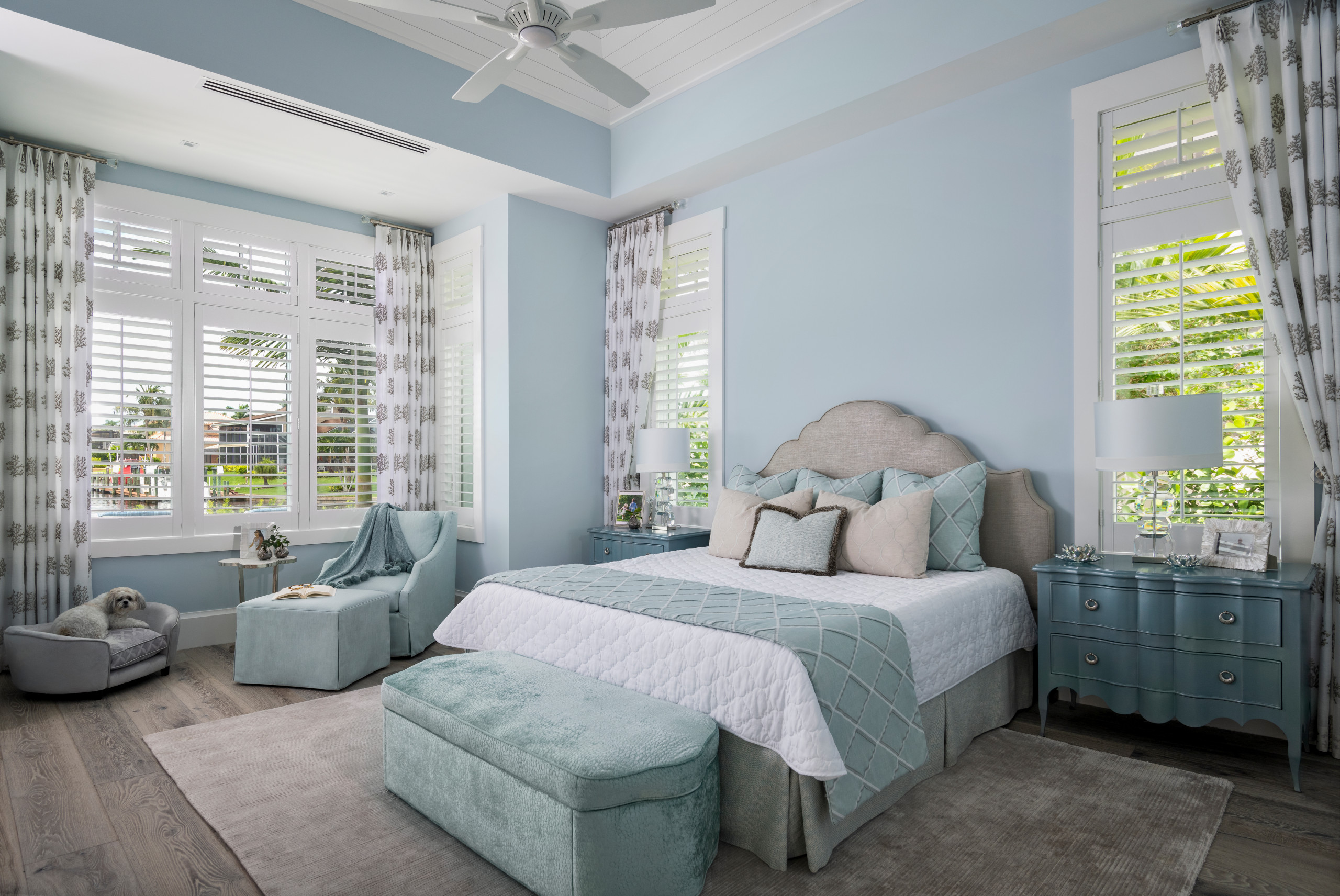
Understanding Undertones: The Secret to Success
This is where many people go wrong. Light blue isn’t just “blue.” It carries subtle undertones that dramatically shift its appearance. Ignoring them is like ordering a latte without specifying almond or oat milk—you might get something you didn’t quite want.
- Blue-Gray Undertones: These are often the most popular for bedrooms. The touch of gray mutes the blue, making it feel sophisticated, calming, and less childlike. Think of a cloudy sky or a calming sea mist. They are incredibly versatile and pair well with both warm and cool palettes.
- Blue-Green Undertones: When blue leans slightly green, it evokes a sense of nature, a tranquil lagoon, or sea glass. These shades tend to feel fresh, organic, and incredibly soothing. They work beautifully in spaces where you want a connection to the outdoors or a subtle coastal vibe.
- Blue-Purple Undertones (Periwinkle): A hint of purple adds warmth and a touch of elegance to light blue. These shades can feel dreamy, romantic, and slightly whimsical. They are less common but offer a unique depth that can be stunning in the right bedroom.
Considering Your Room’s Natural Light: North, South, East, West-Facing Rooms
Light is the ultimate designer. How much natural light your bedroom receives, and from which direction, will profoundly impact how your chosen light blue appears.
- North-Facing Rooms: These rooms typically receive cooler, indirect light throughout the day. To prevent a light blue from looking too cold or stark, opt for shades with a touch of green or even a very subtle purple undertone to add warmth.
- South-Facing Rooms: Blessed with abundant, warm, and bright light, south-facing rooms can handle almost any light blue. Cooler, pure blues or those with gray undertones will feel crisp and refreshing, balancing the intensity of the light.
- East-Facing Rooms: These rooms get beautiful, warm morning light, which then fades to cooler light in the afternoon. A balanced blue-gray or a blue with a hint of green will look inviting in the morning and maintain its serenity later in the day.
- West-Facing Rooms: Expect cooler light in the morning and intense, warm light in the afternoon and evening. Blues with slight gray or green undertones can perform well here, appearing soft in the morning and coming alive with the evening glow without becoming overwhelming.
Desired Mood & Aesthetic: Airy, Coastal, Modern, Traditional
What feeling do you want your bedroom to evoke? Your light blue choice should align with that vision.
- Airy & Expansive: Opt for the lightest, purest blues with minimal undertones or a whisper of gray. These help walls recede, making small rooms feel larger.
- Coastal & Relaxed: Blue-green shades that mimic the ocean or sea glass are perfect here. Pair with natural textures and white trim.
- Modern & Sophisticated: Lean into blue-grays. These hues offer a contemporary edge, especially when paired with minimalist decor, crisp whites, and metallic accents.
- Traditional & Timeless: Classic, muted light blues with a soft gray undertone will provide an elegant backdrop for traditional furniture and fabrics.
Paint Finishes Matter: Matte, Eggshell, Satin for Bedrooms
The sheen of your paint affects both appearance and durability. For bedrooms:
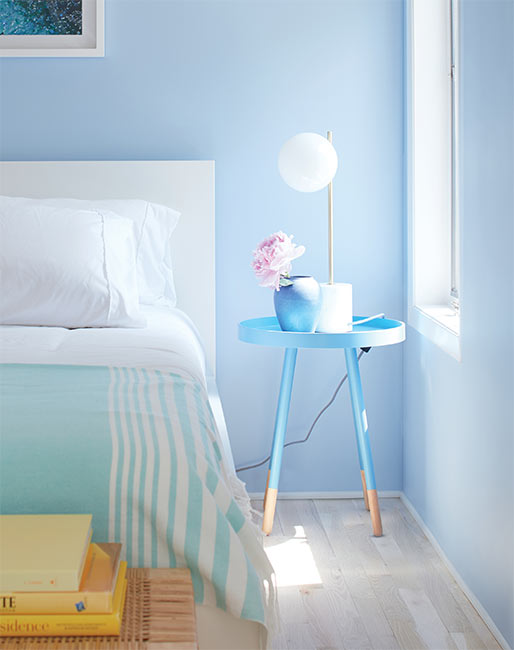
- Matte/Flat: Best for concealing imperfections and providing a rich, velvety look. It absorbs light, making colors appear deeper and softer. Less durable for high-traffic areas, but perfect for a serene bedroom wall.
- Eggshell: The most popular choice for bedrooms. It offers a subtle sheen, making it more durable and washable than flat paint, while still retaining a soft, inviting look.
- Satin: A bit more sheen than eggshell, offering even greater durability and ease of cleaning. It can be a good choice for children’s bedrooms or if you desire a slightly more reflective surface.
Top Picks: The Best Light Blue Paint Colors for Bedrooms (Benjamin Moore & Sherwin-Williams)
After sifting through countless options and expert recommendations, we’ve curated a list of the most beloved and versatile light blue paint colors that consistently deliver stunning results in bedrooms. These are the shades that will truly transform your space.
Benjamin Moore’s Top Light Blue Choices
Benjamin Moore is renowned for its nuanced colors and exceptional quality. Here are some standout light blues:
- Palladian Blue HC-144: Perhaps one of the most iconic blue-greens. It’s a soft, spa-like blue with undeniable green undertones. It feels incredibly serene and tranquil, making it perfect for creating a relaxing retreat. It shifts beautifully throughout the day, looking more blue in some lights and more green in others.
- Woodlawn Blue HC-147: A slightly more saturated blue-green than Palladian, Woodlawn Blue still maintains a beautiful softness. It’s often described as a sophisticated coastal hue, bringing a refreshing yet calming energy. It’s fantastic for bedrooms that need a gentle pop of color without being overpowering.
- Ocean Air 2123-50: A clean, crisp light blue with subtle gray undertones. This color truly lives up to its name, evoking the feeling of a clear sky or a gentle ocean breeze. It’s refreshing and airy, ideal for creating an expansive feel in smaller bedrooms or for balancing warmer elements in a south-facing room.
- Quiet Moments 1563: This is a fantastic blue-gray-green, a chameleon color that adapts beautifully to different lighting. It’s incredibly soothing and sophisticated, leaning more gray in low light and revealing its gentle blue-green when bathed in sunshine. Perfect for a restful, understated bedroom.
- Whispering Spring 2136-70: A very soft, delicate blue with a hint of green that creates a truly ethereal atmosphere. It’s a lighter, airier option than Palladian Blue, perfect if you want just a whisper of color that keeps the room feeling bright and open.
Sherwin-Williams’ Top Light Blue Choices
Sherwin-Williams offers a robust palette with equally beautiful light blue options that are consistently praised by designers and homeowners.
- Rainwashed SW 6211: A hugely popular and versatile blue-green-gray. Rainwashed is a beautiful, muted aqua that feels fresh, clean, and incredibly calming. It’s reminiscent of sea glass and is perfect for a spa-like or coastal-inspired bedroom. Its gray undertone prevents it from being too bright.
- Tradewind SW 6218: A soft, inviting blue with noticeable gray undertones. Tradewind strikes a perfect balance between blue and gray, making it incredibly sophisticated and calming. It’s not too cold, not too warm, just a balanced, serene blue that works wonderfully in a variety of lighting conditions and decor styles.
- Hinting Blue SW 6519: True to its name, this is a very pale, almost ethereal blue. It’s incredibly subtle, appearing as a soft, barely-there blue that keeps a room feeling bright and spacious. It’s an excellent choice if you want to introduce blue without making a strong color statement, almost acting as a neutral.
- Niebla Azul SW 9137: Described by Sherwin-Williams as a serene dusty blue, this color has beautiful gray undertones that give it depth and sophistication. It’s a muted, mature blue that feels incredibly peaceful and grounded, making it an ideal choice for a truly restful bedroom environment.
- Upward SW 6239: Sherwin-Williams’ 2024 Color of the Year, Upward is a bright and blissful blue. It’s a denim-like hue that combines a sunny disposition with a calming presence. It brings a gentle energy to a room, feeling both optimistic and tranquil, perfect for a bedroom that needs a lift without sacrificing serenity.
Side-by-Side Comparison: A Light Blue Bedroom Paint Selector
To help you narrow down your choices, here’s a comparative look at our top recommended light blues.
:max_bytes(150000):strip_icc()/AJ_1150_0298copy-91ea6327686844c0a0261f46697d42e5.jpg "30 Light Blue Paint Colors")
| Paint Color | Brand | Primary Undertones | Ideal Room/Light | Desired Mood | Complementary Colors |
|---|---|---|---|---|---|
| Palladian Blue HC-144 | Benjamin Moore | Green, Gray | North/East-facing; naturally lit | Spa-like, Tranquil, Coastal | Warm Whites, Creams, Light Grays, Natural Wood |
| Woodlawn Blue HC-147 | Benjamin Moore | Green, Gray | Versatile; good in bright rooms | Refreshing, Sophisticated Coastal | White, Beige, Dark Wood, Metallics |
| Ocean Air 2123-50 | Benjamin Moore | Gray | South-facing; small rooms | Clean, Crisp, Airy, Expansive | Cool Whites, Silvers, Dark Blues, Teals |
| Quiet Moments 1563 | Benjamin Moore | Gray, Green | Versatile; adapts well to light changes | Understated, Restful, Sophisticated | Cream, Taupe, Bronze, Earth Tones |
| Whispering Spring 2136-70 | Benjamin Moore | Green | North-facing; to lighten & brighten | Ethereal, Bright, Delicate | Crisp White, Pale Yellow, Light Wood |
| Rainwashed SW 6211 | Sherwin-Williams | Green, Gray | Versatile; spa-like feel | Fresh, Clean, Spa-like, Coastal | White, Linen, Dark Brown, Rattan |
| Tradewind SW 6218 | Sherwin-Williams | Gray | Any room; balanced light | Sophisticated, Serene, Balanced | Warm Grays, Creams, Navy, Gold Accents |
| Hinting Blue SW 6519 | Sherwin-Williams | Subtle Gray | Any room; for a minimalist touch | Bright, Subtle, Expansive, Minimalist | Crisp White, Light Wood, Pastel Accents |
| Niebla Azul SW 9137 | Sherwin-Williams | Gray | Any room; for depth & maturity | Dusty, Peaceful, Grounded, Sophisticated | Dark Wood, Linen, Cream, Deep Greens |
| Upward SW 6239 | Sherwin-Williams | Subtle Green/Gray | Versatile; cheerful yet calm | Optimistic, Tranquil, Blissful | White, Light Gray, Terracotta, Coral, Natural Textures |
Expert Tips for Painting Your Light Blue Bedroom
Choosing the color is just the first step. Proper execution ensures your vision comes to life seamlessly.
Sampling is Non-Negotiable: How to test colors effectively
I cannot stress this enough: DO NOT skip sampling!
- Large Swatches: Buy sample pots and paint large swatches (at least 2×2 feet) on several walls in your bedroom. This allows you to see how the color interacts with different lighting conditions throughout the day.
- Observe at Different Times: Watch the painted swatches in morning light, midday, evening, and with your artificial lights on. The color will look different, I promise.
- Live with It: Leave the samples up for a few days. Don’t rush the decision. Your mood, existing furniture, and decor will influence how you perceive the color.
Prep Work Makes Perfect: Cleaning, Priming, Taping
A flawless finish starts with thorough preparation.
- Clean Walls: Wash your walls with a sugar soap solution or a mild detergent to remove dirt, grease, and grime.
- Repair Imperfections: Fill any holes or cracks with spackle, sand smooth, and wipe away dust.
- Prime: If you’re painting over a dark color, glossy finish, or bare drywall, priming is essential. It ensures better adhesion and a truer color payoff.
- Tape Smart: Use high-quality painter’s tape to protect trim, ceilings, and baseboards for crisp, clean lines.
Accessorizing Your Blue Bedroom: Textiles, Furniture, Artwork
Once your walls are painted, think about how to complete the look.
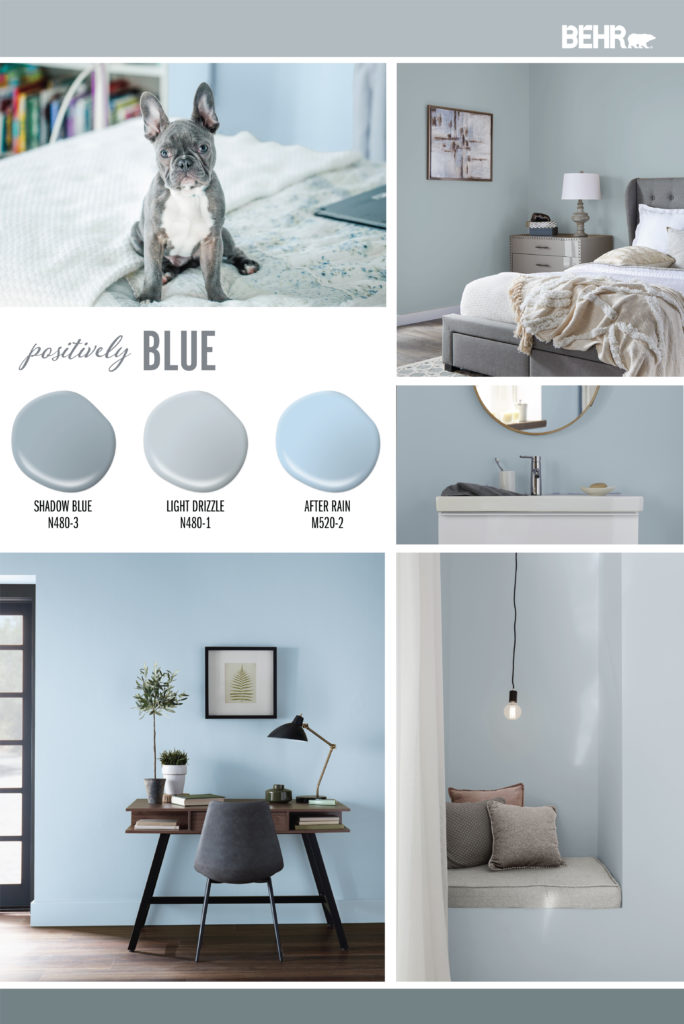
- Textiles: Introduce warmth and texture with bedding, curtains, and rugs. Crisp whites, creamy off-whites, warm grays, natural linens, or even soft yellows can complement light blue beautifully.
- Furniture: White, light wood, or even dark espresso furniture can look stunning against light blue walls. Avoid heavy, dark pieces if you want to maintain an airy feel.
- Artwork: Choose art that harmonizes with your blue. Pieces with abstract designs, landscapes featuring greens and browns, or simple black and white photography can enhance the serene atmosphere without competing with the wall color.
Beyond the Walls: Ceilings and Trim in Harmony
Don’t overlook these elements; they complete the room’s aesthetic.
- Trim: Crisp white trim (like Benjamin Moore’s Chantilly Lace or Sherwin-Williams’ Pure White) provides a clean, classic contrast to light blue walls.
- Ceiling: A flat white ceiling is standard, but for a truly immersive experience, consider painting the ceiling a lighter shade of your wall color (perhaps 25-50% lighter) or a very subtle, barely-there blue. This can make the room feel taller and more expansive, blurring the line between walls and ceiling.
Avoiding Common Light Blue Paint Pitfalls
Even with the best intentions, it’s easy to make mistakes. Be mindful of these common issues to ensure your bedroom transformation is a success.
- Underestimating Undertones: As discussed, undertones are everything. A blue that looks pure on a tiny chip might reveal unexpected green or purple when spread across a wall. Always consider how these subtle hues will play out.
- Not Testing in Your Own Space: Relying solely on online images or small swatches from the store is a recipe for disappointment. The light in your home is unique, and a color will never look exactly the same as it does elsewhere.
- Ignoring Artificial Lighting: Don’t just evaluate colors in natural light. Your bedroom’s lamps and overhead fixtures emit light with different color temperatures (warm vs. cool) that can significantly alter how your blue appears at night.
- Overlooking the Sheen: The paint finish drastically changes how light reflects off the walls. A matte finish will absorb light and appear softer, while an eggshell or satin will reflect more, making the color seem a bit brighter and potentially revealing more imperfections.
Final Thoughts: Your Serene Sanctuary Awaits
Choosing the best light blue paint color for your bedroom is a deeply personal journey, but one that promises immense rewards. A well-chosen shade can transform your space into a calming retreat, a personal haven designed for peace and rest. By understanding undertones, considering your room’s unique lighting, and carefully sampling your top contenders, you’re well on your way to creating the tranquil bedroom oasis you’ve always dreamed of. Happy painting!
Frequently Asked Questions
What undertones should I look for in a light blue paint for a bedroom?
For a serene bedroom, look for light blues with gray undertones (for sophistication and versatility), green undertones (for a natural, spa-like, or coastal feel), or very subtle purple undertones (for a dreamy, elegant touch). Avoid anything too pure or bright, as it can feel less calming.
:max_bytes(150000):strip_icc()/BondegatanSodermalmStockholmBedroomlampchairblueFantasticFrank-d4153e01738845caaaab184e2eecf7a7-33429fc42bfa411d988f8233f04fdfde.jpg "30 Light Blue Paint Colors")
How does natural light affect how a light blue paint color appears?
Natural light dramatically alters a paint’s appearance. North-facing rooms have cooler light, making blues appear icier; choose blues with green or warm gray undertones to counteract this. South-facing rooms have warm, bright light, making most blues look vibrant. East-facing rooms have warm morning light, while west-facing rooms have intense warm afternoon light. Always sample colors on multiple walls and observe them throughout the day.
Is light blue a good color for promoting sleep?
Yes, light blue is widely considered one of the best colors for promoting sleep and relaxation. Its association with calm skies and water creates a tranquil, soothing environment, which helps reduce stress and encourages rest. Psychologically, blue is linked to peace and serenity, making it ideal for a bedroom.
What’s the best paint finish for a bedroom wall?
For bedrooms, an eggshell finish is generally the most popular choice. It offers a subtle, soft sheen that’s more durable and washable than flat paint, while still maintaining a beautiful, inviting look. Flat (matte) finishes are also excellent for a soft, velvety appearance and for hiding imperfections, though they are less durable.
What colors pair well with light blue in a bedroom?
Light blue pairs beautifully with a range of colors. Crisp whites and creamy off-whites create a classic, fresh look. Warm grays, beiges, and natural wood tones add warmth and sophistication. For pops of color, consider soft yellows, corals, terracotta, or deep navy for contrast. Metallic accents like gold or silver can also enhance the aesthetic.
Should I paint my ceiling light blue as well?
Painting your ceiling a lighter shade of your chosen light blue, or a very pale, barely-there blue, can create an enveloping, expansive feel, making the room seem taller and more cohesive. It blurs the line between walls and ceiling for an immersive, tranquil effect. Alternatively, a crisp white ceiling provides a classic, airy contrast.
How many samples should I try before committing to a light blue paint color?
It’s recommended to try at least 3-5 different light blue samples, focusing on varying undertones (e.g., one blue-gray, one blue-green, one cleaner blue). Paint large swatches on multiple walls in your bedroom and observe them over several days under different lighting conditions before making your final decision.