Unlocking Your Log Home’s Potential: The Definitive Guide to Interior Paint Colors
Ah, the log home. A sanctuary of warmth, character, and connection to nature. But what happens when that rustic charm starts to feel a little… dark? A bit too much of the same natural wood tone? You’re not alone if you’ve found yourself pondering the transformative power of paint.
Painting your log home interior is a significant decision, and one that homeowners often approach with a mix of excitement and trepidation. On one hand, you envision a brighter, more expansive, and personalized space. On the other, you worry about losing that quintessential log cabin soul. My goal here is to cut through the confusion and give you the confidence to choose the best paint colors and techniques to truly elevate your log home.
We’re not just throwing colors at a wall here. We’re talking about understanding your home’s unique canvas, how light plays, and how each hue can transform a space from merely functional to absolutely breathtaking. Let’s dive in.
To Paint or Not to Paint? The Log Home Interior Debate
Before we even dip a brush, let’s address the elephant in the room: should you paint your log walls at all? It’s a question with passionate arguments on both sides. Understanding the pros and cons will help you make an informed decision that’s right for your home and lifestyle.
Pros of Painting Log Home Interiors
- Brightness and Light: This is often the primary driver. Painting logs, especially with lighter colors, dramatically increases light reflection, making spaces feel larger, airier, and more inviting.
- Modernization: A fresh coat of paint can instantly update a traditional log home, giving it a contemporary or Scandinavian-inspired aesthetic without sacrificing its inherent charm.
- Personal Style: Paint offers endless possibilities for expressing your unique taste, allowing you to move beyond the natural wood palette and introduce pops of color or sophisticated neutrals.
- Covers Imperfections: Paint can conceal minor dings, inconsistencies in wood tone, or previous stains that might be difficult to match or remove.
- Improved Air Quality: Low-VOC paints can contribute to better indoor air quality, and a sealed painted surface can sometimes reduce dust collection in log grooves.
Cons of Painting Log Home Interiors
- Loss of Natural Wood Character: This is the biggest concern. Once painted, the distinctive grain and knots of the logs are hidden, and reversing the process is extremely difficult, if not impossible.
- Intensive Preparation: Logs are not smooth drywall. They require thorough cleaning, filling gaps, and often specialized primers to prevent tannin bleed-through, making it a labor-intensive project.
- Maintenance: While logs themselves are durable, painted surfaces will eventually show wear and tear, requiring touch-ups or repainting over time.
- Resale Value Impact: While many buyers appreciate a brightened log home, some purists might prefer unpainted logs. Consider your local market.
Alternatives to Painting Logs Entirely
If you’re still hesitant about a full paint job, consider these alternatives to lighten or update your interior:
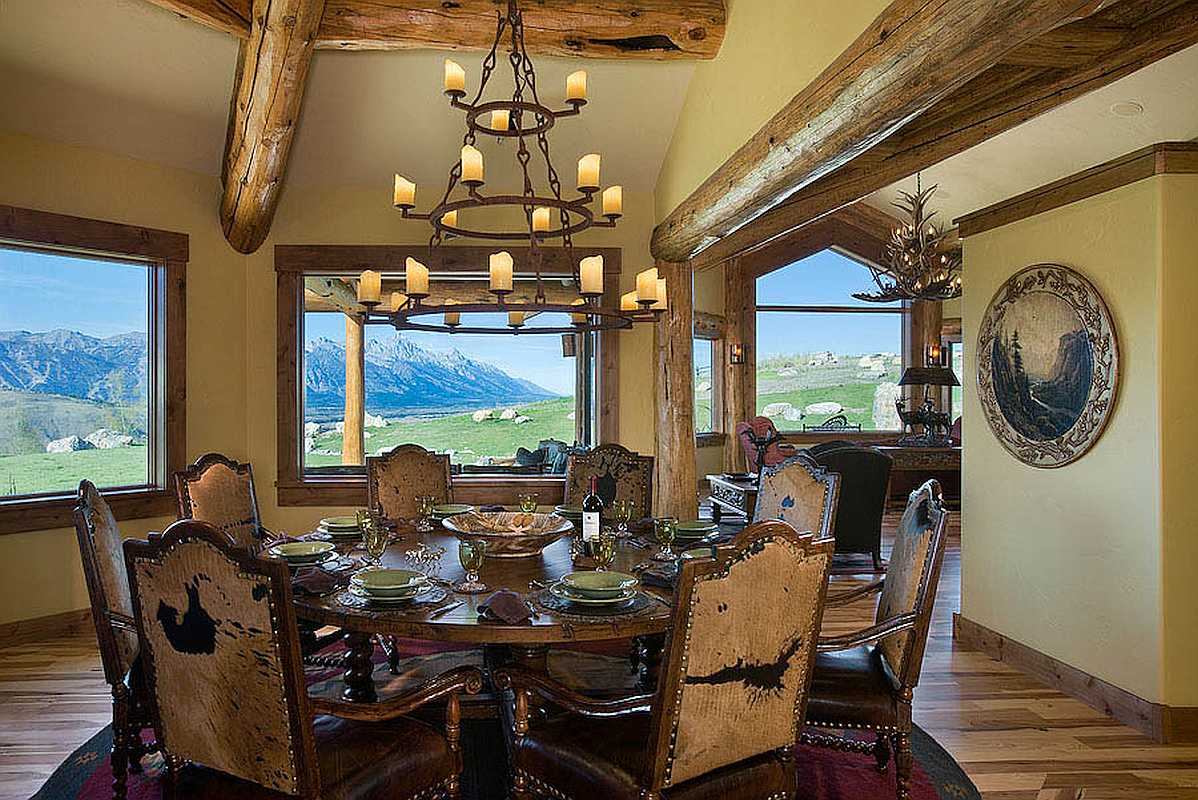
- Light-Toned Stains or Whitewash: These allow the wood grain to show through while imparting a lighter, more modern finish. Whitewash creates a semi-transparent, soft white look.
- Strategically Paint Accent Walls or Ceilings: You don’t have to paint everything! Consider painting just the ceiling between exposed beams, an interior drywall partition, or a single log wall to create contrast and brighten the space without losing all the natural wood.
- Natural Wood Finishes: Sometimes, simply cleaning and applying a clear, lighter-toned sealant to existing logs can refresh their appearance.
- Lime Wash: A traditional finish that provides a matte, chalky, opaque finish that still allows some texture to show through, offering a subtle, old-world charm.
The Science of Color: Understanding Your Log Home’s Unique Canvas
Choosing a paint color for a log home isn’t like picking a swatch for a conventional drywall interior. The existing wood, with all its inherent warmth and texture, acts as a dominant background and an active participant in your color scheme. Ignoring it is a recipe for disaster.
The Warmth of Wood: How Log Tones Influence Paint Choices
Most natural logs possess warm undertones – think honey, amber, gold, or even subtle reds and oranges. These undertones will interact with any paint color you introduce. Here’s what to consider:
- Complementary Colors: Blues and greens often complement warmer wood tones beautifully, creating a harmonious balance.
- Analogous Colors: Warmer neutrals like creams, beiges, or even soft yellows can enhance the existing warmth without clashing.
- Contrast: Crisp whites and cool grays can provide a stunning contrast, making the wood elements pop and adding a modern edge.
- Tannin Bleed-Through: Be aware that darker woods can sometimes bleed tannins, especially through lighter paints. A high-quality, tannin-blocking primer is essential.
Natural Light: Impact of Windows, Orientation, and Environment
Light is perhaps the single most important factor in how a color appears. A paint swatch can look entirely different in your home than in the store. Why?
- Direction of Light: North-facing rooms receive cooler, consistent light, making colors appear flatter. South-facing rooms get bright, warm light, which can intensify colors. East-facing rooms get morning sun (warm), west-facing get afternoon sun (intense warm).
- Surrounding Environment: The color of the trees outside, a red barn, or even a large body of water can cast a subtle hue into your home.
- Window Size: Larger windows mean more natural light, which allows for bolder color choices without overwhelming the space. Smaller windows might necessitate lighter colors to maximize brightness.
Room Function: How Color Influences Mood and Purpose
Consider what you do in each room. A bedroom might benefit from calming blues or greens, while a living room could handle a more social, inviting cream or a sophisticated gray. Kitchens often thrive with bright, clean whites or soft, energizing hues.
Existing Elements: Flooring, Stone, Trim, and Furniture as Guides
Your log home likely has other fixed elements: a stone fireplace, specific flooring (hardwood, tile, carpet), and perhaps pre-existing trim or cabinetry. These should inform your paint choices. Pick a color that harmonizes or provides an intentional contrast with these elements. Think of your logs as the dominant texture, and your paint as the unifying or contrasting layer.
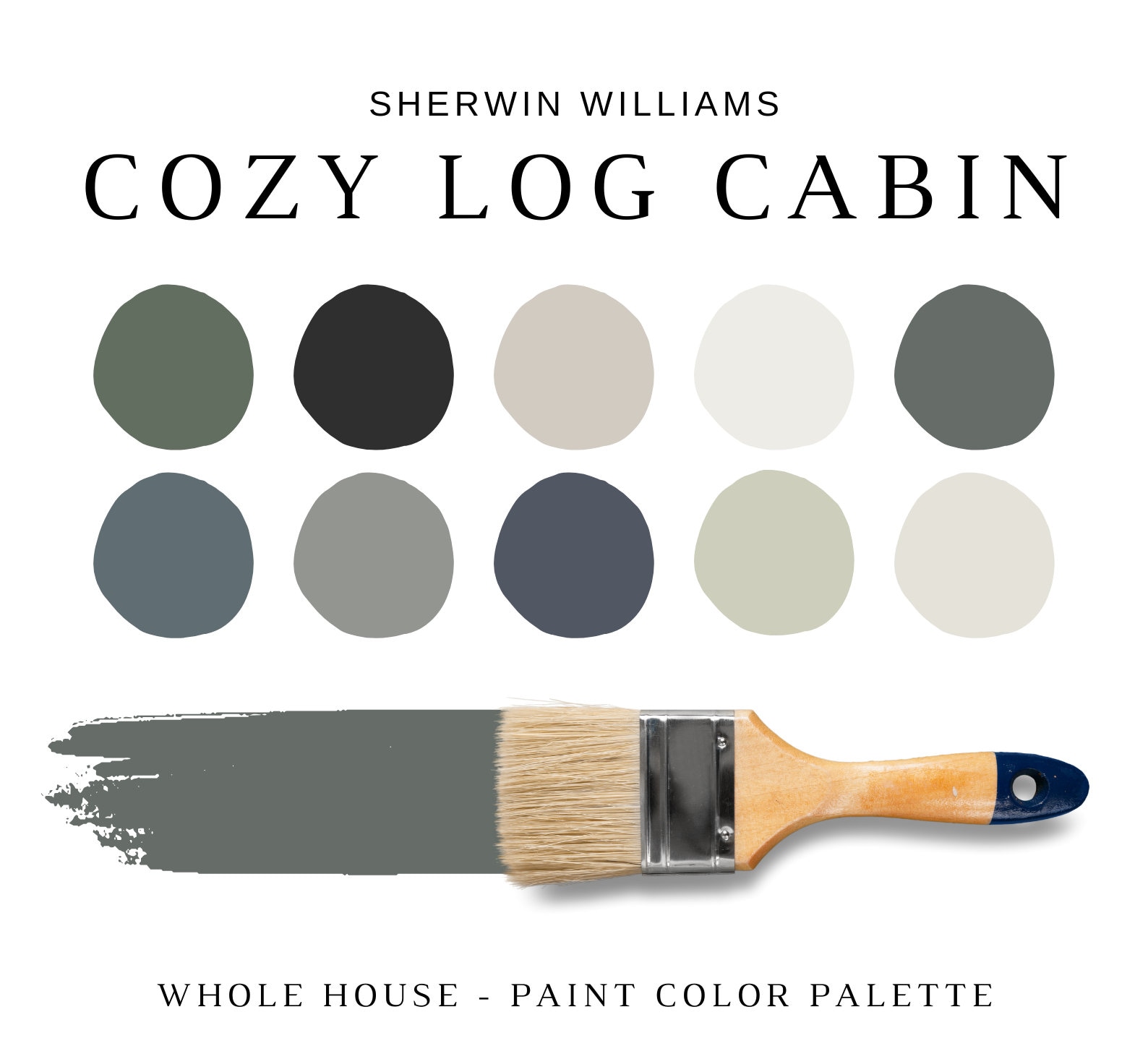
Top Paint Colors for Log Home Interiors: A Curated Palette
Now for the fun part! Based on the unique characteristics of log homes and current design trends, here are some of the most effective and beautiful paint colors you can choose from.
| Color Family | Mood/Effect | Best With Log Undertones | Ideal Application | Top Tip for Log Homes |
|---|---|---|---|---|
| Classic White | Crisp, Clean, Modern, Expansive | Works with all, especially contrasts well with warm, golden logs. | Entire walls, ceilings, trim; ideal for creating a Scandinavian or minimalist look. | Choose a white with a subtle warm undertone (e.g., a hint of yellow or beige) to avoid starkness. |
| Cream/Ivory | Soft, Warm, Inviting, Timeless | Harmonizes beautifully with all warm log tones (honey, amber, red). | Entire rooms, especially living areas and bedrooms; creates a cozy, elegant feel. | Excellent for achieving a ‘bright but not stark’ look; consider a slightly richer cream for depth. |
| Greige/Taupe | Sophisticated, Modern Neutral, Grounding | Pairs well with both warm and cooler logs; versatile. | Living rooms, dining areas, hallways; provides a contemporary backdrop. | Look for greiges with warmer brown/beige undertones to prevent them from appearing too cool against logs. |
| Sage Green | Earthy, Tranquil, Natural, Soothing | Complements warm, rustic logs and brings the outdoors in. | Bedrooms, bathrooms, accent walls, spaces overlooking nature. | Opt for muted, desaturated sages to avoid an overly vibrant or artificial look. |
| Muted Blue | Peaceful, Calm, Expansive, Adds Depth | Contrasts beautifully with warm yellow and orange logs. | Bedrooms, studies, bathrooms, or a feature wall in a living space. | Avoid overly bright or icy blues; lean towards grayish or greenish blues for a more organic feel. |
| Warm Gray | Sophisticated, Understated, Contemporary | Works well with golden or reddish logs, offering a gentle contrast. | Living areas, kitchens, modern cabin designs; pairs well with metal accents. | Ensure the gray has noticeable brown or beige undertones; cool grays can look sterile. |
| Charcoal/Black (Accent) | Dramatic, Modern, Architectural, Grounding | Striking contrast with light and medium logs; accentuates architectural features. | Feature walls, trim, window frames, doors, fireplaces; use sparingly. | Best used as an accent to define spaces; provides depth without overwhelming. |
The Bright & Airy Collection (Whites & Off-Whites)
This is often the go-to for log home owners seeking to lighten their interiors. The key is choosing the right white.
- Classic White: A crisp, clean white (like Benjamin Moore’s ‘Chantilly Lace’ or Sherwin-Williams’ ‘Pure White’) provides maximum contrast and brightness. It’s excellent for a modern, Scandinavian-inspired look, making the logs that remain exposed truly pop.
- Cream/Ivory: If pure white feels too stark, a creamy white or ivory (think ‘Muslin’ by Benjamin Moore or ‘Alabaster’ by Sherwin-Williams) offers a softer, warmer glow. These colors embrace the existing warmth of the wood, creating a cozier, more inviting atmosphere while still significantly brightening the space. They are perfect for a classic, elegant cabin feel.
- Greige/Taupe: These sophisticated neutrals (like ‘Revere Pewter’ by Benjamin Moore or ‘Agreeable Gray’ by Sherwin-Williams) bridge the gap between gray and beige. They offer a modern update while harmonizing with the natural wood. Greige provides more depth than a pure white and is incredibly versatile, working well with various decor styles.
The Serene & Calming Collection (Blues & Greens)
Bringing the tranquility of nature indoors, blues and greens are natural companions to wood.
- Sage Green: A muted, earthy sage (e.g., ‘Cypress Green’ by Sherwin-Williams or ‘Gray Cashmere’ by Benjamin Moore, which has green undertones) creates a peaceful, harmonious environment. It feels organic and grounding, echoing the forest outside your windows. Ideal for bedrooms, bathrooms, or a cozy reading nook.
- Muted Blue: Soft, desaturated blues (such as ‘Tradewind’ by Sherwin-Williams or ‘Palladian Blue’ by Benjamin Moore) evoke the calm of a lakeside retreat or a clear sky. These colors provide a gentle contrast to warm logs, adding depth without feeling heavy. They are particularly effective in bedrooms or spaces where relaxation is key.
- Forest Green/Deep Teal (accent): For a touch of drama and sophistication, consider a deep, rich forest green or teal on an accent wall or for trim. These colors can create a luxurious, moody vibe, especially when paired with lighter logs or exposed beams.
The Warm & Inviting Collection (Earth Tones & Neutrals)
These colors enhance the inherent warmth of your log home, creating a truly inviting atmosphere.
- Warm Gray: Not all grays are cool! A gray with brown or beige undertones (like ‘Accessible Beige’ by Sherwin-Williams, which is more greige, or ‘Edgecomb Gray’ by Benjamin Moore) offers a refined, modern neutral. It provides a sophisticated backdrop that still feels connected to nature, avoiding the sterile feeling some cool grays can impart.
- Soft Terracotta/Rust: For a unique, earthy touch, consider a very muted, soft terracotta or rust tone. Used sparingly, perhaps in a dining area or a sunroom, it can evoke a feeling of warmth, harvest, and connection to the earth, complementing reddish log tones beautifully.
- Muted Yellow/Gold: A subtle, creamy yellow (not a primary school yellow!) can bring sunshine indoors. Think of colors like ‘Acadia White’ by Benjamin Moore (which has a soft yellow tint) or a very pale buttercup. These are best used in smaller doses or in rooms that need a lift, as too much can be overwhelming.
The Bold & Dramatic Collection (Accents & Statements)
Don’t shy away from using stronger colors to create impact, especially in smaller doses.
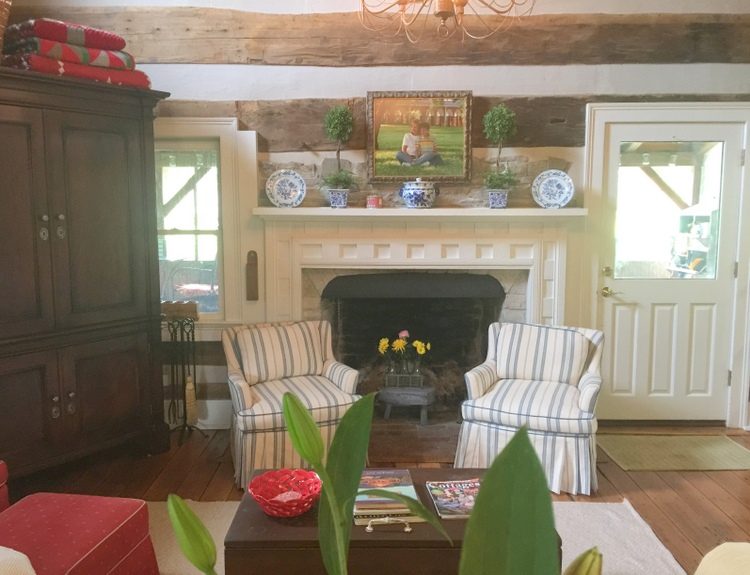
- Charcoal/Black: This is a modern designer’s secret weapon. Used on interior doors, window frames, or as an accent wall, a deep charcoal or soft black (like ‘Tricorn Black’ by Sherwin-Williams or ‘Wrought Iron’ by Benjamin Moore) provides incredible contrast, architectural definition, and grounds the space. It can make lighter logs truly pop.
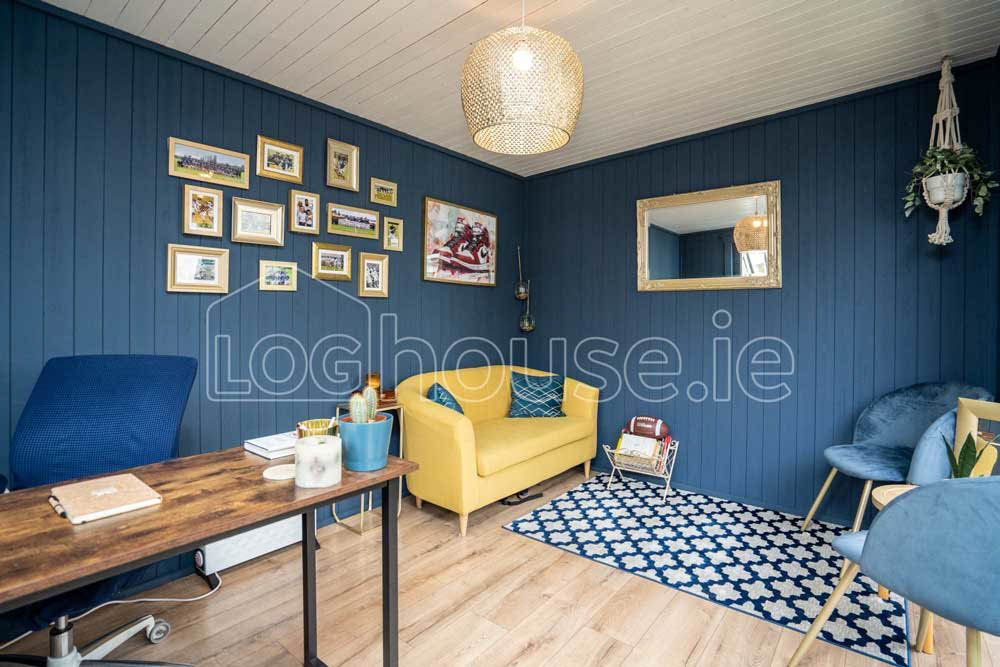
- Deep Burgundy/Navy: These rich, saturated hues offer a luxurious feel. A deep burgundy can evoke a lodge-like warmth, while navy brings a sophisticated, coastal, or classic library vibe. They work best in smaller rooms, powder baths, or as an accent to add significant depth and character.
Beyond Color: Essential Considerations for Painting Log Home Interiors
Choosing the color is just one step. The execution, from preparation to finish, is equally critical for achieving a beautiful and durable result in a log home.
Paint Finish (Sheen): It Makes a Difference!
The sheen, or finish, of your paint impacts how light reflects, the perceived depth of color, and the paint’s durability and cleanability.
- Matte/Flat: Offers a velvety, non-reflective finish that hides imperfections well. Great for ceilings or walls where you want a soft, rich look. Less durable and harder to clean.
- Eggshell: Slightly more sheen than matte, providing a soft glow. It’s more durable and easier to clean, making it a popular choice for living areas and bedrooms. It beautifully camouflages minor log irregularities.
- Satin: A smooth, subtle sheen that’s very durable and easy to clean. Ideal for high-traffic areas like kitchens and bathrooms. However, the higher sheen can highlight imperfections on logs more readily.
- Semi-Gloss: Highly durable with a noticeable sheen, best for trim, doors, and cabinets. Rarely used on main log walls due to its high reflectivity which accentuates every bump and groove.
For most log walls, eggshell or satin finish strikes the best balance between aesthetics and practicality.
Surface Preparation is Paramount: Don’t Skip This!
This is where painting logs diverges significantly from painting drywall. Proper prep is the key to a lasting, beautiful finish.
- Cleaning: Logs collect dust, dirt, and sometimes residue from wood treatments. Thoroughly clean all surfaces with a mild detergent solution or a specialized wood cleaner. Rinse well and allow to dry completely.
- Sealing Gaps: Critter-proofing and insulating your logs often involves chinking or caulking. Ensure all gaps and cracks are properly filled and sealed before painting. This creates a more uniform surface and prevents air leaks.
- Priming: This step is non-negotiable for logs. You’ll need a high-quality, oil-based (or advanced water-based stain-blocking) primer. Logs, especially pine, are prone to ‘tannin bleed-through,’ where the natural oils and resins seep through the paint, causing yellow or brown stains. A good primer seals these in, ensures better adhesion, and provides a uniform base for your chosen color.
- Sanding (Optional but Recommended): A light sanding can help open the wood grain for better primer adhesion and smooth out any rough spots.
Application Techniques: Brushing vs. Spraying Logs
- Brushing: Ideal for logs. It allows the paint to be worked into the natural contours, cracks, and wood grain, ensuring thorough coverage and adhesion. It’s labor-intensive but yields the best finish for textured log surfaces. Use high-quality brushes.
- Spraying: Faster for large areas, but requires significant masking and back-rolling/back-brushing to push the paint into the wood and avoid drips or an uneven finish. If you spray, always follow up with a brush to ensure proper penetration and avoid surface-only coating.
Test, Test, Test!: The Importance of Swatches
Never commit to a color based solely on a small swatch. Buy sample pots and paint large swatches (at least 2’x2′) directly onto your primed log walls. Observe them at different times of day, under natural and artificial light. See how they interact with existing wood tones and furniture. This critical step prevents costly mistakes.
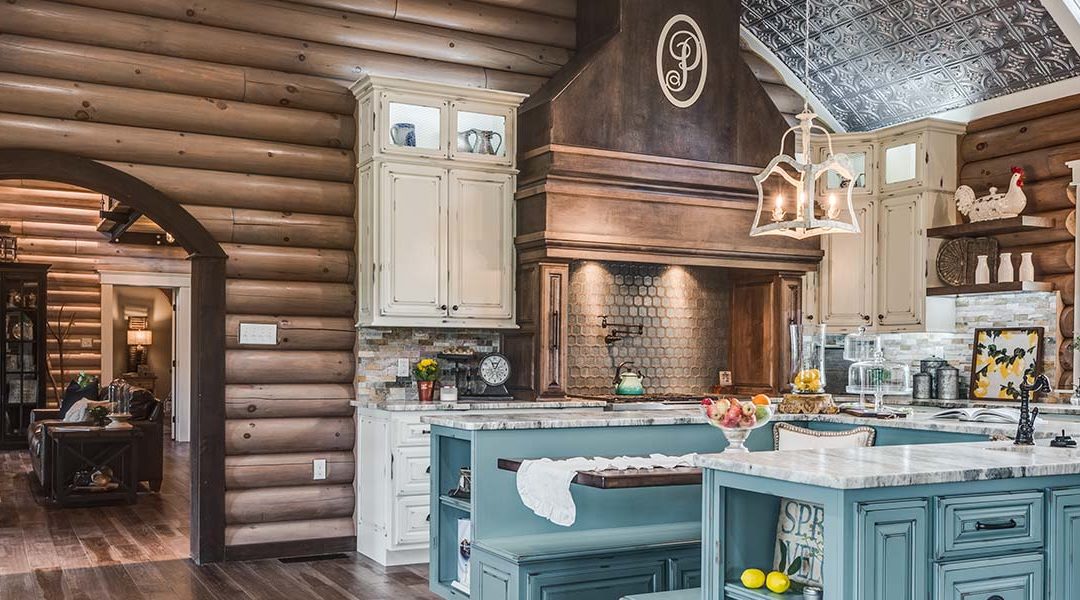
Lighting: How Artificial Light Changes Color Perception
Just like natural light, your artificial lighting (incandescent, LED, fluorescent) will influence how colors look. Warm light bulbs can make colors appear yellower, while cool bulbs can make them appear bluer or grayer. Choose your bulbs carefully to complement your paint scheme.
Mixing & Matching: How to Combine Painted Logs with Exposed Logs/Beams
For a dynamic look, consider painting only certain walls, or leaving beams and trim exposed in their natural wood. This creates visual interest and celebrates both elements. For example, paint the main log walls a creamy white, but leave the ceiling beams and window frames in a rich, natural wood finish. This contrast is incredibly effective.
Creating Cohesion: Bringing Your Log Home Design Together
Once your logs are painted, the next step is to ensure your entire interior design flows seamlessly. The paint is a backdrop, and the rest of your decor needs to harmonize with it.
Seamless Transitions: From Logs to Drywall, Open Concept Flow
Many log homes incorporate traditional drywall partitions. Ensure your paint choices create a harmonious transition. If you’ve chosen a light neutral for your logs, carry that or a complementary shade onto the drywall. In open-concept spaces, use a consistent color palette to unify different zones.
Furniture & Decor: Harmonizing with Your Chosen Palette
Your furniture and decor should either complement or provide a thoughtful contrast to your new wall colors. If you’ve gone with a light, airy palette, consider incorporating natural textures, distressed wood, and clean-lined furniture to maintain that fresh feel. For bolder paint choices, select furniture that balances the intensity, perhaps with softer fabrics or simpler forms.
Textiles & Textures: Layering for Warmth and Interest
Log homes thrive on texture. Even with painted logs, you can enhance the cozy factor by layering textiles. Think chunky knit throws, woven rugs, linen curtains, and plush pillows. These elements add depth, warmth, and visual interest, preventing the space from feeling flat, regardless of your chosen paint color.
Painting your log home interior is a powerful way to transform your space, breathing new life into traditional structures. Whether you opt for a bright, airy white or a serene, earthy green, the right paint color can enhance your home’s unique character, reflect your personal style, and create an atmosphere you’ll love for years to come. Remember, it’s about thoughtful choices and meticulous preparation. Happy painting!
Frequently Asked Questions
Can I really paint over natural log walls?
Yes, you absolutely can paint over natural log walls! It’s a popular choice for homeowners looking to brighten a dark interior, modernize their aesthetic, or cover existing wood imperfections. However, it’s a significant decision as it’s very difficult to reverse, and it requires meticulous preparation to ensure the paint adheres properly and lasts.
What kind of paint should I use on log walls?
For most log home interiors, a high-quality acrylic latex paint with an eggshell or satin finish is recommended. The key is to use a heavy-duty, stain-blocking primer first (preferably oil-based or an advanced water-based tannin-blocker) to prevent natural wood tannins from bleeding through the paint and causing discoloration. The eggshell or satin finish offers good durability and is easier to clean than flat paint, while still subtly hiding some of the logs’ natural texture.
How do I prepare log walls for painting?
Surface preparation is crucial. First, thoroughly clean the logs to remove dirt, dust, and any residues. Next, ensure all gaps and cracks are properly filled and sealed with chinking or caulk suitable for log homes. Finally, and most importantly, apply one to two coats of a high-quality stain-blocking primer. This step seals the wood, prevents tannin bleed-through, and provides a uniform surface for your topcoat.
Will painting reduce the rustic feel of my log home?
Painting logs can certainly alter the traditional rustic aesthetic. While it may reduce the raw, natural wood feel, it doesn’t necessarily eliminate rustic charm. Instead, it can transform it into a ‘modern rustic’ or ‘Scandinavian cabin’ style, offering a fresh, bright backdrop that allows other rustic elements (like stone fireplaces, vintage furniture, or exposed beams) to stand out more. The choice of paint color and how much wood you leave exposed will greatly influence the final look.
What’s the best way to test paint colors on logs?
Always test paint colors directly on your primed log walls before committing to the entire room. Purchase sample pots of your top choices and paint large swatches (at least 2’x2′) in a few different areas. Observe these swatches throughout the day and night, under both natural and artificial light. This allows you to see how the color interacts with the unique texture and undertones of your logs and how light affects its appearance, helping you avoid costly mistakes.
How do I deal with tannin bleed-through when painting logs?
Tannin bleed-through is a common issue with knotty woods like pine or cedar, where natural resins and oils can seep through the paint, causing yellow or brown stains. The best defense is a strong offense: use an excellent quality, oil-based, or advanced water-based stain-blocking primer. Ensure complete coverage with the primer before applying your chosen topcoat. If bleed-through still occurs, spot prime the affected areas again before adding another layer of topcoat.
Should I paint all the logs, or can I leave some exposed?
You absolutely don’t have to paint every log! Many stunning log home designs incorporate a mix of painted and exposed wood. You might choose to paint the main walls a light color but leave ceiling beams, trim, or even a feature wall of logs in their natural state. This approach creates visual interest, maintains some of the original character, and can provide a beautiful contrast that enhances both the painted and natural elements of your home.