
Ever wondered if the fresh paint smell in your newly decorated bedroom is actually… healthy? As we become more conscious about what we put into our bodies and on our skin, it’s only natural to extend that scrutiny to our living spaces. This isn’t just about aesthetics; it’s about creating a true sanctuary. Today, we’re diving deep into an essential topic for anyone looking to upgrade their home: What Is A Low-VOC Paint And Why Should I Use It In My Bedroom?
It’s a question that’s gaining traction as more people seek healthier, sustainable home solutions. Your bedroom, in particular, is where you spend roughly a third of your life. It’s a space for rest, rejuvenation, and quietude. So, ensuring it’s free from unnecessary chemicals is a smart, modern choice for your well-being.
Unpacking VOCs: The Invisible Culprits Lurking in Your Paint Can
Before we celebrate the benefits of low-VOC options, let’s understand the antagonist: Volatile Organic Compounds, or VOCs. These aren’t just scientific jargon; they’re invisible gases emitted from certain solids or liquids. In the context of paint, they’re the chemical solvents that help the paint spread smoothly and dry quickly.
Traditional paints, for decades, relied heavily on these chemical compounds. When you opened a can of conventional paint, that strong, distinct ‘paint smell’ you noticed? That’s largely the VOCs off-gassing into your environment. This process can continue for days, weeks, or even months after the paint has dried, contributing to indoor air pollution.
The health implications of exposure to high levels of VOCs can be significant. Short-term effects often include headaches, nausea, dizziness, and eye, nose, and throat irritation. For those with existing respiratory issues like asthma or allergies, VOC exposure can exacerbate symptoms. Long-term exposure, particularly in poorly ventilated spaces, has been linked to more serious health concerns, making your bedroom a critical area for consideration.
The Silent Impact: Why Traditional Paints Pose a Risk to Your Health and Home
Source: ceh.org
Understanding the full scope of VOCs helps underline the importance of making informed choices. Traditional paints are essentially a cocktail of chemicals. While they offer vibrant colors and durable finishes, they come with a hidden cost: your indoor air quality.
Imagine your bedroom, sealed up at night, as you sleep for eight hours. If the walls are off-gassing VOCs, you’re continuously inhaling these compounds. This isn’t conducive to restful sleep or overall health. It’s especially concerning for sensitive individuals, including children, pregnant women, the elderly, and those with compromised immune systems.
Many common VOCs found in paint, like formaldehyde, benzene, and toluene, are known irritants and potential carcinogens. The goal isn’t to induce fear, but to empower you with knowledge. Making conscious choices about your home environment is a crucial step towards a healthier lifestyle.
What Exactly Is Low-VOC Paint? Defining a Healthier Choice
So, what’s the alternative? Enter low-VOC paint, a game-changer in the world of interior decorating and home improvement. Simply put, low-VOC paint contains significantly fewer volatile organic compounds compared to traditional formulations. But what defines ‘low’?
In the United States, regulations typically classify low-VOC paints as those containing less than 50 grams per liter (g/L) for flat finishes and less than 150 g/L for non-flat finishes. However, many manufacturers now offer products well below these limits, some even boasting zero VOC levels, meaning they contain less than 5 g/L, often undetectable.
The key difference lies in their formulation. Instead of relying on petrochemical solvents, low-VOC paints often use water as their primary solvent, or employ alternative compounds that evaporate with minimal harmful emissions. This technological advancement allows for the same beautiful, durable finish without the hazardous off-gassing.
Zero VOC vs. Low VOC: Understanding the Nuances
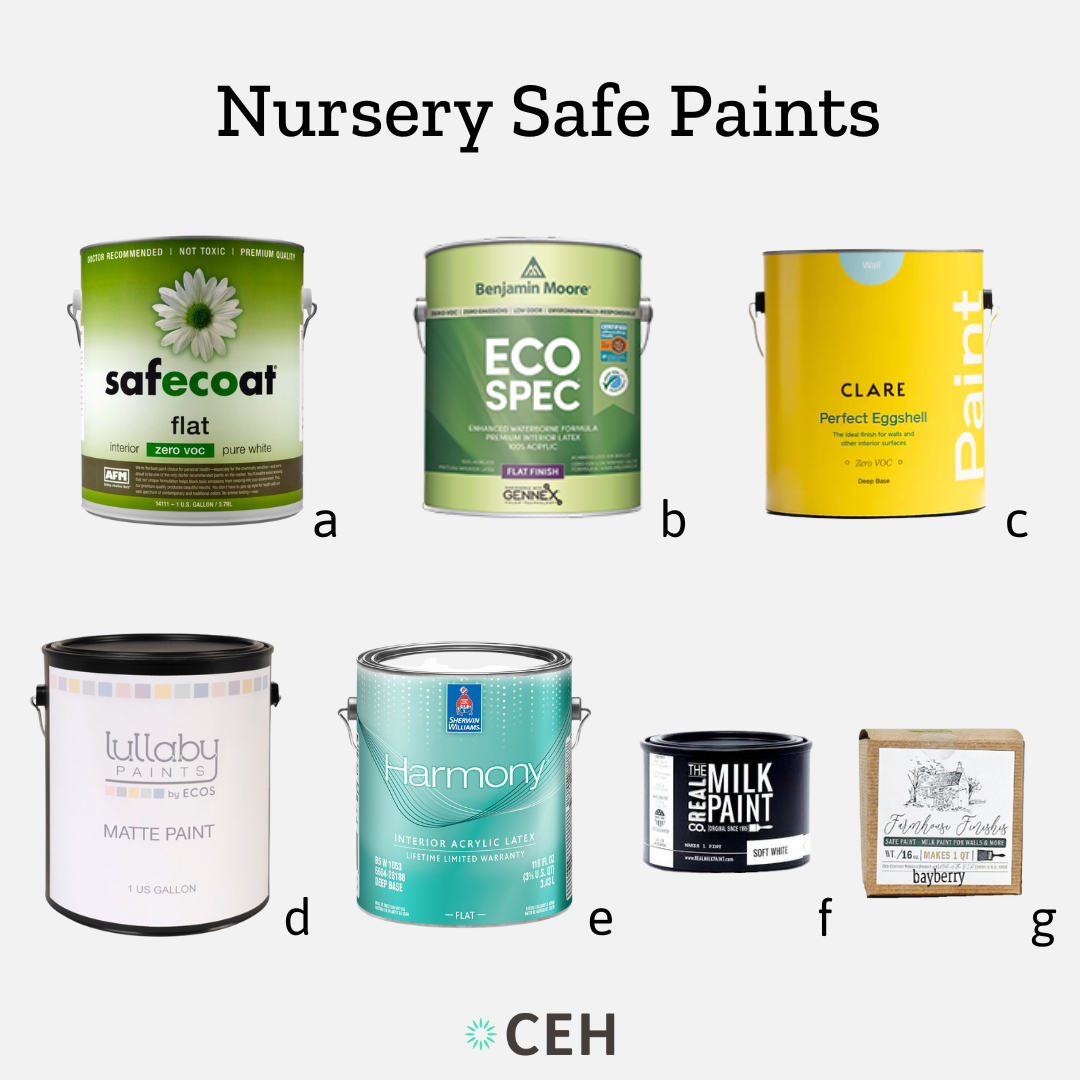
While often used interchangeably, there’s a subtle but important distinction between low-VOC and zero-VOC paints. Low-VOC paints significantly reduce the amount of harmful chemicals, making them a much healthier choice than traditional options. They’re a fantastic upgrade for any living space.
Zero-VOC paints take it a step further. These products contain negligible, or even undetectable, levels of VOCs, typically less than 5 grams per liter. For areas like a nursery, or for individuals with extreme chemical sensitivities, zero-VOC options are the gold standard. They provide the ultimate peace of mind when it comes to indoor air quality, ensuring your bedroom remains a pure, unadulterated sanctuary for rest and rejuvenation.
Why Your Bedroom Deserves Low-VOC Paint: A Deep Dive into Benefits
Now that we’ve defined it, let’s explore why making the switch to low-VOC paint for your bedroom is one of the best home renovation decisions you can make. This isn’t just about following a trend; it’s about prioritizing your health, comfort, and the planet.
Improved Indoor Air Quality: Breathe Easy, Sleep Soundly
This is arguably the most significant benefit. By dramatically reducing the release of airborne chemicals, low-VOC paint helps maintain superior indoor air quality. You’ll notice a distinct lack of the harsh ‘new paint’ smell, replaced by a fresh, neutral atmosphere. This means less off-gassing into the air you breathe, day in and day out, particularly critical in a contained space like a bedroom.
Enhanced Health and Well-being: A Healthier Home for Everyone
Choosing low-VOC paint directly contributes to a healthier living environment. For those susceptible to respiratory issues, headaches, or allergies, minimizing VOC exposure can lead to a noticeable reduction in symptoms. It’s also a safer choice for families with young children or pets, who are often more sensitive to environmental toxins. You’re actively creating a safer haven for your loved ones.
Creating a True Sleep Sanctuary: Rest Without the Restlessness
Your bedroom should be a sanctuary—a place where you can truly unwind and recharge. The presence of chemical fumes can subtly disrupt this tranquility, even if you’re not consciously aware of it. Using low-VOC paint contributes to a calmer, purer environment, which can support better sleep and overall mental well-being. It’s an investment in your nightly reset.
An Eco-Conscious Choice: Painting with the Planet in Mind
For the environmentally conscious, low-VOC paint aligns perfectly with sustainable living principles. By reducing the release of harmful chemicals into the atmosphere, you’re lessening your home’s environmental footprint. Many brands offering low-VOC options also adhere to other eco-friendly practices, from sustainable sourcing to responsible manufacturing, making it a holistic green choice.
Practical Perks: Low Odor, Quick-Drying, and Durable Finish
Beyond the health and environmental benefits, low-VOC paints often come with practical advantages. Many are virtually odorless, making the painting process far more pleasant. They also tend to be quick-drying, meaning you can get back to using your bedroom sooner. And rest assured, the durability and vibrant colors of modern low-VOC paints rival, if not surpass, their traditional counterparts, offering a smooth application and a lasting, washable finish.
Navigating the Low-VOC Paint Market: What to Look For
With so many options available, choosing the right low-VOC paint can feel a little overwhelming. But armed with the right knowledge, you’ll confidently select the best product for your bedroom. Here’s what to keep an eye out for when you’re perusing the paint aisle.
Labels and Certifications: Your Guide to Trustworthy Products
Look for third-party certifications. Organizations like Green Seal, GREENGUARD, and the Master Painters Institute (MPI) independently test and certify paints based on strict VOC emission standards. These seals of approval are your assurance that a product genuinely meets low-VOC requirements. Don’t just trust marketing claims; look for the stamps of authority.
Understanding VOC Levels: The g/L Metric
As mentioned, VOC levels are measured in grams per liter (g/L). The lower the number, the better. While <50 g/L is generally considered low-VOC, many premium brands offer paints with <25 g/L or even <5 g/L (zero VOC). Always check the technical data sheet or the product label for the specific g/L value, especially if you have particular sensitivities.
Types of Low-VOC Paint: Beyond Just the Topcoat

Source: rethunkjunkbylaura.com
Remember that VOCs can be present in more than just the color coat. Ensure you choose low-VOC primers and sealers too, especially for any new drywall or surfaces needing significant prep work. A comprehensive approach ensures your entire paint system is as healthy as possible. Don’t undermine your good intentions with a high-VOC primer.
Painting Your Bedroom with Low-VOC Paint: Tips for Success
Even with low-VOC paint, proper technique and preparation are key to a successful, long-lasting finish. Here are some essential tips for your DIY painting project, ensuring your bedroom transformation is smooth and stress-free.
- Preparation is Paramount: Just like any painting project, proper prep work makes all the difference. Clean your walls thoroughly, patch any holes, and tape off trim and ceilings. A clean, smooth surface is essential for a professional-looking result.
- Ventilation Still Matters: While low-VOC paints have minimal odor, it’s always a good idea to ensure adequate ventilation. Open windows and doors during application and for a few hours afterward. This helps the paint cure properly and dissipates any lingering, albeit minimal, fumes quickly.
- Apply in Thin, Even Coats: Low-VOC paints, especially water-based ones, often benefit from thinner, more even coats. This prevents drips and ensures proper drying and adhesion. You might need two coats for full coverage, but patience pays off.
- Allow Proper Drying and Curing: Although many low-VOC paints are quick-drying to the touch, they still need time to fully cure. This is the period where the paint hardens and achieves its full durability. Avoid heavy scrubbing or placing furniture against freshly painted walls for a few days to a week, depending on the product’s recommendations.
- Invest in Quality Tools: Good quality brushes and rollers can make the application process much easier and yield a better finish. Don’t skimp on these essentials.
Dispelling Myths About Low-VOC Paint: Quality, Cost, and Color
For years, misconceptions have shadowed low-VOC paints. Let’s tackle some common myths head-on and reveal the truth about these modern formulations. It’s time to set the record straight and empower your painting choices.
Myth 1: Low-VOC Paint is More Expensive and Not Worth the Cost.
Truth: While premium low-VOC paint options might have a slightly higher upfront cost, this gap is narrowing significantly. Consider the long-term health benefits and improved indoor air quality as an investment, not an expense. You’re paying for peace of mind and a healthier home. Plus, many brands now offer competitively priced low-VOC lines, making it accessible for most budgets.
Myth 2: Low-VOC Paints Don’t Perform as Well or Aren’t as Durable.
Truth: This couldn’t be further from the truth. Modern advancements in paint technology mean that low-VOC and zero-VOC paints now offer exceptional performance. They provide excellent coverage, a smooth application, and a highly durable finish that can withstand scrubbing and daily wear and tear. Many formulations are specifically designed for high-traffic areas, proving their resilience.
Myth 3: You Can’t Get Vibrant Colors with Low-VOC Formulations.
Truth: Absolutely false! Today’s low-VOC paints come in an astonishing array of vibrant colors and finishes, from deep mattes to lustrous satins. The pigment technology has evolved to allow for rich, true-to-swatch hues without relying on high-VOC colorants. Your creative vision for your bedroom can be fully realized with healthy paint options.
Comparing Paint Types: A Quick Overview
To further illustrate the benefits, here’s a comparison table summarizing the key differences between traditional, low-VOC, and zero-VOC paints. This can help you visualize the advantages of making the greener choice for your home renovation.
| Feature | Traditional Paint | Low-VOC Paint | Zero-VOC Paint |
|---|---|---|---|
| Typical VOC Levels | >100 g/L (often 250+ g/L) | <50 g/L (often 5-25 g/L) | <5 g/L (often undetectable) |
| Odor During Application | Strong, lingering chemical odor | Minimal to low odor, fades quickly | Virtually odorless |
| Off-gassing Duration | Significant and prolonged (weeks to months) | Reduced and shorter duration (days to a week) | Minimal to non-existent |
| Impact on Indoor Air Quality | Major contributor to indoor air pollution | Significantly improves indoor air quality | Best for optimal indoor air quality |
| Health Implications | Potential headaches, respiratory issues, nausea, long-term risks | Significantly reduced health risks | Safest option, ideal for sensitive individuals |
| Cost (Upfront) | Lowest | Moderate | Highest (but decreasing) |
| Eco-Friendliness | Lowest | Good | Excellent |
DIY vs. Professional Painters: Making the Right Choice for Your Bedroom
Deciding whether to tackle the painting yourself or hire a professional is a common dilemma. Both options have their merits, and your choice might depend on your skill level, time commitment, and budget for this particular home improvement project.
If you’re comfortable with DIY painting, transforming your bedroom with low-VOC paint can be a rewarding experience. The minimal odor makes it more pleasant to work in, and you’ll have the satisfaction of knowing you personally created your healthier sanctuary. Just be sure to follow all preparation and application tips for the best results.
However, if time is scarce, or you prefer a flawless, professional finish, hiring experienced painters is a wise investment. Many professionals are now well-versed in working with low-VOC products and can ensure efficient application and cleanup. Discuss your preference for low-VOC paints upfront to ensure they use the products you desire.
Making the Switch: A Modern Choice for a Healthier Home
The movement towards healthier, more sustainable living spaces isn’t just a trend; it’s a conscious evolution. Choosing low-VOC paint for your bedroom is a simple yet impactful step in this direction. It’s about prioritizing your health, the well-being of your family, and making an environmentally responsible decision.
This conscious choice goes beyond just the aesthetic appeal of a fresh coat of paint. It’s about cultivating an environment that supports your health, allows for truly restful sleep, and reduces your exposure to unnecessary chemicals. Think of it as an invisible upgrade to your daily life, creating a cleaner, purer space for relaxation and rejuvenation.
Frequently Asked Questions About Low-VOC Paint
Q1: Can I mix low-VOC paint with traditional paint?
A: It’s generally not recommended. Mixing different paint formulations can compromise their intended performance, finish, and the benefits of the low-VOC product. Stick to a consistent low-VOC system for best results and to maintain indoor air quality.
Q2: Does low-VOC paint smell at all?
A: Most low-VOC paints have very little to no detectable odor. Any slight smell usually dissipates very quickly compared to the strong, lingering fumes of traditional paints. Zero-VOC options are virtually odorless.
Q3: Is low-VOC paint suitable for all rooms, not just bedrooms?
A: Absolutely! While we focused on the bedroom due to its importance as a sanctuary, low-VOC paints are ideal for every room in your home – nurseries, living spaces, kitchens, and bathrooms. Anywhere you want to improve indoor air quality and reduce chemical exposure will benefit.
Q4: How long does it take for low-VOC paint to fully cure?
Source: homedepot.com
A: While low-VOC paints are often dry to the touch in a few hours, full curing can take anywhere from a few days to a few weeks, depending on humidity, temperature, and ventilation. Always check the manufacturer’s specific recommendations for full cure time.
Q5: Are low-VOC paints more difficult to apply?
A: Not at all. Modern low-VOC paints are formulated for easy application, offering excellent spreadability and coverage. Many even find them easier to work with due to the lack of harsh fumes.
Final Conclusion: Invest in Your Well-being with Low-VOC Paint
Ultimately, the decision to choose low-VOC paint for your bedroom is an investment in your health and comfort. It’s a tangible way to upgrade your living space, creating a haven free from unwanted chemical exposure. From improved indoor air quality to reducing the risk of respiratory issues, the benefits are clear and significant. So, if you’re asking yourself What Is A Low-VOC Paint And Why Should I Use It In My Bedroom?, the answer is simple: for a healthier, happier, and more sustainable home.